

Spalding does DI Yates proud!

Bookmark 2016
Yesterday was publication day for Rooted in Dishonour. As usual, I headed for Bookmark, Spalding’s lovely independent bookshop, which has kindly hosted the launch event for all of the DI Yates novels, beginning with In the Family in 2012. As always, I received a very warm welcome. For the past three years, Sam Buckley, the events manager, has arranged a dual event for me: a signing session in the afternoon and a talk and reading in the evening.
It was a cold, squally morning. I arrived at the shop about midday. It has recently changed hands and there was a major renovation going on in the café area; unfortunately, this meant that the café was closed, but I understand that it will be open again next week, ready for Christmas. I was privileged to meet Darren (twin brother of Jason, the new owner), who is in charge of the refurbishment work – he says Jason earns the money and he spends it!
Although the temporary lack of coffee was ruefully lamented by Bookmark’s clientele, the shop’s footfall (partly because it was market day) was excellent and there was a lot of interest in Rooted in Dishonour. One lady, Helen, bought three copies for herself and friends and said that she’d read all the DI Yates books: ‘Each one is better than the last’ – sheer music to an author’s ears!

Alex, who attends Spalding Grammar School and works in Bookmark on Saturdays, popped in at lunchtime and became one of my customers.

The evening event took place in the bookshop itself for the first time, as the café was out of bounds. As a speaker, I preferred the atmosphere there (though not the absence of cake!). Spalding audiences are always excellent, but this was my best ever!

A warm welcome from Sam Buckley
I met some old friends and made many new ones. The discussion following my talk was a lively one and I was asked lots of searching questions about my writing. Several of the audience generously bought the new novel and some of the previous ones as well.


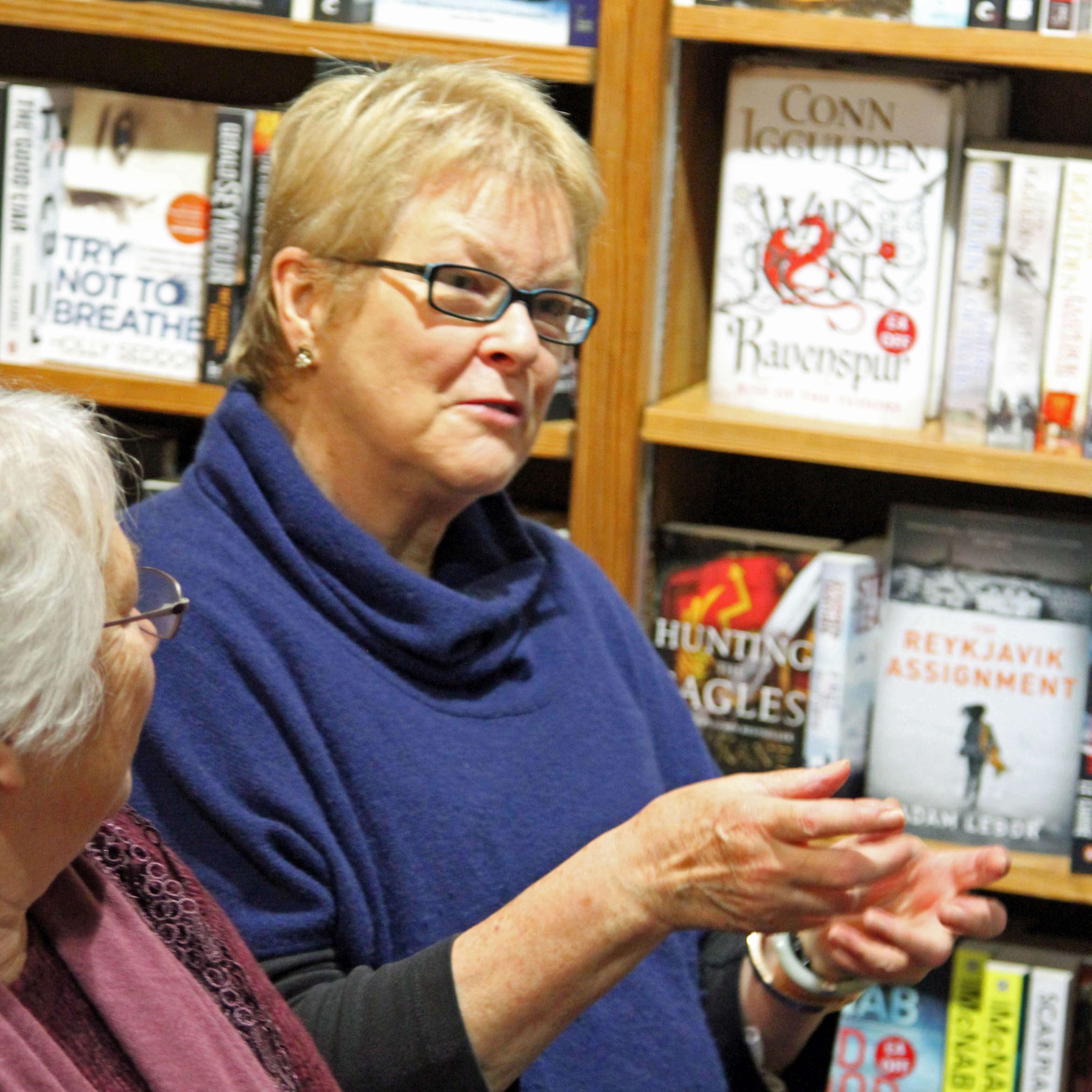


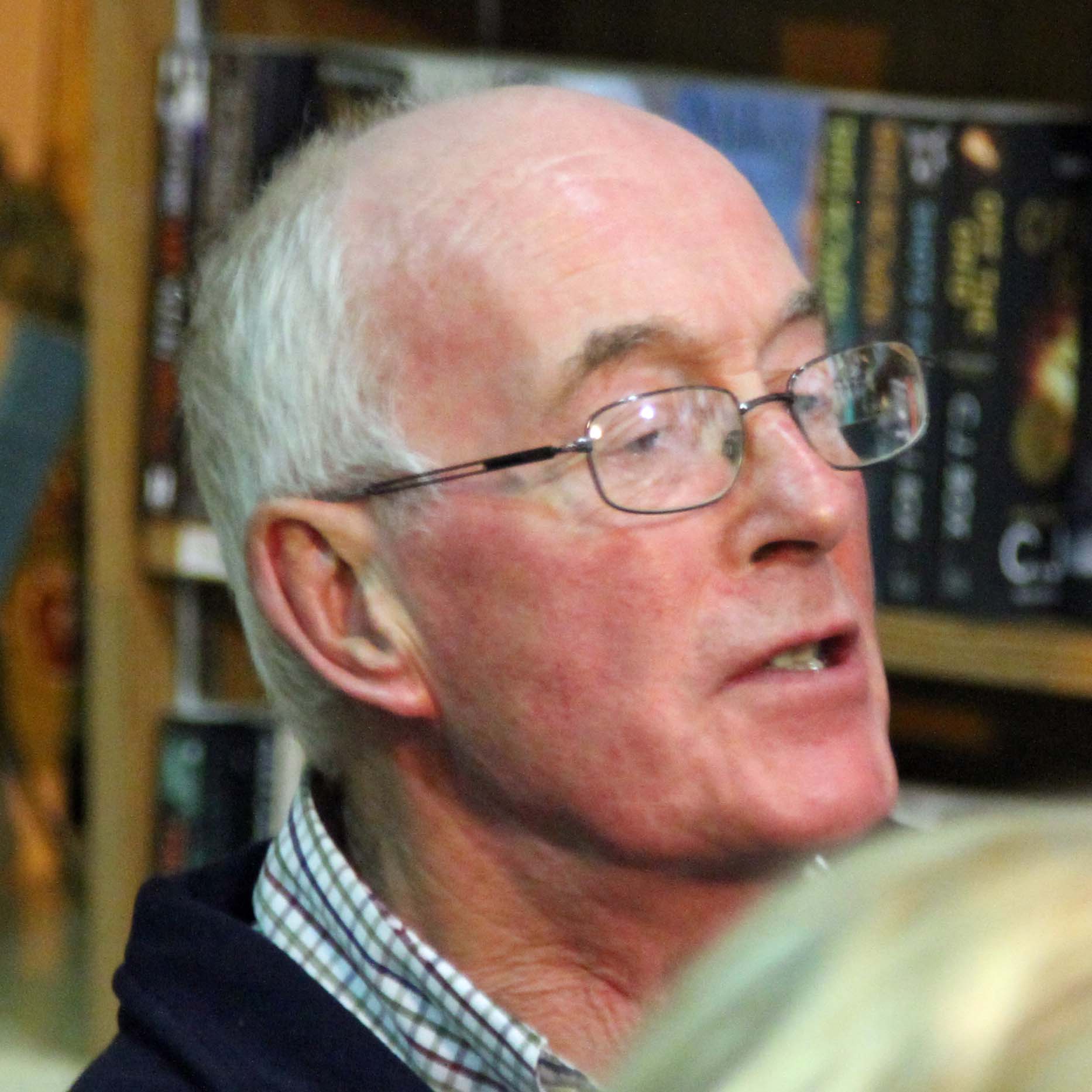

I’d like to thank Sam and the rest of the staff at Bookmark for working so hard to make the event a success, and all my wonderful Spalding readers for giving me a day to remember.

What really happened?
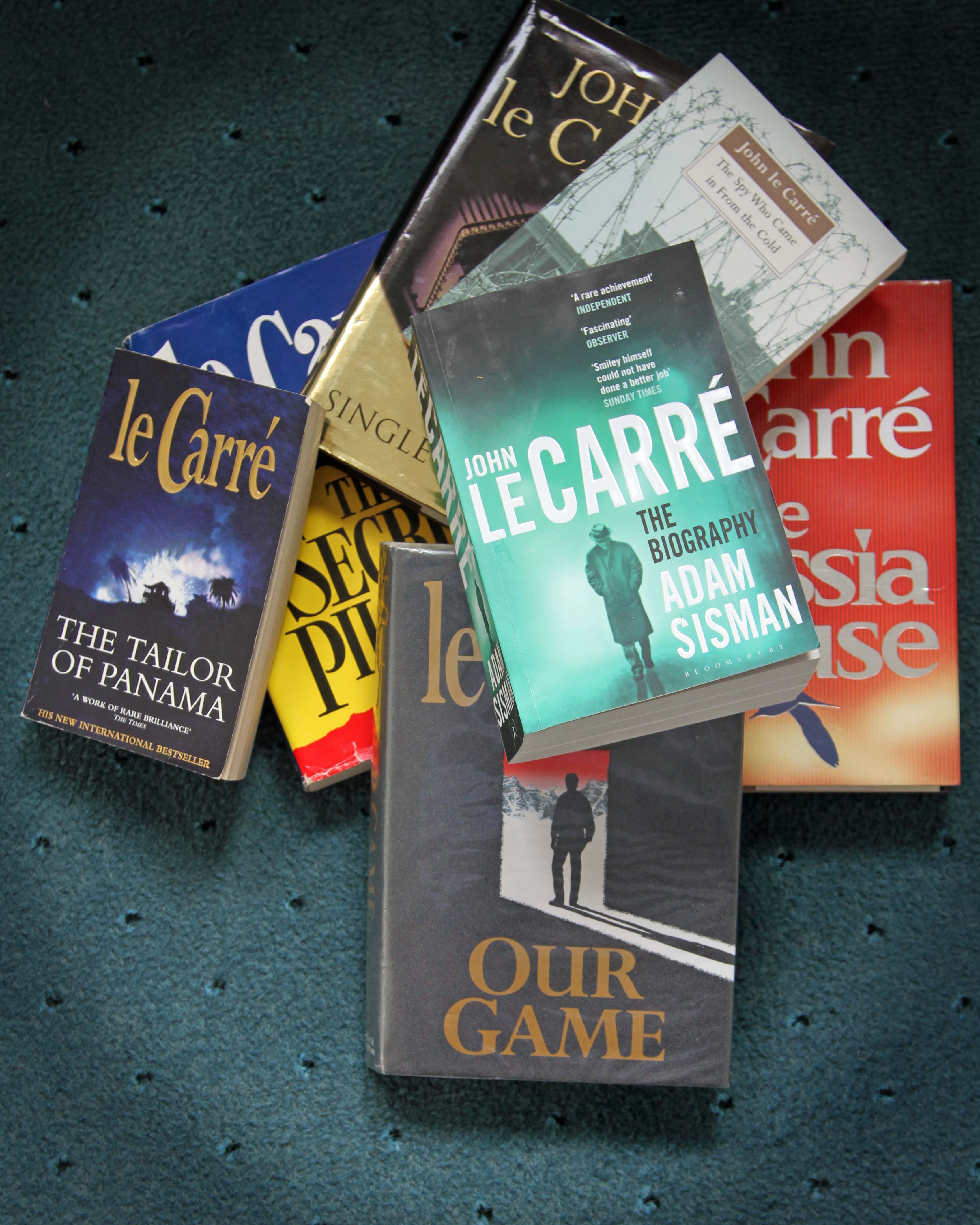
I’ve finished reading John Le Carré: the biography, by Adam Sisman, a hugely enjoyable tour de force which has been justly praised by everyone who’s reviewed it. My only reservation is that it’s ‘official’, meaning that Le Carré co-operated with Sisman throughout – a huge advantage, but tempered by the fact that Sisman is therefore not always able to explore certain aspects of Le Carré’s life fully. For example, I’d like to know more about his relationships with women (the book goes into detail about his first wife only, now deceased); more about what other people – siblings, children, friends, publishers – thought or think about him; and, of course, more about his life as a spy. Sisman himself is not entirely convinced by Le Carré’s stated reasons for his reticence about the last of these.
However, Sisman makes it clear in his introduction that, although he and Le Carré enjoyed a mutually respectful professional relationship while the research for the biography was in progress, he didn’t allow himself to be tucked into Le Carré’s pocket. His version of what took place during certain key events in the author’s life (based on painstaking assembly of the facts) often differs markedly from Le Carré’s. This is fascinating, because usually these are also events that have been fictionalised to create important scenes in the novels. Sisman suggests that, over time, Le Carré has conflated his recollection of the actual event with the fictionalised account – which is even more likely in the many instances when he’s created different versions of the same event in several different novels.
This made me think about the constant overlap, and inevitable tension, between fact and fiction. We do always want to know ‘what really happened’: it’s a fundamental trait, part of the curiosity that makes humans the most adventurous and experimental of all primates. But can we ever achieve this knowledge? Does it even exist? It’s the continuing quest of the historian, his or her holy grail, and one that’s bound, however meticulous the research, to result ultimately in failure. The many versions of the Battle of the Somme that have been published this year offer a vivid example.
As a crime writer, I’ve often been intrigued by the different versions of the truth that are presented in courts of law. For example, based on exactly the same set of evidence, Oscar Pistorius was convicted of ‘culpable manslaughter’ by one judge and homicide by another. O.J. Simpson made a histrionic display of not being able to fit on to his hand a bloodstained leather glove left at the scene of his wife’s murder. It was pure courtroom theatre, but enough to introduce ‘reasonable doubt’ into the minds of the jury at his criminal trial, so they found him not guilty; however, he lost a civil court case in which he was accused of the same crime.
Even trickier than facts that rely on interpretation are ‘facts’ that may or may not be the result of distorted memory or belief. Recently, I’ve read several accounts of the Jeremy Bamber murders that took place thirty years ago. Bamber, who is one of a handful of convicted murderers serving a whole-life tariff and who has been told that for him life imprisonment literally means staying in prison until he dies, was accused and found guilty of murdering his adoptive parents and sister and her two twin sons in order to inherit the family wealth. Bamber has always protested his innocence; he’s set up a website that gives his version of events and has quite a large number of supporters who believe him. Having studied these accounts, written from all possible points of view, my own conclusion is that it’s the balance of probability that Bamber did commit the murders. What’s less clear is whether he himself knows this, or whether he either killed his relatives while experiencing a ‘fugue’ and has no recollection of their murders, or perhaps has been proclaiming his innocence for so long that he now believes it himself. This may sound far-fetched, but there is something very odd about his case.
Points of view are slippery things. As a child, I looked up to my paternal grandmother, a petite and elegant lady who kept house for my great-uncle, the youngest of her four brothers. Unlike my other grandmother, she was very up-to-date and well-informed, not just about current affairs, but about the fashions and music of the sixties that interested me. She went out to work, she dressed in smart clothes and she was always ready with good advice, but only when asked. I thought she was just about the perfect role model. However, I noticed that her brothers often spoke to her quite condescendingly. There seemed never to have been any question that she would take the entire responsibility of caring for, first of all, her elderly mother and then her youngest brother, who was physically disabled. At the time, I thought this was just another example of the male chauvinism that was rife in my family, but much later I discovered that she’d been ‘a bit of a goer’ in her youth. They’d given her ‘respectability’, but it seems the debt was not one that could ever be repaid. Their view of her was totally at variance with my own. Similarly, when my parents’ marriage disintegrated, I thought I understood chapter and verse exactly why, having been the reluctant occupier of a ringside seat, but over the many years that have since passed I’ve come to realise that I saw those events entirely from my mother’s point of view: I had and still have no idea what my father thought or suffered.
What did really happen? It’s a constant but almost always unanswerable question. In my latest novel, Rooted in Dishonour, mistaken points of view cost dear. The most skilful novelists are those who can assemble a kaleidoscope of viewpoints and still keep the reader onside, still maintaining that ‘willing suspension of disbelief’ that is the essential ingredient of all successful fiction. A few, like Le Carré, have the rare capability of achieving this while shifting the reader’s perception of the characters over time: thus, if you read all of the Smiley novels in sequence, you begin by thinking that Karla is the devil incarnate and end by realising that he is ‘just’ a man, with all the depth as well as the imperfections that entails. And it begs the question, what really happened? If we didn’t have to ponder that, there’d be no reason for reading any novel and, therefore, no reason for writing it.
Mine is the dishonour…

I must apologise for my long silence to all the readers of this blog and to those very, very wonderful Twitter and FB friends (You know who you are!) who have continued to tweet out for me – I’ll be doing my best to make amends very soon now. Your kindness is phenomenal!
I do have excuses for not having posted much recently (a year like no other for me), but I realise I can’t justify my silence when so many of you manage to keep up your own posts and timelines and support me and others on top of doing your ‘day jobs’. However, by way of explanation, my own day job has taken me abroad several times this year (to the USA, twice, Seoul, Barcelona and Dubai), and whilst I realise how incredibly privileged I am to have visited all these places, I know that some of you will understand that long-haul travel is very disruptive to a writing routine, and the work resulting from those trips even more so. There have been some family challenges, too. As a result of all this, I was way behind with the latest DI Yates, the deadline for which was also brought forward slightly and I’ve been both-candle-ends burning for quite some time. Anyway, I’ve now finished the novel and should like to tell you a little bit about it, as well as, to start with, some landmarks of my writing year so far.
First and foremost, I’m delighted to be able to tell you that Salt has a wonderful new team to support its books. Chris and Jen Hamilton-Emery and all Salt authors are now being supported by Adrian Weston (selling rights), Hannah Corbett (in charge of PR) and Medwyn Hughes and Julian Ball, of PG Distributors. I had the privilege of meeting everyone at a lunch in June. It is the most stellar team Salt has ever had and I’m sure will do a wonderful job.

The Salt team
For the third year running, I attended the Winchester Literary Festival at the end of June. This year, as well as giving as yet unpublished authors some one-to-one advice, I gave a talk on crime writing (Whodunnit: how it’s done), which attracted a much bigger audience than I’d anticipated and I think was probably a success.
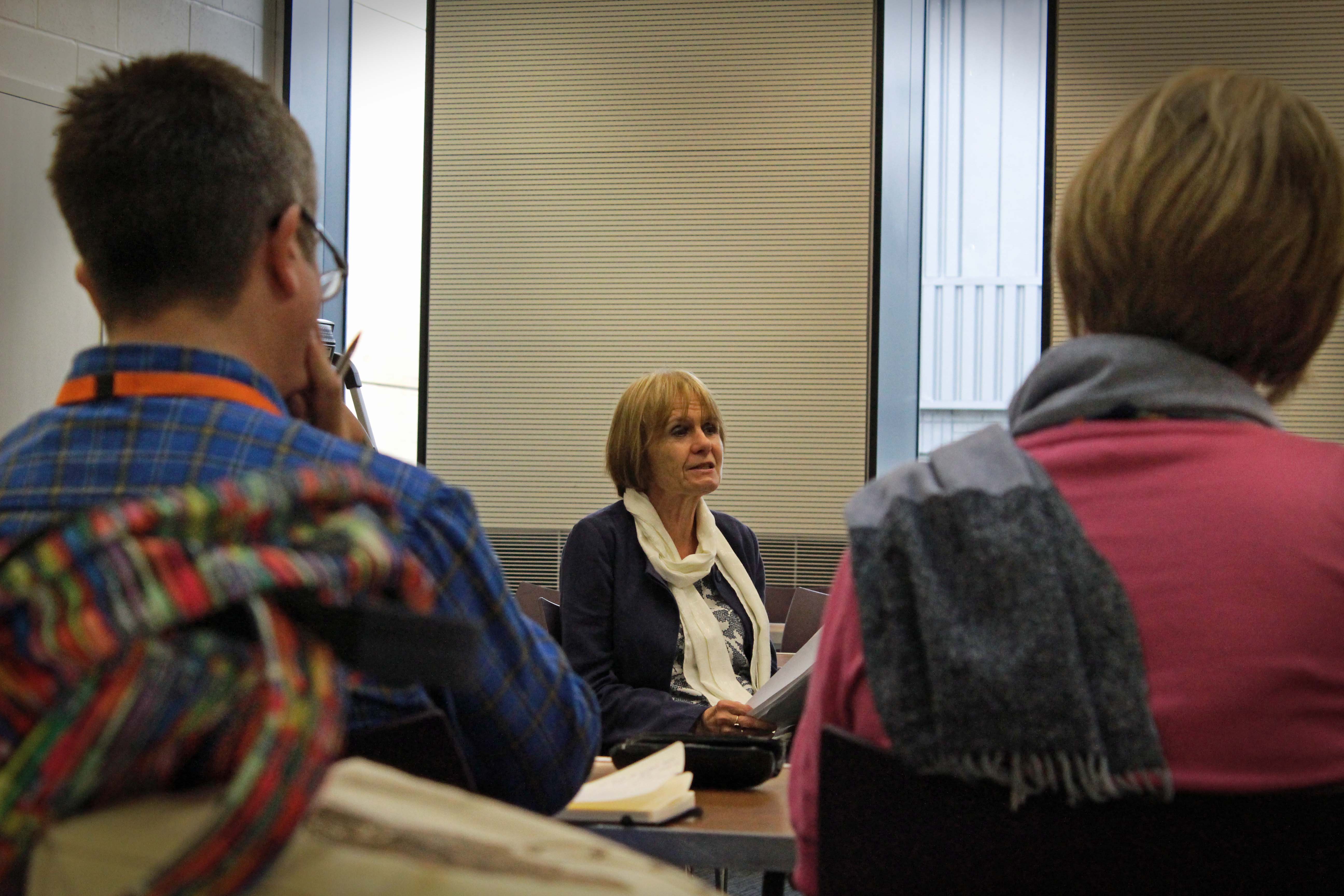
A couple of weekends ago, I was invited back to Harlow Carr Gardens to participate in a series of signing sessions which Juliet Allard, the lovely bookshop manager, had organised to celebrate the summer. As on the last occasion, I really enjoyed the ambience there and the buzz of being in a really good bookshop – one that is supported not only by the local community, but by visitors who come from many miles away to see the gardens.
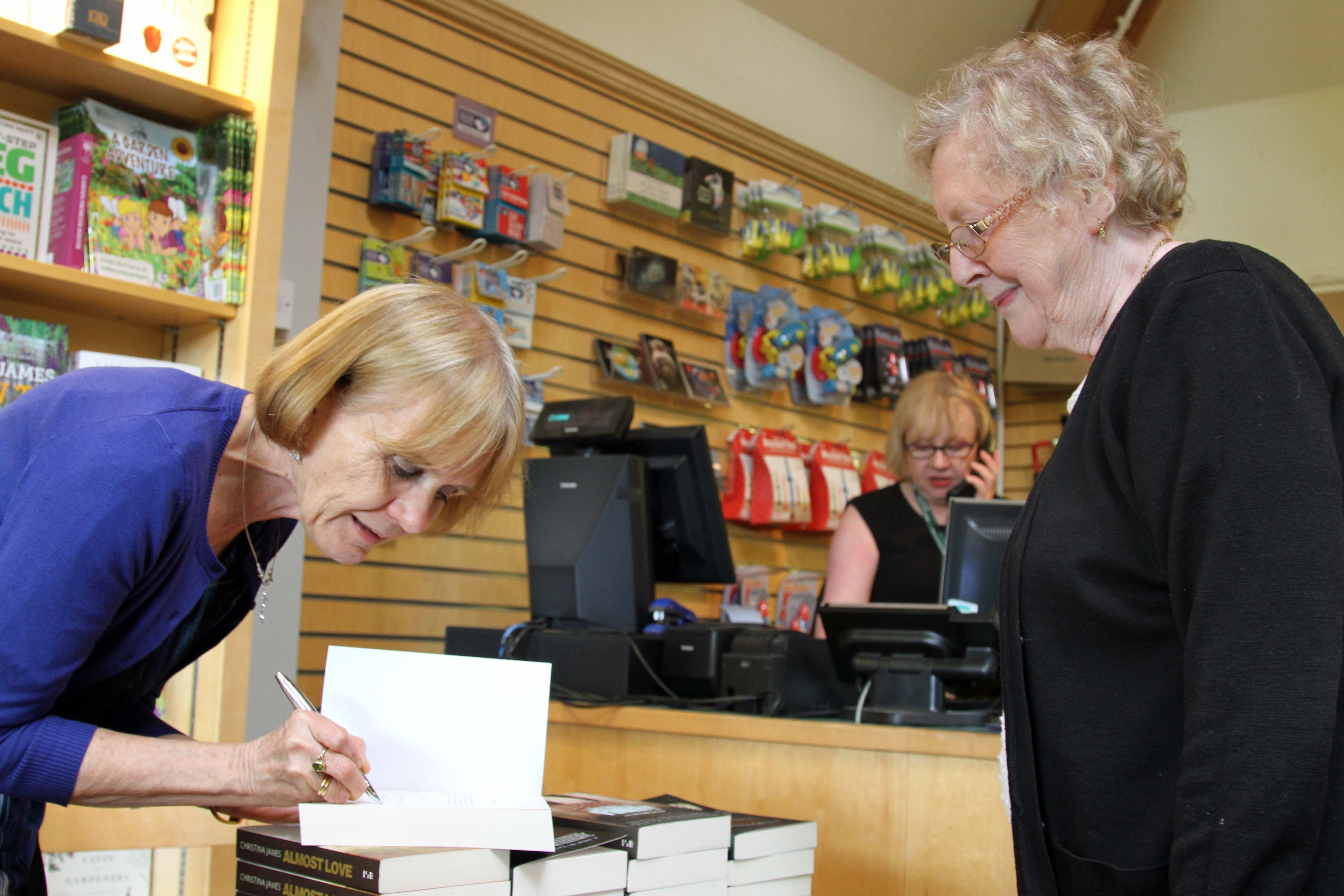
Juliet Allard has invited me back for another signing session after Rooted in Dishonour, the next DI Yates, is published in November. I’ve been offered a launch signing session/evening event for the novel at Bookmark, in Spalding, a bookshop with which I have a very special relationship and which has supported all the Yates novels magnificently ever since In the Family was published, and another signing session at Walkers Bookshop in Stamford. I’ll post and tweet the dates nearer the time. At present, I’m taking bookings for other events around the publication date, including library and bookshop events and talks to reading groups, so if you are interested I should be delighted to hear from you.
So, on to the novel. This is what it’s about (apologies for using the publisher’s blurb, but I did write it myself):
Eighteen-year-old Ayesha Verma disappears from her home in Spalding just a few days after her parents have introduced her to the cousin they’ve arranged for her to marry. There has been a nation-wide police campaign to raise awareness of ‘honour killings’. Conditioned by this, DI Tim Yates and Superintendent Thornton are convinced that Ayesha has been murdered for refusing the arranged marriage. Tim throws himself enthusiastically into preparations for a trip to India to interview the cousin. He first travels to London to visit his rather louche old friend, DI Derry Hacker, at the Met. Hacker introduces Tim to DC Nancy Chappell, an unconventional expert on honour killings.
When Tim arrives at King’s Cross he thinks that he hears the voice of Peter Prance, a confidence trickster whom he last encountered when he was investigating the murder of Kathryn Sheppard several years before. He’s unable to follow the man because he’s suddenly taken ill.
Tim’s wife, Katrin, has just returned to work as a police researcher after the birth of their daughter Sophia. DC Juliet Armstrong, who is far from convinced that Tim is right about the reason for Ayesha’s disappearance, arranges for Katrin to meet Fi Vickers, a social worker who helps women to escape from forced marriages and violent male relatives. She hopes that Fi will introduce Katrin to some of the women in her care so that Katrin can build a picture of the likely circumstances of ‘honour killings’. Juliet herself is feeling aggrieved because she thinks her career is going nowhere. Tim and Superintendent Thornton have announced their intention to appoint a Detective Sergeant to the team, but Juliet is convinced that she won’t get the job.
DI Hacker arranges dinner in a restaurant for Tim with a ‘surprise’ guest, who turns out to be Patti Gardner, the SOCO who was his girlfriend before he met Katrin. Derry is called away to a reported gangland beating shortly after they’ve begun to eat. Tim remains à deux with Patti, escorting her back to her hotel at the end of the evening. There he’s taken ill again, and is so incapacitated that he spends the night in Patti’s room. The victim of the gangland beating has been spirited away by the men who attacked him, but from Tim’s description Hacker is convinced he is Peter Prance.
Katrin has received a visit earlier that evening from Margie Pocklington, a teenager working for her child-minder. Margie asks Katrin to employ her as a full-time nanny, and when she gets a cautious response flounces out of the house. Next morning, she fails to turn up for work. She has vanished.
Juliet Armstrong is convinced that Ayesha’s and Margie’s disappearances are linked. She has begun to investigate when Tim returns to Spalding earlier than expected, with Nancy Chappell in tow. He puts her in joint charge of the investigation while he is in India. Sparks fly.
I hope that you will find this intriguing. You’ll see that the ‘cast’ includes some old acquaintances, but, like all the Yates novels, it stands on its own: you don’t need to have read the others first.
Thank you again for all your support and interest. I have some amazing friends out there!
My husband meets Ann Arbor
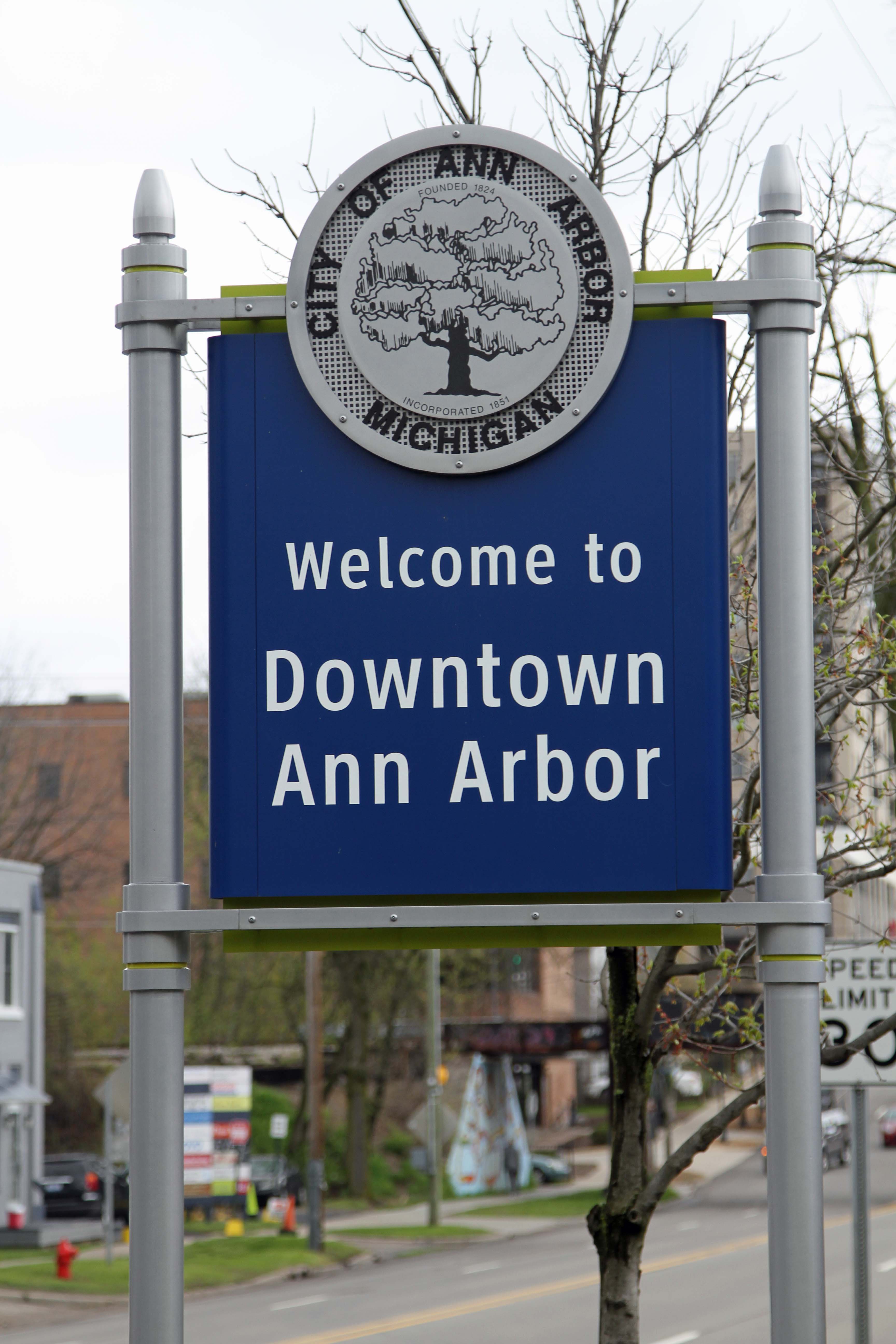
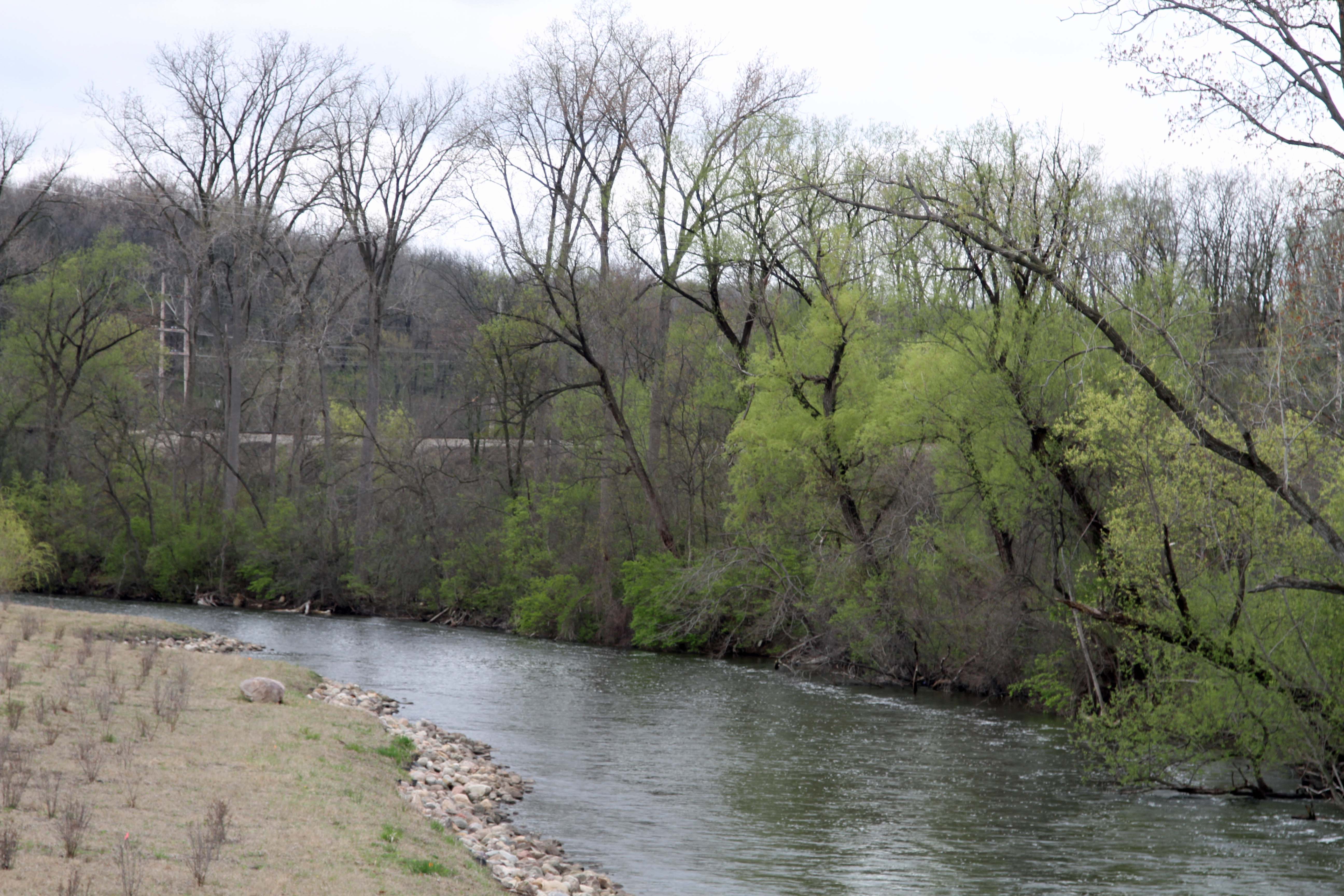
Ann Arbor is in Michigan, not so very far from Detroit, and currently at about the same point of spring as the Pennines of Yorkshire, with daffodils just beginning to decline from their best, the arrival of swallows and the fresh green of young leaves in sheltered places; a good deal of grass cutting was going on when we were there. The city is home to the main campus of Michigan University and the whole place was filled with graduating students, accompanied for some of the time by, it seemed, more than one generation of family supporters; a good deal of photography was also going on.
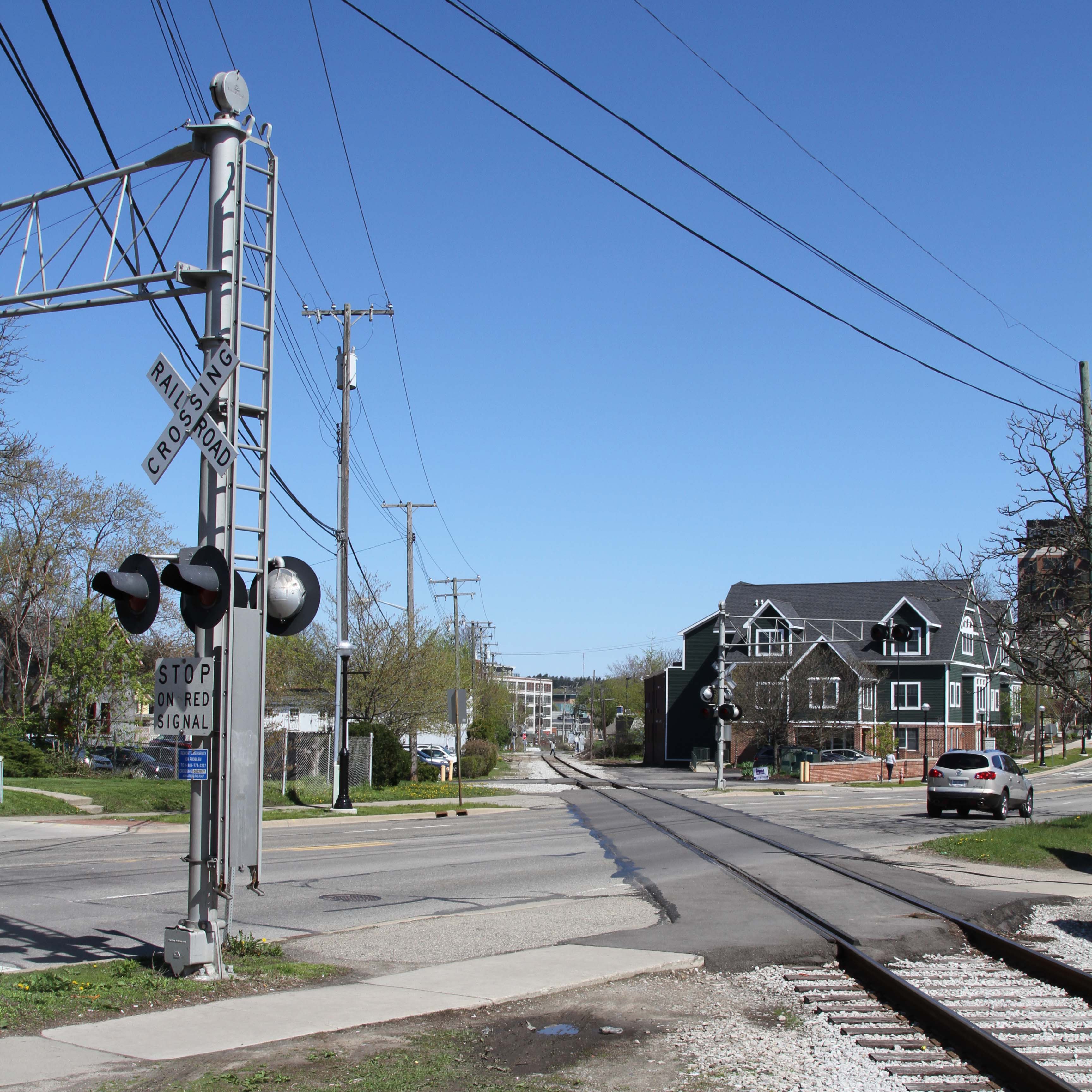
When I travelled with Christina to Amsterdam, you may recall that I provided a range of photographs to capture the spirit of that lovely city; she asked me to wander around Ann Arbor and take some pictures to add to the ones she took when she was last there, for she would not, this time, have the leisure to do so herself. (As you can tell, she has also asked me to do a blog post, as she is still very busy!) I didn’t take pictures of the grass cutting, but allowed myself one graduation moment. The rest of the pictures have no particular significance, but US readers of this blog may forgive my including things which to a Brit are strikingly different from back home. The school buses, for example, are perhaps as iconic to us in the UK as London red Routemaster double-decker buses are to the rest of the world (there seemed to be an awful lot of school buses in Ann Arbor, but I then discovered that their depot was just around the corner from our hotel!). Most people appeared to take taxis or drive themselves around town and there were very few pedestrians outside the downtown area; the campus itself, of course, was full of walkers, bikers, monocyclists and skateboarders. Nobody in the hotel could tell me where to catch a bus, but I hopped on and off a few to give my legs a rest (I’m still recuperating after surgery earlier this year.). The houses were largely clapboard homes, the more modern of them part brick, and, apart from the student-rental homes (typically dilapidated and with piles of garbage on porch and in garden!) were immaculately tended, as were their gardens. Blossom time had arrived to set them off nicely!

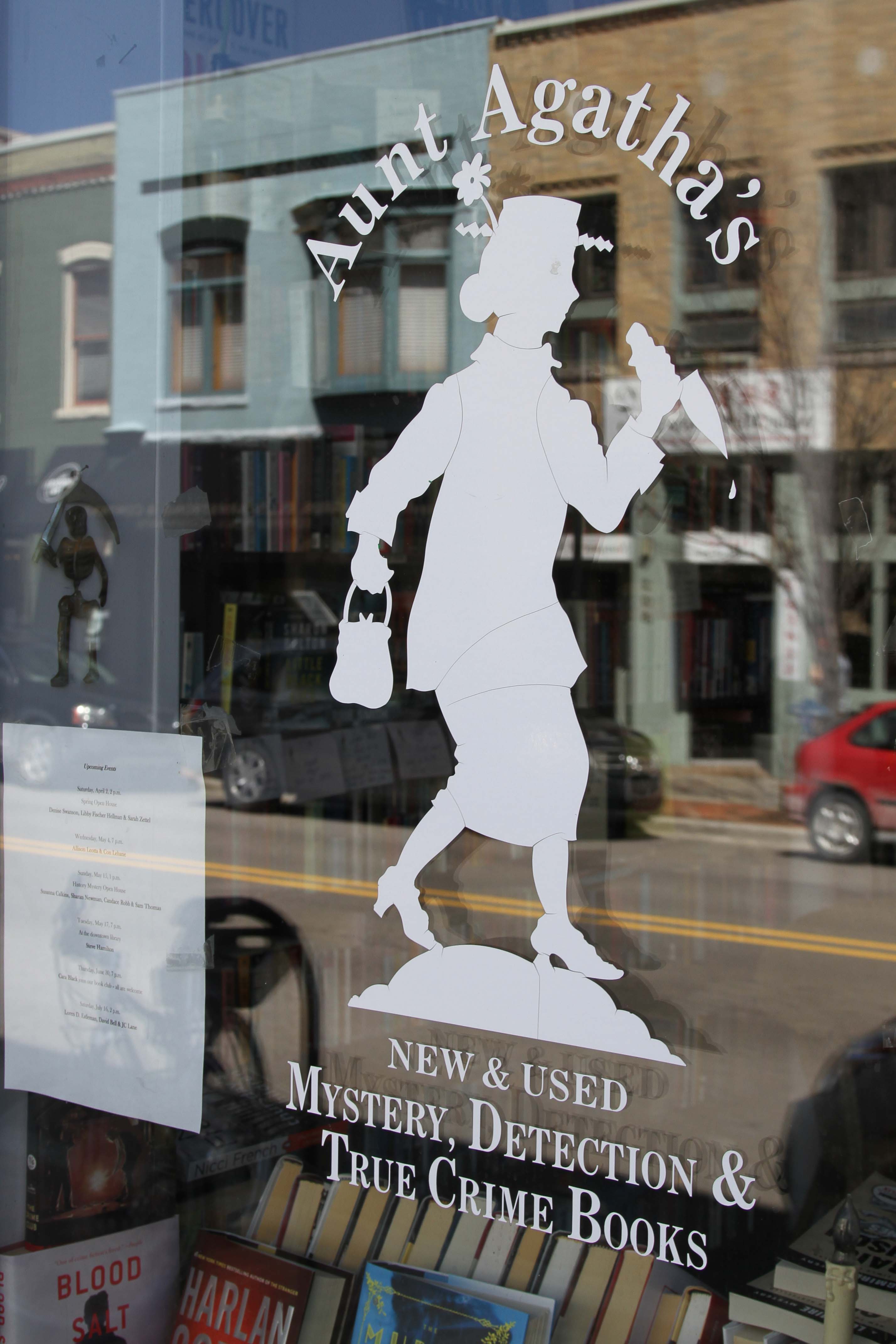
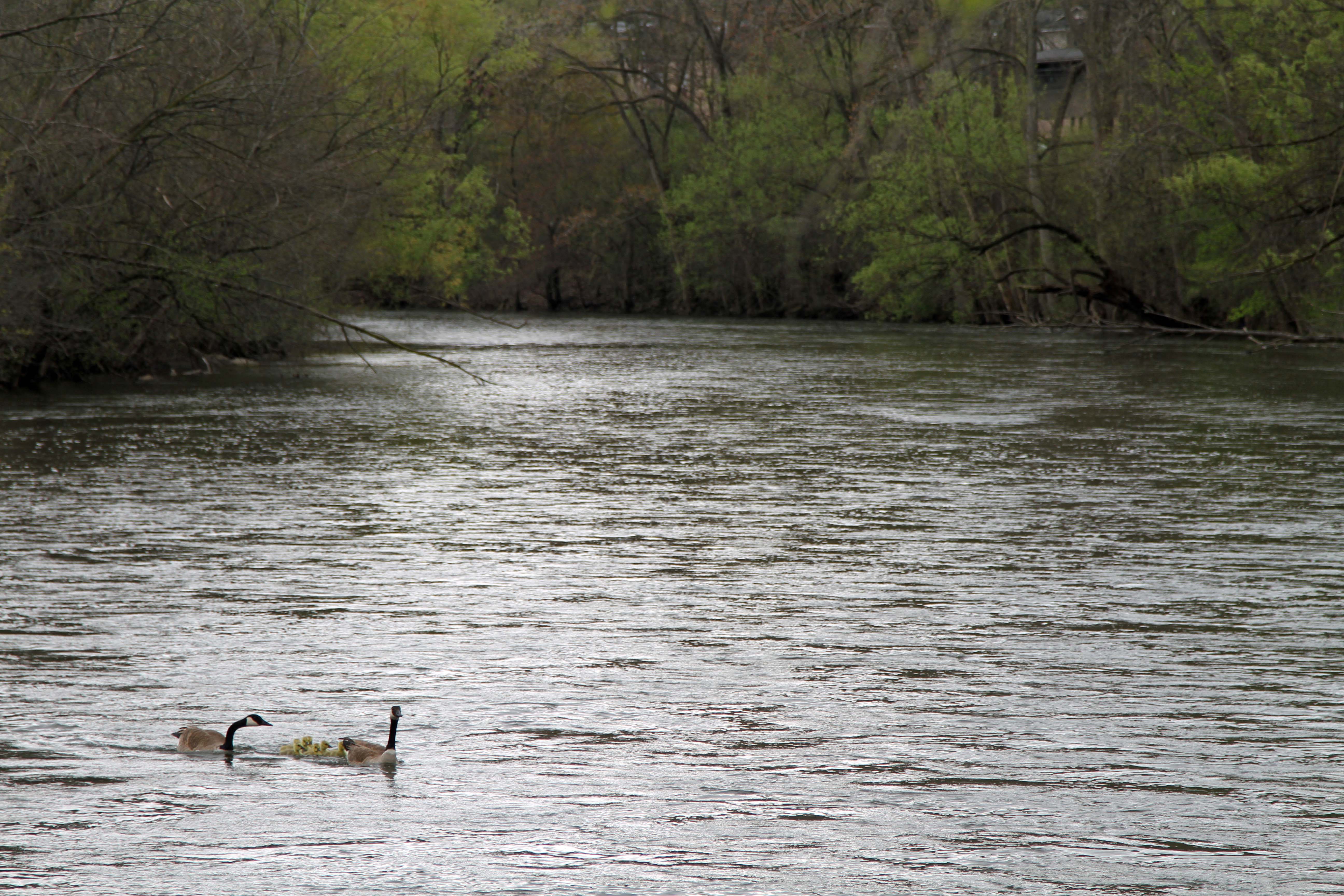
One real surprise was that not much has been made of the beautiful River Huron, though I understand that there are places for kayaking now. I had to ask several people before I could find one who knew how to get down to the river; he seemed genuinely astonished that I wanted to go. Another place that I visited was Aunt Agatha’s Raven Award-winning (2014) crime bookshop, which Christina had heard about from one of the regular commenters on this blog, who I think lives not far out of town; she therefore asked me to go and browse, which I duly did, meeting Marty, the knowledgeable and long-serving bookseller there. He didn’t really want his picture taken, but, what the hell! I’m not surprised that the shop has such a reputation – its stock of used and new crime books is extensive. Sadly, I didn’t get to meet the owners, who were out of town. I enjoyed a Notting Hill moment there, by the way, as Marty, in the role of Hugh Grant, dealt with someone who wasn’t grasping too well (in spite of the window image below) that it was a crime and mystery store!
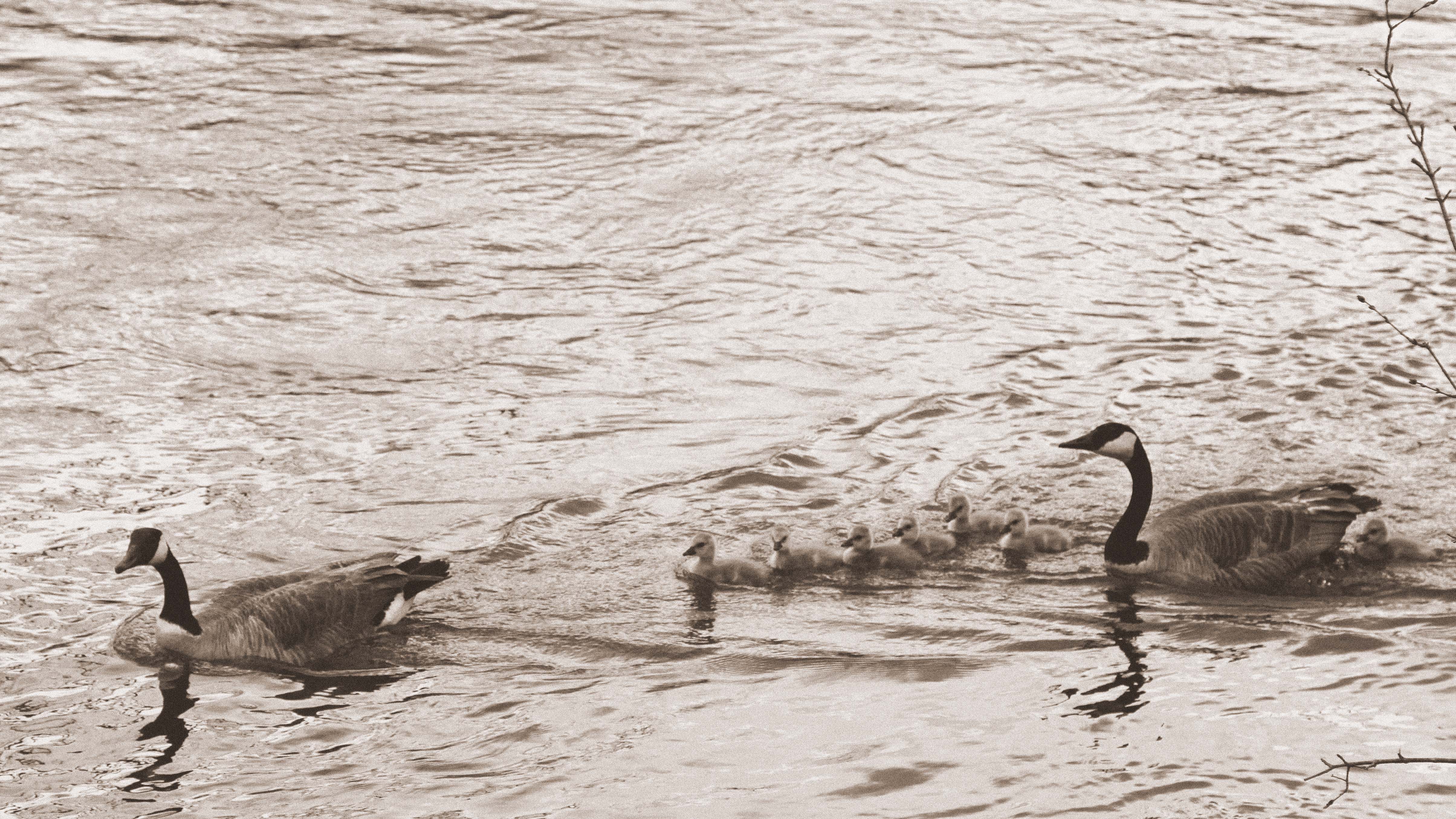
I enjoyed the wildlife, the most ubiquitous of which were American robins (not at all related to the English robin, but more thrush/blackbird in behaviour), the reddish-grey squirrels and Canada geese. In the shrubbery next to the flyover of Eisenhower Parkway, I was pleased to get a close personal view of the quite common northern cardinal, but he flew before I had chance to get the camera out.

I hope that you enjoy the pictures! The little boy in me loved the trucks!

Busy South Main Street









Turbine made from retired canoes

Railroad passenger depot 1887, now a restaurant

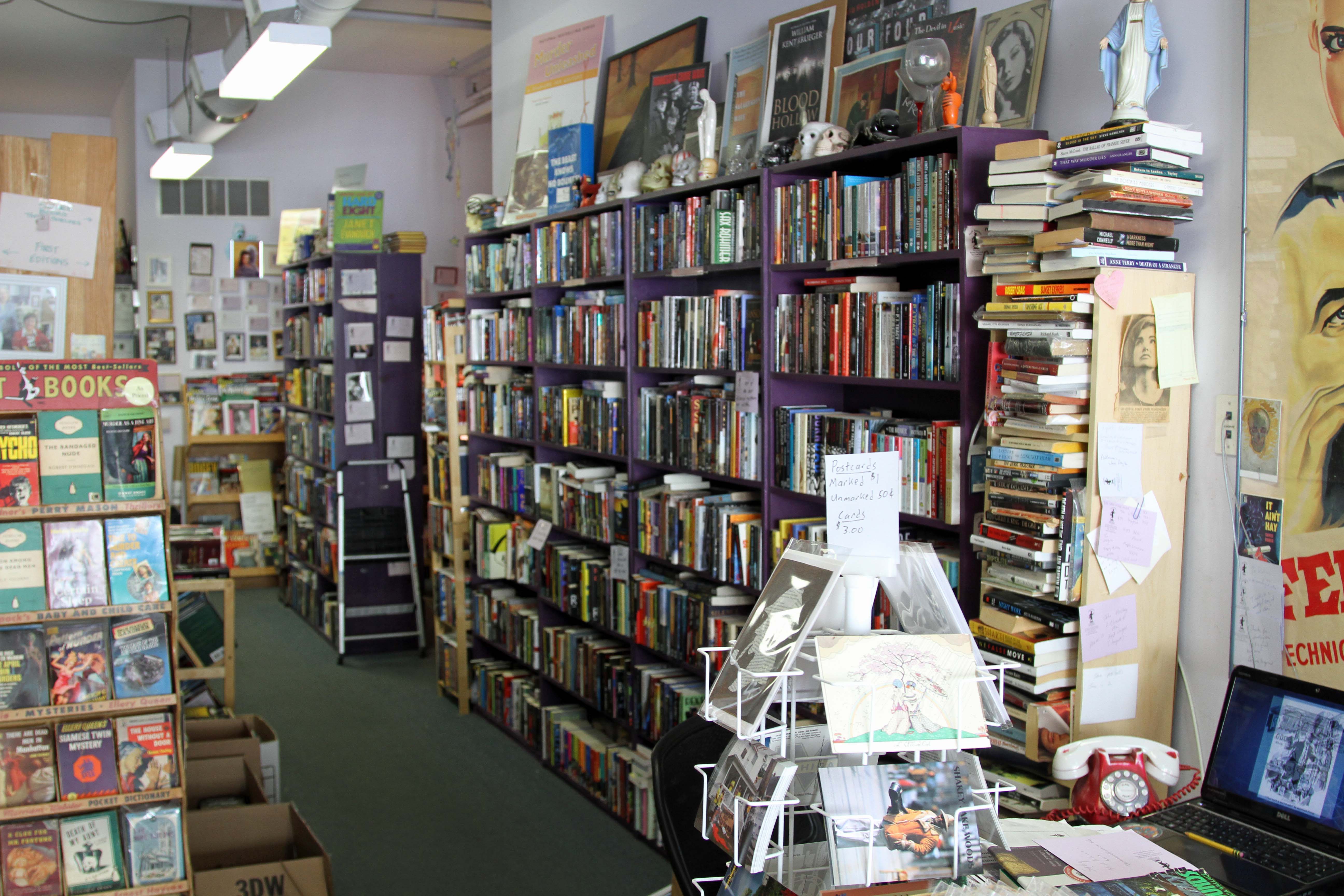

Marty at Aunt Agatha’s

Nickels Arcade


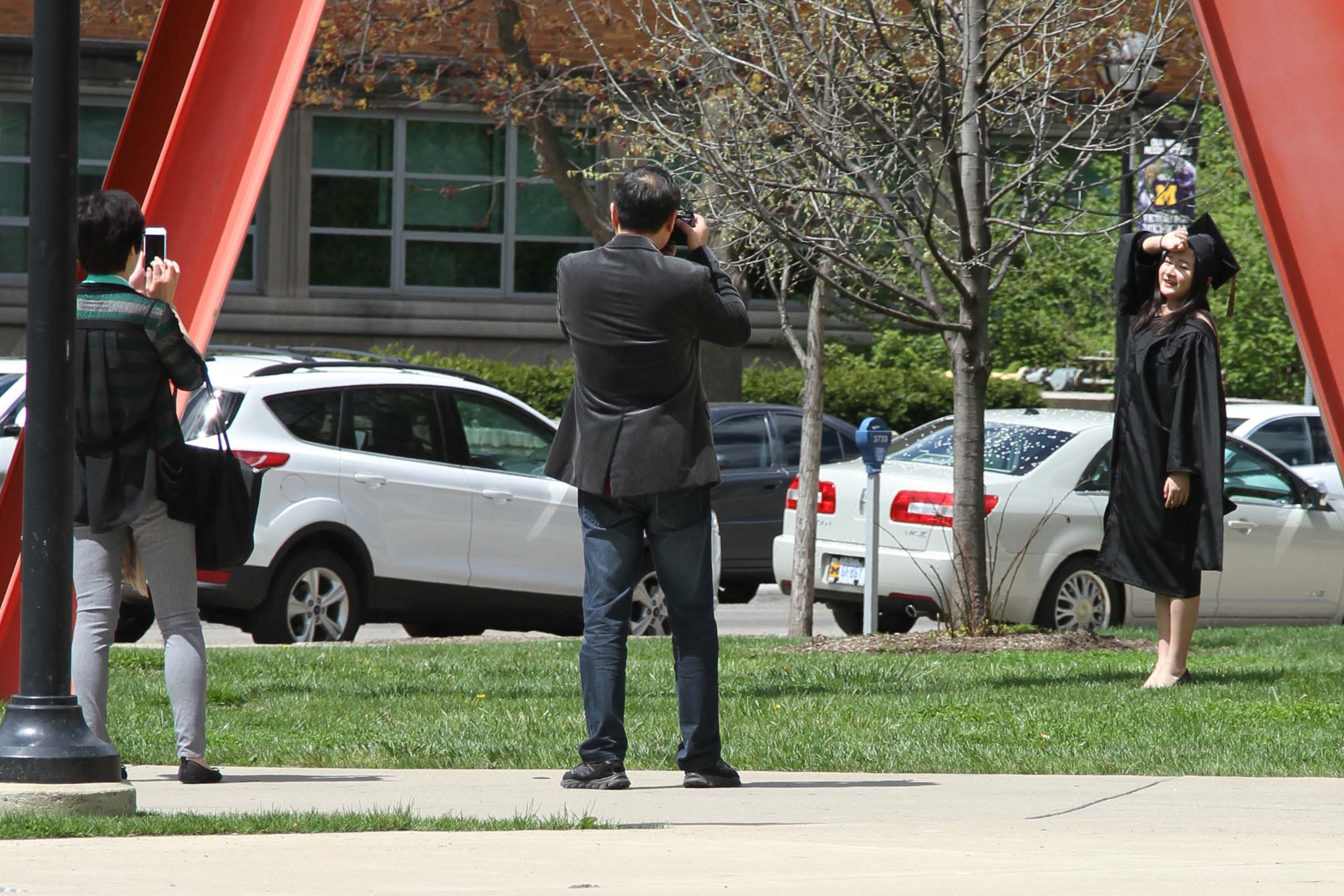


Through the university art gallery window

Back to Barcelona – work again!
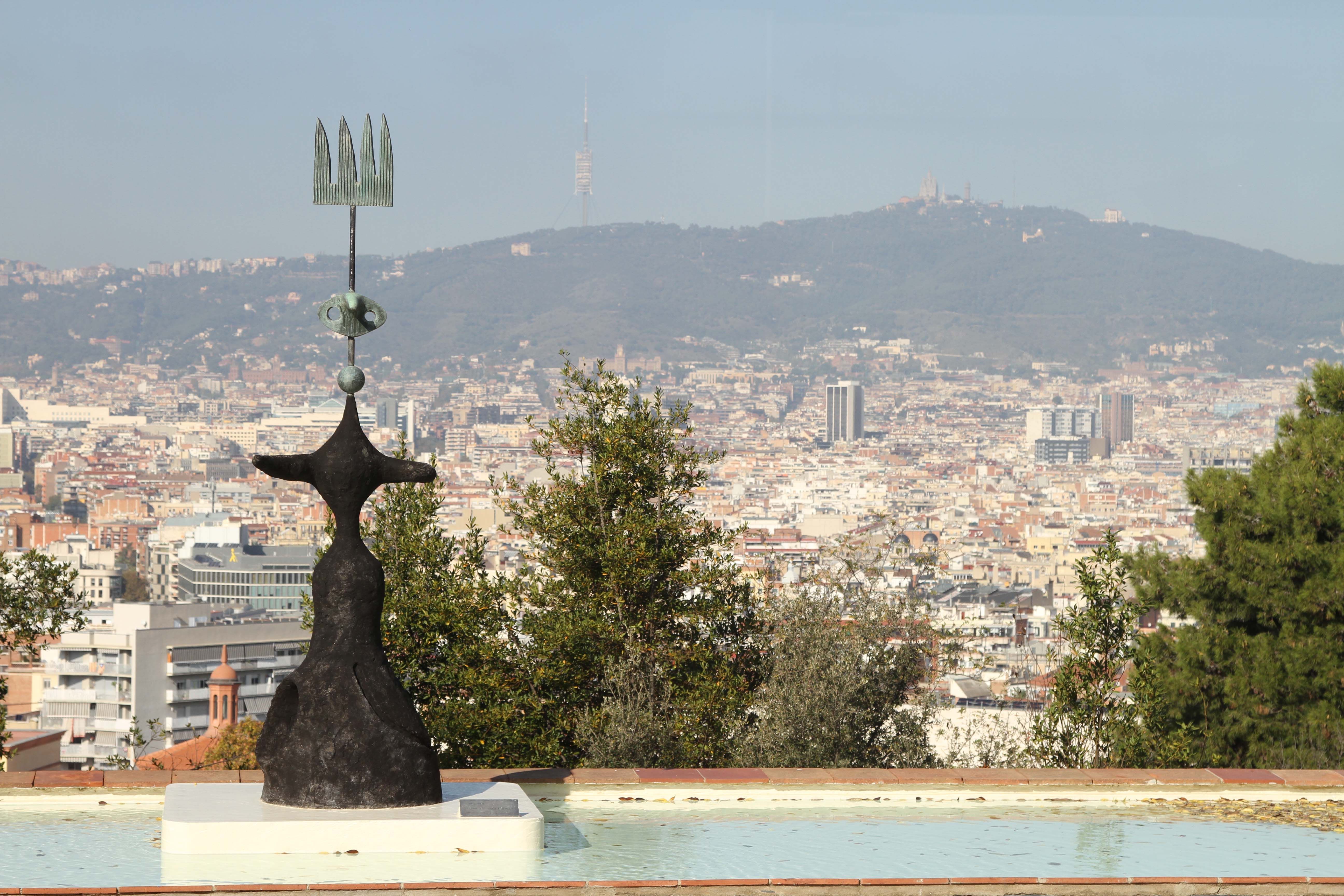
Barcelona from the Fundació Joan Miró
Easter crept up on me this year, because I spent the greater part of the week leading up to it doing the day job in Barcelona. I was last there in November, when the weather was very similar to how it is now (How I envy the Spanish their short, mild winters!). Long-time readers may remember that I wrote of an earlier visit, in April 2013, when I was lucky enough to be there during the St George’s Day bookshop celebrations, the inspiration for our own World Book Day.
As it happened, there were more opportunities for down time in November and so last week’s distinct lack of them may be compensated by a selection of 2015 photographs of one of the world’s most beautiful and interesting cities. They aren’t in any particular order, but reflect visits to Antoni Gaudí’s inspirational work at Casa Batlló,
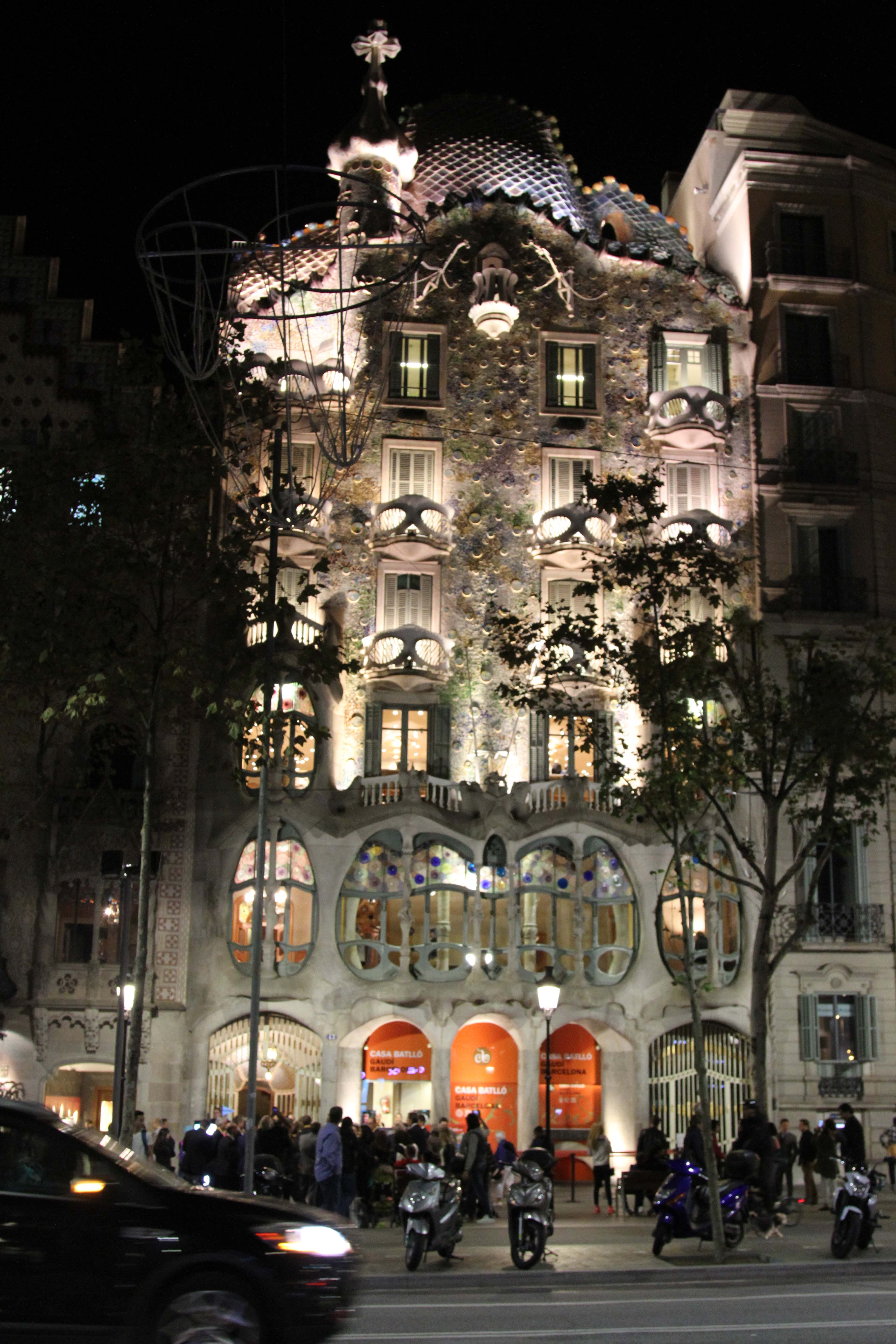
Casa Batlló at night
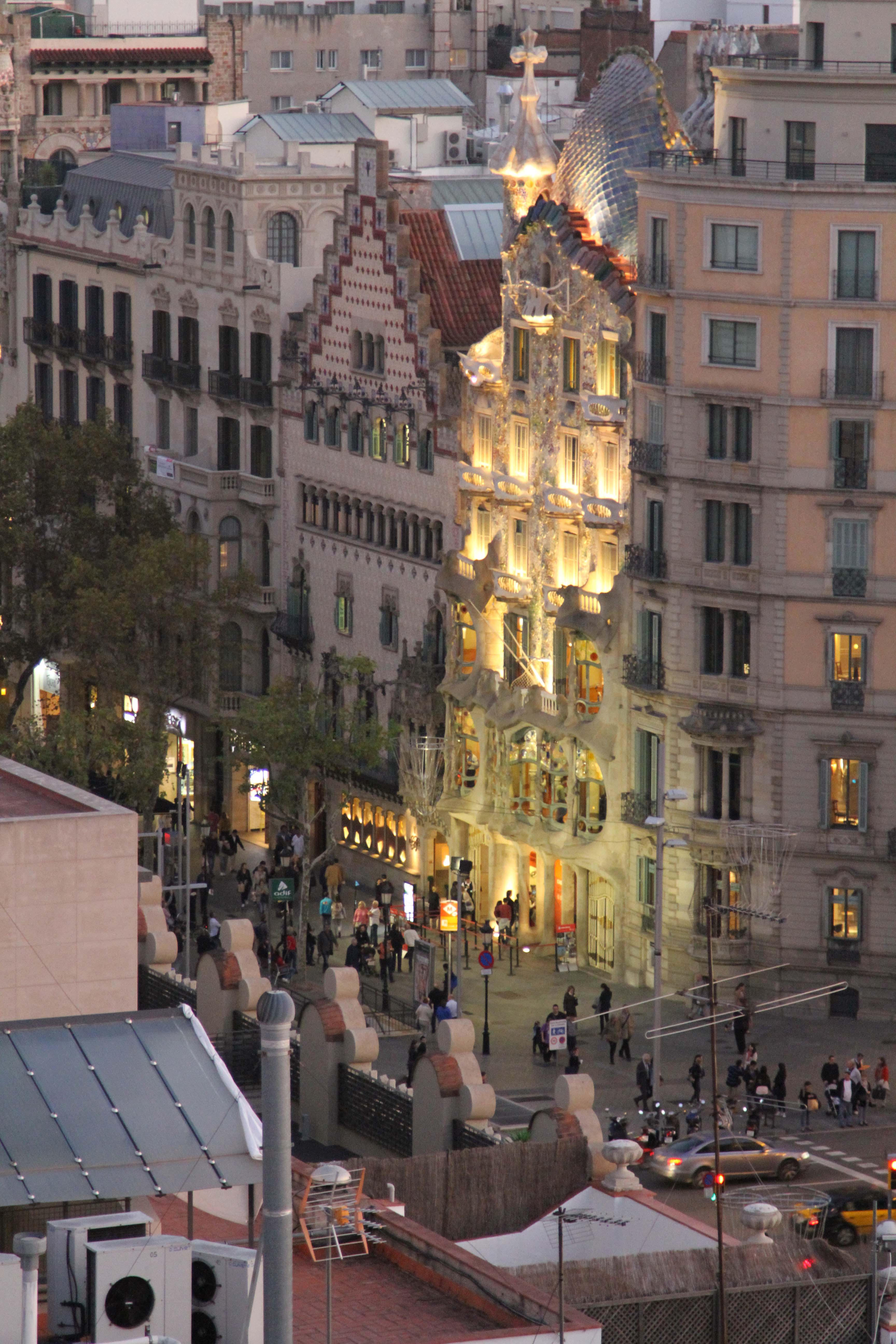
Casa Batlló from the Majestic Hotel

Casa Batlló interior, a photographer’s dream
Park Güell

Park Güell: Some of Gaudí’s least-photographed tiles

Park Güell viaducts: perpendiculars not much in Gaudí’s vocab.

Ditto
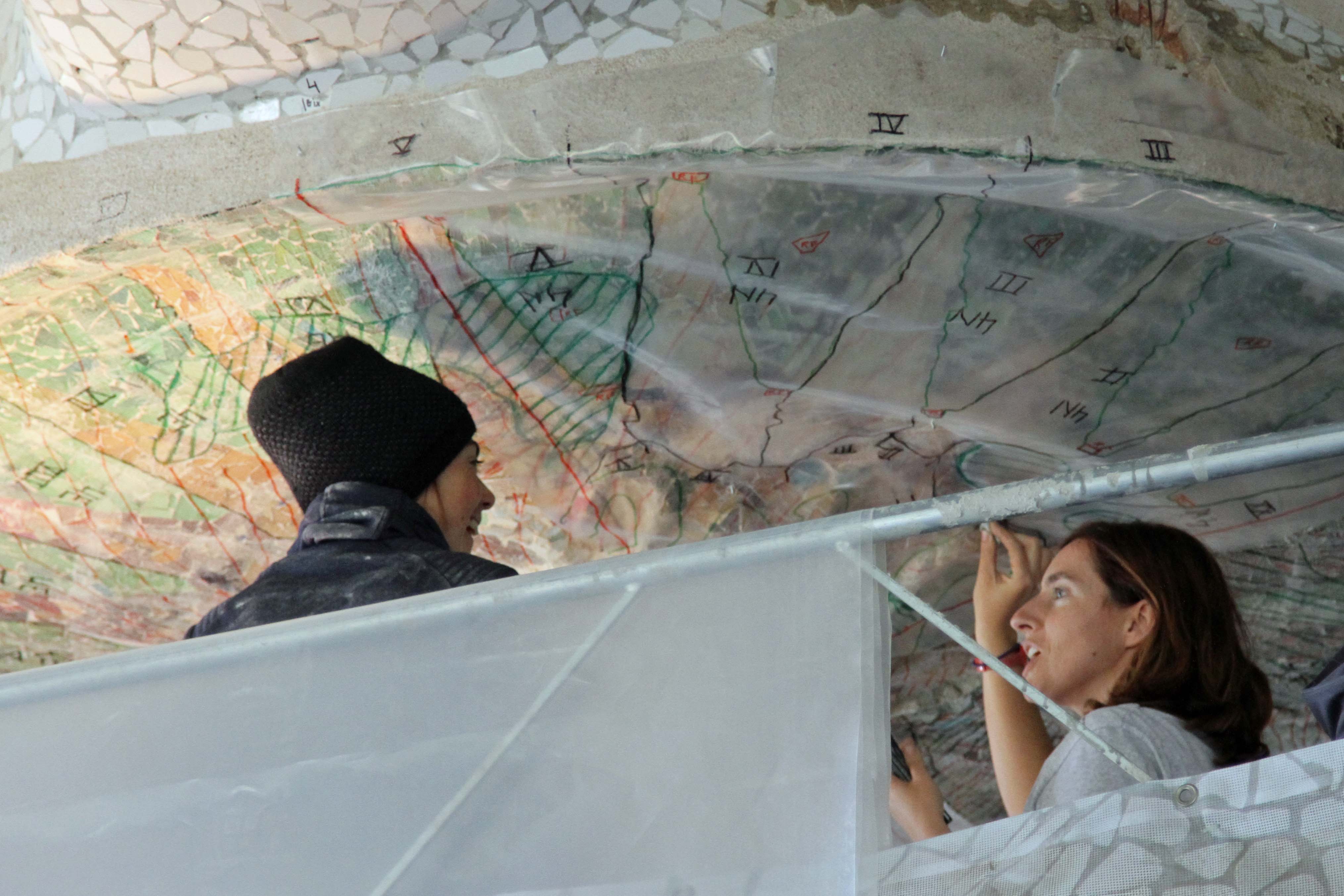
Park Güell: restoration

Park Güell: women repair, women prune, women dig and plant
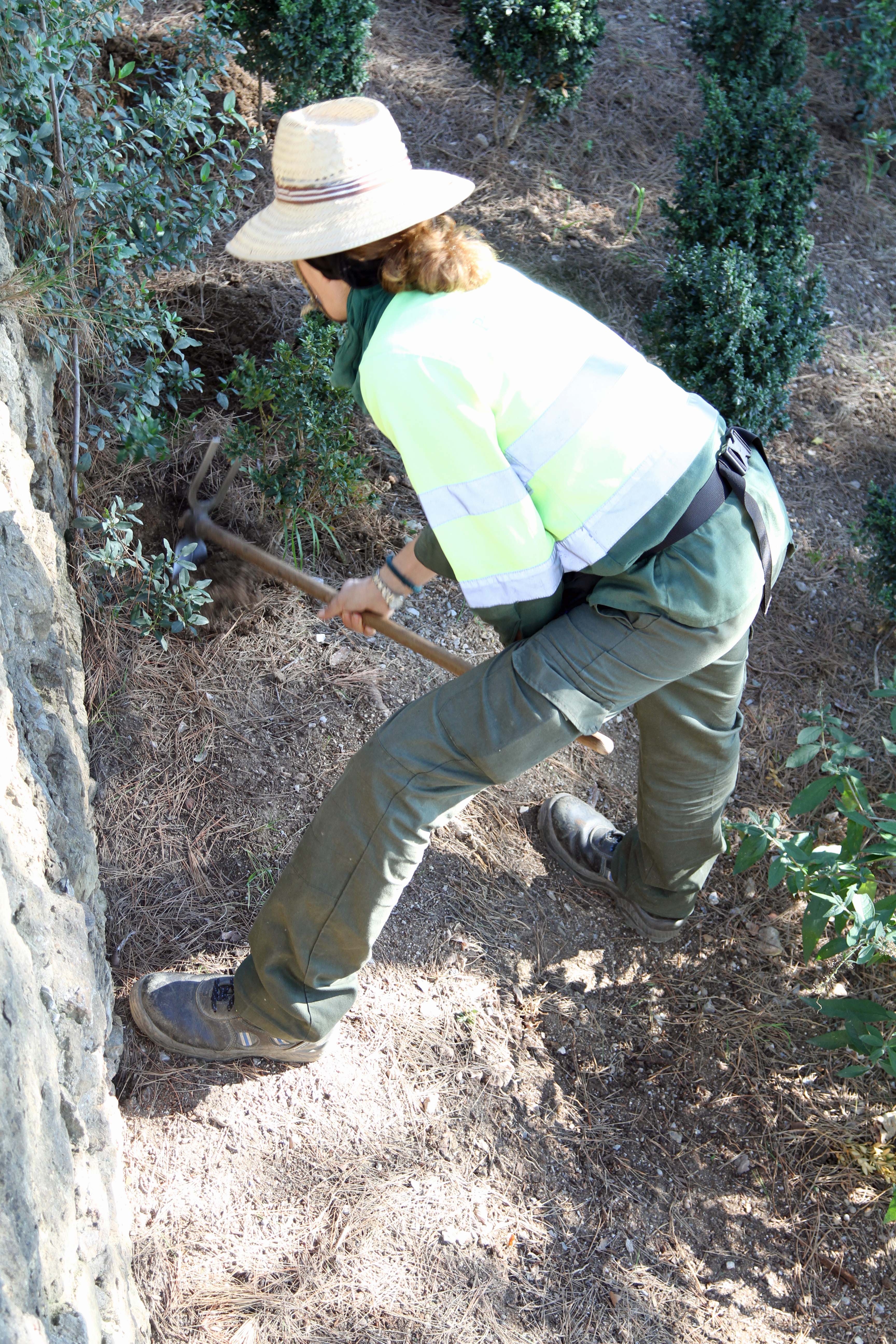
Park Güell

Park Güell

Park Güell: denizen
and Palau Güell

Palau Güell rooftop view

Palau Güell: Wooden setts in the entrance hall to soften the sound of horses’ hooves and carriage wheels

Palau Güell: ceiling detail

Palau Güell: interior light

Palau Güell: favoured catenary arch shape for windows
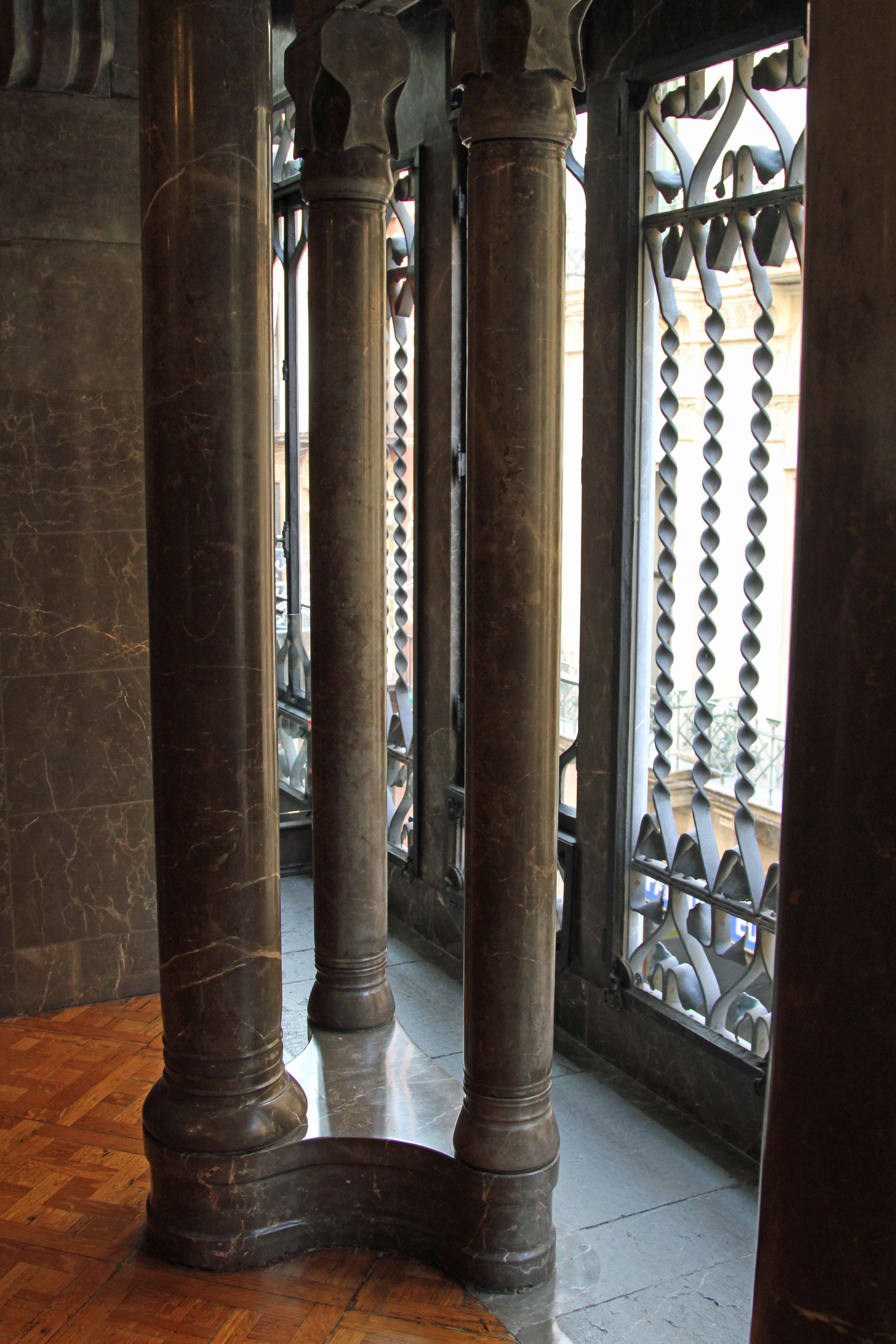
Palau Güell: triple columns for light and support
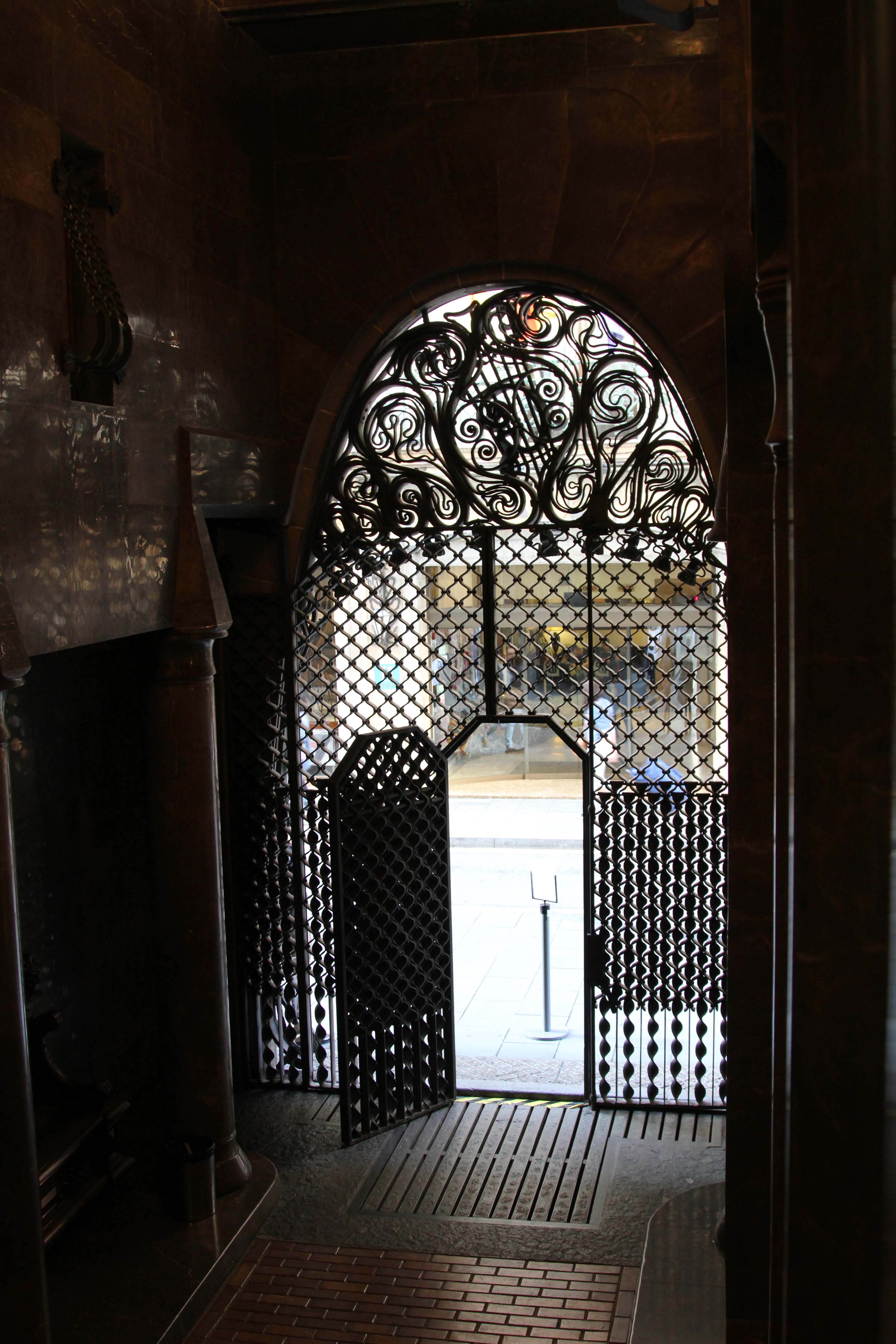
Palau Güell: carriage exit
and to the Fundació Joan Miró.

Fundació Joan Miró

Fundació Joan Miró
There are some pictures, too, of places I wandered around and the people and animals I saw as I went. There were cats everywhere: scrawny cats crouching in alleyways, suspicious cats craning their necks from the tiled roofs, a family of sleek, well-fed black and white cats living in a courtyard at the university. Dogs were on and off leash, living happy doggy lives; being an English pointer owner, I was delighted to find a rescued black and white pointer playing on Carmel Hill (Park Güell) with her mum.

Choice!

Predictable, perhaps, but off the beaten tourist track
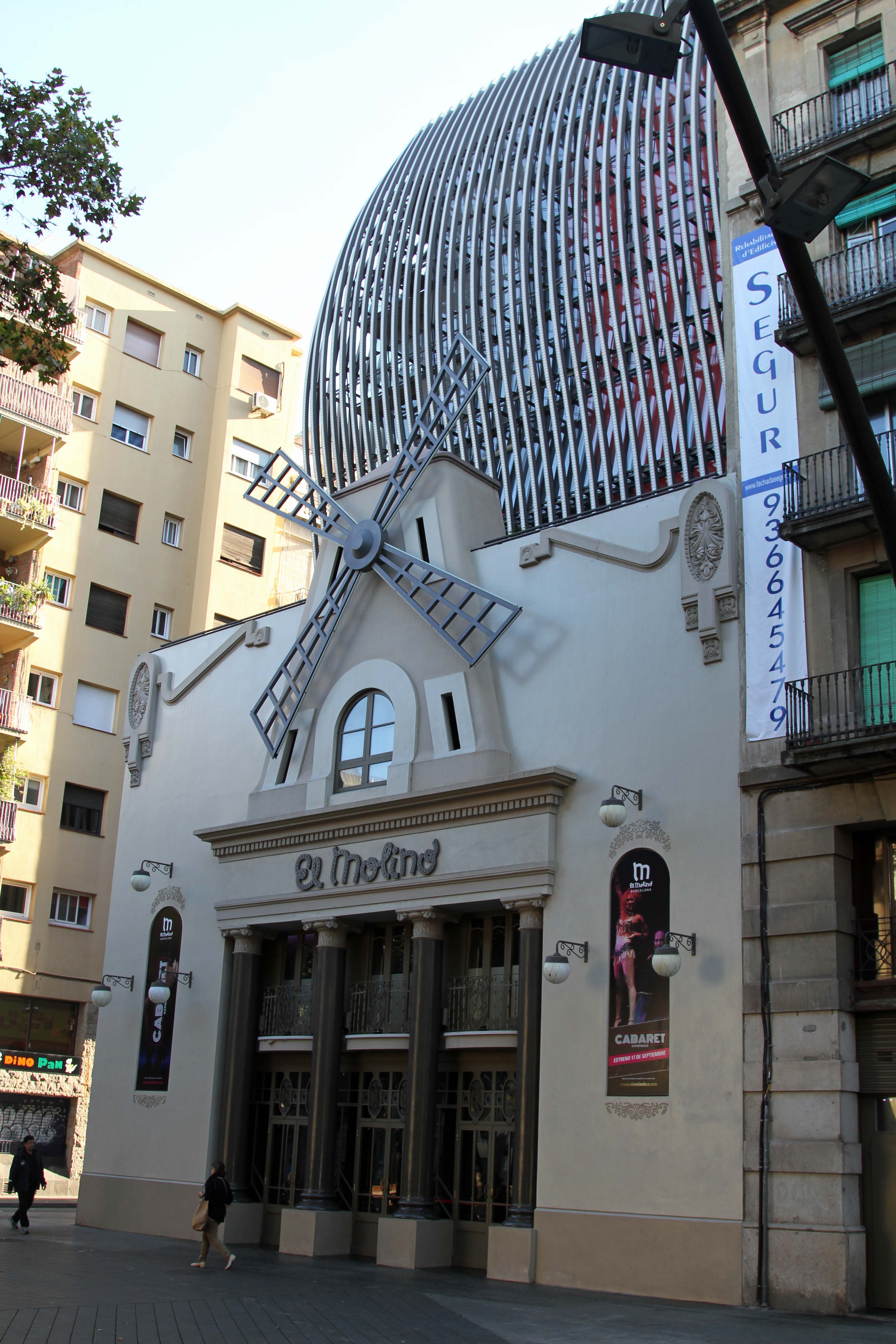
Echo of Montmartre

Please, Papa!

Nothing mean, here.

Best paws forward

Best paws backward

Parc de Pedralbes: water sculpture

Parc de Pedralbes: tree sculpture

Metro: enjoying Milan Kundera

Metro: The wearable lightness of being – man in hat
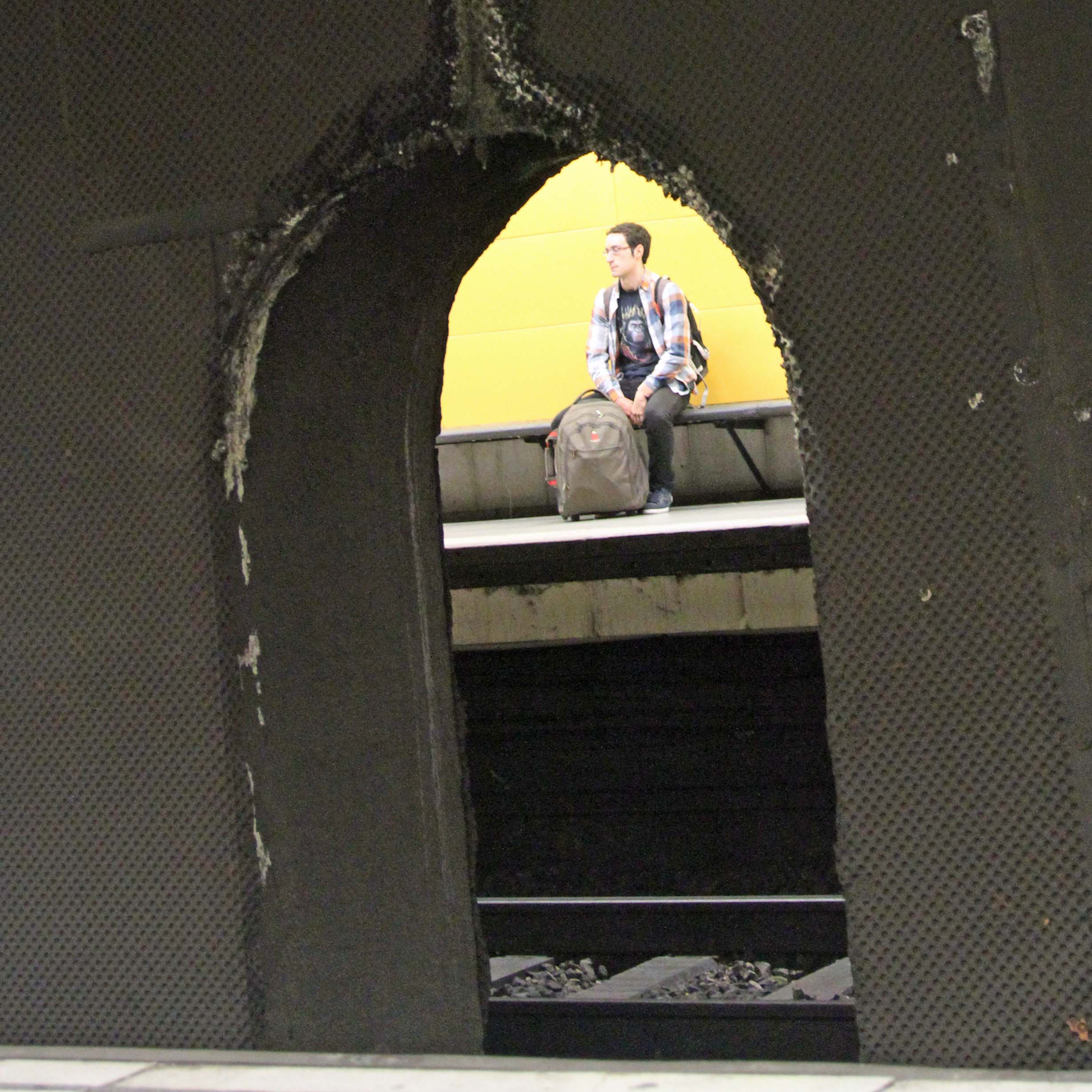
Metro: On the other side

The port: view from Montjuïc
Anyway, as I’ve said, this is just a selection, which doesn’t really need much explanation, but I hope you didn’t expect too much in the way of classic views – you can find those in the guide books! Here’s a tourist picture to finish with: woman in Park Güell.
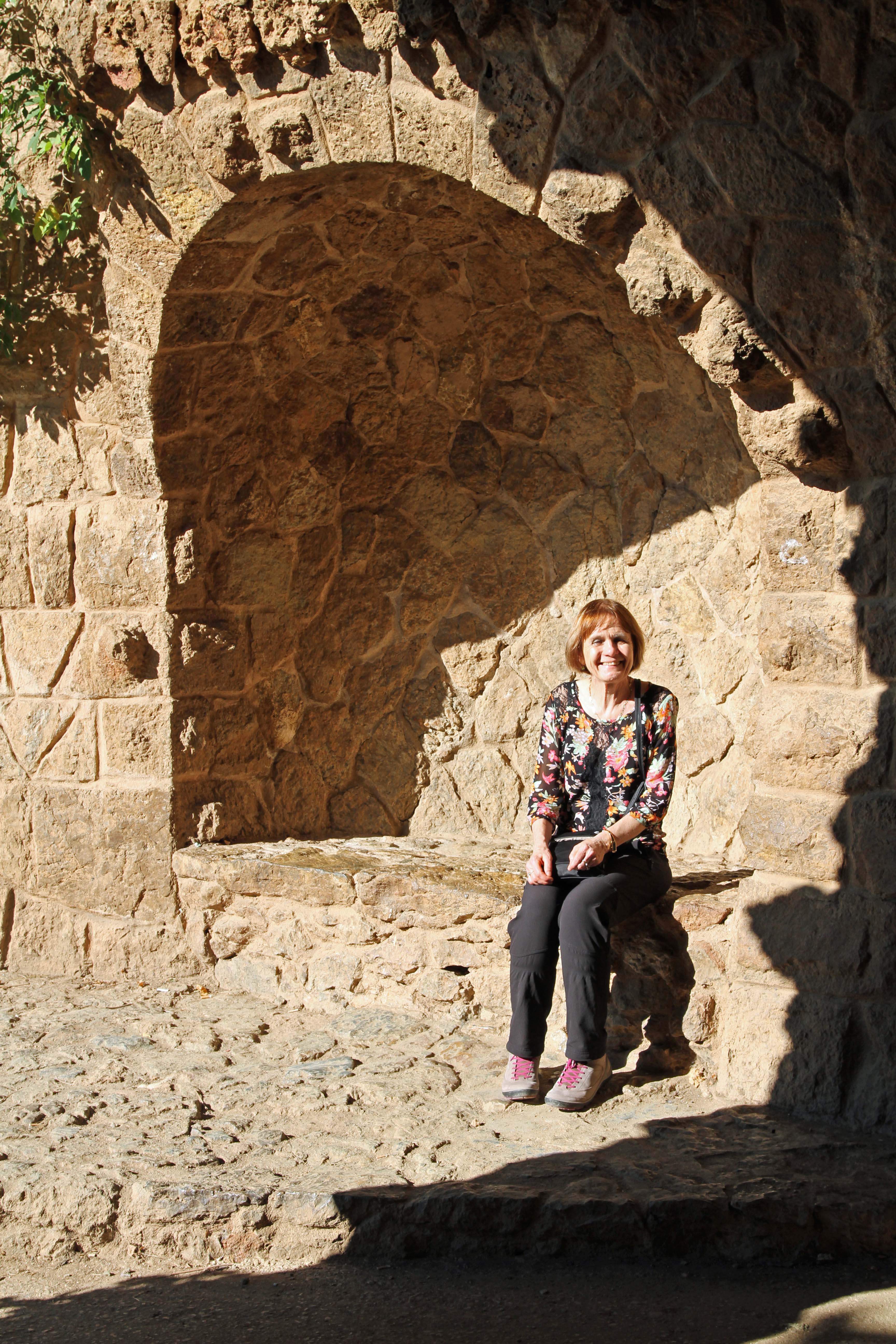
Park Güell: tourist
Sheepless in Seattle

A view of Seattle
Last week I went to Seattle (on business, though it was very pleasurable) and my husband headed for Lancashire to help Priscilla and Rupert with this year’s crop of lambs, courtesy of Terence the Tup. My one regret was that I had to miss the lambs: Terence has performed particularly spectacularly this time: three of his six ladies have produced two sets of triplets and a set of quads (this, apparently, a one-in-ten-thousand eventuality). There are now thirteen lambs and still counting!
However, Seattle was wonderful. Geographically, it’s unique: an isthmus almost surrounded by sea, lake and tidal rivers. This, the proximity of mountains and the Pacific Ocean serve to make the climate fretful: although it’s mild, each day, I found, brings a series of sunshine and showers, the latter often lasting only a few minutes, but fierce until they peter out. The product: beautiful skyscapes, cloud dotted with mini rainbows to create a sort of celestial rocky road.

Seattle in the rain
Sunday was my only free day. Following the advice of almost everyone, from business acquaintances to the man who sat next to me on the plane to various taxi drivers, I chose to spend most of it at Pike Market.

Built in 1907, this was originally called the ‘hygienic’ market, because horses (and therefore their droppings) were banned. Architecturally, it hasn’t changed much since then. It is a warren of twisting corridors, some ending unexpectedly with huge plate glass windows that provide viewing areas across the water.
The fresh fish stands grab the visitor’s attention first: they’re dramatic, piled high with lobsters, deep sea creatures such as octopi, and the sockeye salmon for which the region is famous.


Further into the market, there are many stalls selling what look like perfect fruit and vegetables and others with more exotic foods such as buffalo. There are vendors of local wines, honey and flowers and also quite a few ‘ordinary’ shops – I discovered a couple of booksellers – and, finally, the craft stalls. The artisanal goods were of exceptional quality, as the pictures illustrate (I bought some presents at these, so won’t describe them in detail).
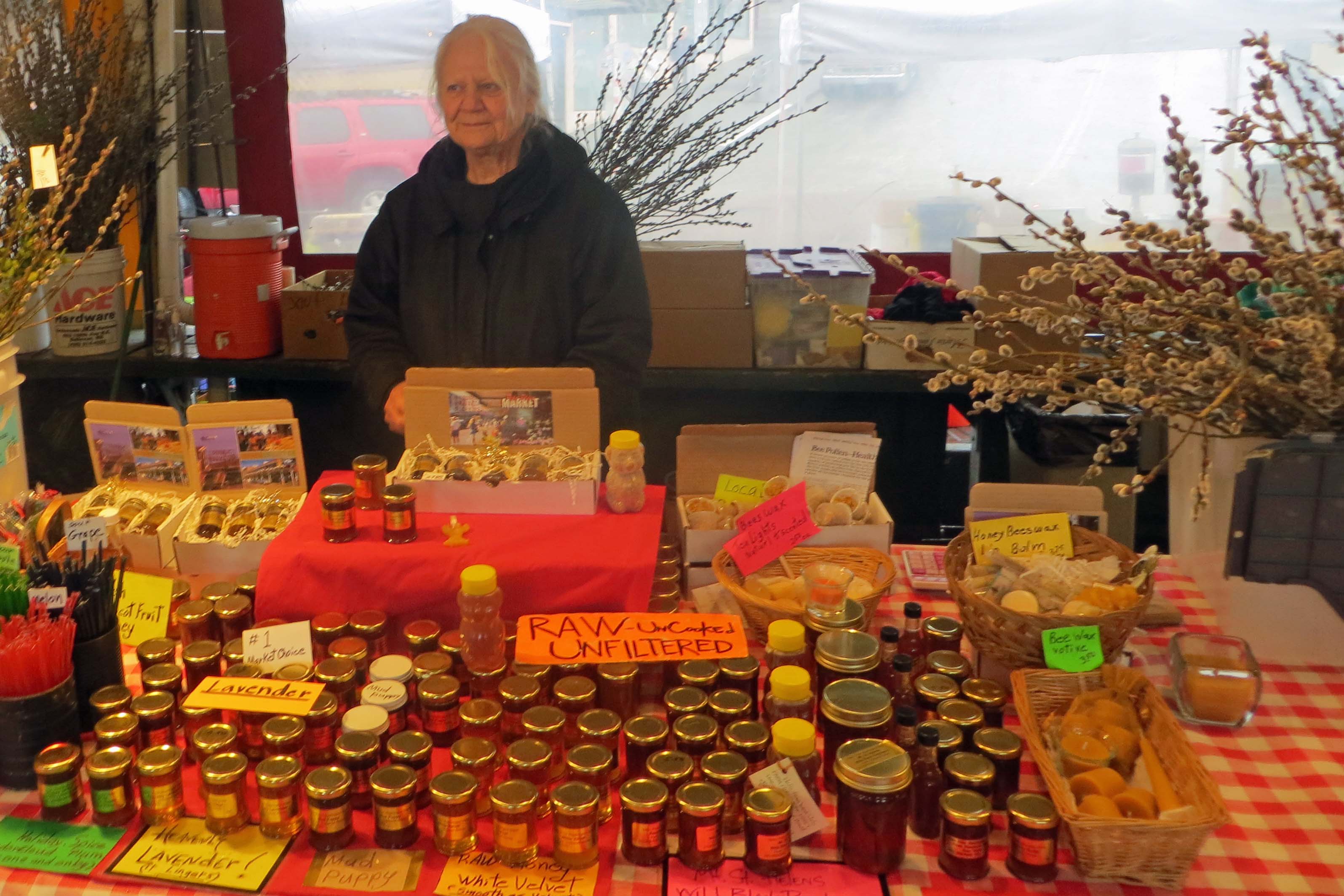

All the shopkeepers and stall holders were friendly, giving me and other prospective customers the history of how they came to be there, what their goods were made of, how they made them, and, if they were comestibles, providing samples.

In the heart of the market


Seattle sense of humour
I spent most of the day in the market, but I did manage to see a little of the rest of Seattle, too, particularly the student area where my hotel was situated. I was very impressed with the university bookshop, which was sprawling and well-stocked with titles that catered for the local residents as well as students. It also had some very helpful and knowledgeable assistants. Indeed, all of the three bookshops I visited – the two in the market, one bijou, the other quirky, and the university one, which was on a different scale – were independents. Tom Hanks may have put Meg Ryan out of business with his juggernaut bookselling chain, but clearly some independent bookshops still flourish in Seattle!
On a darker note, I was saddened to see the evidence of drug addiction on Seattle’s streets. There was a young man in a filthy sleeping bag lying in one doorway of the large American Apparel shop near the university; another addict, obviously still high, accosted me and my colleagues to ask for a dollar when we left a restaurant on Monday evening. I read in the local paper that there are twice as many people being treated for heroin addiction as alcoholism in Seattle. No different from what can be seen in Britain’s big cities, particularly London, I suppose; what was different was that local people seemed to tolerate it much more. The American Apparel shop assistants, for example, did not try to move on the man in the sleeping bag.

Local law enforcement
Although Seattle is a wealthy city, deriving much of its prosperity from trade with Asia, I also saw evidence of poverty. The post office in the student quarter is a drab and cavernous building, and was staffed only by two exhausted-looking clerks, one male, one female, when I visited to buy stamps. Despite being overworked, they were both gentle and patient with their clients, none of whom appeared to be students and all of very modest means. The man spent a long time helping an old lady to send a parcel; the woman was explaining how to fill in a form to a middle-aged man who had learning difficulties. It struck me that they were serving the community in much the same way that public librarians do in the UK. They were kind – and I saw (and experienced) a great deal of kindness in Seattle.
I’ve given some impressions of Seattle: I’ve no idea what Seattle thought of me. In the market, I think I was probably a bit of a curiosity: several stall holders asked me where I came from. I told a man selling shopping bags, who was so deeply engrossed in a science fiction novel that I had to ask him three times to serve me, that I was a crime writer; he said that was cool, and asked me to sign his SF book, which I duly did, although of course having no right to do so! At the airport when I arrived, the immigration official, who was rather too chatty for me after a fifteen-hour journey, said “Gee, you sound really well-educated!” “Not really,” I answered. “It’s the accent. I’m just British.”
I left Seattle after a visit of only four days, determined to return and spend more time there. Then it was home to more work, bitterly cold winds and some equally exotic tales of sheep!

A couple of Terence’s quads
In quest of the soul of South Korea
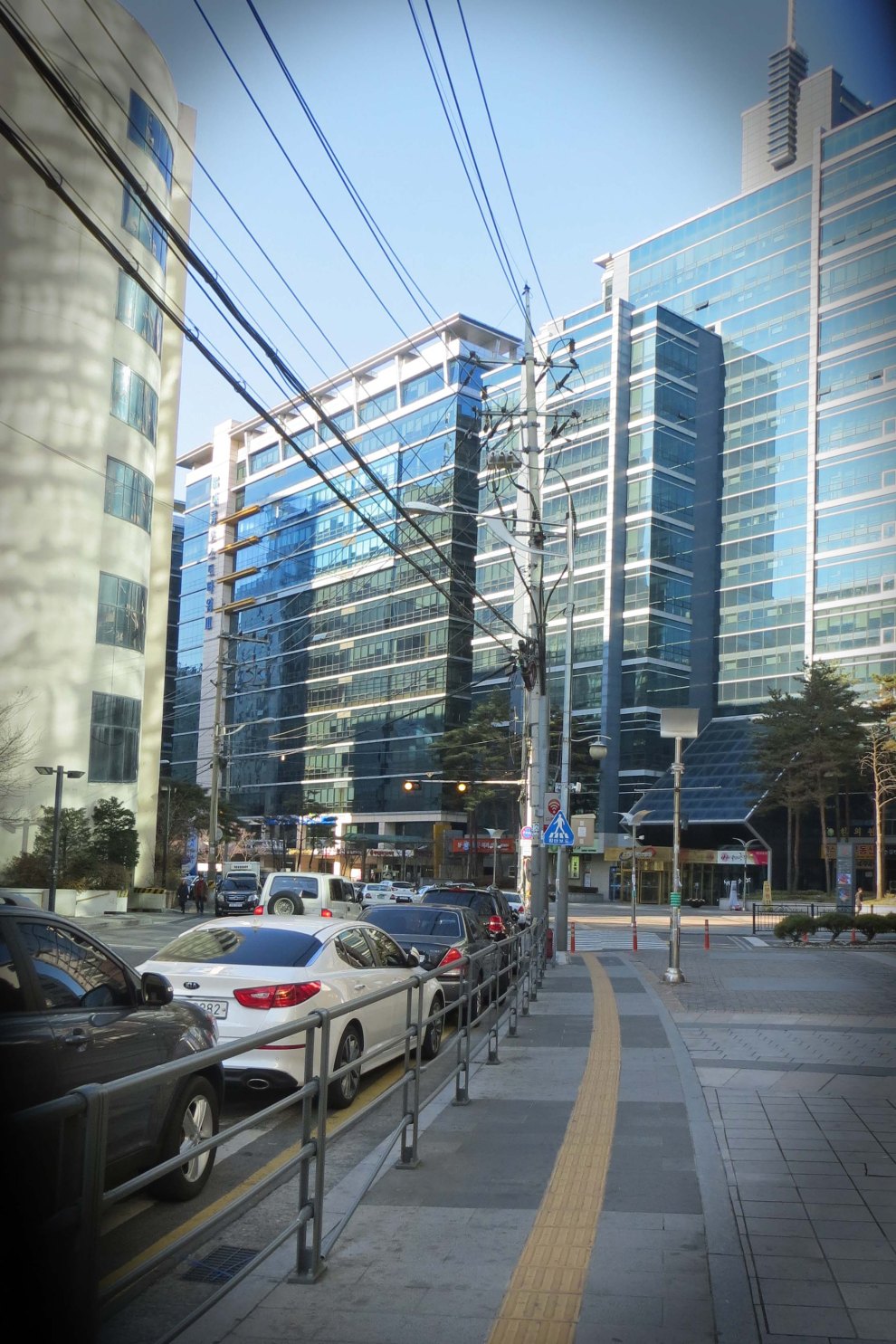
Last week, the day job took me to Seoul, the capital of South Korea. I didn’t have very much time to explore this city, as, for family reasons, I had to cut my visit as short as possible. These impressions are therefore based on two walks that I made within about a one-mile radius from my hotel, my visit to the (amazing) library at Seoul National University, several evening trips to restaurants and what I could see from two one-hour taxi rides.

Seoul is a massive, sprawling city set within a giant curve of the Han River. If you land at Incheon Airport, the city appears to be ahead to the east and to your left. Gradually, the road sweeps round until you hit the city centre quite suddenly. There is a lot of traffic, with bottlenecks and impatient queues clogging the arterial roads at either end of the day.
The city centre had a slightly odd look when I was there, because many shops and hotels had removed only some of their Christmas decorations. Many still sported Christmas trees (the ones at my hotel were adorned with little placards announcing ‘Danger of Electric Shock’). I’ve no idea why Christmas disappears from Seoul in stages in this way; my Asian colleagues were equally baffled.
Although there are many cars, the streets teem with pedestrians. On the Sunday afternoon, many young people, in particular, were out walking, muffled against the cold (it varied from -1 to -10 degrees) in thick padded clothes. What immediately struck me as a Western observer was how the young women continually try to please their male partners, laughing up into their faces when the latter make jokes and hanging on to their arms as if unable to support themselves. To me, it seemed as if there was something formal, almost ritualistic, about this behaviour. It didn’t appear to be spontaneous.
The crowds on weekdays are quite different. They stream purposefully along the pavements, obviously on their way to work. The main streets are broad, often with traffic islands in the middle. ‘Jay walking’ is strictly not allowed: there are notices banning it. Just a few yards down from my hotel, a policeman with a whistle was stationed near a spot where the pavement narrowed each morning. He blew his whistle and waved a kind of luminous wand (reminiscent of a battery-powered Darth Vader light sabre that my son owned as a child) if anyone stepped off it in an attempt to circumnavigate the throng. In the evening, you see the people surging forth again, sometimes stopping at one of the many street food stands that occupy the lanes and alleys branching off from the main thoroughfares. Some of these alleys and passageways are decorated with murals that celebrate Korea’s ancient past.
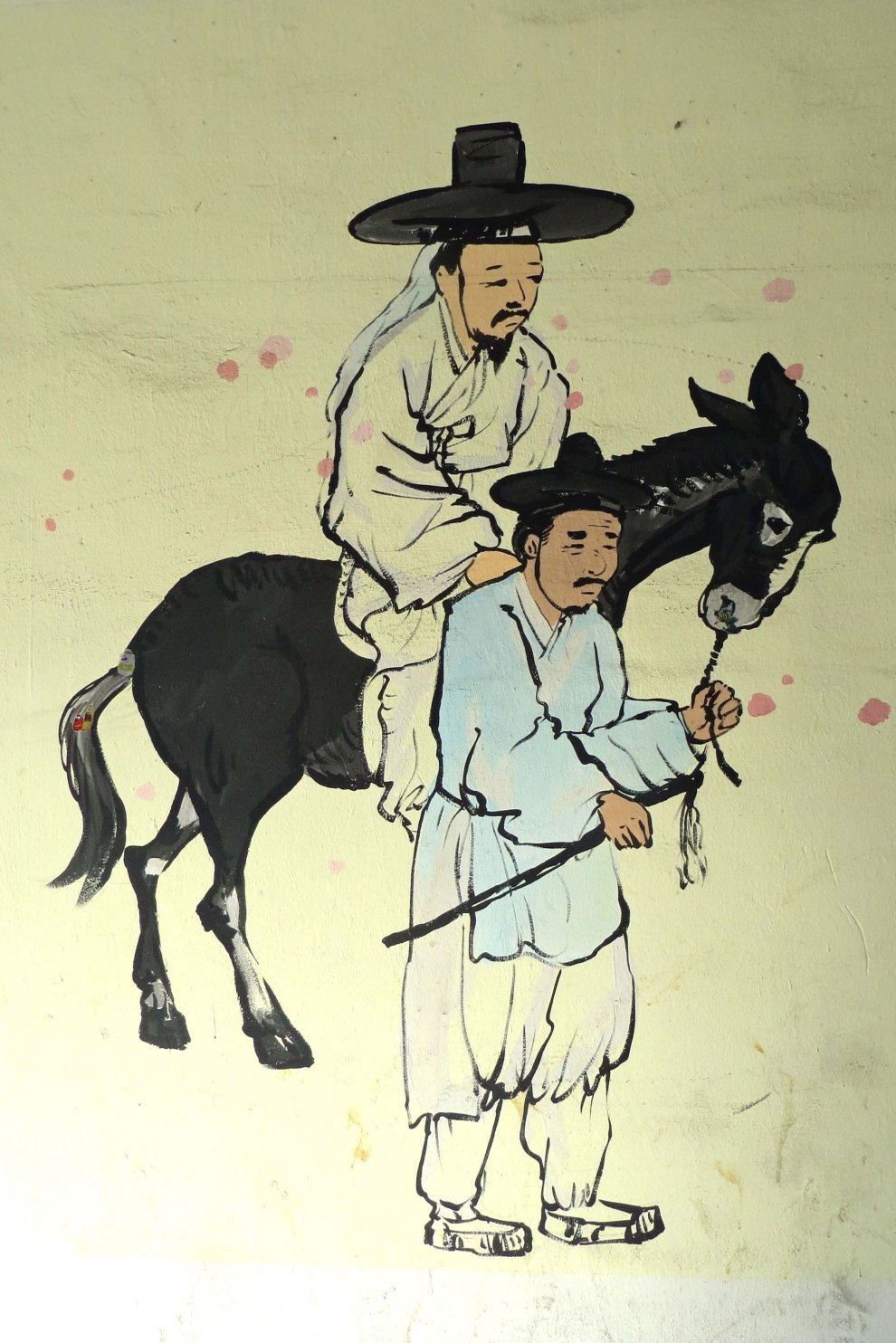

Food seems to be the national passion. In the network of streets and alleys that I explored, almost every business was a restaurant, café or bar. Some have fish tanks standing in the street outside, from which you can choose the fish you fancy for dinner. (I assume that, once they’re removed from the tank, they’re taken out of sight to be dispatched.)

As well as these individual premises, there are whole malls devoted to every type of cuisine – in addition to Korean restaurants, there are Japanese sushi bars, Italian pizzeria, Swiss chocolate houses, and even an approximation of a British pub, sporting the sign ‘HAND COOKED DINING PUB’ – though, as I found when my hosts took me to an Italian restaurant, most practise ‘fusion’ cookery.

Whether you order a pizza, spaghetti, pie and peas or a hot chocolate, you’re likely to be offered a dish that, although it resembles its national original, is also redolent of Korean herbs and spices. My favourite restaurant, which I visited on my last evening, was a Korean B-B-Q restaurant. (This is how it is always spelt: these restaurants appear to be nationally celebrated.) It had charcoal braziers set into the tables. Patrons order raw meat from a selection on the menu (my own party chose a mixture of beef and pork), together with a range of salad and sauce accompaniments, and cook their own food. The main course was followed by two kinds of soup, one meat and vegetable based, one fish and seafood based, both very spicy. Koreans usually drink beer with this kind of meal, though there was also a strong white wine on offer (you drink it in sherry-type glasses, in very small quantities, and it tastes a bit like saké).
What else do Koreans like besides food? I was keen to find out so that I could buy presents, but even Koreans were at a loss to tell me. I discovered that Korea is home to a renowned type of ginseng and very good for silk ties. There are whole shops devoted to candles (though, on closer inspection, I found that the candles are imports from New York and Paris) and chemists’ shops, often selling vast ranges of foreign make-up, are popular. Otherwise, the main passions do indeed seem to be food and drink. This impression was borne out by the wares at the airport shops, where I saw very little on display except extensive pyramids of food and alcohol and an impressive range of electronic products. I couldn’t even find postcards, either at the airport or anywhere else.
Would I like to return? As I said at the beginning, my stay was very short and I can’t claim to have formed an accurate opinion of Seoul. I certainly liked the people: they were courteous and fun-loving, hard-working but not over-serious: I’d like to go back to become better acquainted with some of them. But I didn’t find Seoul itself as interesting as some of the other Asian cities I’ve visited. I’d be very happy, though, to be told that I’ve completely missed the point.


Participation? Always, at Wakefield One!

Monday was a horrible day in West Yorkshire. Torrential rain and high winds were battering the city when I arrived at Wakefield One for my afternoon of reading and discussion with some of the lovely members of the reading groups run by Alison Cassels. My husband dropped me off opposite the library complex and I got soaked – and nearly blown away – just crossing the road.
Nevertheless, I felt both philosophical and optimistic. As I’ve already noted, every event for The Crossing so far has taken place when the weather outside has been appalling, and every one has been a success. I knew that the gallant and stalwart members of the Wakefield reading groups would not let me down by preferring their firesides to the library.
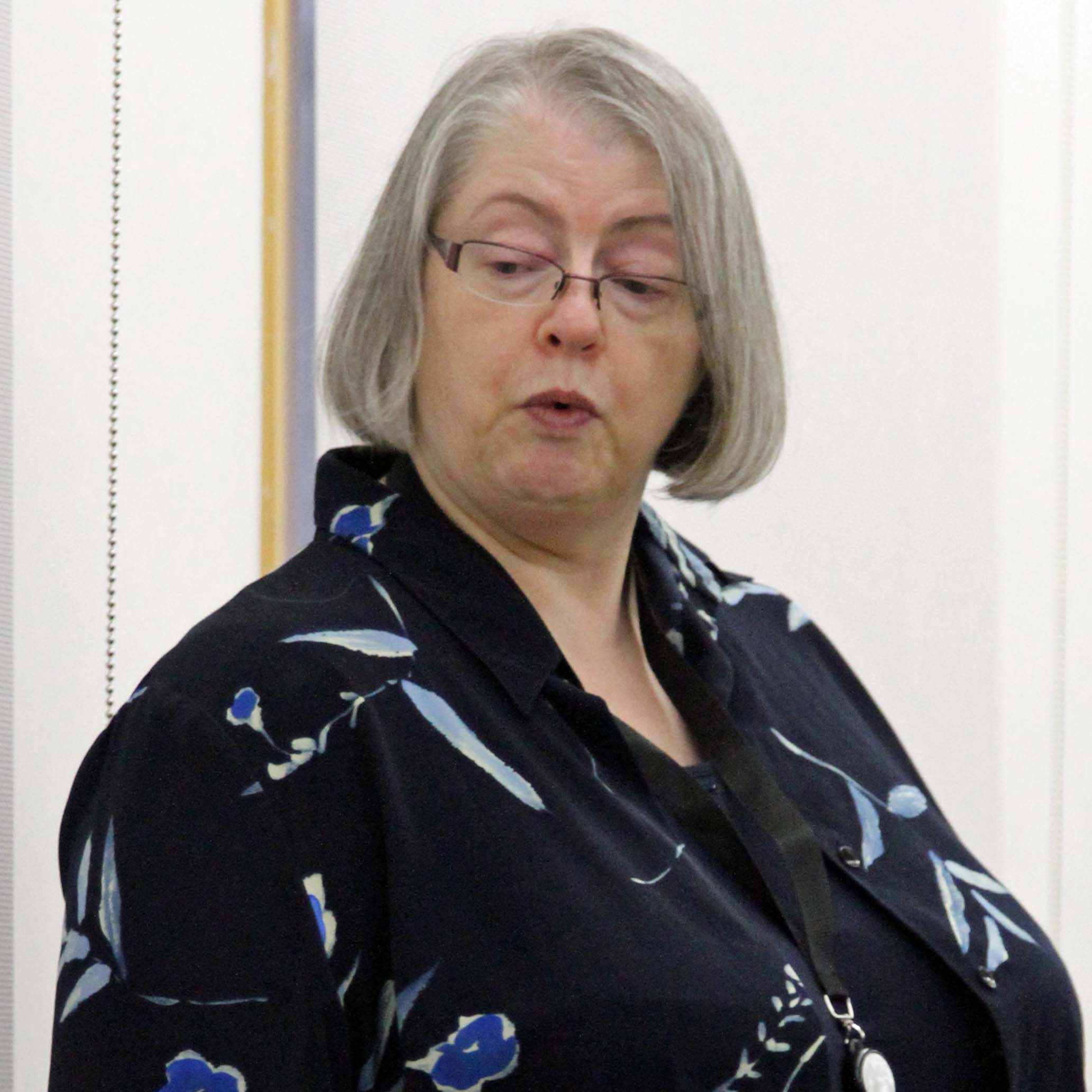
Alison, as impeccable in the welcome as in the organisation!
Reader, I was not wrong! An extremely lively audience arrived punctually, some having regaled themselves with hot soup in the café to start with, and we all enjoyed a couple of hours of reading, writing and sleuthing, handsomely fortified by the Christmas cake, mince pies and stollen and tea and coffee supplied as generously and thoughtfully as usual by Alison and Lynn.
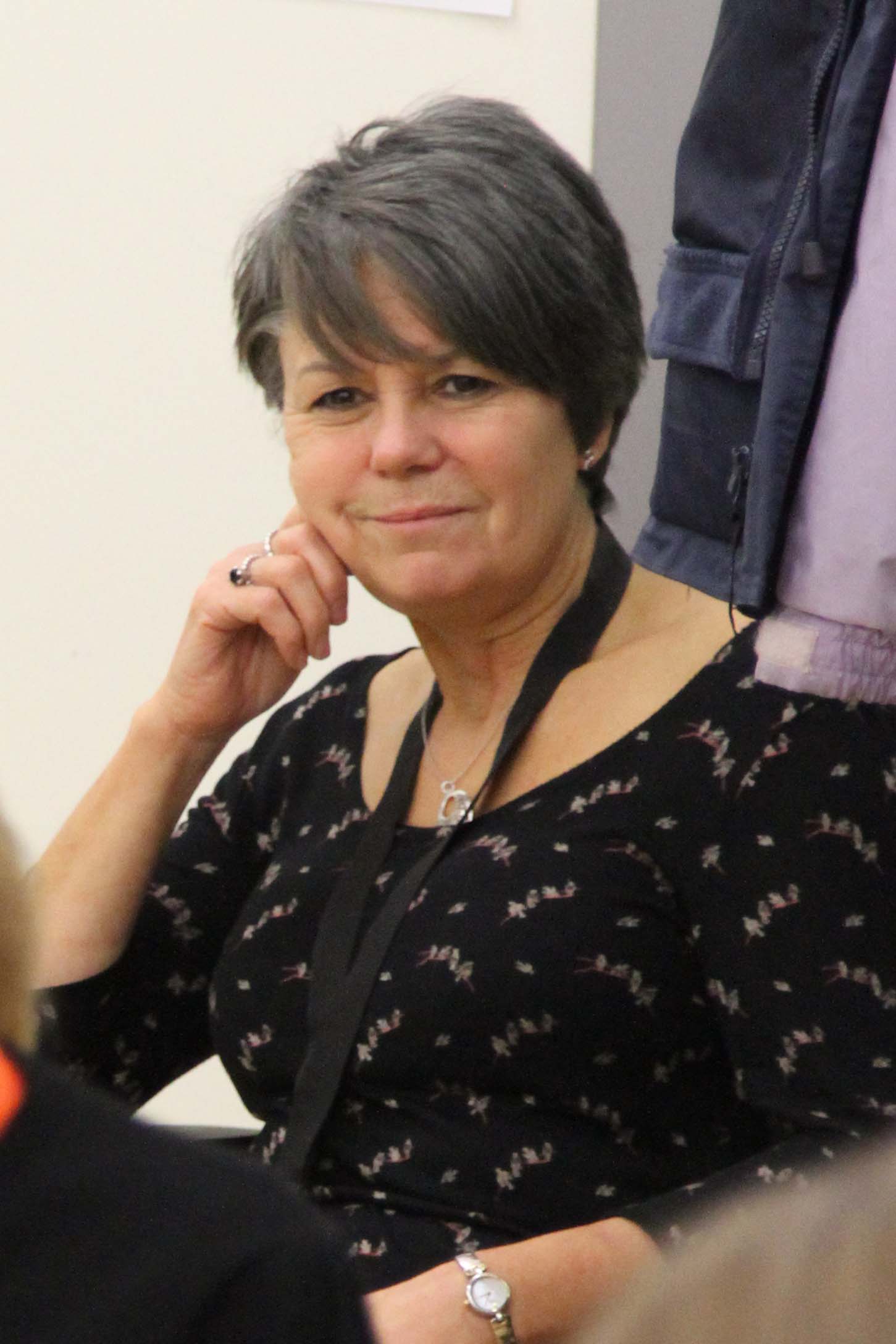
Lynn, quietly making it all happen (and she tweets!)
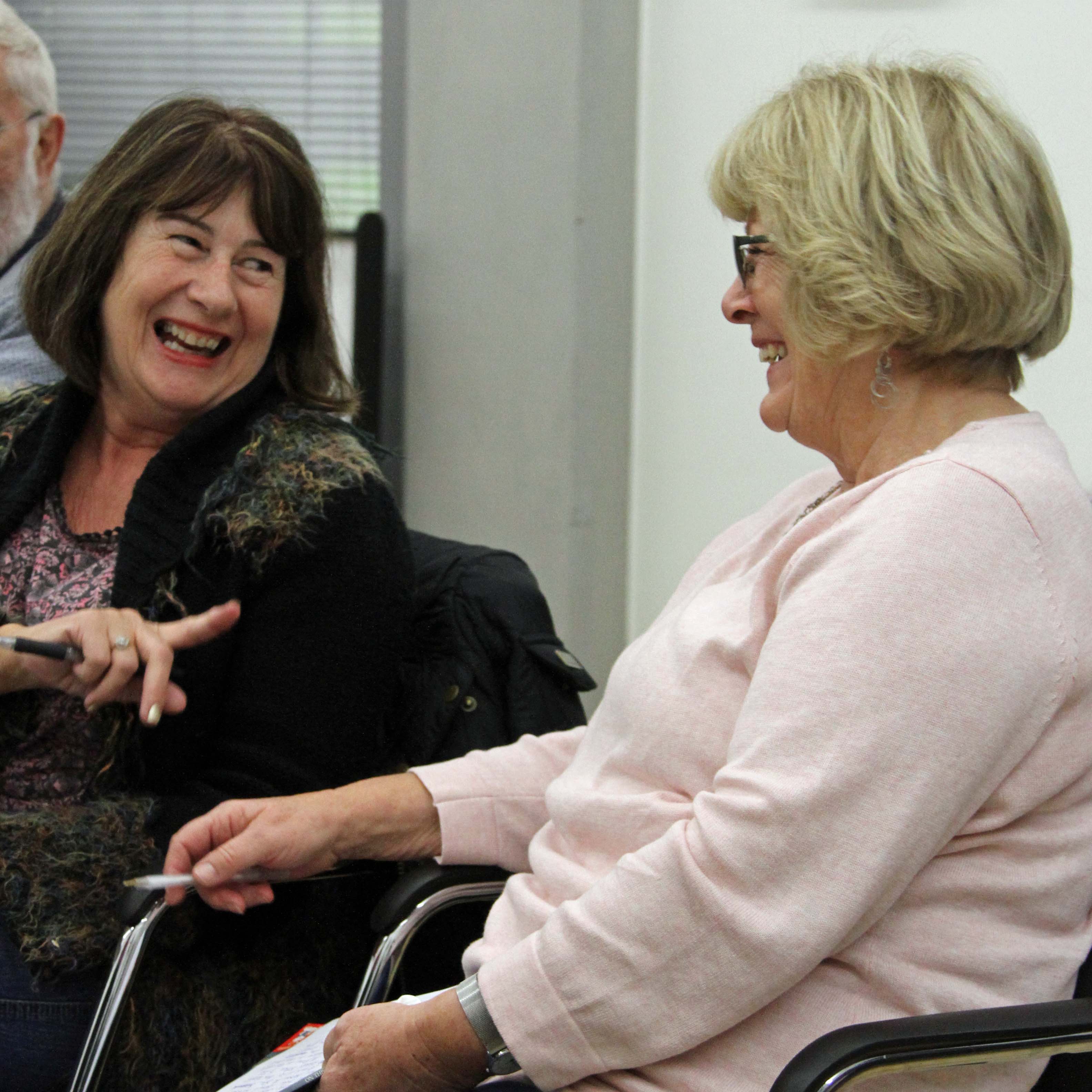
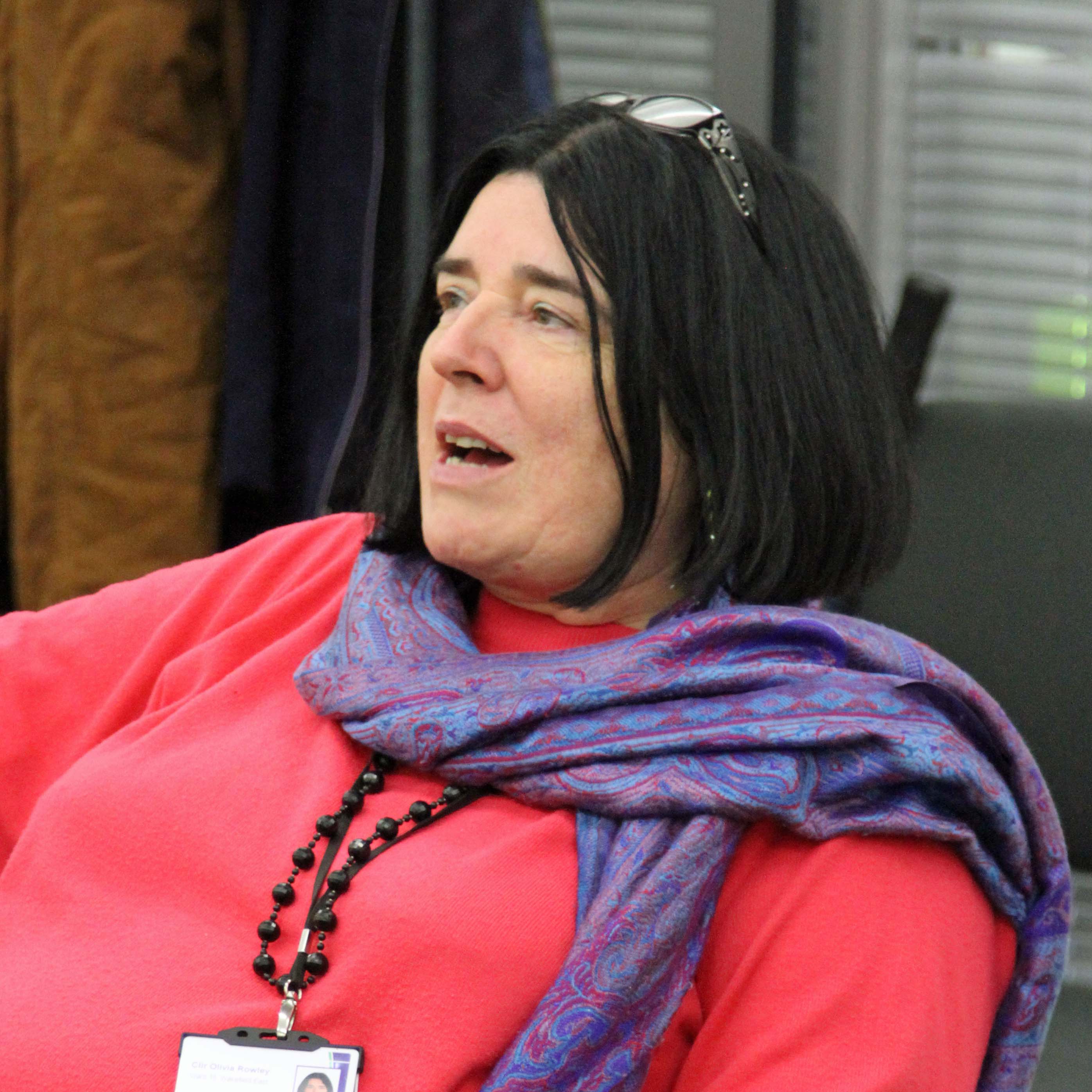
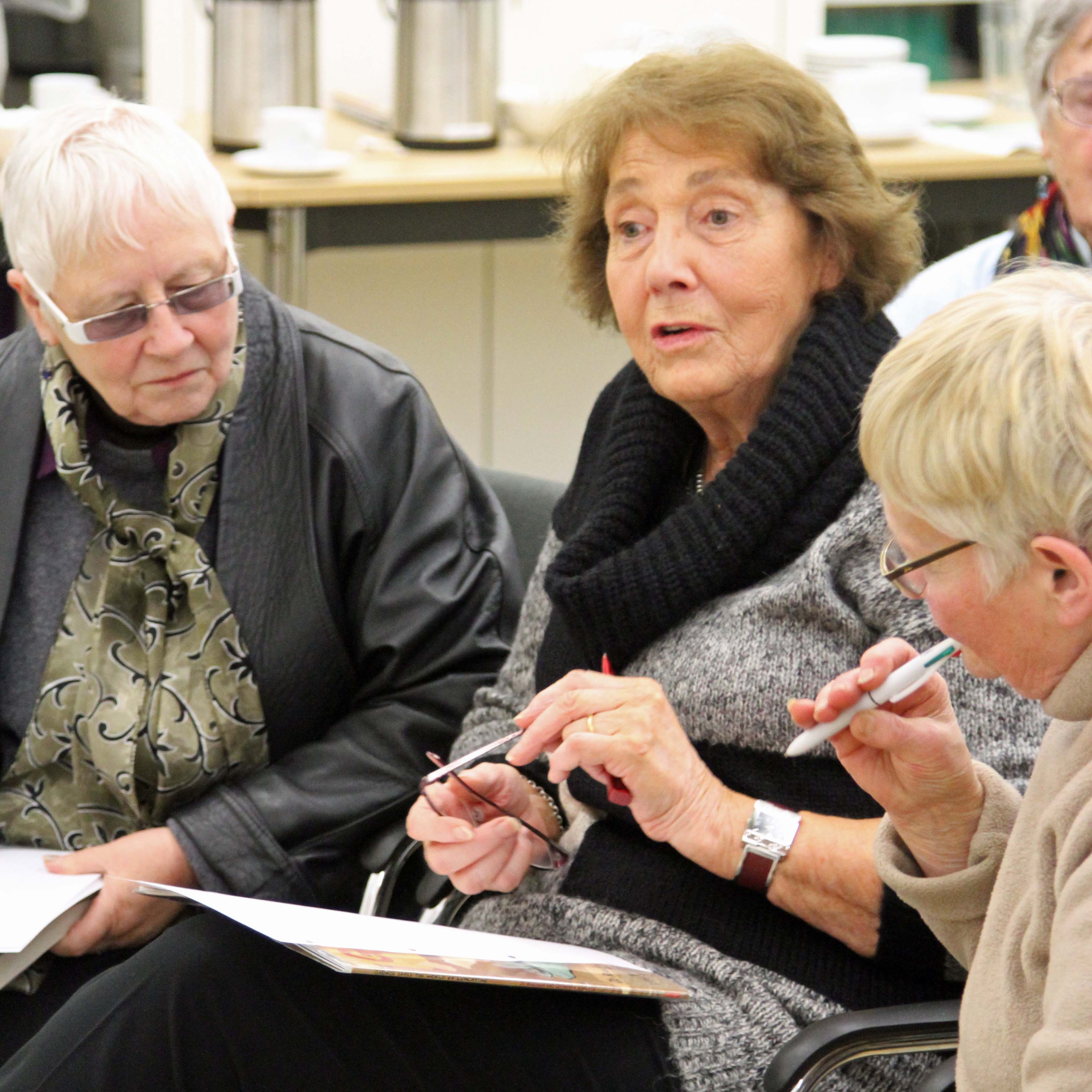
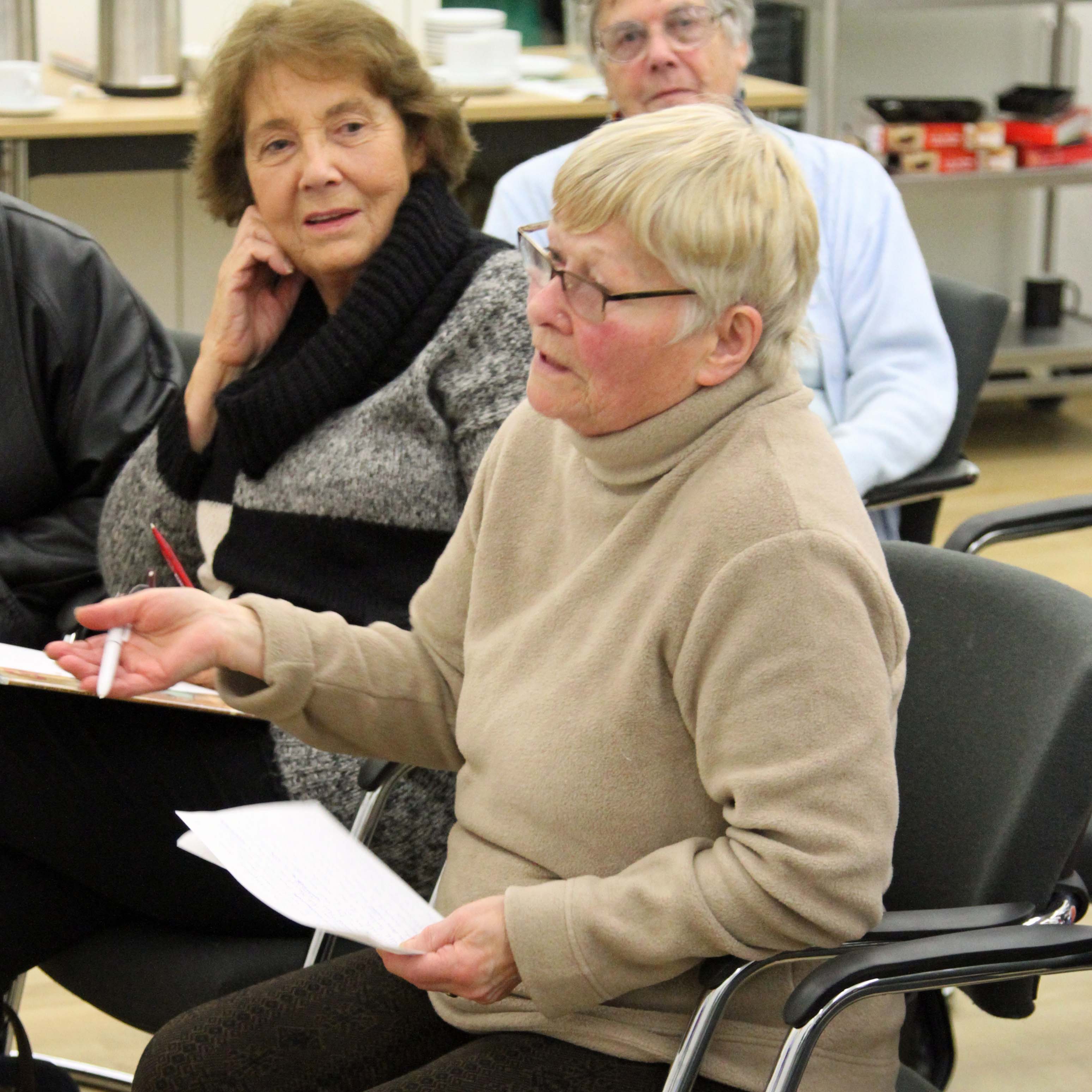
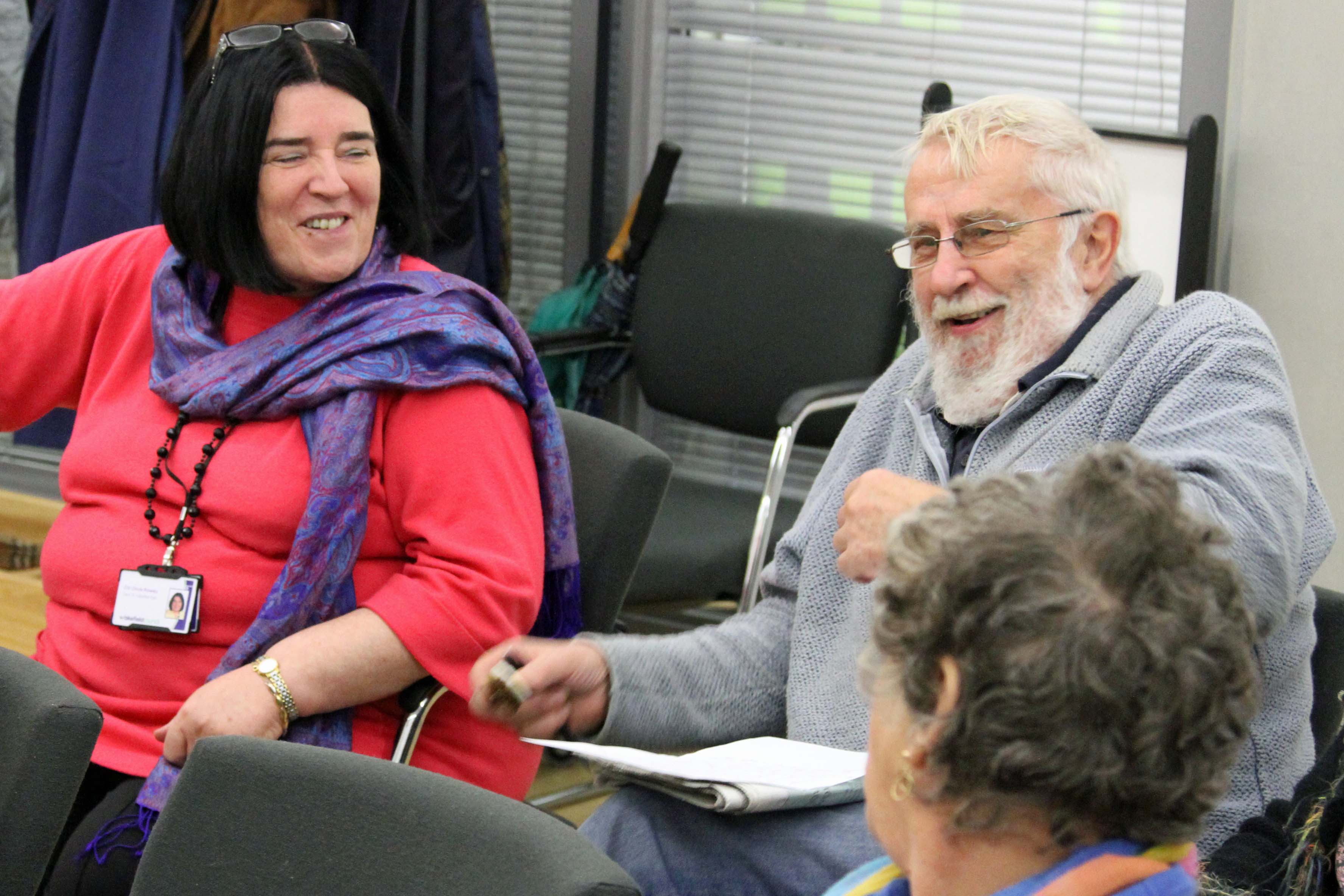
After listening to and providing feedback on the readings as only Wakefield audiences know how to do, when invited to take inspiration from the first chapter of The Crossing, each of the group members wrote a short sketch of an event that had happened to them and had stayed with them vividly, one that might be used as the opening scene of a novel. I hope the photographs capture the lively and committed participation that has come to be the hallmark of Wakefield One events: some read their own sketches, others asked their immediate neighbour to read for them. Everyone was spellbound by what was on offer. The accounts were fascinating and included bell-ringing for the first time and soaring unintentionally upwards on the rope, riding to London on The Flying Scotsman, walking to school through the snow in the Arctic winter of 1947 and the tale of how an uncle had pawned his wife’s hard-saved-for furniture to buy a red sports car. Novels in the making, every one – and the quality of the writing was of a very high standard.
The afternoon was rounded off by a quiz prepared by Alison. She’d found the photographs of twenty famous crime writers and asked the group to put names to them while I signed some books. It was a brilliant idea, and quite a hard task: no-one got more than half of the answers correct. (I’m going to ask Alison if she’ll let me have the quiz to post on this blog, as I’m sure some of my readers will enjoy it, too!).
The time slid away very rapidly. Braced by a final cup of tea, we ventured out into the cold again before we were trapped by the notorious end-of-day Wakefield traffic bottlenecks. I’d like to thank everyone who took part: the reading group members for giving me so much support (as they always do; it was also good to see several new faces this time), Alison and Lynn for arranging it all so impeccably, the Wakefield Libraries tweeter who, together with them, ensured that the event gained plenty of publicity, and Richard Knowles of Rickaro Books for supplying copies of The Crossing for sale. I hope to see you all again soon!




The Crossing at Stamford

Stamford in Lincolnshire bestrides the River Welland (which also flows through the Spalding of the DI Yates books) and marks the ancient ford across the river where the Romans chose to route Ermine Street on its way north. Going there to sign copies of The Crossing, the fourth DI Yates book, seemed very appropriate!
It seems to be a continuing theme of The Crossing events that they are fated to happen in extreme weather. Harlow Carr was squally, Spalding was tempestuous and yesterday Stamford was bitterly cold! The cold hit me as soon as I got up yesterday morning. Venturing out with the dog before dawn, I noticed that a clutch of flowerpots outside the back door seemed to have sprouted a mysterious white substance. Closer inspection revealed it to be snow. Once clear of the parking area in front of my house (treacherous with black ice), I saw that all the rooftops and hedgerows in the village were twinkling with crisp snow.
It’s a two-hour drive to Stamford and, although my husband and I were heading due south, it seemed to get colder as the sun rose higher in the sky. Stamford itself was in the grip of a vicious north wind which, the weather forecast informed us, was blowing straight down from the Arctic. It didn’t seem to deter the citizens of the town: wrapped up in thick coats, hats and scarves, all seemed to be going about their business cheerfully. The Christmas decorations had been put up, most of the shop windows now carried Christmas displays and the cold served only to make the atmosphere more festive.
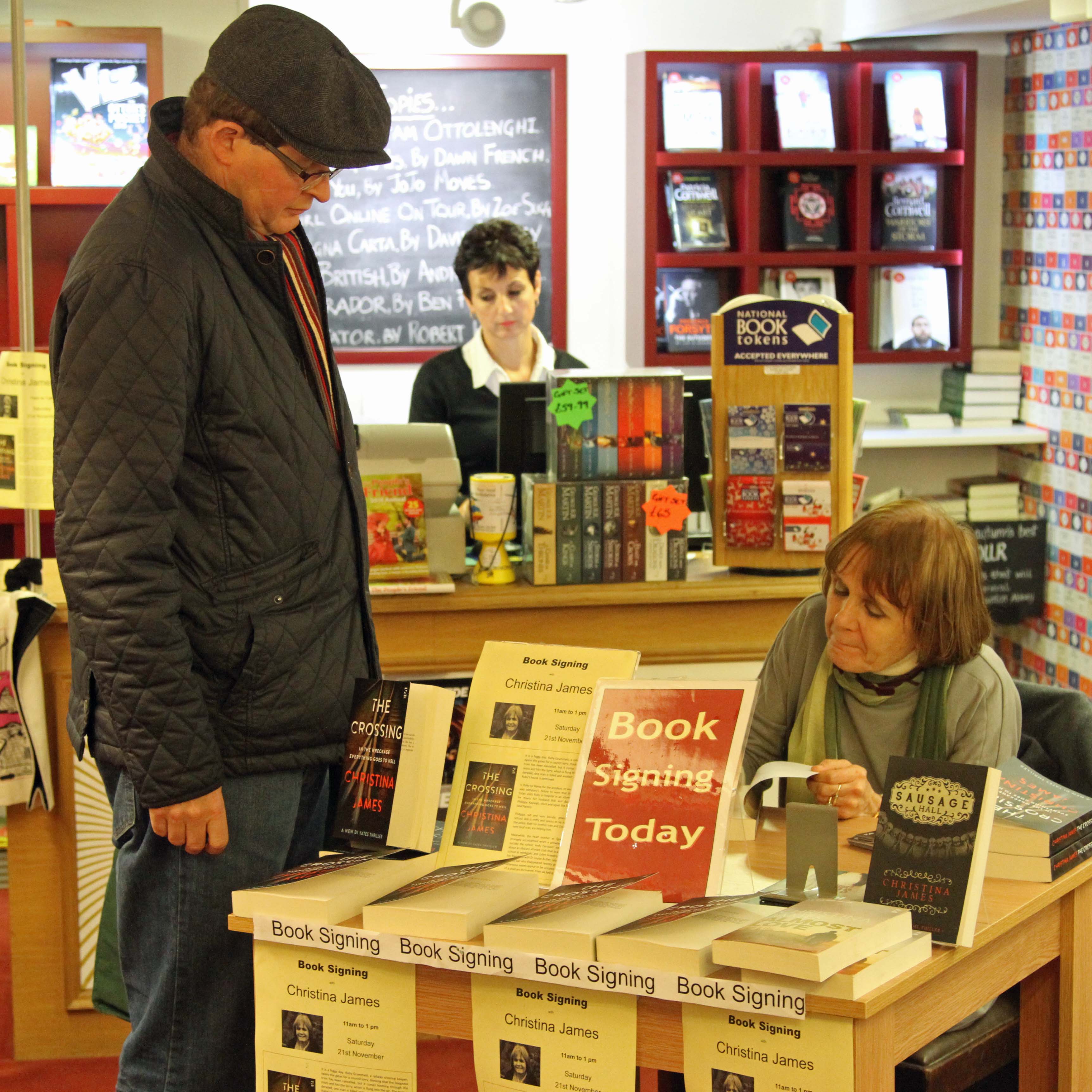
My destination, Walker’s Bookshop in the town centre, was as warm and welcoming as always. Its Christmas stock had been laid out beautifully and customers came, sometimes in droves, sometimes in flurries, to admire it and to browse and buy. I’d been allocated a table near to the cash desk to sign copies of The Crossing and we did a brisk trade throughout my allotted time there.

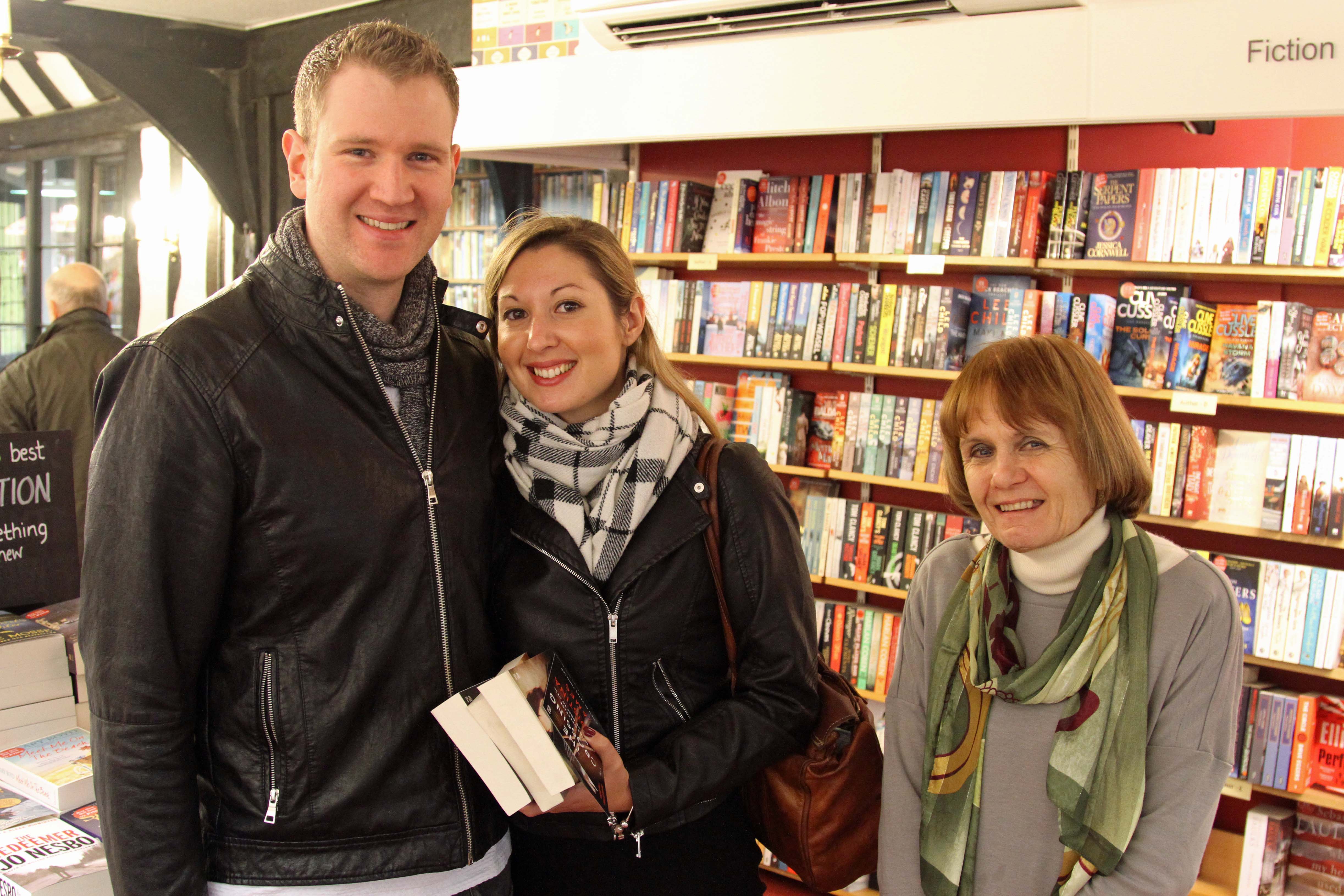
I’d like to thank both the people of Stamford and the several visitors to the town whom I met not only for buying the book, but also for the fascinating conversations in which we engaged throughout the day. There was the lady whose father had owned some of the gravel pits that I write about in Almost Love. She told me that when she was a child they’d found many things in the pits, including a mammoth’s tooth (I mention the mammoth’s remains in the book), a pewter salver and several skeletons, some of which had been buried face down, perhaps because they belonged to murderers or suicides. The artefacts had all been given to a local museum, but the bones were removed by police who ‘just put them into bags and carted them away. It was the sixties and seventies. They didn’t bother to reinter them or find out how old they were.’ Shades of Sausage Hall! It is tantalising to think that some may have been the result of more recent murders: if so, the murderer(s) got off scot free! There was another lady from Cornwall who said her neighbour was Dawn French. She asked me about my writing routine. I said that although most of my writing is done in my office, I can also write on trains and in cafes. Dawn, apparently, must have absolute solitude and silence when she writes. Several men made purchases: they tended to be more interested in the series and how the novels relate to each other than more general information about the South Lincolnshire setting or how they came to be written. People of all ages stopped to talk to me. My youngest buyer was still at school. I was delighted that so many young people were interested, including a young woman who would have bought the whole set if we hadn’t run out of Sausage Hall and said, while buying the other three, that she’d order it. Some old friends also made the considerable journey from Nottingham to give their support.
The time flew by, as it always does for me when I’m in a bookshop. I had a truly wonderful day. I’d like to thank Tim Walker and Jenny Pugh for arranging the signing session and Mandy and Karen for looking after me so brilliantly while I was in the shop. It’s a very distinguished bookshop indeed and well worth the short detour off the A1 if you happen to be passing that way.
On the way home, it didn’t seem so cold, but perhaps that was just because I was enveloped in the rosy glow of having been able to meet so many new enthusiasts.
Forget the storm – the welcome in Bookmark is beautifully warm!

A warm welcome from Christine Hanson, owner of Bookmark
The Crossing seems fated to attract stormy weather! Recently, I described travelling through squalls and heavy rain to reach the pre-launch event at Harlow Carr. Yesterday, the day of the launch proper, a dual event organised by Bookmark in Spalding (Christine and Sam were wonderful as always!) dawned bright and clear, but by the time I’d arrived in Spalding it was starting to rain. The showers rapidly exploded into a torrential downpour which deterred all but the most stalwart shoppers, even though it was market day. By the evening, the rain had slackened but been replaced by gale force winds.
The day-time signing session had been as successful as possible under the circumstances. I enjoyed talking to some interesting people and was fascinated by what they had to say, but I was very nervous about the evening event. Though I knew the shop had sold a lot of tickets, I doubted that many members of my audience would want to venture out. Some, I knew, would have to travel quite a distance to get there.
Inexcusably, considering my antecedents, I had reckoned without the influence of true Lincolnshire grit! Everyone who had bought a ticket showed up, and there were a few on-spec visitors as well. No-one even bothered to mention the weather. The audience was among the best I have ever had: lively, engaged, perceptive and eloquent. Several of them had already bought The Crossing, even though it was first displayed in the shop only on Monday, and many more bought it at the event (and some of my other books, as well). I was impressed by the stamina shown by Peter, a member of Bookmark’s flourishing book club, who had sat down to read The Crossing solidly all day, finally finishing it a couple of hours before the event, so that he could talk about it.

Peter, having read The Crossing in a day!
I was both delighted and grateful to learn that the book club has chosen The Crossing as its next title, apparently the second time it has opted for a DI Yates novel.

A couple of readings
I told them a bit about how I’d come to write the book, especially the real-life event on which the opening chapter is based.

Background to the story of the first chapter
I think I’ve already mentioned it on this blog, but, for new visitors, here are a few details: When my great aunt was the crossing-keeper at a remote hamlet called Sutterton Dowdyke, there was a terrible railway accident. The Peterborough to Skegness train, in heavy fog, ploughed into a lorry standing on the crossing, derailing some of the carriages, which crashed into my great aunt’s tied lodge-house and turned it round on its foundations. She was physically unhurt, but her mind was affected for the rest of her life. In the novel, the accident is the catalyst for the whole chain of events that follows. A strong theme throughout is imprisonment and how a person’s character is affected when completely subjugated to someone else’s will: what integrity compromises must such a prisoner be obliged to make in order to survive?


The Bookmark audience and I talked about this. We also discussed memory, place, old Spalding, what sort of research I carry out when writing the books, books in prisons, other books we like to read and the relationship between fact, memory and fiction. We concluded by discussing significant events in their lives that perhaps they’d like to write about.
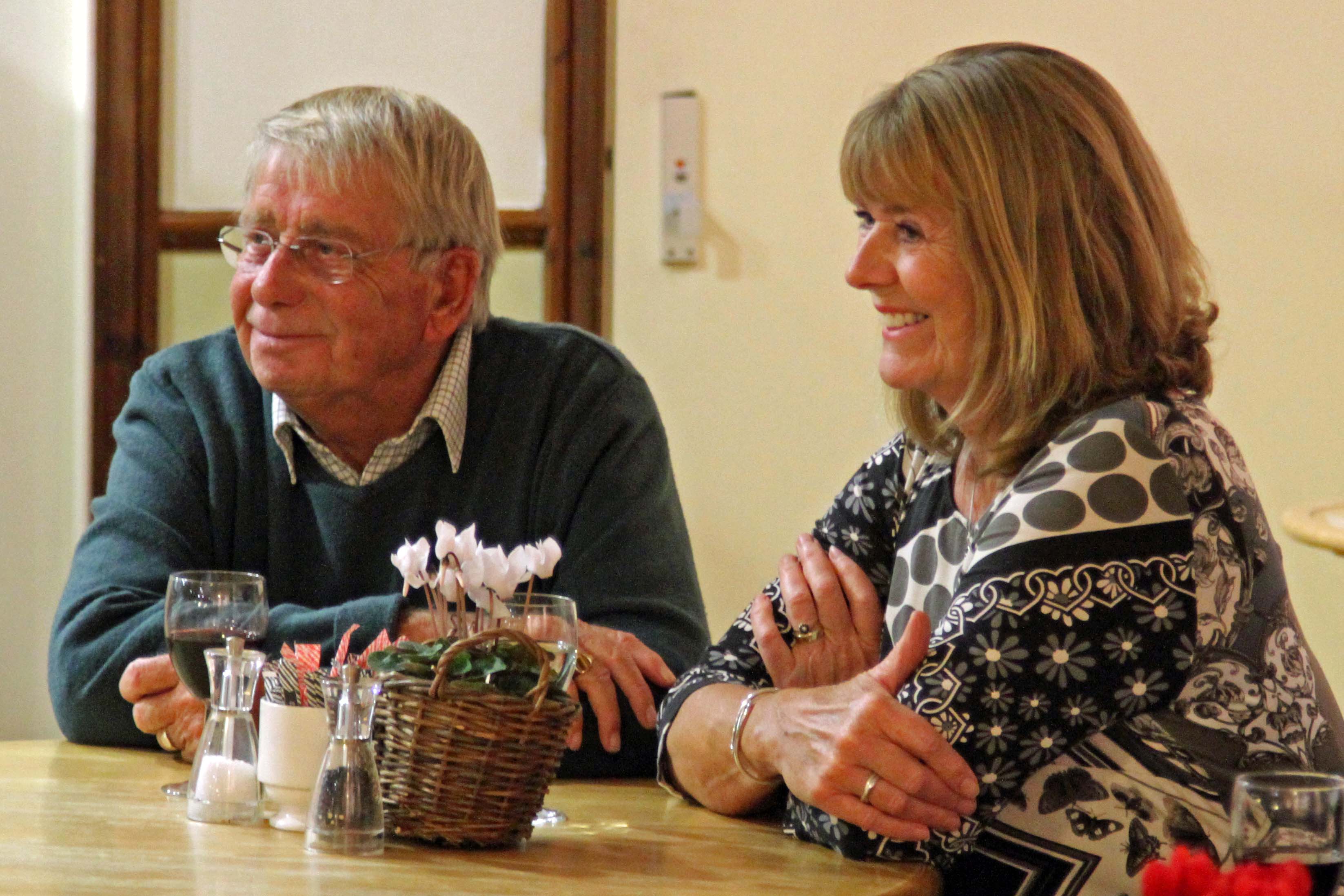

add

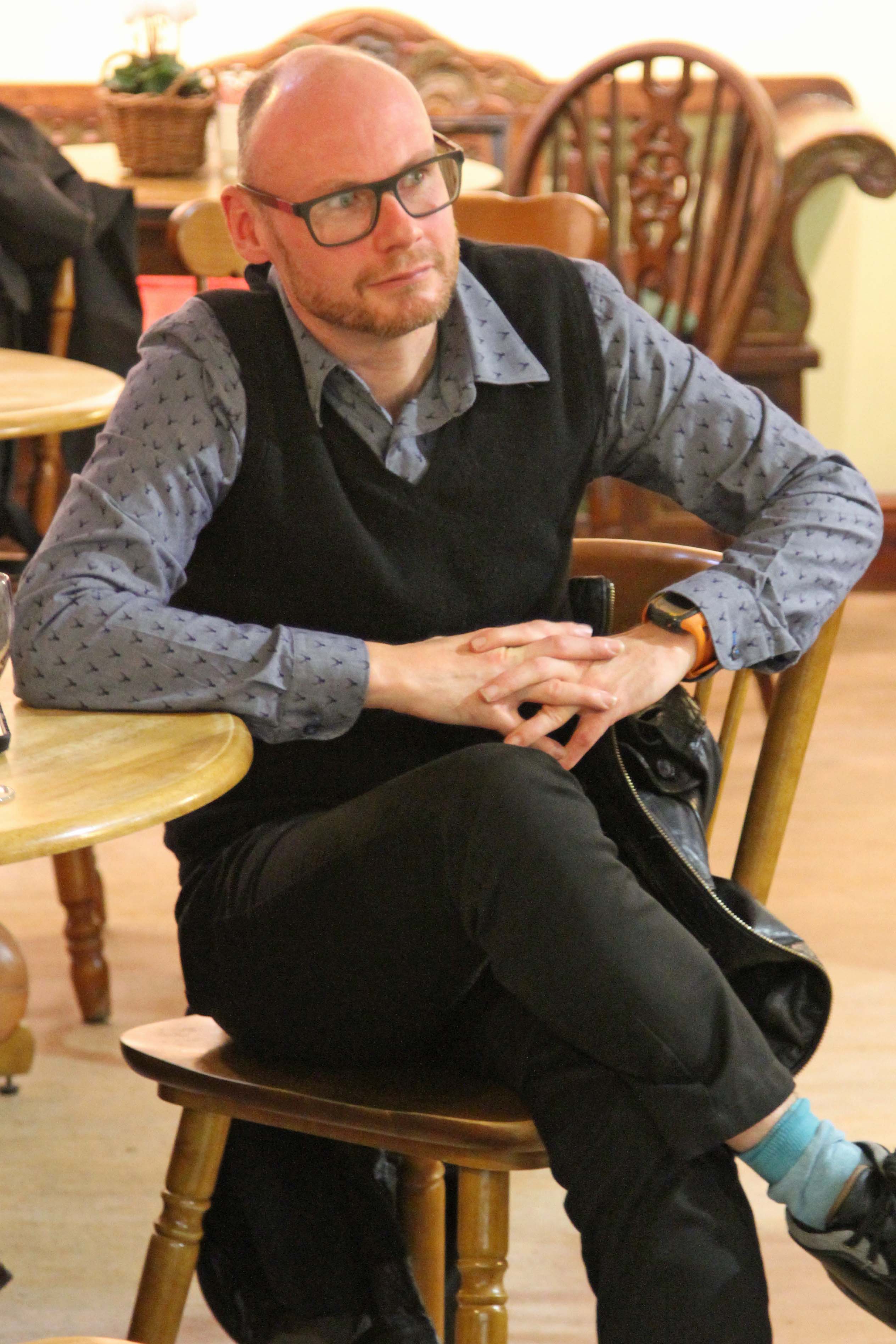


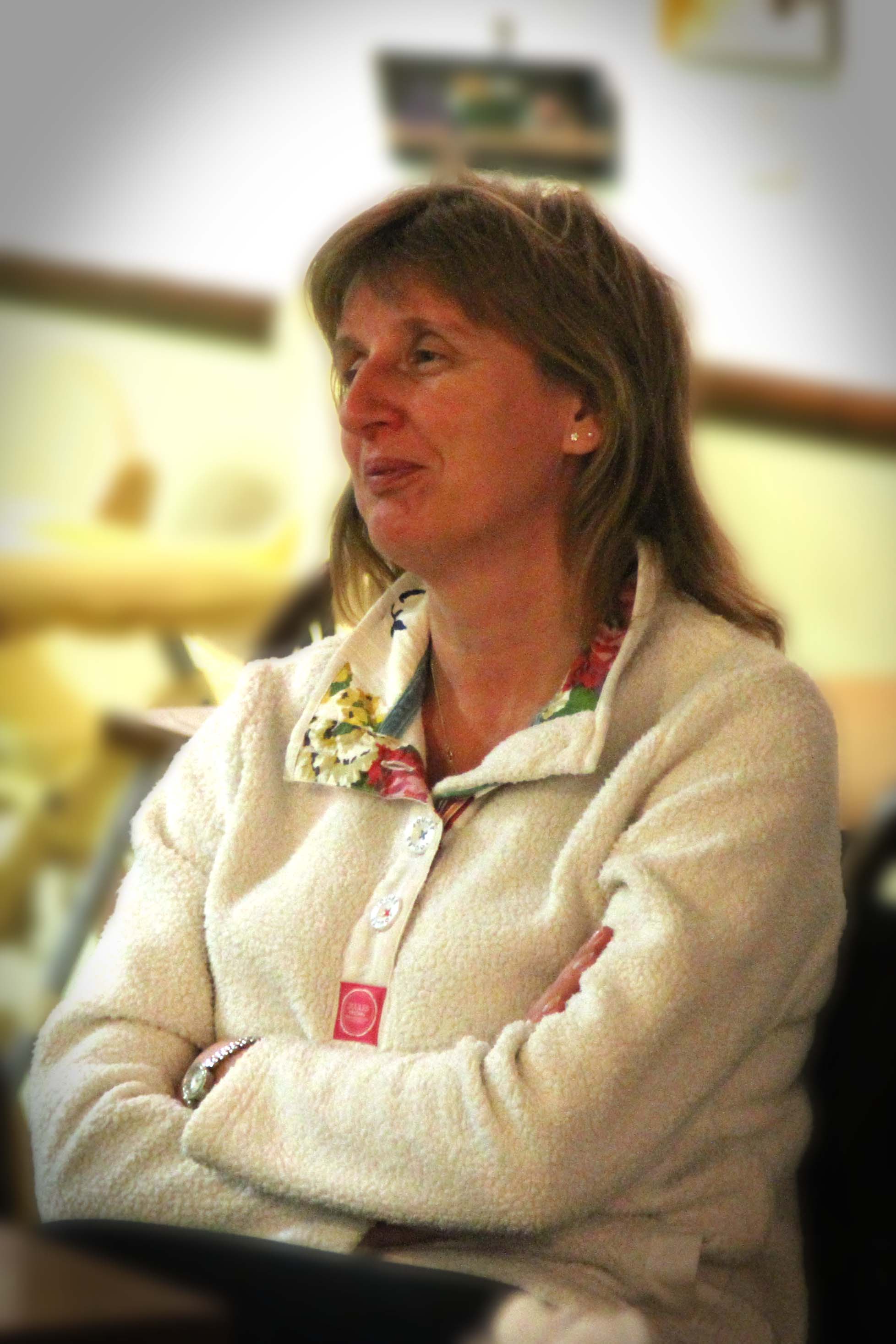
One very enjoyable moment stands out: a question from the floor to put the speaker on the spot! “What do you like to read?” Now I simply can’t resist buying books when I find myself in a bookshop and, since I had my purchases from Bookmark tucked under the table, I enjoyed sharing my tastes with a group of very like-minded people – interaction doesn’t get much better than that. 
I’d like to say how grateful I am to everyone who came yesterday evening, both for braving the elements and for all your wonderful contributions to the conversation. And heartfelt thanks, of course, to Christine and Sam.
I shall be popping in to Bookmark briefly again to sign a few more books on 17th December, if any of my readers is interested. If so, I look forward to meeting you then.
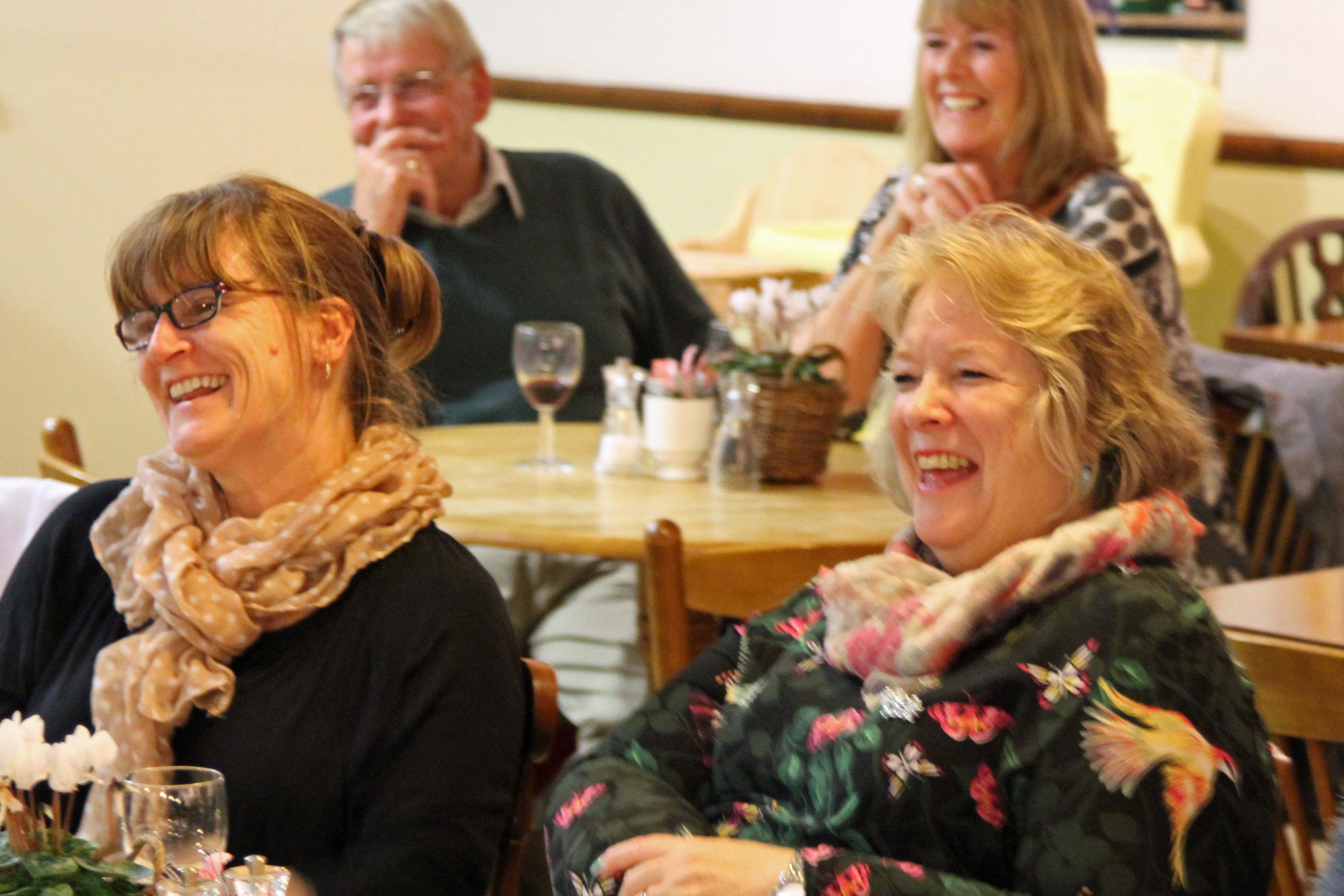
 Christina James, crime novelist