

Enjoying the Cambridge Literary Festival at Heffers

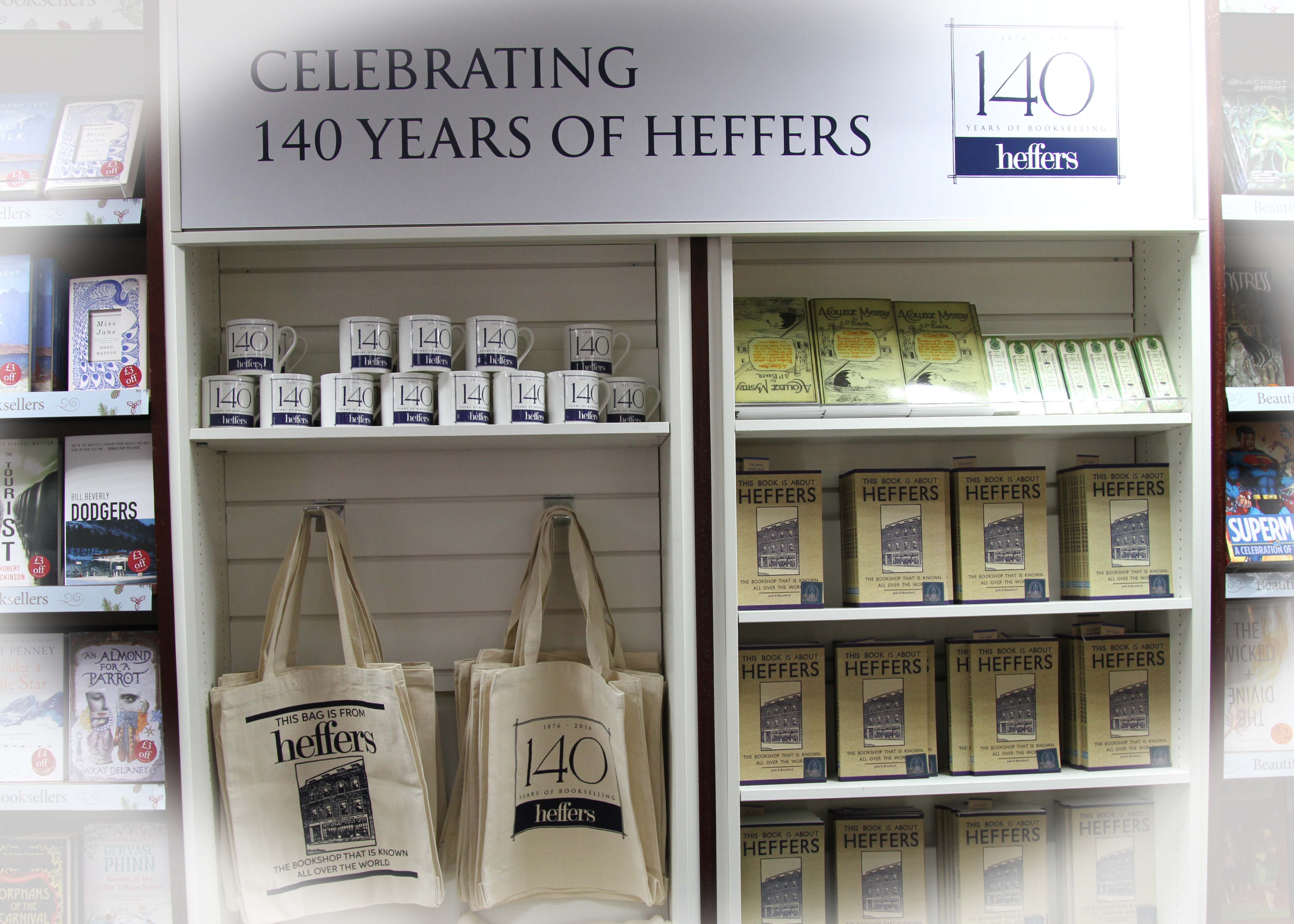
Celebrating in 2016 its 140 years of selling books in Cambridge, Heffers is one of the nation’s great classic bookshops, a national treasure. It’s always been a privilege to visit it. Even better, from my point of view, it’s home to Richard Reynolds, perhaps the country’s best-known crime bookselling connoisseur. I first met Richard five or six years ago, when he had just embarked on a crime classic reprint venture. No doubt owing to Richard’s influence, classic crime is now big business: there are several excellent imprints, including the British Library’s own.

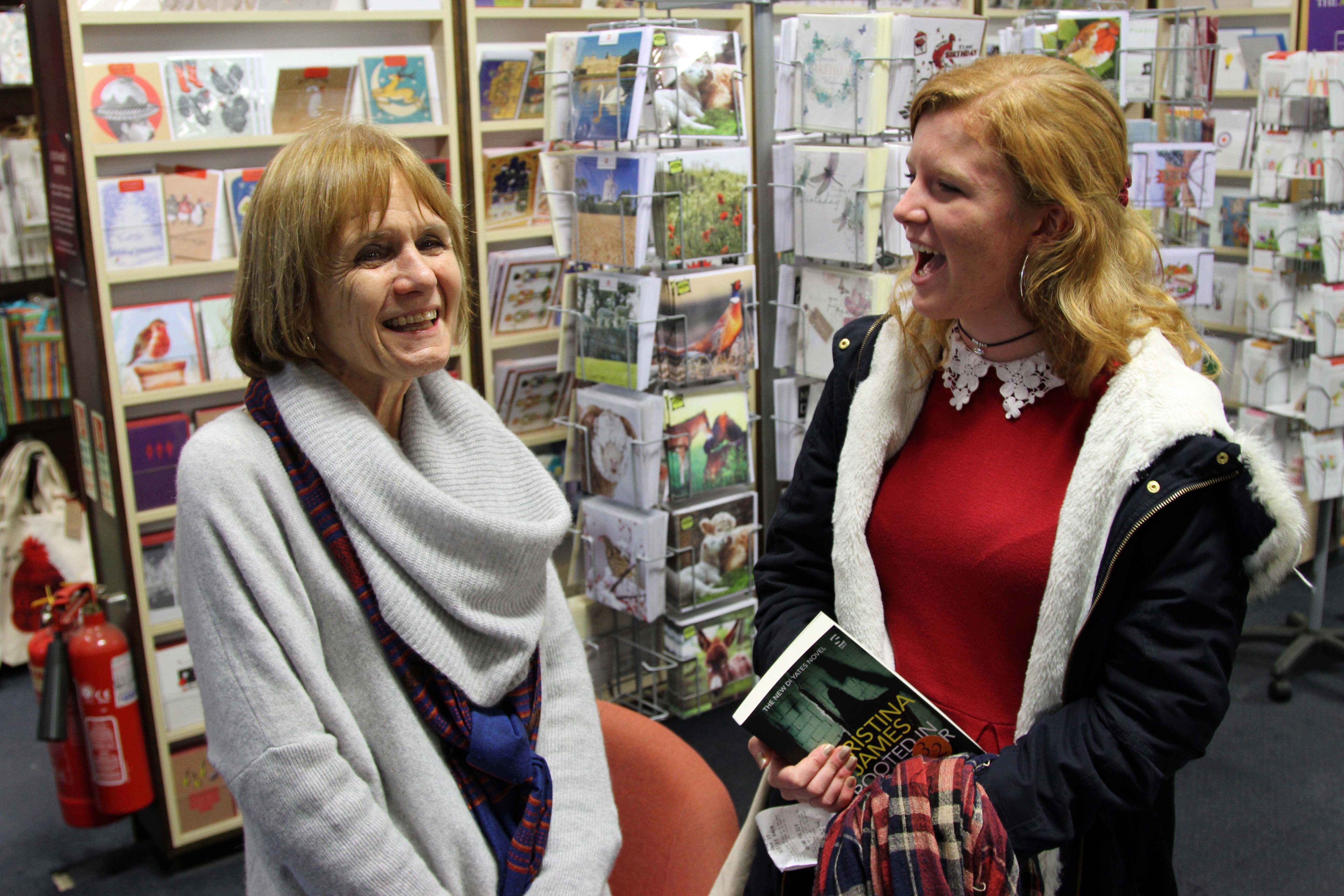
An honour to be welcomed by Richard Reynolds
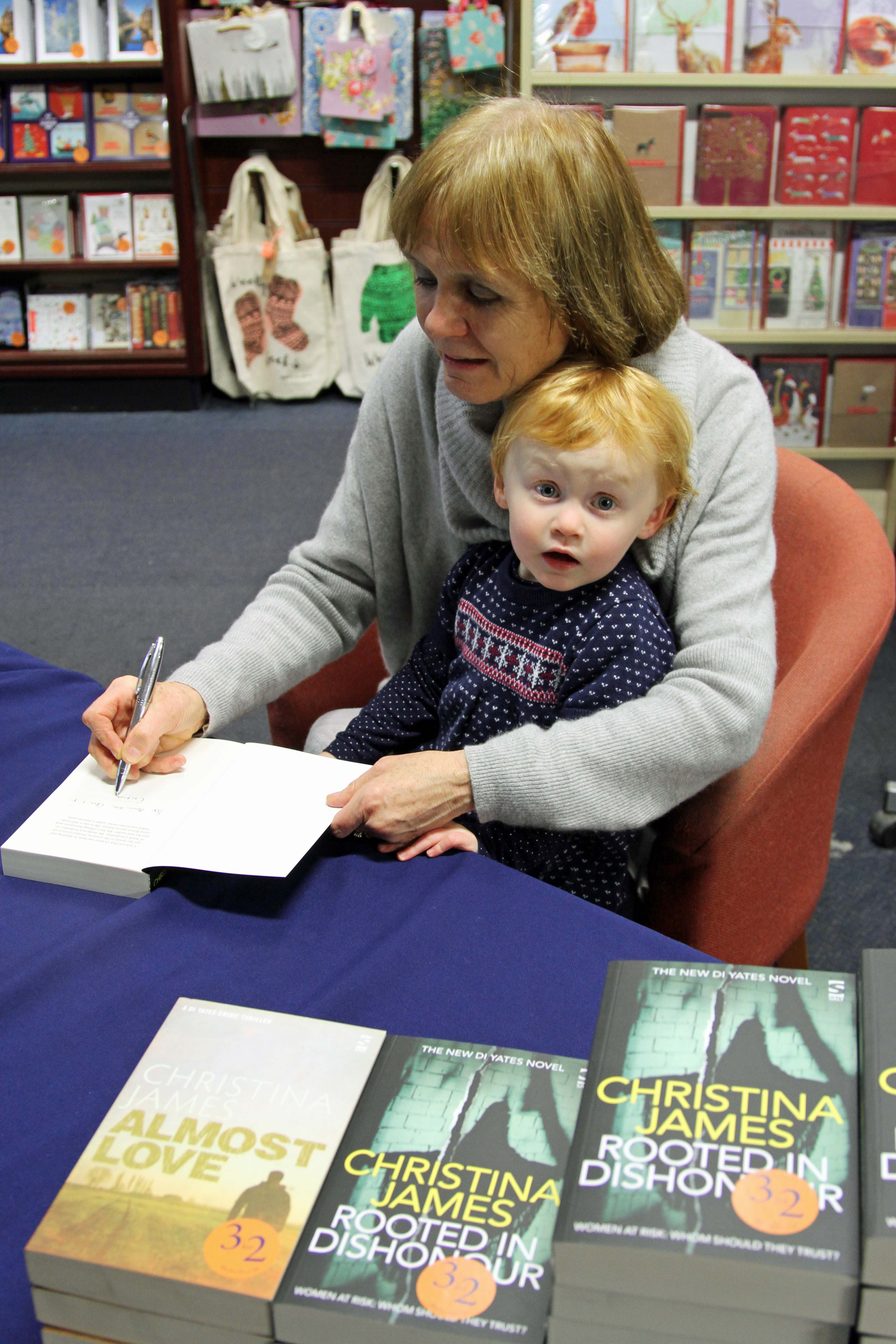
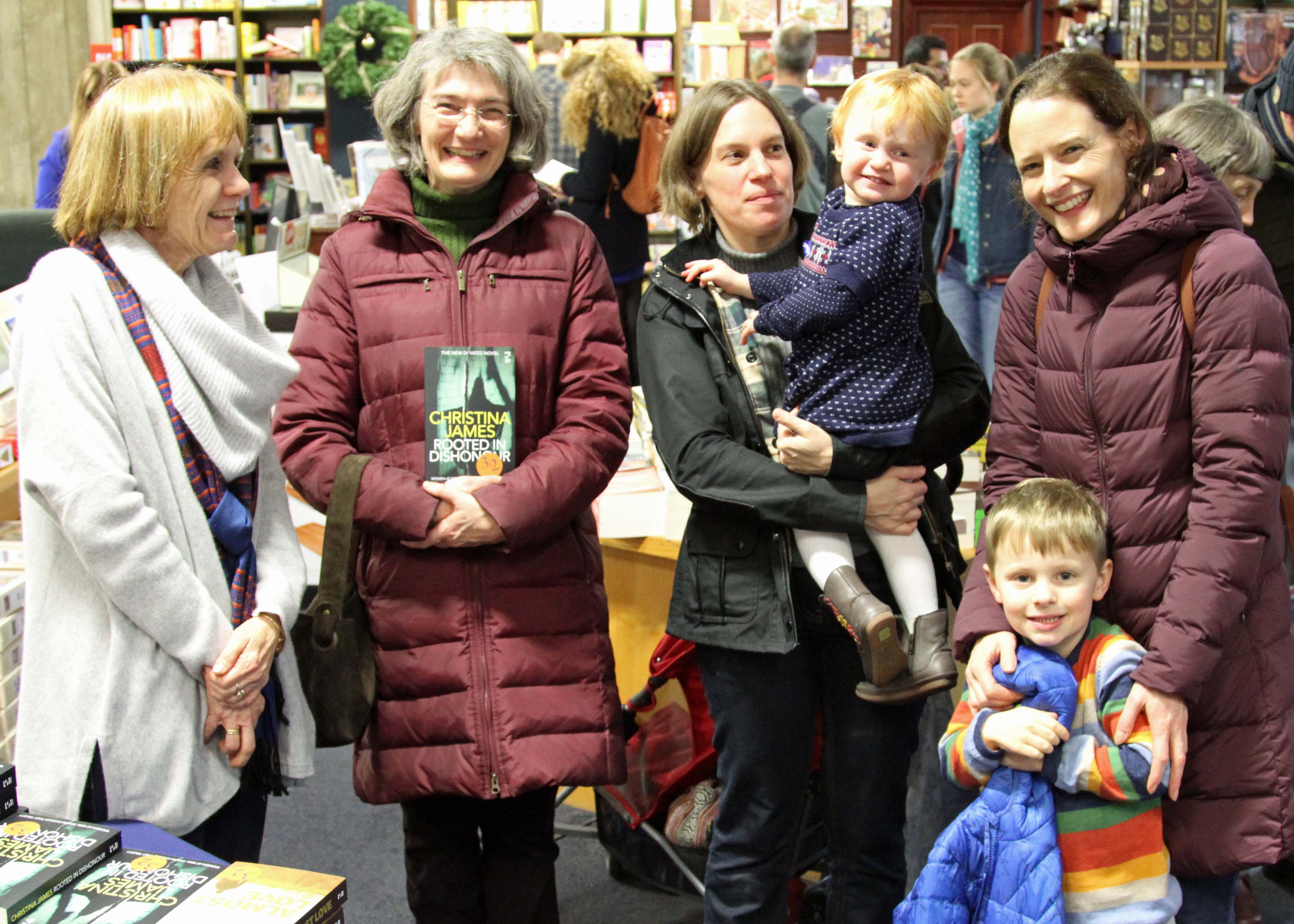
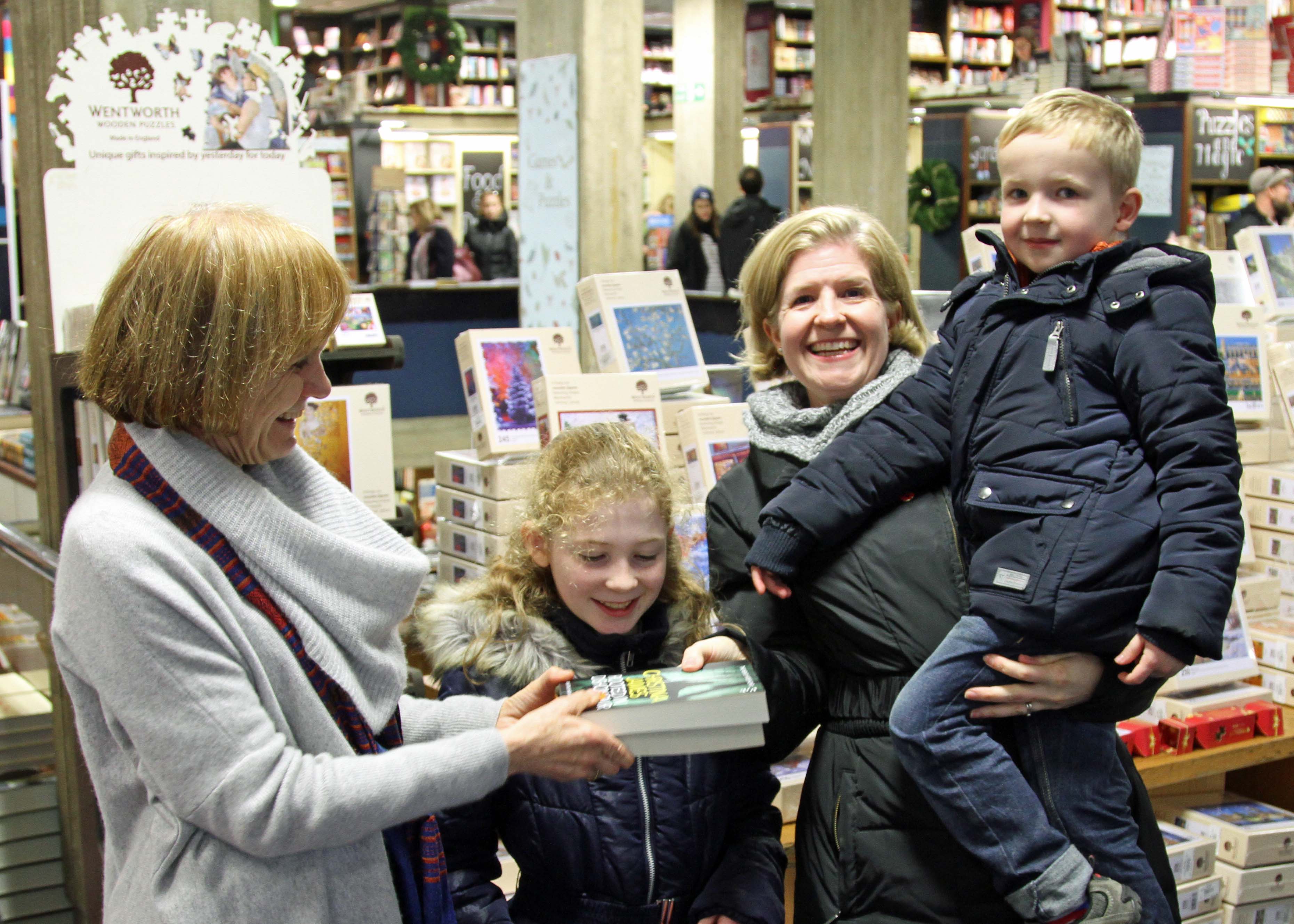
Richard is interested in all types of crime fiction, modern as well as classic, and I’m very proud to say that not only does he stock the DI Yates novels but he also invited me for a signing session on Saturday as part of the Cambridge Literary Festival. There was a wonderful buzz in the shop, which was packed with people shopping all the time I was there.

I had a glorious three hours, talking to old friends and many new acquaintances. I can’t begin to tell them how much I appreciate that most bought Rooted in Dishonour. There were lots of sales of the other books in the DI Yates series, too.

I’d like to thank Richard and his colleagues for great hospitality and for extending a very generous invitation to me to return to the shop again as soon as I am ready. Perhaps they should be careful what they wish for: I might turn up again next week!
You might like to share in some of the highlights of my day there with the photographs below:






Criss-crossing Lincolnshire with DI Yates…


Walkers, Stamford
Last Saturday, as last year and the year before, I once again enjoyed a warm welcome in Stamford’s Walkers Bookshop, which hosted a signing session for the publication of the new DI Yates.
In spite of the cold (snow had arrived the previous day in the Pennines), Christmas was in the air and the shop looked very handsome, newly kitted out with its festive stock. I enjoyed talking to customers as they came and went. I was particularly grateful to Anne’s daughter (who sent her husband back to the shop to buy the book, having herself first gone home to check that her mother didn’t have it), to the lady who bought a copy for her friend ‘Brig’ and with whom I had a fascinating conversation, to Brian, Vetta and Liam, a British/Scandinavian family, who took a huge amount of interest in all the books and how I’d come to write them and to the man who, after a great deal of deliberation, decided that he’d rather have Sausage Hall. Several people wanted to buy the earlier DI Yates novels. I was very sorry to have missed ‘the man from Gainsborough’, who’d visited the shop about half an hour before I arrived and bought all the novels, but couldn’t wait long enough to have them signed – I do hope that you will read this blog post and, even more, enjoy the books!


I’d like to extend special thanks to Jenny Pugh and Tim Walker, who invited me to the signing, and Lynne, Linda and Sophie, who looked after me so well on Saturday. I hope to look forward to meeting you and some of your wonderful customers again next year.
Spalding does DI Yates proud!

Bookmark 2016
Yesterday was publication day for Rooted in Dishonour. As usual, I headed for Bookmark, Spalding’s lovely independent bookshop, which has kindly hosted the launch event for all of the DI Yates novels, beginning with In the Family in 2012. As always, I received a very warm welcome. For the past three years, Sam Buckley, the events manager, has arranged a dual event for me: a signing session in the afternoon and a talk and reading in the evening.
It was a cold, squally morning. I arrived at the shop about midday. It has recently changed hands and there was a major renovation going on in the café area; unfortunately, this meant that the café was closed, but I understand that it will be open again next week, ready for Christmas. I was privileged to meet Darren (twin brother of Jason, the new owner), who is in charge of the refurbishment work – he says Jason earns the money and he spends it!
Although the temporary lack of coffee was ruefully lamented by Bookmark’s clientele, the shop’s footfall (partly because it was market day) was excellent and there was a lot of interest in Rooted in Dishonour. One lady, Helen, bought three copies for herself and friends and said that she’d read all the DI Yates books: ‘Each one is better than the last’ – sheer music to an author’s ears!

Alex, who attends Spalding Grammar School and works in Bookmark on Saturdays, popped in at lunchtime and became one of my customers.

The evening event took place in the bookshop itself for the first time, as the café was out of bounds. As a speaker, I preferred the atmosphere there (though not the absence of cake!). Spalding audiences are always excellent, but this was my best ever!

A warm welcome from Sam Buckley
I met some old friends and made many new ones. The discussion following my talk was a lively one and I was asked lots of searching questions about my writing. Several of the audience generously bought the new novel and some of the previous ones as well.


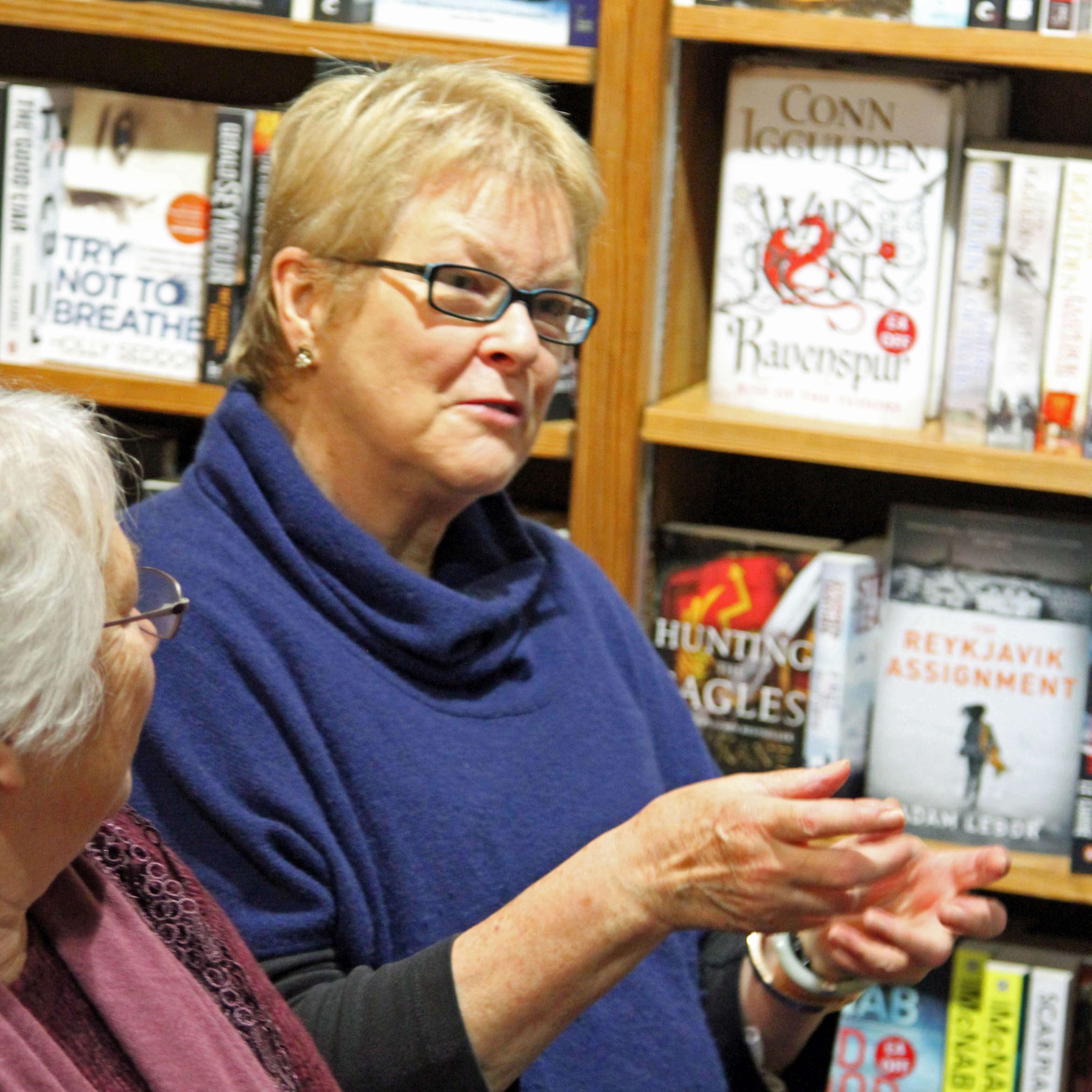


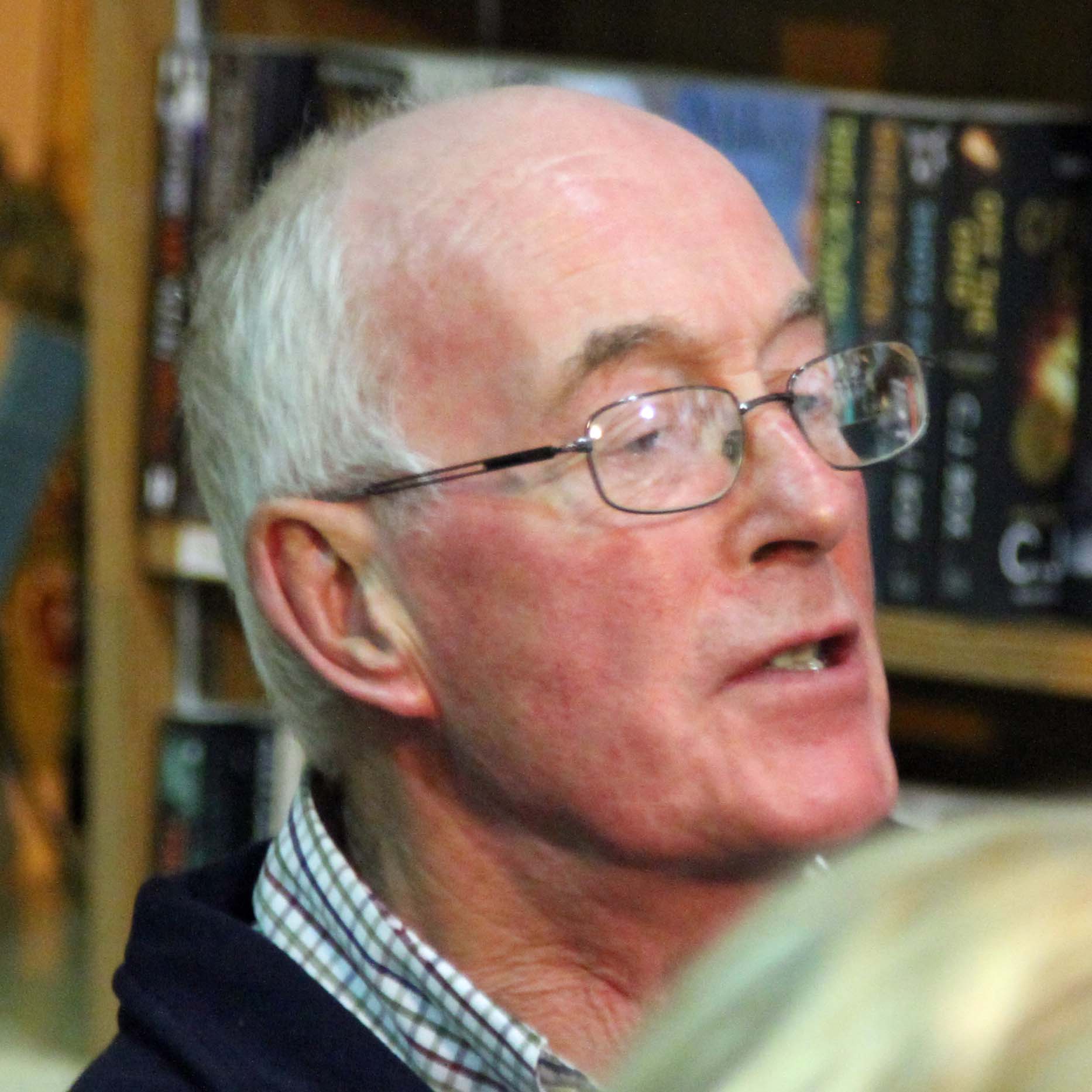

I’d like to thank Sam and the rest of the staff at Bookmark for working so hard to make the event a success, and all my wonderful Spalding readers for giving me a day to remember.
Murder comes to Pontefract again, baa gum.

The Pontefract Fleece Force
Saturday November 5th was a cold, squally day, a fitting atmosphere for Bonfire Night. I was probably feeling the cold more than most, having just returned from some time away on business, first in Quito and then in Charleston, South Carolina (more about both on these pages very soon). The temperature in each of these places was around twenty-five degrees.
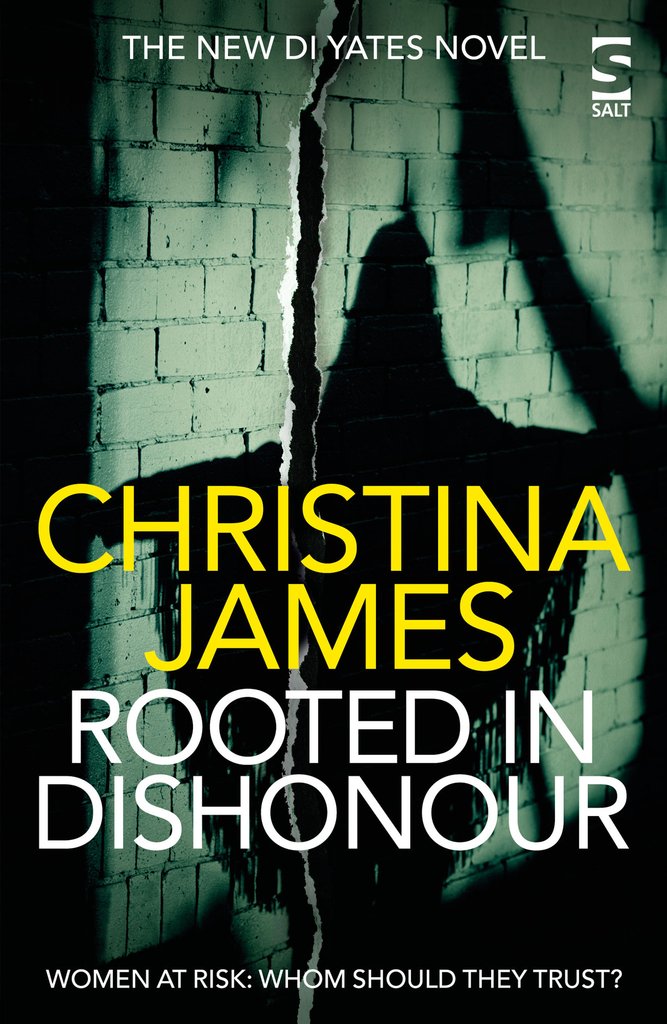
I was in Pontefract, a historic Yorkshire town, scene of gruesome murders during the Wars of the Roses and, almost two centuries later, in the English Civil War. Pontefract library is a light and airy building with lots of glass and invitingly-arranged bookshelves that fan out from the centre as well as lining the walls. I’d been very kindly invited by Alison Cassels, the Officer for Reading at Wakefield Library Services, with whom I have several times participated in crime fiction events in West Yorkshire; she had asked me to speak about Rooted in Dishonour, which will be published on 15th November, read one of the chapters and then host a more general literary event, which included asking the audience to name their favourite novels and take part in a short ‘whodunnit’ play written by Ann Cleeves.
It was a long time since I’d last visited Pontefract Library and I enjoyed going back. A small flock of helmeted sheep occupied the ‘Fleece Station’ and busied itself with a murder scene just outside. The corpse had been already removed, having first been outlined by Eweno Hugh, the soco. I noted the chalked heels and deduced that the victim had been female. I heard that DI Tup, who had been protecting some productive grass from persecution by local thieves, would soon be on the case. I felt quite at home. Furthermore, as the Ann Cleeves playlet was set in Shetland, refreshments included shortbread and Tunnock’s teacakes, a treat that I’ve rarely seen since I worked in Scotland some twenty years ago.


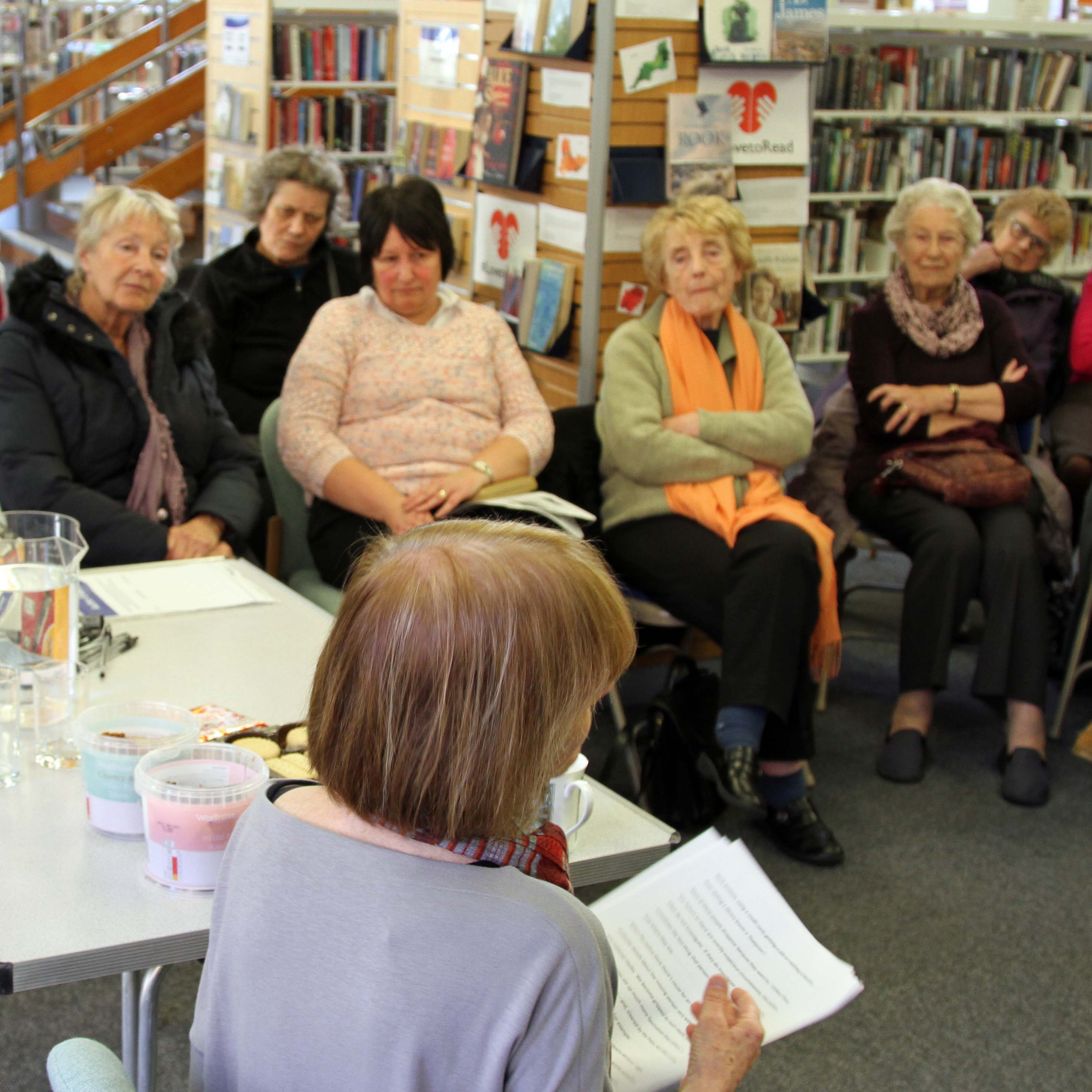

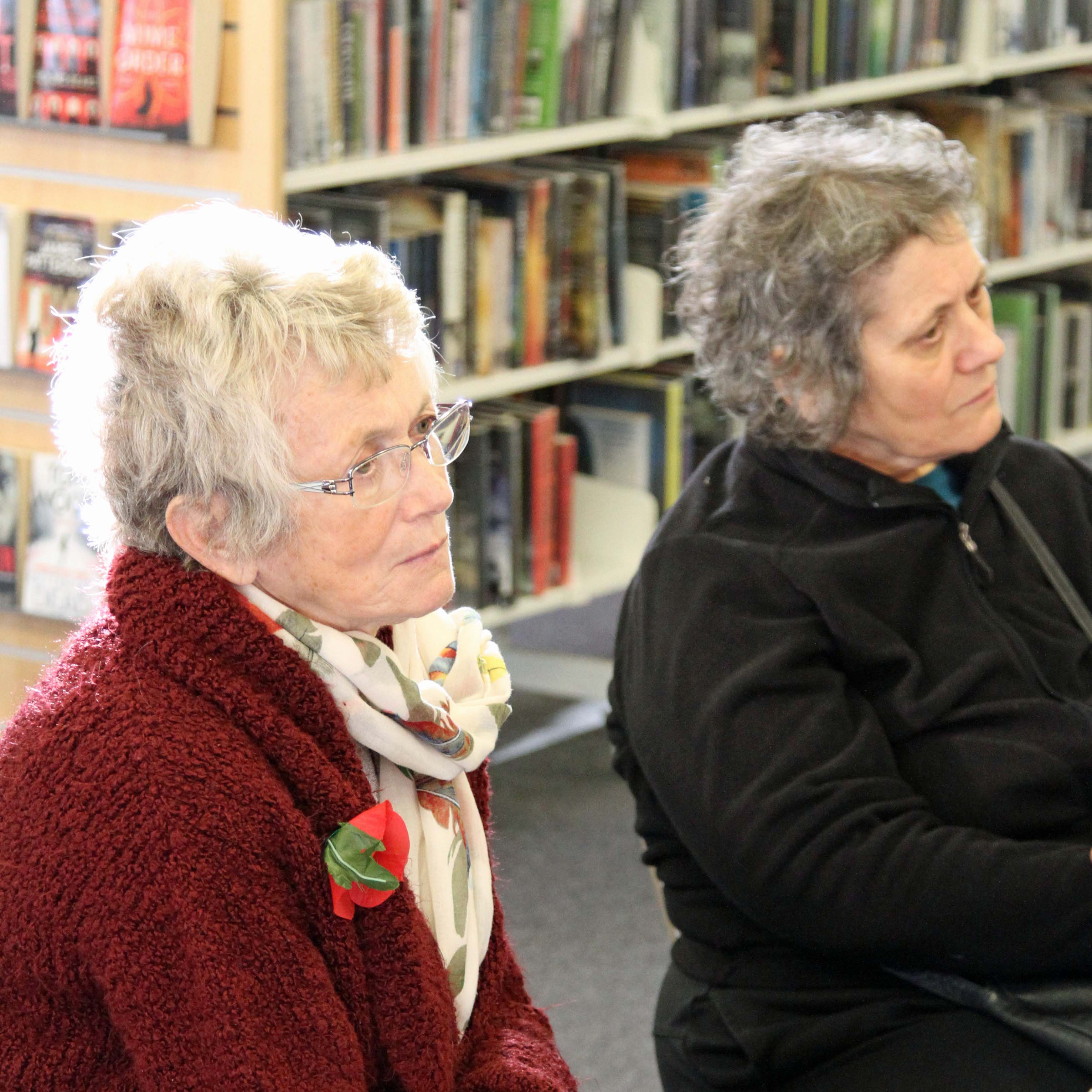
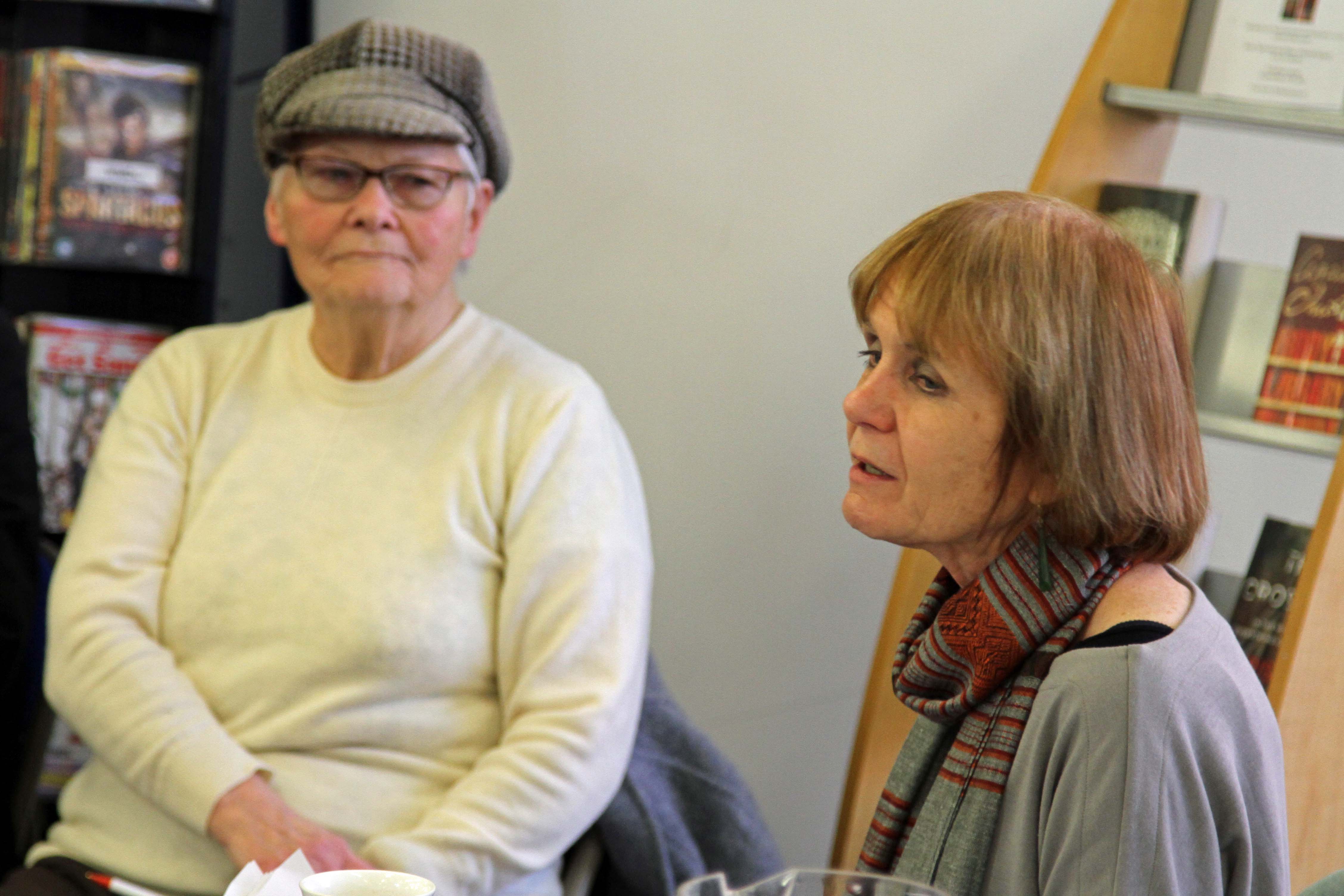


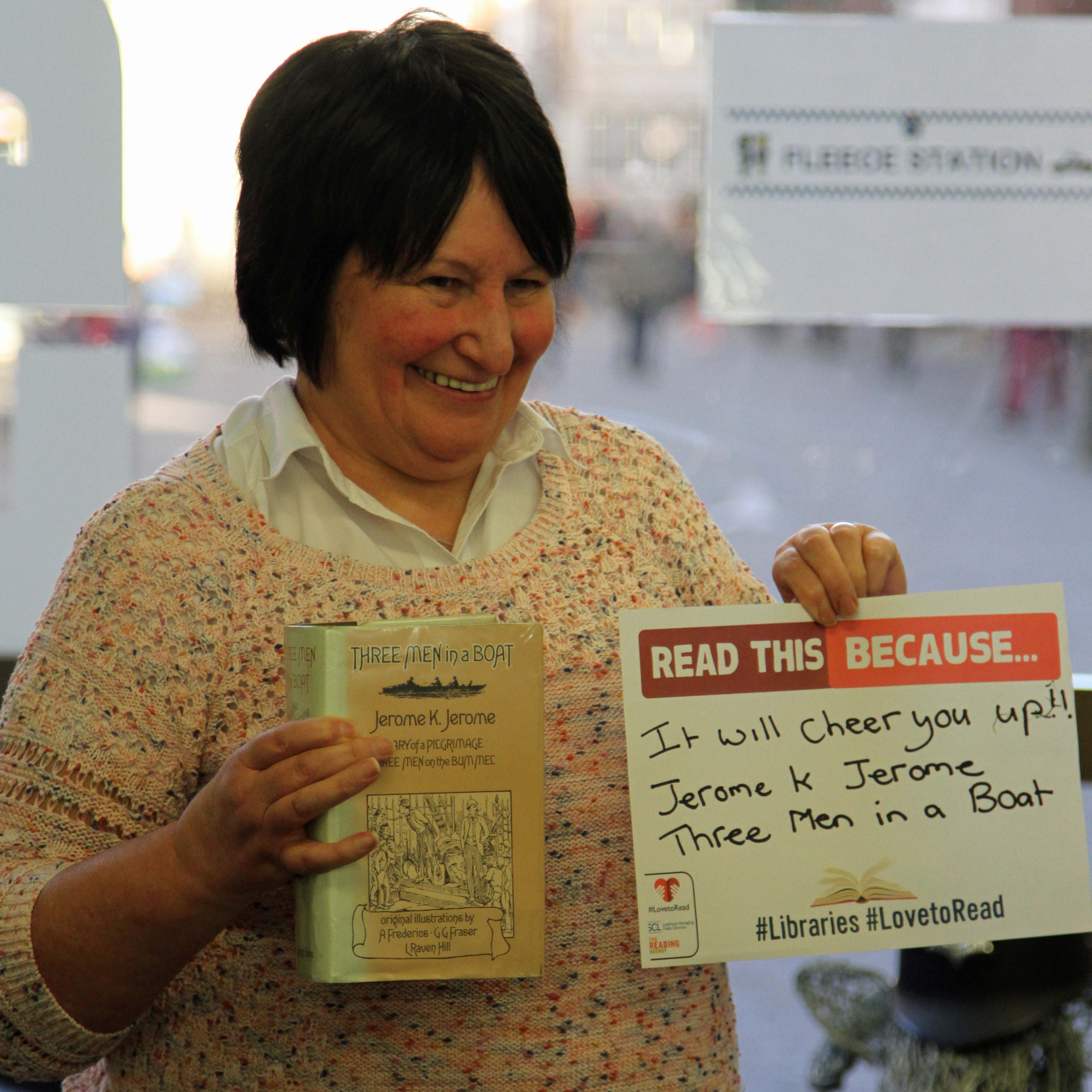

The audience consisted of about twenty-five people, a few of whom I’d already met at events in Wakefield in previous years. They were truly one of the liveliest, most receptive audiences I’ve ever encountered. They gave Rooted in Dishonour a wonderful debut and asked so many questions that the event lasted two hours, instead of the hour that had been scheduled. If anyone who came on Saturday is reading this, I’d like to thank you very much indeed.
Huge thanks also to Alison, Lynne, Liz and Lynne and their colleagues, who made me feel as welcome and special as they always do.
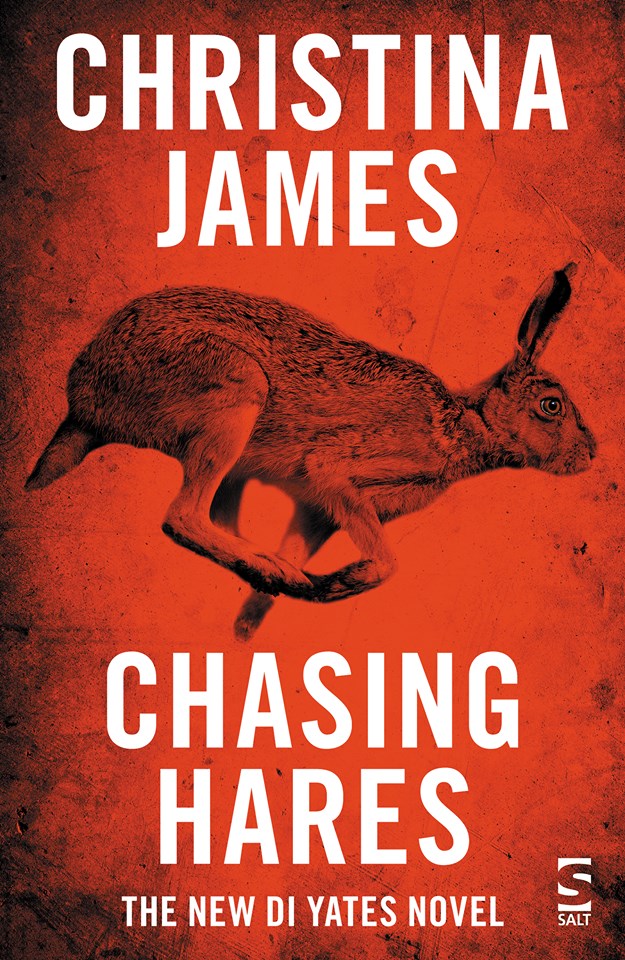
Rooted in Dishonour’s launch event will take place at Bookmark in Spalding on Tuesday 15th November, the publication date; I’ll be signing books in the afternoon and talking about the novel and giving readings in the evening. More details may be found at http://bookmarkspalding.co.uk/. On Saturday 19th November, I’m signing copies of the novel from 11 am – 2 pm at Walker’s Bookshop in Stamford (http://www.walkersbookshops.co.uk/) and on Saturday 26th November, starting at 12.30 pm, I have a signing session at Heffer’s Bookshop in Cambridge (http://bookshop.blackwell.co.uk/stores/heffers), as part of the Cambridge Literary Festival.

With Alison Cassels
I’m also hoping to be able to spend rather more time blogging and catching up with many good friends on the social networks; they have been very, very kind to me on Twitter and Facebook whilst I have been caught up in work. Many sincere thanks to them all.
Participation? Always, at Wakefield One!

Monday was a horrible day in West Yorkshire. Torrential rain and high winds were battering the city when I arrived at Wakefield One for my afternoon of reading and discussion with some of the lovely members of the reading groups run by Alison Cassels. My husband dropped me off opposite the library complex and I got soaked – and nearly blown away – just crossing the road.
Nevertheless, I felt both philosophical and optimistic. As I’ve already noted, every event for The Crossing so far has taken place when the weather outside has been appalling, and every one has been a success. I knew that the gallant and stalwart members of the Wakefield reading groups would not let me down by preferring their firesides to the library.
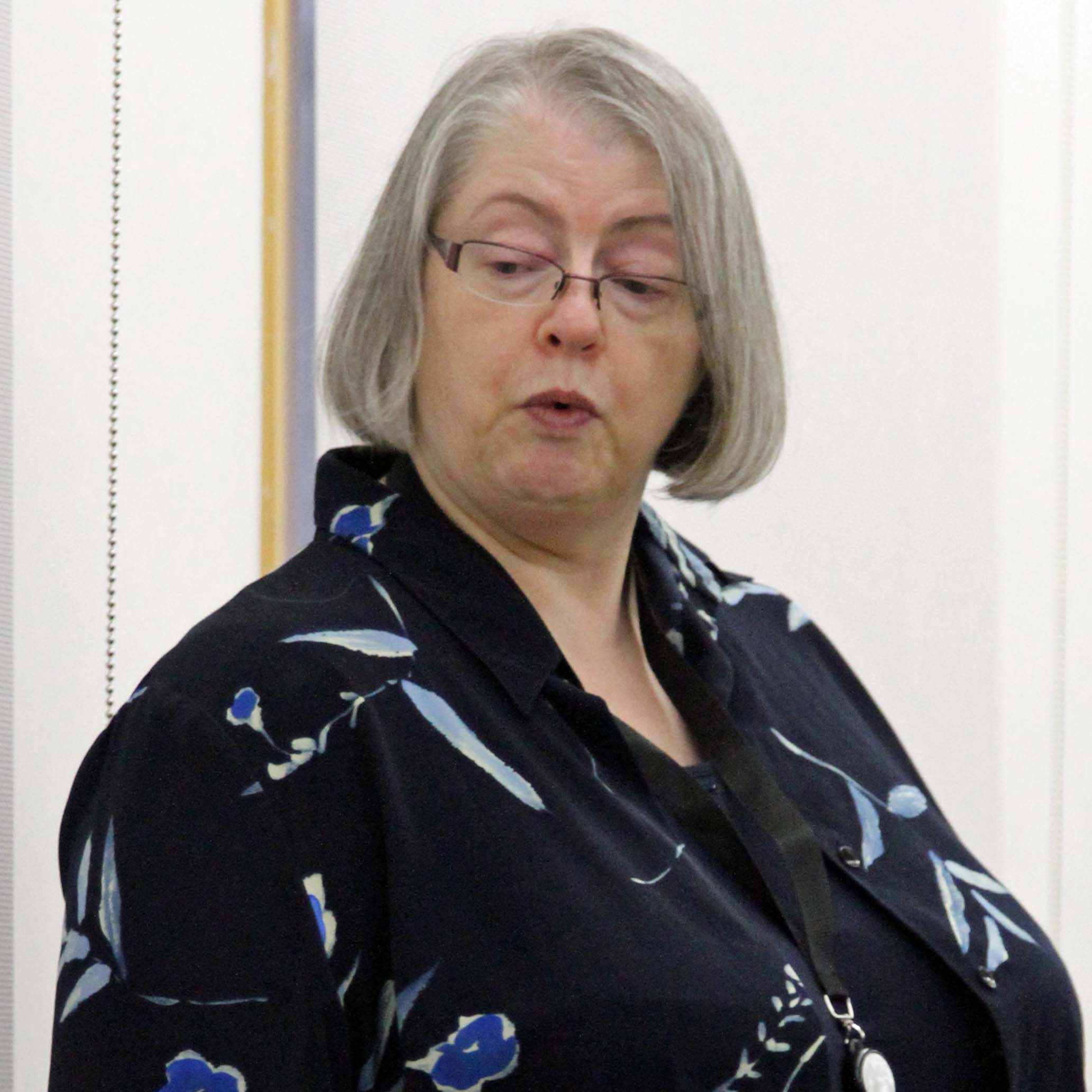
Alison, as impeccable in the welcome as in the organisation!
Reader, I was not wrong! An extremely lively audience arrived punctually, some having regaled themselves with hot soup in the café to start with, and we all enjoyed a couple of hours of reading, writing and sleuthing, handsomely fortified by the Christmas cake, mince pies and stollen and tea and coffee supplied as generously and thoughtfully as usual by Alison and Lynn.
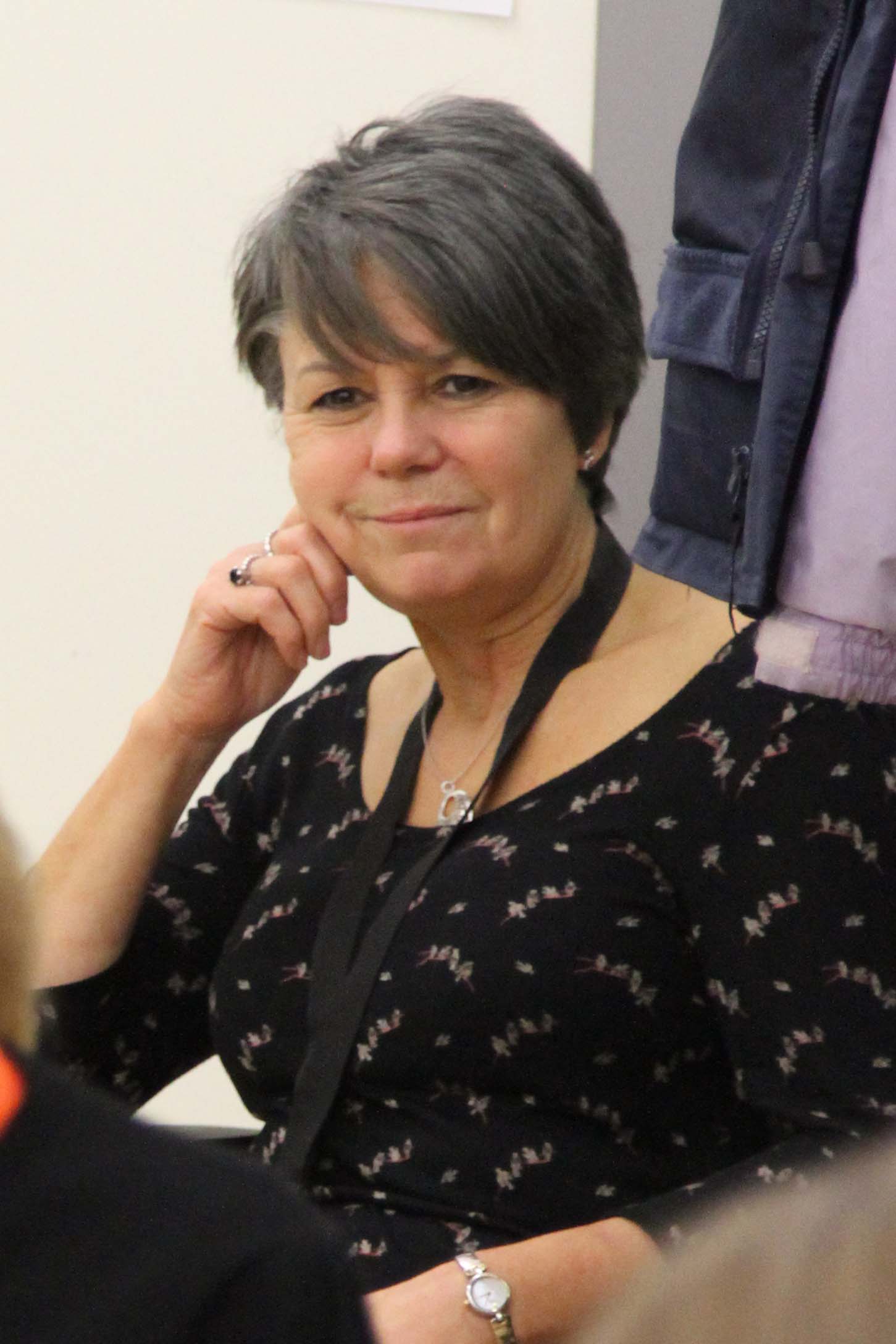
Lynn, quietly making it all happen (and she tweets!)
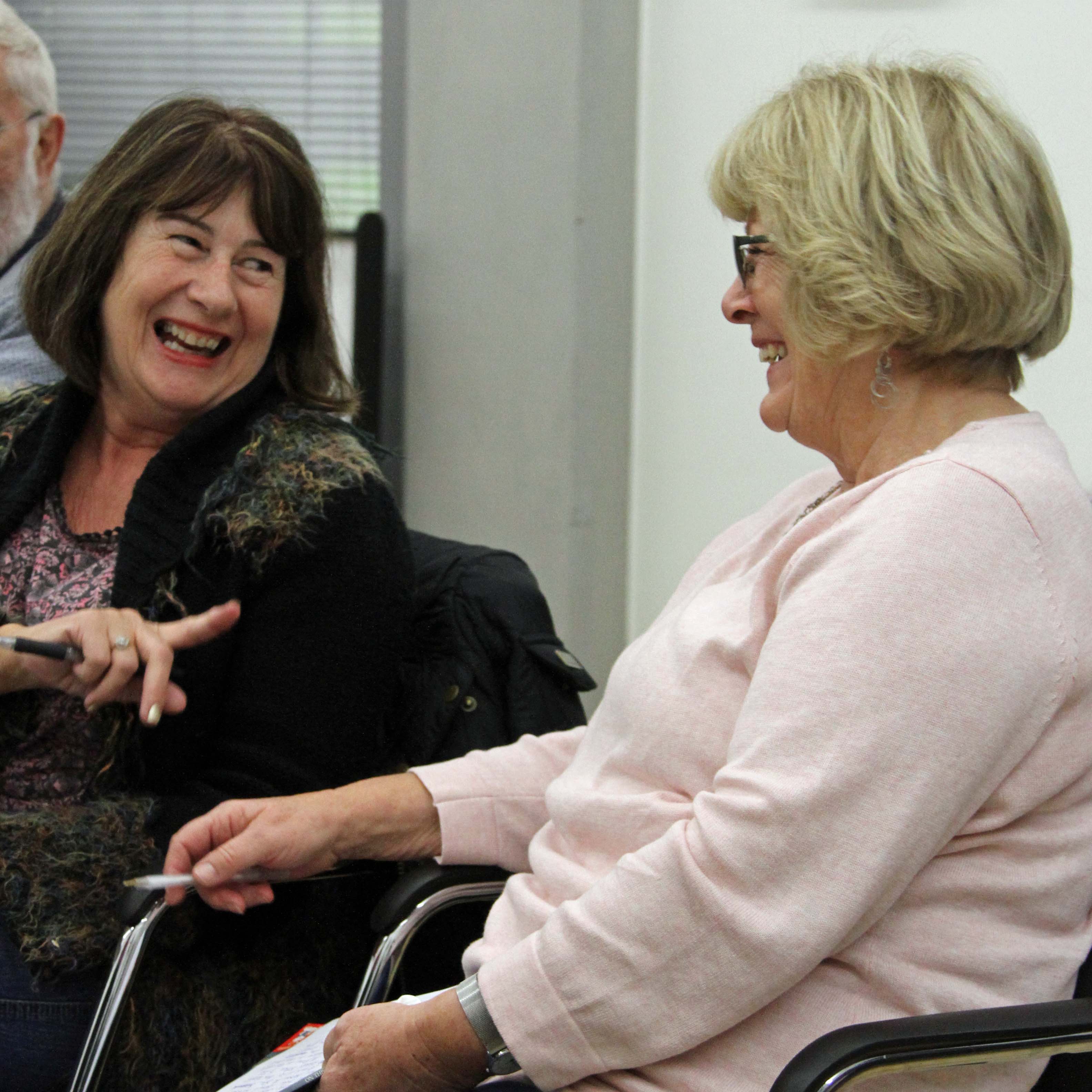
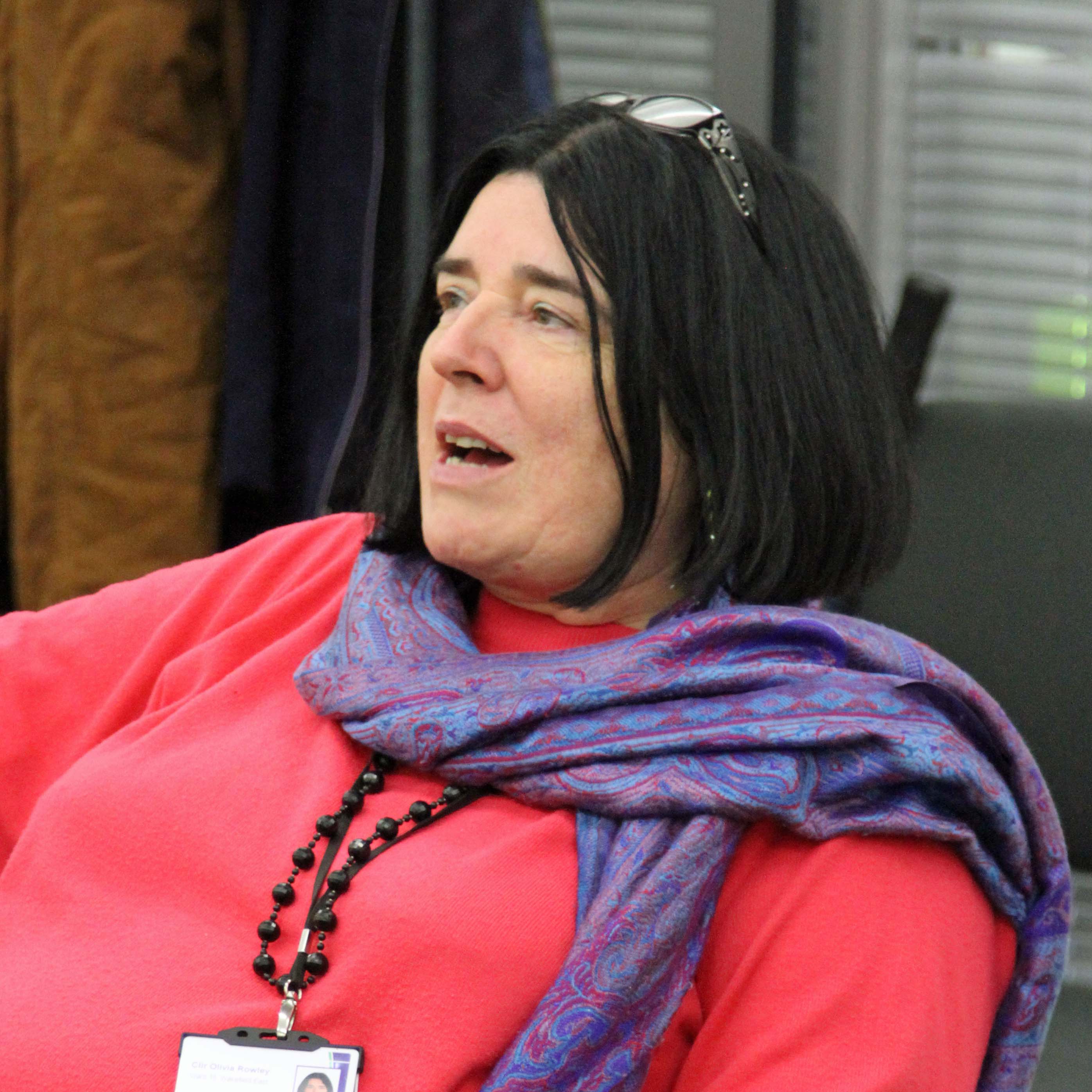
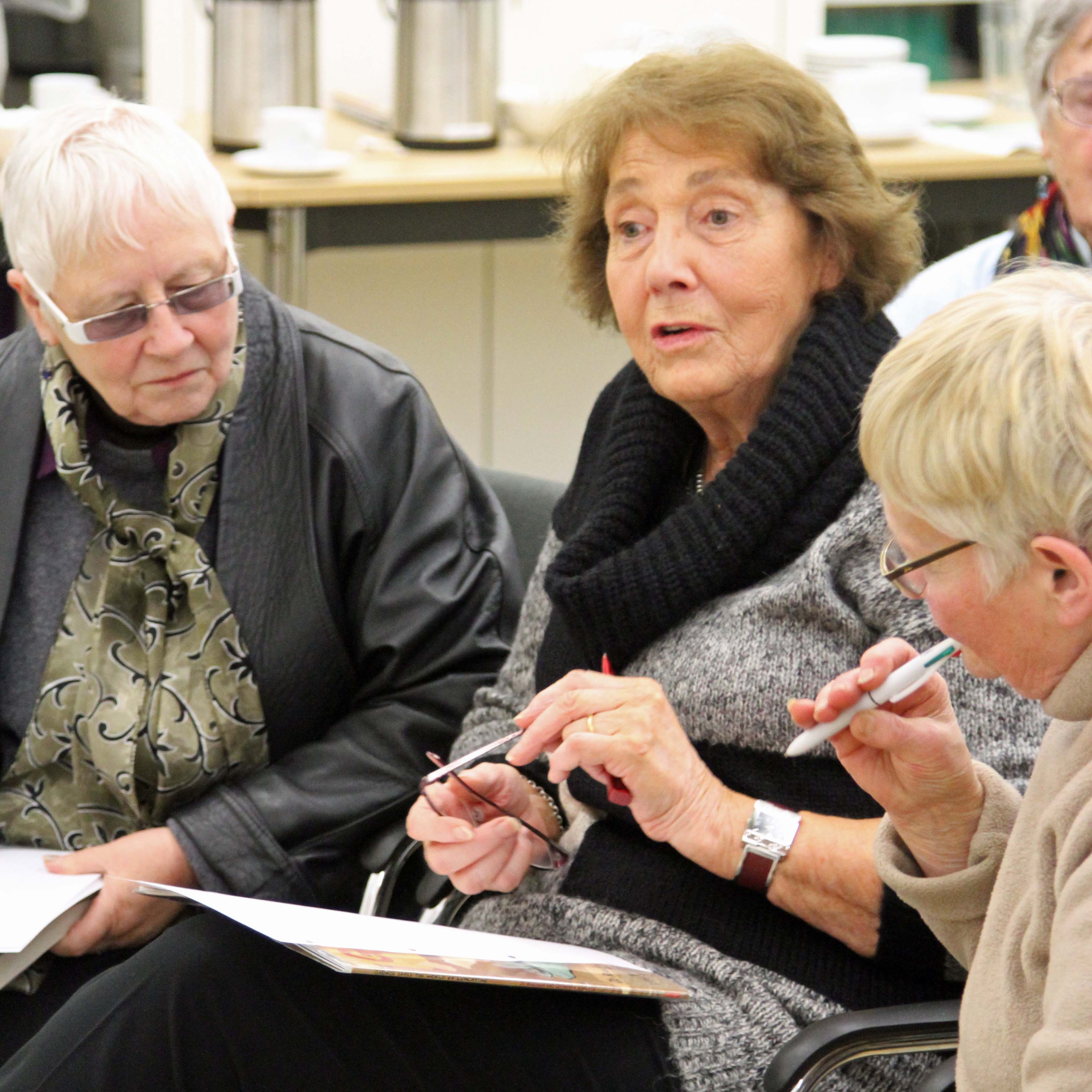
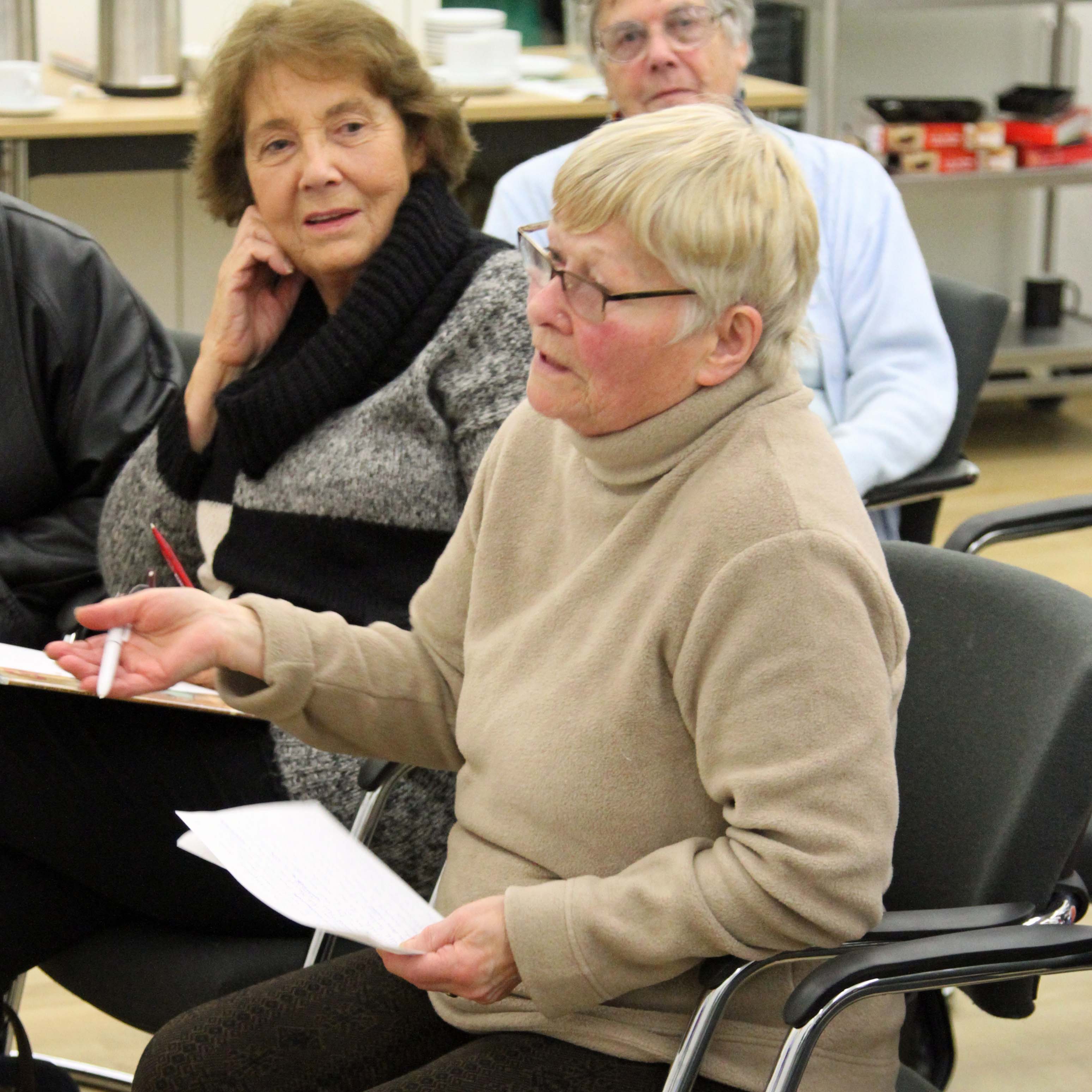
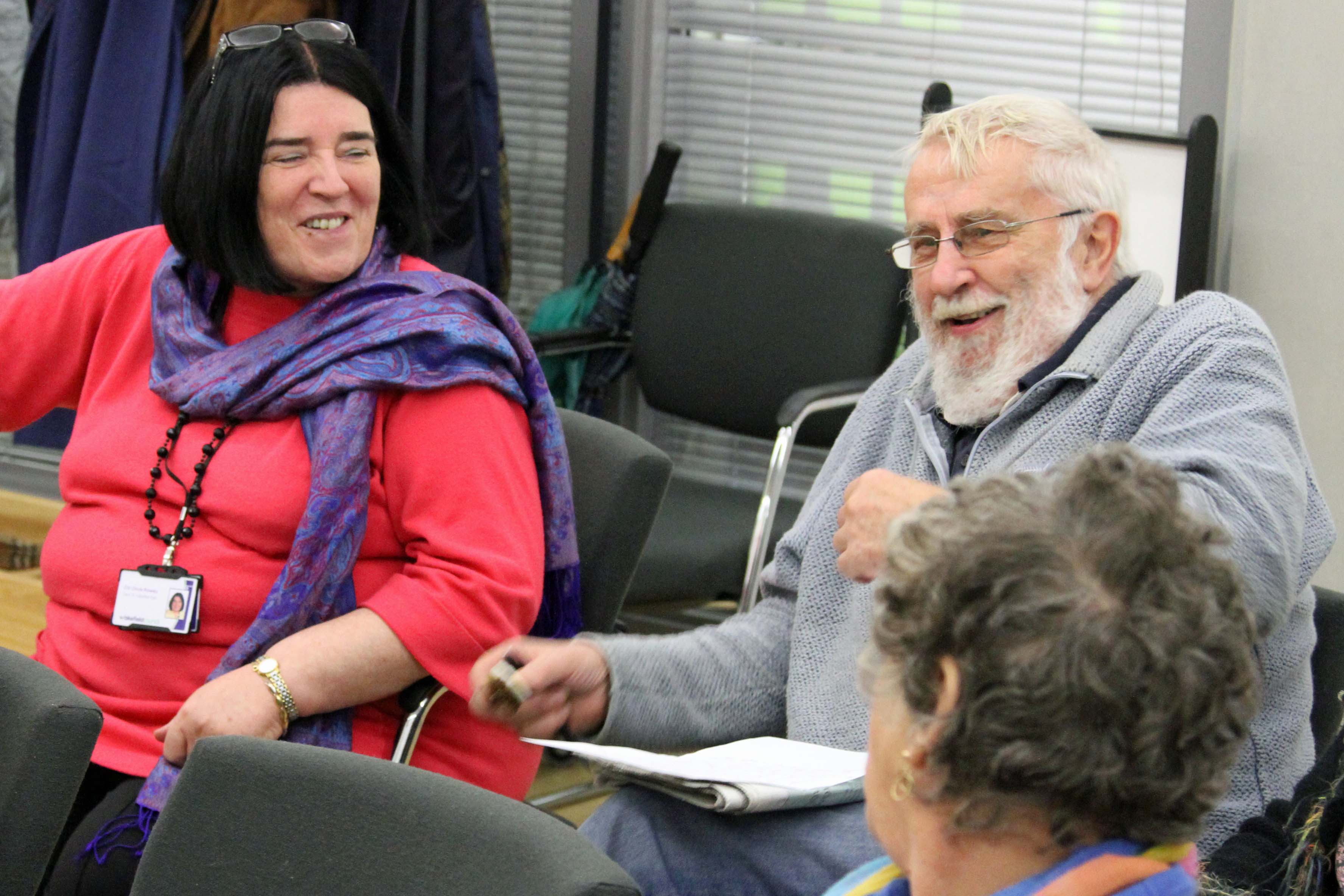
After listening to and providing feedback on the readings as only Wakefield audiences know how to do, when invited to take inspiration from the first chapter of The Crossing, each of the group members wrote a short sketch of an event that had happened to them and had stayed with them vividly, one that might be used as the opening scene of a novel. I hope the photographs capture the lively and committed participation that has come to be the hallmark of Wakefield One events: some read their own sketches, others asked their immediate neighbour to read for them. Everyone was spellbound by what was on offer. The accounts were fascinating and included bell-ringing for the first time and soaring unintentionally upwards on the rope, riding to London on The Flying Scotsman, walking to school through the snow in the Arctic winter of 1947 and the tale of how an uncle had pawned his wife’s hard-saved-for furniture to buy a red sports car. Novels in the making, every one – and the quality of the writing was of a very high standard.
The afternoon was rounded off by a quiz prepared by Alison. She’d found the photographs of twenty famous crime writers and asked the group to put names to them while I signed some books. It was a brilliant idea, and quite a hard task: no-one got more than half of the answers correct. (I’m going to ask Alison if she’ll let me have the quiz to post on this blog, as I’m sure some of my readers will enjoy it, too!).
The time slid away very rapidly. Braced by a final cup of tea, we ventured out into the cold again before we were trapped by the notorious end-of-day Wakefield traffic bottlenecks. I’d like to thank everyone who took part: the reading group members for giving me so much support (as they always do; it was also good to see several new faces this time), Alison and Lynn for arranging it all so impeccably, the Wakefield Libraries tweeter who, together with them, ensured that the event gained plenty of publicity, and Richard Knowles of Rickaro Books for supplying copies of The Crossing for sale. I hope to see you all again soon!




The Crossing at Stamford

Stamford in Lincolnshire bestrides the River Welland (which also flows through the Spalding of the DI Yates books) and marks the ancient ford across the river where the Romans chose to route Ermine Street on its way north. Going there to sign copies of The Crossing, the fourth DI Yates book, seemed very appropriate!
It seems to be a continuing theme of The Crossing events that they are fated to happen in extreme weather. Harlow Carr was squally, Spalding was tempestuous and yesterday Stamford was bitterly cold! The cold hit me as soon as I got up yesterday morning. Venturing out with the dog before dawn, I noticed that a clutch of flowerpots outside the back door seemed to have sprouted a mysterious white substance. Closer inspection revealed it to be snow. Once clear of the parking area in front of my house (treacherous with black ice), I saw that all the rooftops and hedgerows in the village were twinkling with crisp snow.
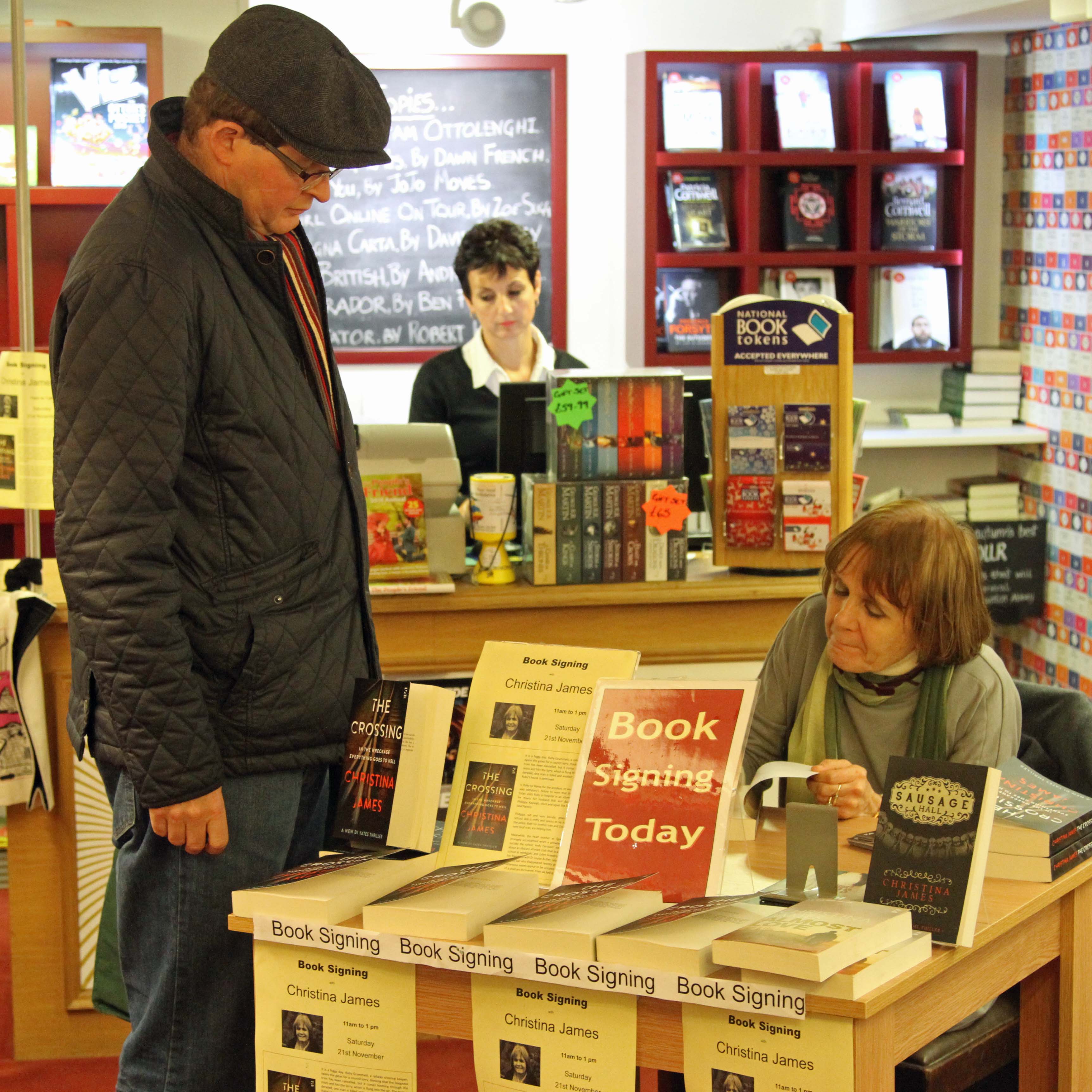
It’s a two-hour drive to Stamford and, although my husband and I were heading due south, it seemed to get colder as the sun rose higher in the sky. Stamford itself was in the grip of a vicious north wind which, the weather forecast informed us, was blowing straight down from the Arctic. It didn’t seem to deter the citizens of the town: wrapped up in thick coats, hats and scarves, all seemed to be going about their business cheerfully. The Christmas decorations had been put up, most of the shop windows now carried Christmas displays and the cold served only to make the atmosphere more festive.
My destination, Walker’s Bookshop in the town centre, was as warm and welcoming as always. Its Christmas stock had been laid out beautifully and customers came, sometimes in droves, sometimes in flurries, to admire it and to browse and buy. I’d been allocated a table near to the cash desk to sign copies of The Crossing and we did a brisk trade throughout my allotted time there.

I’d like to thank both the people of Stamford and the several visitors to the town whom I met not only for buying the book, but also for the fascinating conversations in which we engaged throughout the day. There was the lady whose father had owned some of the gravel pits that I write about in Almost Love. She told me that when she was a child they’d found many things in the pits, including a mammoth’s tooth (I mention the mammoth’s remains in the book), a pewter salver and several skeletons, some of which had been buried face down, perhaps because they belonged to murderers or suicides. The artefacts had all been given to a local museum, but the bones were removed by police who ‘just put them into bags and carted them away. It was the sixties and seventies. They didn’t bother to reinter them or find out how old they were.’ Shades of Sausage Hall! It is tantalising to think that some may have been the result of more recent murders: if so, the murderer(s) got off scot free! There was another lady from Cornwall who said her neighbour was Dawn French. She asked me about my writing routine. I said that although most of my writing is done in my office, I can also write on trains and in cafes. Dawn, apparently, must have absolute solitude and silence when she writes. Several men made purchases: they tended to be more interested in the series and how the novels relate to each other than more general information about the South Lincolnshire setting or how they came to be written. People of all ages stopped to talk to me. My youngest buyer was still at school. I was delighted that so many young people were interested, including a young woman who would have bought the whole set if we hadn’t run out of Sausage Hall and said, while buying the other three, that she’d order it. Some old friends also made the considerable journey from Nottingham to give their support.
The time flew by, as it always does for me when I’m in a bookshop. I had a truly wonderful day. I’d like to thank Tim Walker and Jenny Pugh for arranging the signing session and Mandy and Karen for looking after me so brilliantly while I was in the shop. It’s a very distinguished bookshop indeed and well worth the short detour off the A1 if you happen to be passing that way.
On the way home, it didn’t seem so cold, but perhaps that was just because I was enveloped in the rosy glow of having been able to meet so many new enthusiasts.
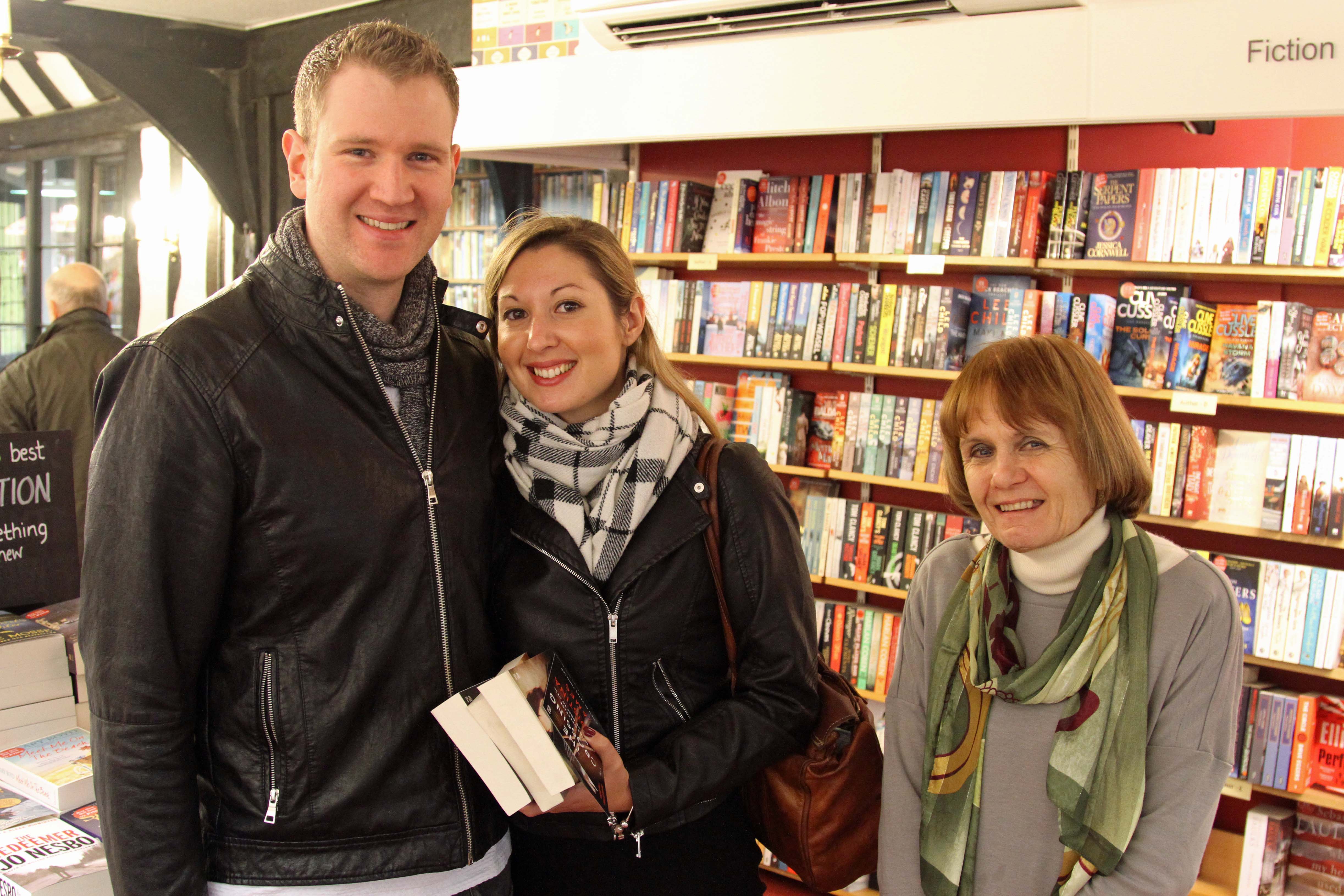
Forget the storm – the welcome in Bookmark is beautifully warm!

A warm welcome from Christine Hanson, owner of Bookmark
The Crossing seems fated to attract stormy weather! Recently, I described travelling through squalls and heavy rain to reach the pre-launch event at Harlow Carr. Yesterday, the day of the launch proper, a dual event organised by Bookmark in Spalding (Christine and Sam were wonderful as always!) dawned bright and clear, but by the time I’d arrived in Spalding it was starting to rain. The showers rapidly exploded into a torrential downpour which deterred all but the most stalwart shoppers, even though it was market day. By the evening, the rain had slackened but been replaced by gale force winds.
The day-time signing session had been as successful as possible under the circumstances. I enjoyed talking to some interesting people and was fascinated by what they had to say, but I was very nervous about the evening event. Though I knew the shop had sold a lot of tickets, I doubted that many members of my audience would want to venture out. Some, I knew, would have to travel quite a distance to get there.
Inexcusably, considering my antecedents, I had reckoned without the influence of true Lincolnshire grit! Everyone who had bought a ticket showed up, and there were a few on-spec visitors as well. No-one even bothered to mention the weather. The audience was among the best I have ever had: lively, engaged, perceptive and eloquent. Several of them had already bought The Crossing, even though it was first displayed in the shop only on Monday, and many more bought it at the event (and some of my other books, as well). I was impressed by the stamina shown by Peter, a member of Bookmark’s flourishing book club, who had sat down to read The Crossing solidly all day, finally finishing it a couple of hours before the event, so that he could talk about it.

Peter, having read The Crossing in a day!
I was both delighted and grateful to learn that the book club has chosen The Crossing as its next title, apparently the second time it has opted for a DI Yates novel.

A couple of readings
I told them a bit about how I’d come to write the book, especially the real-life event on which the opening chapter is based.

Background to the story of the first chapter
I think I’ve already mentioned it on this blog, but, for new visitors, here are a few details: When my great aunt was the crossing-keeper at a remote hamlet called Sutterton Dowdyke, there was a terrible railway accident. The Peterborough to Skegness train, in heavy fog, ploughed into a lorry standing on the crossing, derailing some of the carriages, which crashed into my great aunt’s tied lodge-house and turned it round on its foundations. She was physically unhurt, but her mind was affected for the rest of her life. In the novel, the accident is the catalyst for the whole chain of events that follows. A strong theme throughout is imprisonment and how a person’s character is affected when completely subjugated to someone else’s will: what integrity compromises must such a prisoner be obliged to make in order to survive?


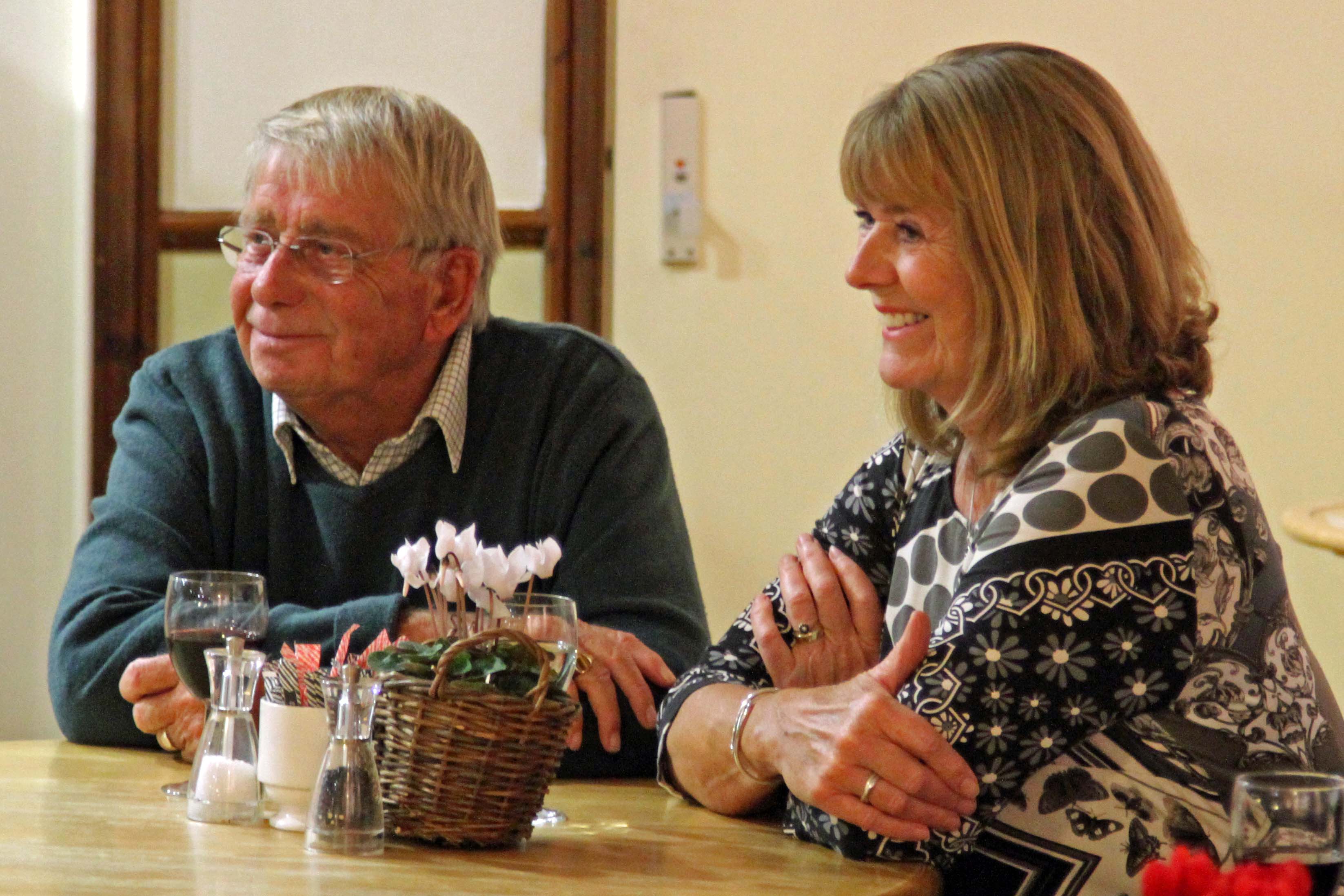
The Bookmark audience and I talked about this. We also discussed memory, place, old Spalding, what sort of research I carry out when writing the books, books in prisons, other books we like to read and the relationship between fact, memory and fiction. We concluded by discussing significant events in their lives that perhaps they’d like to write about.

add

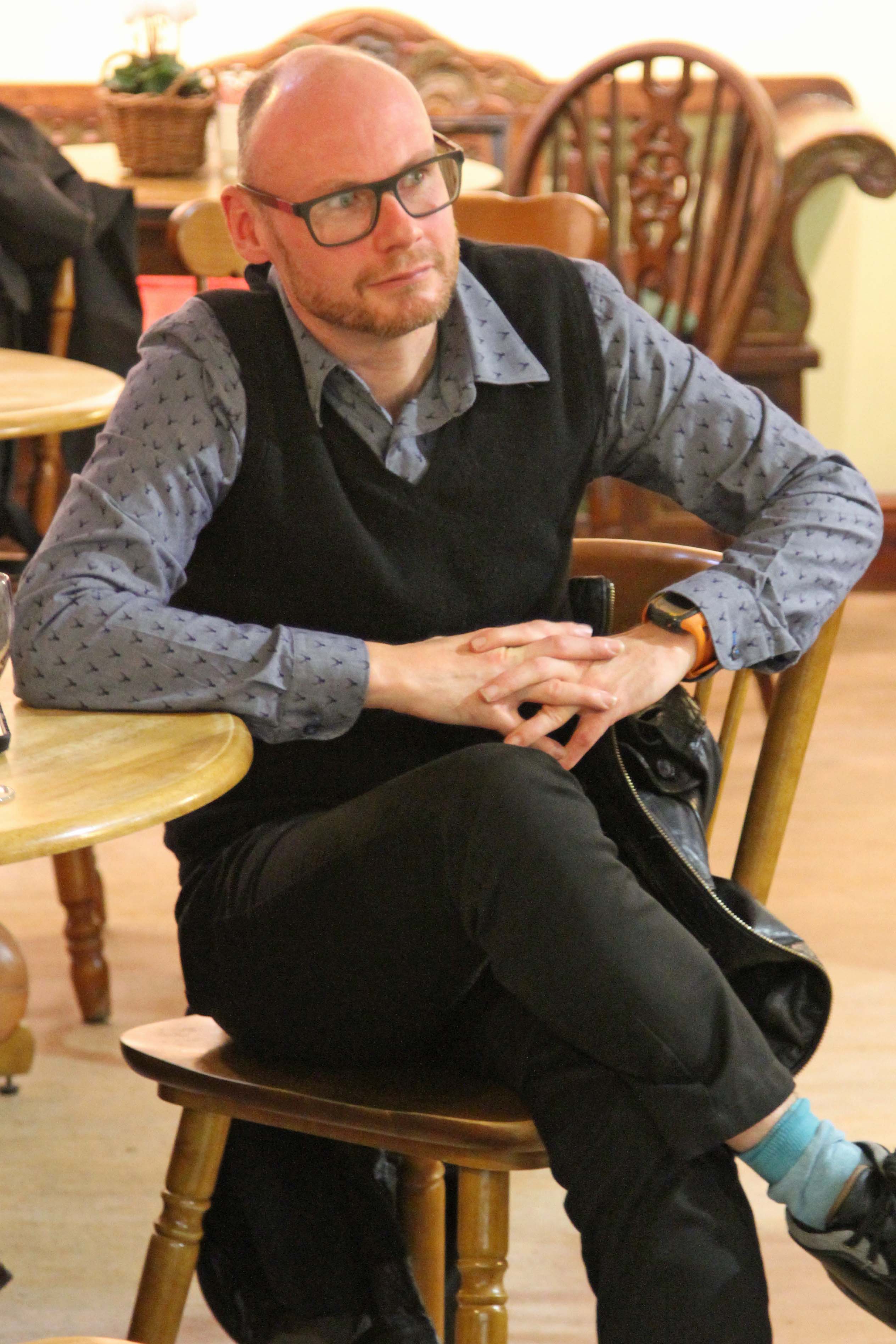


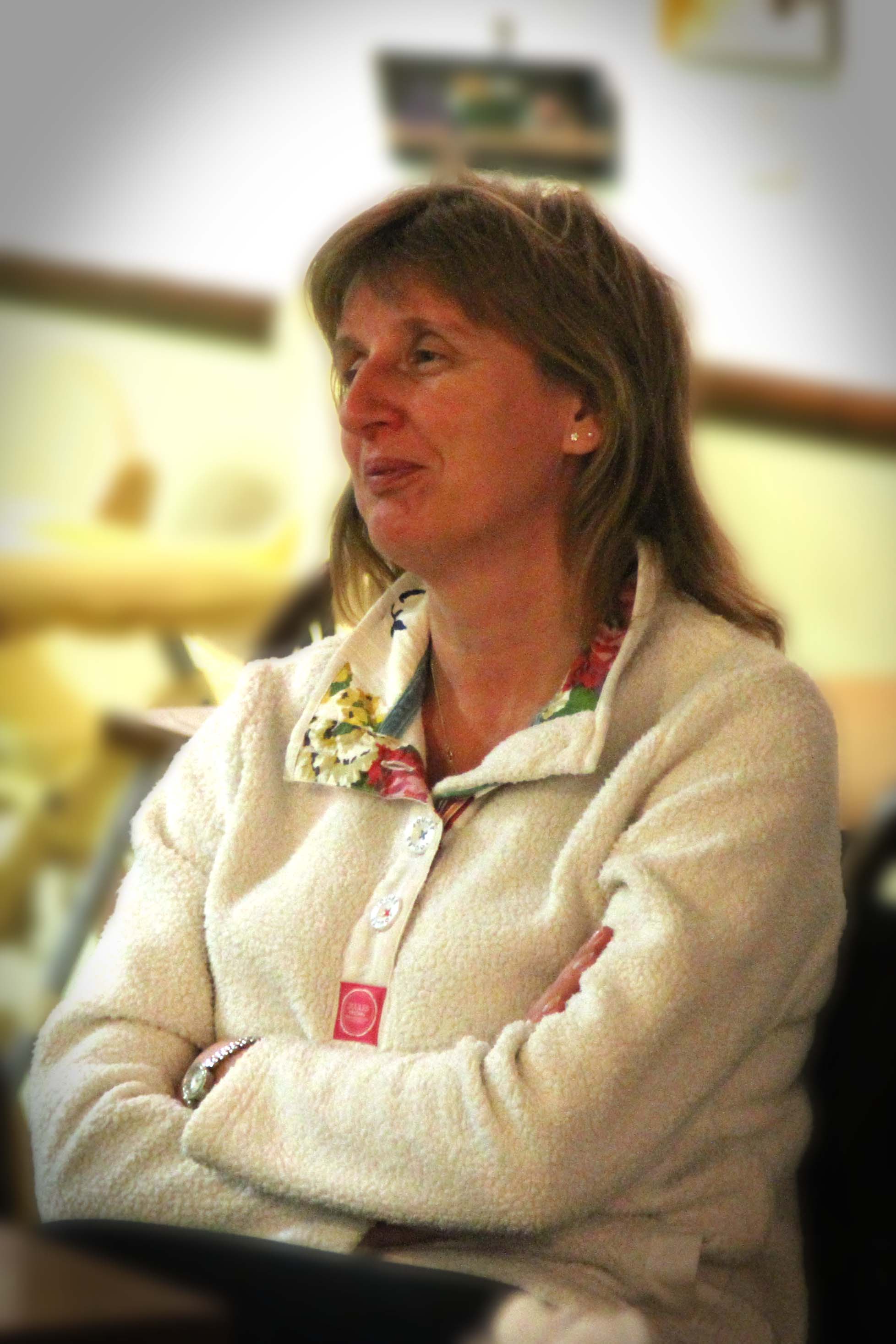
One very enjoyable moment stands out: a question from the floor to put the speaker on the spot! “What do you like to read?” Now I simply can’t resist buying books when I find myself in a bookshop and, since I had my purchases from Bookmark tucked under the table, I enjoyed sharing my tastes with a group of very like-minded people – interaction doesn’t get much better than that. 
I’d like to say how grateful I am to everyone who came yesterday evening, both for braving the elements and for all your wonderful contributions to the conversation. And heartfelt thanks, of course, to Christine and Sam.
I shall be popping in to Bookmark briefly again to sign a few more books on 17th December, if any of my readers is interested. If so, I look forward to meeting you then.
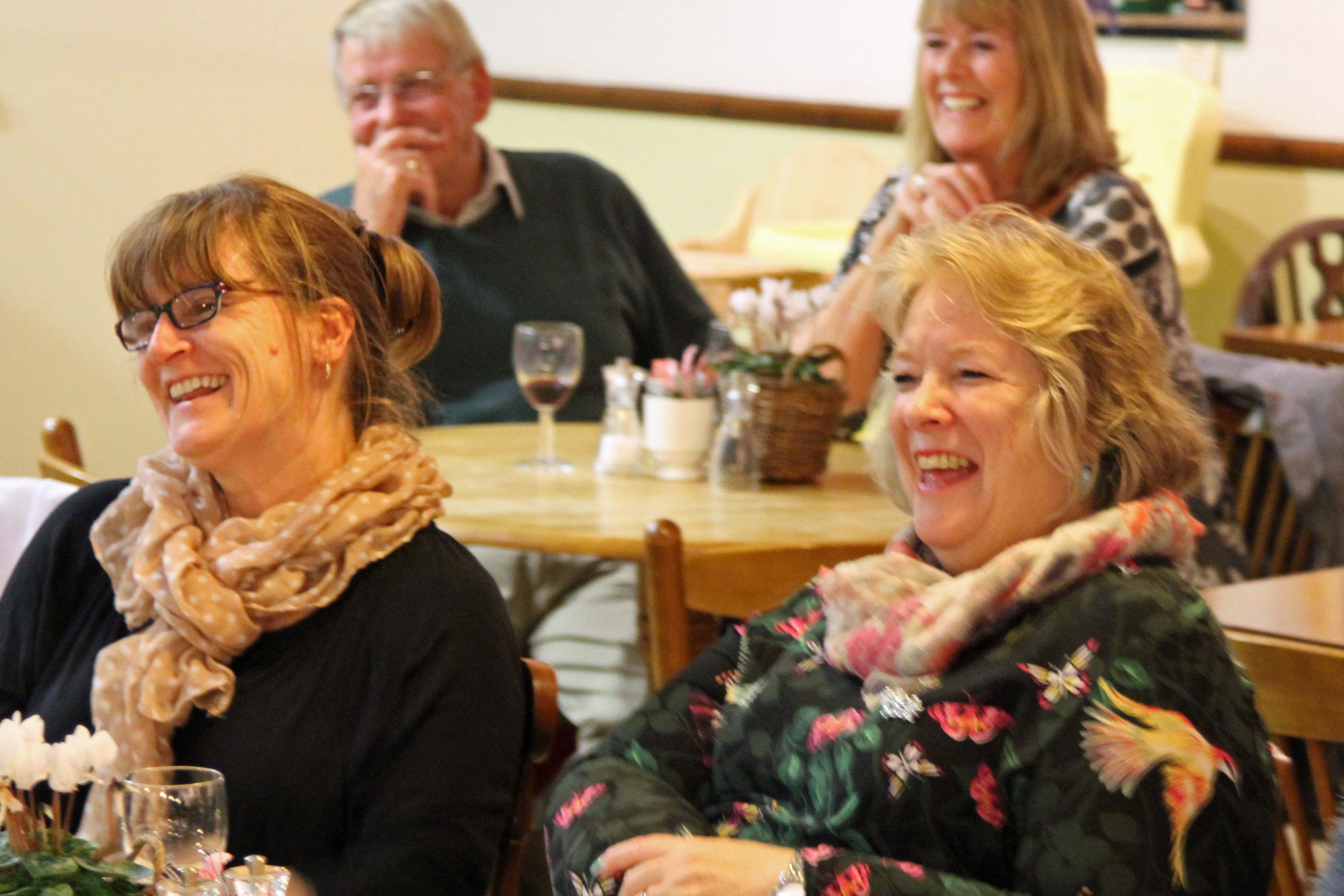
Harlow Carr: just the spot for a signing session!
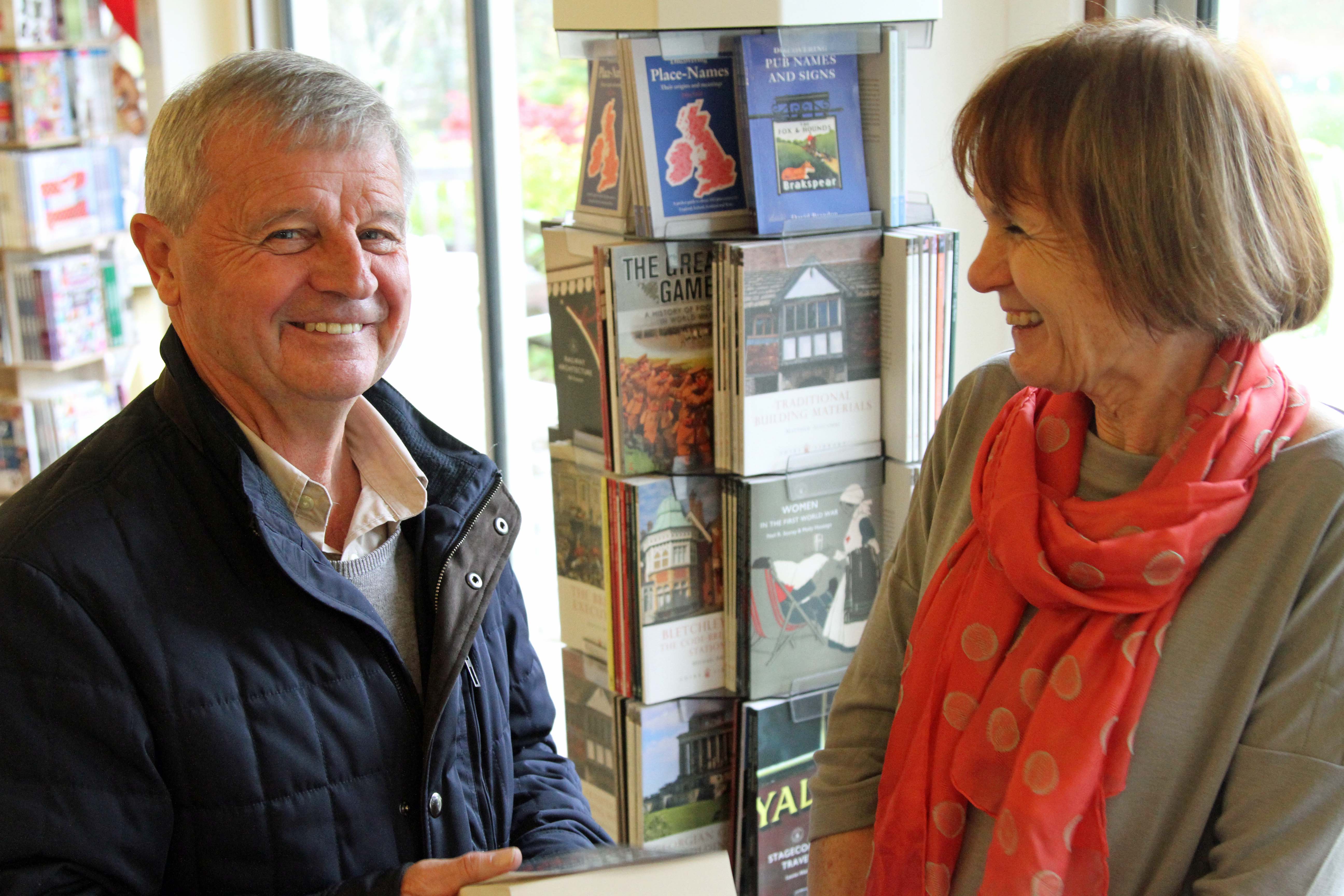
Yesterday, I felt amazingly lucky to have been invited to launch The Crossing at the bookshop at Harlow Carr Gardens, near Harrogate in North Yorkshire. (Strictly speaking, it was a pre-launch, my first ever!) I’ve been to Harlow Carr before, but a long time ago, and I think my first visit pre-dated the shop. It’s certainly well-established and flourishing now: it’s one of the loveliest bookshops I’ve visited and, some of its customers told me, undoubtedly the best one in the Harrogate area. Far from hiding its light under a bushel (or perhaps a pergola), it has succeeded in building up a huge clientele from many miles around. If you are ever in the vicinity, it’s well worth making a detour.
Yesterday dawned late. The weather was cold and squally, with sharp downbursts of torrential rain. As I drove further north, fewer and fewer leaves were clinging to the tress, while the roads and pavements were a whirling mass of auburn, chestnut and brown as the less tenacious ones came tumbling down and as rapidly began to disintegrate into sogginess.
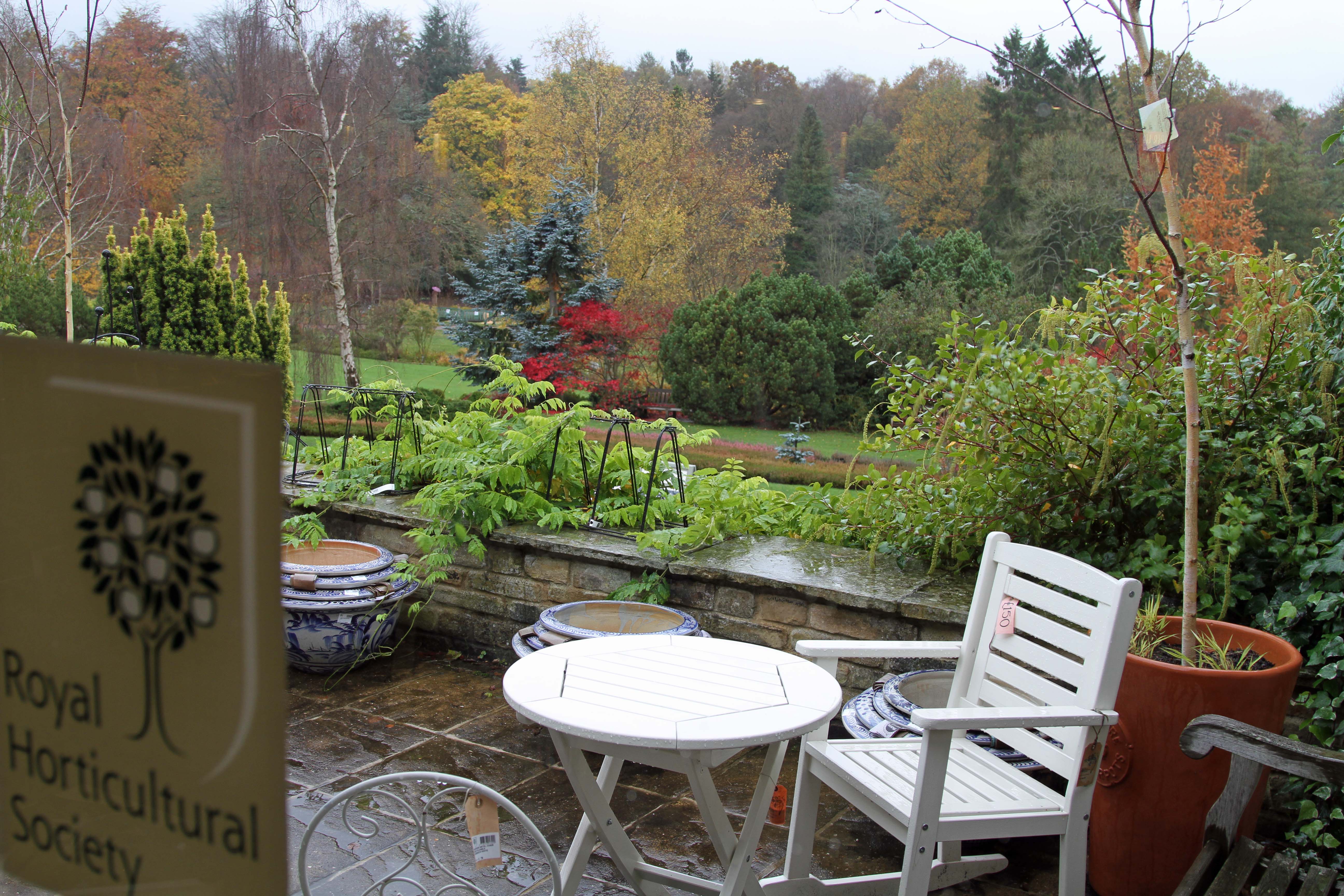
My view of patio, gardens and woodland
At Harlow Carr, the rain was thick and steady. The place is in quite a sheltered spot, in a hollow after a hilly climb on winding roads, so the trees that line the walks and the woods that form a backdrop to the formal gardens were still respectably clothed in gold and russet (though a vicious wind in the afternoon dislodged many of their leaves and set them swirling and eddying around the patio outside the shop). The shop itself was a haven of warmth and hospitality. Yesterday marked the launch of its Christmas stock: the bookshelves were heaving with tempting new titles and the rest of the shop was equally festive, a cornucopia of beautiful displays of cards, toiletries, accessories, seasonal decorations and all things Yorkshire.

Isabel, a truly professional bookseller
I was welcomed by Isabel and Nige, who showed me one of the best displays of my books I’ve ever encountered (helped, of course, by the fact that there are now four of them, clad in the distinguished Salt covers designed by Chris Hamilton-Emery, of which I am always so proud). My signing session was scheduled from 13.00 to 16.00 and, as it was already after 12.30, Isabel whisked me and my husband to Betty’s (Yes, Harlow Carr has a Betty’s as well! For the uninitiated, Betty’s tea-rooms are second to none on the planet.) to choose a delicious sandwich lunch. Then it was back to the staff room in the bookshop for a cup of tea. This was actually one of my favourite parts of the day. There are similarities between the staff rooms in bookshops the world over, so new ones are always reminiscent of my bookselling days and whenever I’m invited into one I immediately feel at home.
My three-hour signing stint passed all too rapidly. I met some very nice people and engaged in conversations on a huge variety of topics, from tractor seats to the novels of Peter Robinson and how I schedule my own writing. It was a new kind of audience for me: practical, engaged, leisurely. Almost everyone was wearing wellingtons or hiking boots. Many pushed children in buggies. All were wrapped up in glistening waterproofs against the rain.
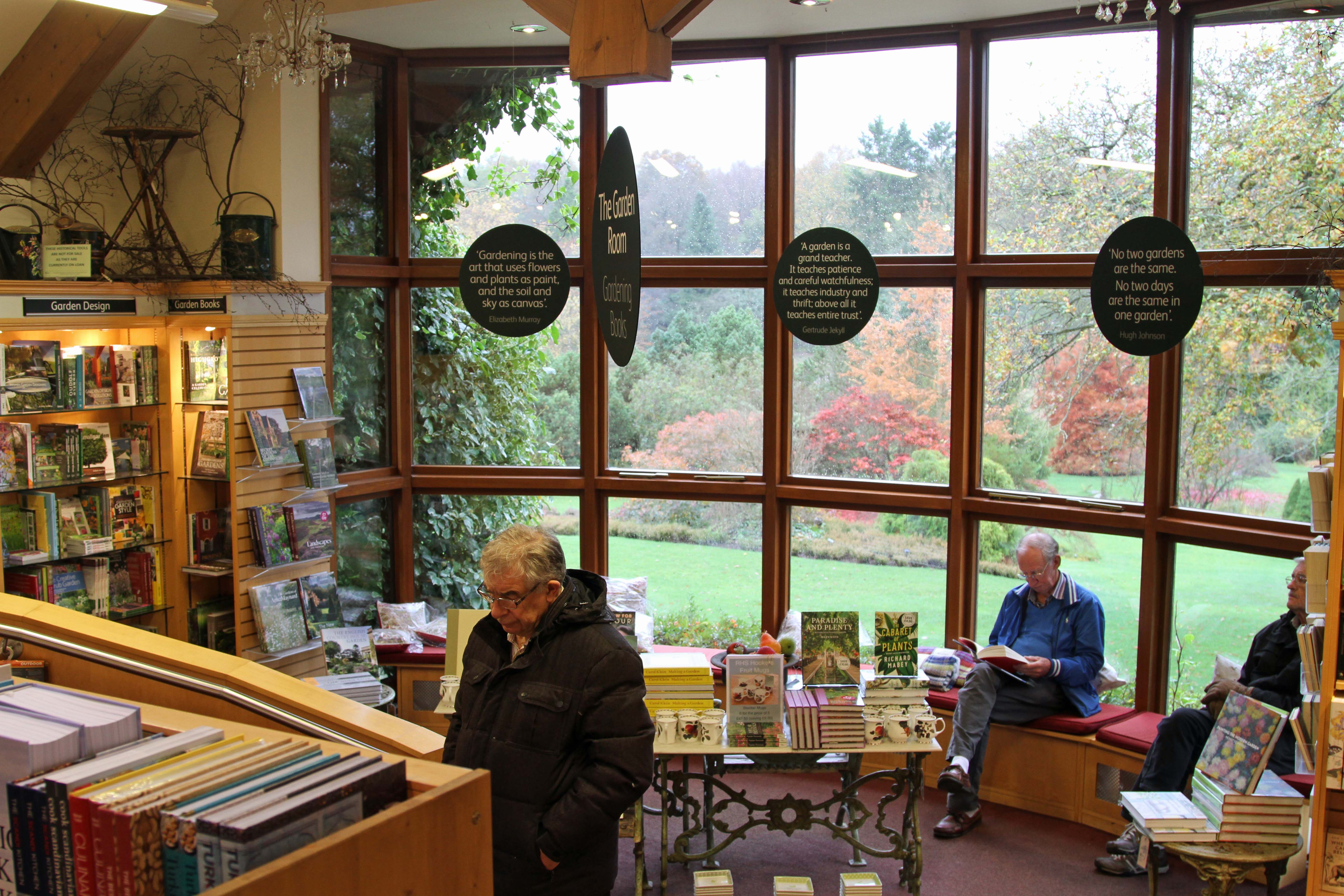
The lovely bookshop reading area
And very many people stayed in the shop for long periods of time, some of them upwards of an hour. I don’t think that it was just because they were sheltering from the rain: there is a rich variety of other places within the Harlow Carr complex where they could have done that. They were genuinely interested in (all kinds of) books and writing and also extremely careful when it came to choosing the ones they were going to buy. Every sale was the result of considered deliberation, whether of my books or those of other writers. It made me very proud and appreciative when the choice fell on one of the DI Yates novels!
I loved this shop immediately and appreciated the many kindnesses and efficiencies offered by all of its staff, especially Isabel, who continued to look after me for the whole afternoon until, off duty, I was able to roam the floors and make some purchases of my own. Isabel and Nige said that they’d only just started arranging author events (though you wouldn’t have known it from their professionalism) and kindly offered to keep in touch and invite me again. I shall be there like a shot!
I left one small present of my own: a complete set of the four DI Yates novels for the shop to raffle. Everyone who buys one of my books over the next month will be offered a raffle ticket, and the winner will receive the full set of books after the draw. If you live in Yorkshire or are planning to visit the county between now and the first week in December, perhaps this might provide a further small temptation for you to track down a very great bookshop!

Tablet

Some years ago, when I attended a Scottish Library Association dinner, I was seated with a Scotsman who, while consuming his third double Scotch, was castigating me for eating carrots, on the grounds that they are very calorific. “Ye need to watch carrots,” he said. “They make ye fat.” (To save readers of this blog the chore of carrying out any additional research, I am reliably informed by Google that a large carrot contains about eighty calories and an average cooked helping about forty. A double Scotch contains 110.)
I was reminded about this conversation during my visit to Glasgow, from which I have just returned. One of the most endearing things about the Scots is their love of all kinds of ‘unhealthy’ food and drink and their ability to justify this completely with no trace of guilt whatsoever. When I worked for a Scottish library supplier in Dumfries (not for nothing the home of the deep-fried Mars Bar – and I understand that ice-cream and frozen butter have now been added to the town’s repertoire), we had a fully-working canteen staffed by two stalwart ladies who believed that the way to cope with Scottish winters was to look after the inner man (or woman). The menu was always robust: lasagne and chips, pie and chips, and mince, neeps and tatties (often also including chips, though I never experienced triple potato dishes on the same plate in Scotland, as I have several times in Ireland), always followed by a pudding.
Visiting customers were also fed by the canteen, although they took their meals in the boardroom. On one occasion I suggested that a bowl of salad might make a nice change for some of our less valiant guests, instead of tatties or chips. The ladies looked at me in horror: “Salad? In the winter, hen?” The compromise was substantial plated salads (ham and egg pie, Scotch eggs or cold beef) with potato salad and… chips. The two canteen ladies were perfectly aware of health and fitness regimes, but, like most Scots of my acquaintance, simply not interested in them. “We know what we should eat,” as another Scot once said to me. “We just don’t like it.” I once discovered the canteen ladies, neither of whom was much more than five feet tall, running round the outside of the building before they served lunch. Both were scarlet in the face and dangerously out of breath. “We’re trying to get down below fourteen stone before Christmas,” explained one. “Aye, so we can have plenty to drink,” the other added.
So, by this gently circuitous route, to the main topic of today’s post, which is… ta da: TABLET! If you haven’t been to Scotland, it may be helpful to provide a definition at this point. Tablet is a cross between toffee and fudge. My guess is that it’s made mainly with lots of sugar and butter. It melts in your mouth and gives you an energy boost to die for. It’s as integral a part of Scottish life as Irn-Bru, Tunnock’s Milk Chocolate Coated Caramel Wafer Biscuit and shortbread. And at least as ‘bad’ for you.
But you wouldn’t know that either from the upright Scots attitude towards it or the name ‘tablet’ itself. Not only is the name majestic, imbued with ancient wisdom – think Moses and the ten commandments or Sumerian cuneiform script, both inscribed on tablets – but it has an authoritative ring, as if the product were essential to your health. It’s a word that conveys much more gravitas than ‘pill’, with its undertones of neurosis, hypochondria and birth control. Mention ‘tablet’ to a party of Scots men and women and they’ll know immediately what you mean: a joyous feast of what in other lands might be forbidden fruit, often consumed in quite large quantities. Full of northern promise.
Nowadays, tablet has an additional, very modern meaning: the name the IT industry has given to the small, streamlined machine with various multi-functional capabilities (Don’t ask me the difference between a tablet and a laptop, as I shall get very confused, even though I now own one of each, but I’m sure that one exists.). If anything, I feel, the advent of this chichi newcomer enhances the reputation and the possibilities of traditional Scottish tablet even further: how prescient of ancient Scots confectioners to come up with a name that would also epitomise sexy technology to upwardly-mobile thirty-something educated men and, by extension, their baffled but trusting mothers and fathers.
And hats off to the Cambridge University Press marketing team – as you would expect, no slouches when it comes to words and their meanings – for picking up the potential of both meanings of the word and, at the same time, providing joy to everyone passing by their stand at the conference by dispensing unlimited quantities of this Scottish toffee-fudge to maintain energy levels during three days of worthy but occasionally soporific talks.
Assalamu alaikum, people of Kuala Lumpur
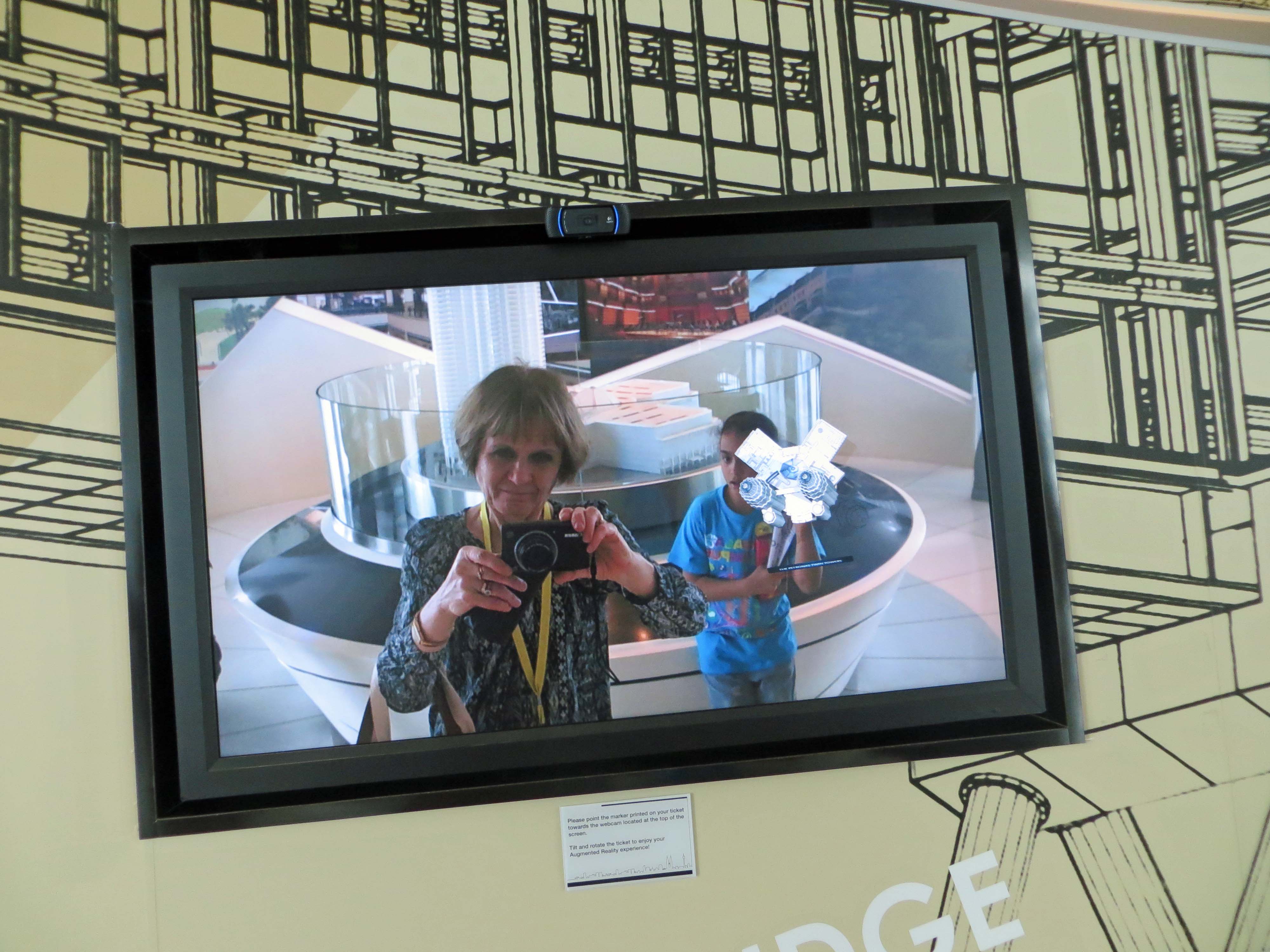
Composing oneself at the top of Petronas Towers

“It’s only a model!”
Last week, the day job took me to Kuala Lumpur. I was away for five days, two of which were spent travelling almost around the clock (mad, I know, but I assure you it was worth it!). Once I had arrived, I was privileged to be the honoured and somewhat overwhelmed guest of two universities in the city. My impressions of the country and its people during so short a stay, although vivid, are therefore inevitably sketchy, so I apologise in advance for any observations that may strike those who know Malaysia better than I do as either incomplete or simply wrong.
Malaysia is a young (just over half a century since independence), very proud country, and also a thrustingly ambitious one. All of these qualities are epitomised by the twin towers – the Petronas Towers – that were built in the KLC district of the city in 1998 and are now the tallest twin towers in the world. Following many recommendations from my Asian colleagues, I chose to spend most of my single free half-day travelling to them and taking the tourists’ trip to the top. As the Towers are eighty-eight storeys high, this provides a panoramic view of Kuala Lumpur and delivers a 360-degree demonstration of just how much development work is taking place there. High-rise buildings are everywhere and many, although dwarfed by the Petronas Towers themselves, are giants by UK standards. Nor is it all about size: most of the buildings are beautifully designed and Malaysians are increasingly strict about the standards of architecture they consider acceptable for their capital city. Whilst at the top of one of the Petronas Towers, I was lucky enough to see an inferior skyscraper being demolished: it collapsed in clouds of black dust.

In the race to the top, one down… and more, I think, to go.

A view from the bridge… between the towers

Another view from the bridge
As I’ve said, my impressions are based on only a little information, but it did strike me that Kuala Lumpans are in such a hurry to become world leaders that they are in danger of destroying not just their immediate past, but also their much older heritage; and this notion resonated with some of my colleagues when I voiced it. I saw little architecture in the city that was more than thirty years old and nothing at all that was likely to have pre-dated my own birth.
Yet, paradoxically, despite their keenness to ‘get on’, the overwhelming majority of Malaysians whom I met, almost all of whom were extremely well-educated, were gentle, polite, courteous, humorous and modest. They were not ‘go-getters’ in the sharp-elbowed sense. They have their own, highly honourable, way of making progress in today’s world. Much of this stems from the fact that they are also very devout. At both of the universities that I visited, the call to prayers sounded five times each day. The prayer rooms hold only twenty to thirty people and those not able to take part exactly on the hour await their turn patiently, but they make it quite clear, whatever the task in which they are engaged or the conference or focus group to which they are contributing, that prayer comes first.
Despite this apparent unanimity about how things should be done, I did observe some collisions as Eastern values met Western ones; not, however, at the universities, where highly-qualified librarians and academics have no problem with reconciling traditional dress and customs with exacting, high-profile jobs. The suite of rooms in which our meetings took place are normally occupied by eminent doctors and surgeons and are designed to help them relax from cutting-edge medical research and surgical operations. That we were very privileged to have had them generously give up these quarters to us for a whole day was not lost upon us.
Most of the men and women employed by the university wear traditional dress. This is at once exuberant and dignified. The men’s tunics and the women’s shalwar kameezes (they call them this, even though mostly the garments consist of three-quarter-length tunics and long skirts, rather than trousers) are beautifully made, often embroidered or sequined, and frequently in very bright colours. Sometimes the women wear tailored versions in heavy silk. The more austere outfits are a little more nun-like, and stick to plainer cloth – usually cotton – in light blues, greys and navy. But all these advocates of traditional dress wear their clothes with pride and often the women fasten their hijabs with many-jewelled brooches or enhance them with a framework of pearls. I saw no black burqas or niqabs at the universities.
Where I did see one such outfit was at the Petronas Towers. Since these are frequented by tourists, its owner may not have been Malaysian. I could see from her eyes and deduce from the age of her husband that she was very young – probably a girl still in her teens. And she didn’t look unhappy: he was holding her hand and they were walking along together, laughing. What was striking was the difference between this couple and another Asian couple (again, of course, I cannot make an accurate guess at their nationality), also taking the Twin Towers tour and also holding hands. The girl, also probably in her late teens, was wearing a short-sleeved black T-shirt and immaculate, but very short, white shorts.
How will Malaysia’s future unfold? From now on, I shall be fascinated to observe and find out. I hope that it will prosper as it wishes, and I also hope that it will at the same time manage to preserve its heritage and its traditions. I think that its most prominent religion may be the key: this week I was extremely honoured to have been able to immerse myself in how true Islam – tolerant, humorous, friendly, hospitable and forgiving – makes a huge contribution to the world in which we live.

A sense of proportion?

And a sense of scale

And so high above all those!

A few degrees of the 360
 Christina James, crime novelist