

Heneghan’s Birdeye
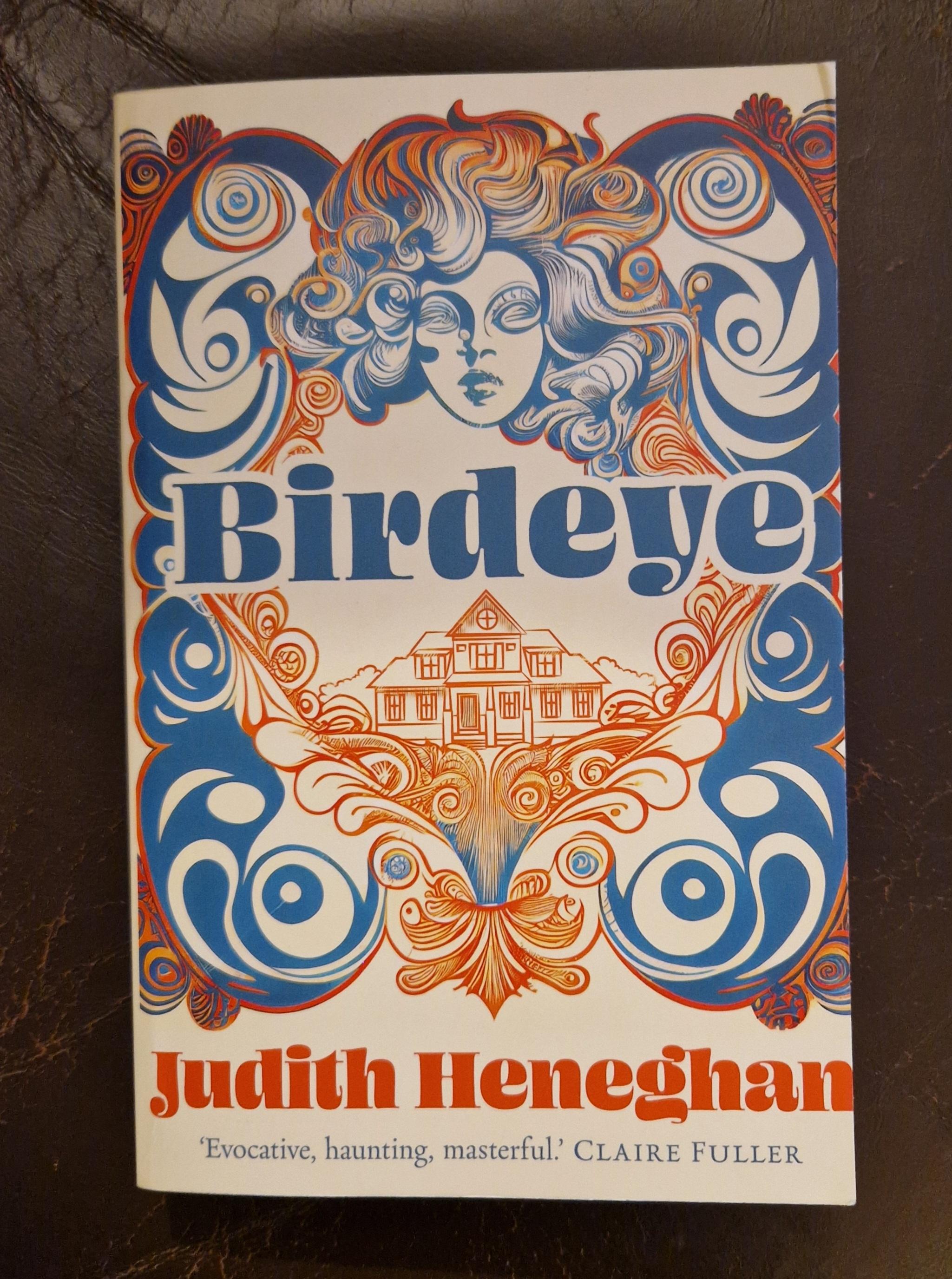
Birdeye is not all it seems. It is about a world that is always both more and less than it seems. It’s set in a hippy commune in the Catskills but that is the least important thing about it – the hippiness has been skilfully used by the author to enable the baring – and concealing – of emotions with greater poignancy than would be possible if she were to depict a more buttoned-up world.
There is a strong sense of fatalism about the circumstances in which the characters find themselves – yet, ironically, each one of their lives has been shaped by two casual sexual encounters that took place decades previously, when hippiedom was at its height.
The central character, Liv, Is in some ways reminiscent of Rachel, the protagonist of Judith Heneghan’s first novel for adults, Snegurochka. (Henegan is also an accomplished children’s author.) Like Rachel, Liv is a strong woman somewhat bewildered by the environment in which she finds herself, yet determined to battle her way through the problems that it throws up. Rachel’s problems, however, are largely caused by the alienness of her situation – she is a new mother trying to cope in a cold and hostile country, with only limited support from her partner – whereas Liv’s problems are the result of the continually shifting nature of the relationships that she has come to rely on. Ironically, she has driven away Eric, the man who was for many years her mainstay, by simply not recognising him sufficiently clearly as an individual in his own right. Eric is still her friend, but he now has another family and has set clear boundaries which Liv may not transgress.
Liv has twin daughters, the product of a fleetingly transient coupling immediately after she left school. Rose, angry and beautiful, is mentally disabled; Mary, practical and clever, has left behind Birdeye and her mother’s adopted country of America to practise law in London. Besides Liv and Rose, the other regular inhabitants of Birdeye are Sonny and Mishti, a brother and sister of mixed white and Indian heritage who are completely committed to each other. They have a dreadful secret that has only been shared with Liv and Eric. With their help, Liv used to run Birdeye as a retreat where guests could come to meditate and find themselves; but its glory days have passed and Sonny and Mishti now wish to seek greater fulfilment by joining another community where their support is needed.
Liv’s world is rocked by Sonny’s announcement that he and Mishti are moving out and the practically simultaneous appearance of Conor, a strange young man who turns up at Birdeye and stays to help, but whose support is tinged with a veiled malice that Liv senses but cannot explain. As the novel unfolds, Conor’s links with Birdeye’s past and the increasingly hostile attitude of the local community to Liv’s ramshackle approach to maintaining the property home in on her in a pincer movement, until she feels trapped. Assistance comes from an unexpected quarter, allowing Liv to reappraise love and friendship through a new lens. Birdeye is about mistakes and redemption; shifting norms and values; the weight of history; the elusiveness of liberation; and what it really means to love. Like Judith Heneghan’s other work, it is beautifully written. It portrays a universe of magical intensity. It wears its symbolism lightly, yet almost no sentence is superfluous, which is why it well repays re-reading. One small example: “If Liv was the roof and floor of the Birdeye House, and Rose, the air within it, then Sonny and Mishti were its four walls, holding everything together.”
Ukraine: an author’s evocation of Kyiv (Kiev) in the 1990s
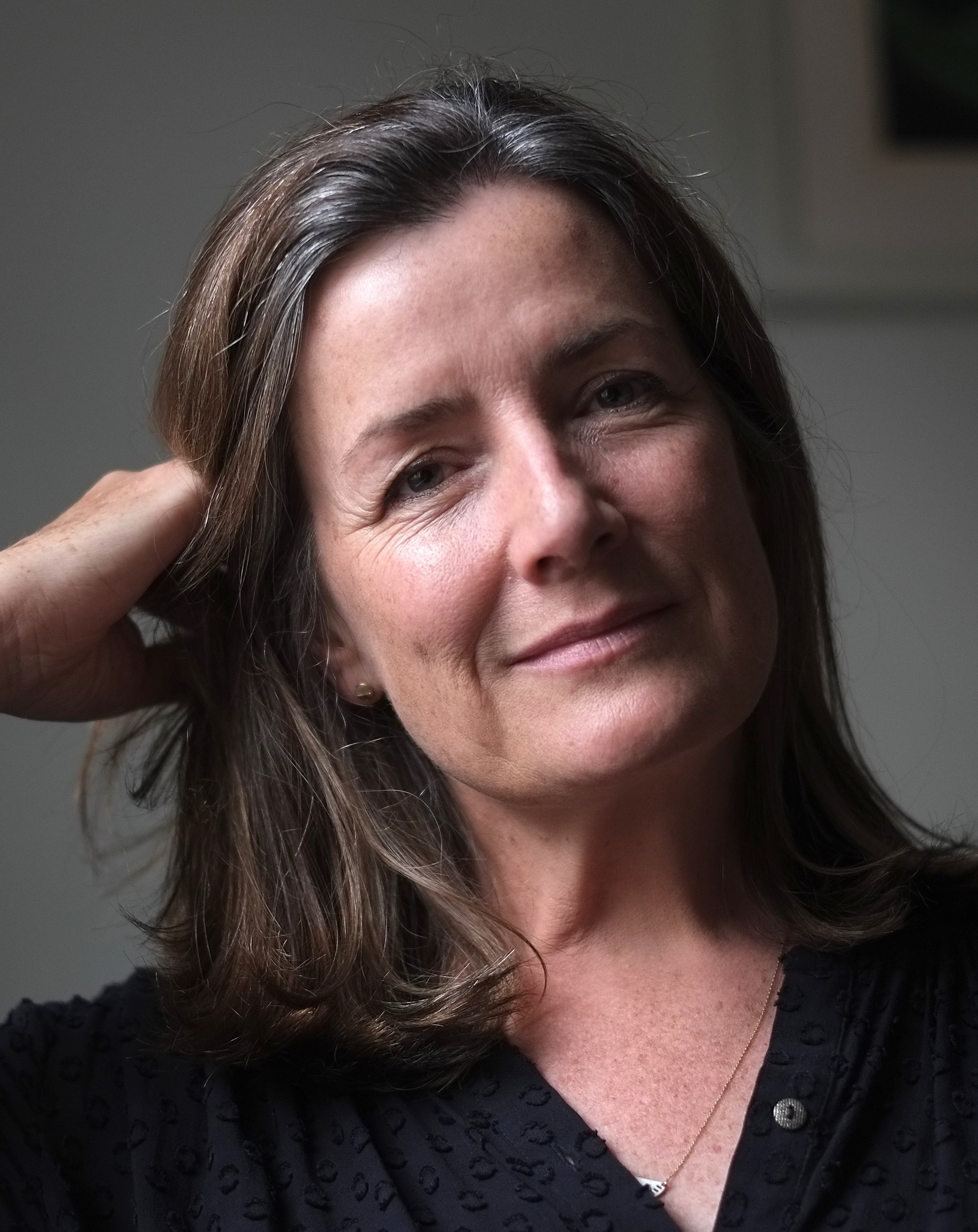
Today’s and tomorrow’s posts both touch on the war in Ukraine and feature interviews with an author and a publisher who have a marked affinity with the country. In today’s post, Judith Heneghan talks about Snegurochka, her debut novel for adults (she was already a prolific children’s author when she wrote it), which is set in the Ukraine of the 1990s, shortly after the breaking-up of the Soviet Union. The novel was published by Salt in 2019.
Q: Snegurochka is set in Kiev in the 1990s. Briefly, could you describe what it’s about.
A: Snegurochka is the story of a young English woman, Rachel, who lives in newly independent Ukraine in 1992 with her journalist husband and their new baby. Isolated, unable to speak Russian or Ukrainian, she develops a crippling fear of the balcony at their apartment. The city below is distrustful of foreigners and reeling from economic freefall, but her own needs create dependency and soon she is caught in a frightening endgame between the elderly caretaker, a money launderer and the boy who lives upstairs. Each is defined by their past, but Rachel doesn’t know how, until it is too late. All she wants is to keep her baby safe.
Q: It is a very powerful novel. Does it draw on personal experience?
A: Yes, I am drawing on personal experience, in that I lived in Kiev (as we called it back then) with my journalist husband and our new baby. This allowed me to use my own memories of places and public events. However, the characters are all invented; we were far too boring. I have placed made-up characters and their problems in some real environments with many fictitious scenarios and outcomes. I think this is how much fiction is written – it’s a potent mix of experience and imagination. I am drawing on my memories of how hard it was to make friends, to find nappies, to navigate a city where people still carried the legacy of famine, invasion, suspicion and, of course, Chernobyl.
Q: Have you visited Kiev again since you wrote the book? Had it changed?
A: I did visit at the end of 2018, although I chose not to go back before then, while I was writing the novel, for fear of recent changes diluting my memories of thirty years ago. And it was such a joy to find that what I loved about Kiev remained – the exquisite churches and monasteries, the broad, tree-lined boulevards, the cobbles and cafes and the over-priced (still) Bessarabsky Market. However, what had made it a difficult place to live had changed. Now people seemed open, welcoming, happy to smile, to talk to strangers. Young families were everywhere. There were, also, new memorials and shrines to those who had lost their lives in Crimea and Donbas since 2014 – another layer of history now ran through the city’s streets – but the atmosphere was vibrant, forward-looking, hopeful.
However, one theme of the novel is the way we as foreigners might think we know a country and a people. My impressions in 2018 were superficial, and of course any place is much more complicated than that.
Q: You must feel particularly horrified by the war in Ukraine. Are there people (especially writers, but anyone) there you are in touch with? Are they safe?
A: The war is utterly horrifying. I think most Europeans feel this, and of course when one has lived in a place that is being bombed, there is more to imagine, and perhaps it is less easy to forget. But the journalists we mixed with back in 1992 have all moved on, and I had very few Ukrainian friends because of the language barrier. So no, I’m not in touch with people there now. I watch the news, feeling helpless, as do we all.
Q: If the novel were to be made into a film, who would you choose to play Ruth? And Lucas?
A: Absolutely no idea! Lucas is described as looking like the Marlboro Man, if anyone remembers those ads…
Q: Are you working on a new book now? If so, can you describe it very briefly?
A: I am working on a new novel, yes. It is set in the Catskills, in Upstate New York, in a small, hippyish commune-style community on the verge of folding. It has young strangers in it, and a river, and mountains and pickups and dogs…
Q: Who are your own favourite authors – both classical and contemporary?
A: Oh, I feel a list coming on… in no particular order, Elizabeth Strout, A M Homes, Zadie Smith, Hilary Mantel, Sebastian Barry, Colm Toibin, Joseph O’Connor… less contemporary (and the loves of my late teenage years) John Steinbeck and Thomas Hardy.
Q: I understand that you teach creative writing. What would be your top three tips to would-be authors?
A:
- Learn the conventions so that you can break them.
- The scene is the queen (unless… see above).
- Don’t worry if you don’t have a plan.

Christina’s summer, aside from work!

Despite all my good intentions (and I’m very grateful to Lisette Brodey, Laura Zera, Val Poore, Sylvia Peadon and Tamara Ferguson for the supportive empathy they have shown me over my failure to keep up to date with social media generally!), the summer mostly slipped away without my posting on this blog. However, I met some great people at literary events over June, July, August and September and want to share those occasions with you before they become distant memories.
On 16th and 17th June, I attended the Winchester Literary Festival for the fourth time, partly to conduct one-to-ones with twelve new authors, partly to give an updated version of the talk I first delivered last year (‘Whodunnit: how it’s done’), which, as last time, attracted a large and enthusiastic audience. Winchester has now become one of the most important dates on my calendar: it’s a brilliant festival, thoughtfully and imaginatively created by Judith Heneghan, who lectures in creative writing at the university, and efficiently organised by Sara Gangai. The guest talk that takes place first thing on the Saturday morning is always a treat. This year’s speaker was Lemn Sissay, the performance poet.

Lemn Sissay
Lemn’s talk was full of wit and unusual insights: for example, he said that every single day we are part of a privileged generation because we have the Internet. “We are at the most exciting time for words that there has ever been. So how can it be that the point of view that the Internet promotes rubbish is always held above that that says the Internet promotes beauty and genius?” And: “Every day I wake up and think of ways that I can promote writing other than the book. But the book is the greatest gift you can give any child or adult.” My own books were kindly stocked and sold, as always, by staff from P. & G. Wells at the festival book stall; they also gave me a signing session, when I met several new and a few old friends.
July 6th was the next big date for me, as the legendary bookseller Richard Reynolds had invited me and eleven other authors to participate in his summer evening of crime at Heffers bookshop in Cambridge.

Reading at Heffers
I was particularly pleased to meet Barbara Nadel, whose books I have read with real enjoyment. We were each asked to describe ourselves and read, in not more than two minutes, a short extract from our latest novels (Richard’s assistant had a bell and said that she was “not afraid of using it”!). This actually worked very well: it’s surprising how much you can get across in two minutes if you think about it beforehand and try hard.

Richard Reynolds, in rapt concentration during the readings
Afterwards, there was a drinks reception at which all of our books were on sale. The audience numbered more than one hundred (Cambridge is a real Mecca for crime enthusiasts!) and we all sold lots of copies.

Busy at Heffers
Wednesday 12th July followed hard on the heels of the Heffers event. I had the good fortune to be invited to a Houses of Parliament reception (held by the Booksellers Association, Publishers Association and the charity, World Book Day) for authors and booksellers, with MPs and peers.
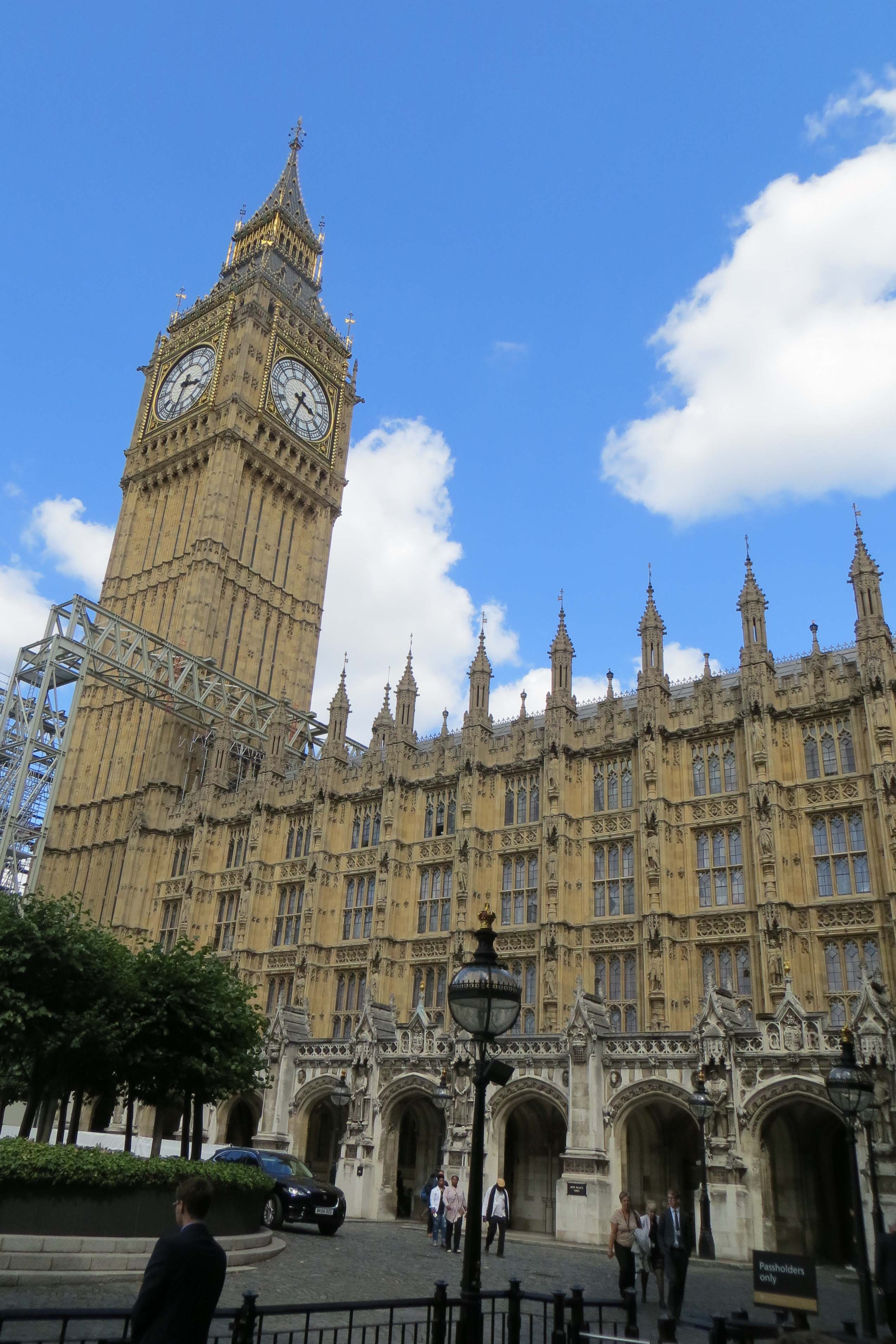
Before the bell was silenced!
There I met several booksellers who have supported me by stocking my books, including Sam Buckley, from Bookmark in Spalding, who over the years has generously given me a launch event for each of them. The event was hosted by Dame Margaret Hodge, who emphasised the civilising influence of both books and booksellers on our society (a sentiment about which I need no persuading!).
Last but not least, on 15th July I was invited to give ‘A Morning with Christina James’ at Spalding town library. This was a round-table event, at which I read a couple of excerpts from In the Family and Rooted in Dishonour and then talked to the audience about how I came to write the novels, my own Lincolnshire roots and, most important of all, their views on fiction. I was delighted to be able at last to meet Sharman Morriss, the librarian, having been told at one of the Bookmark evenings that she tirelessly promotes my novels to her customers. Sharman then put me in touch with Alison Wade, her colleague at Boston town library,
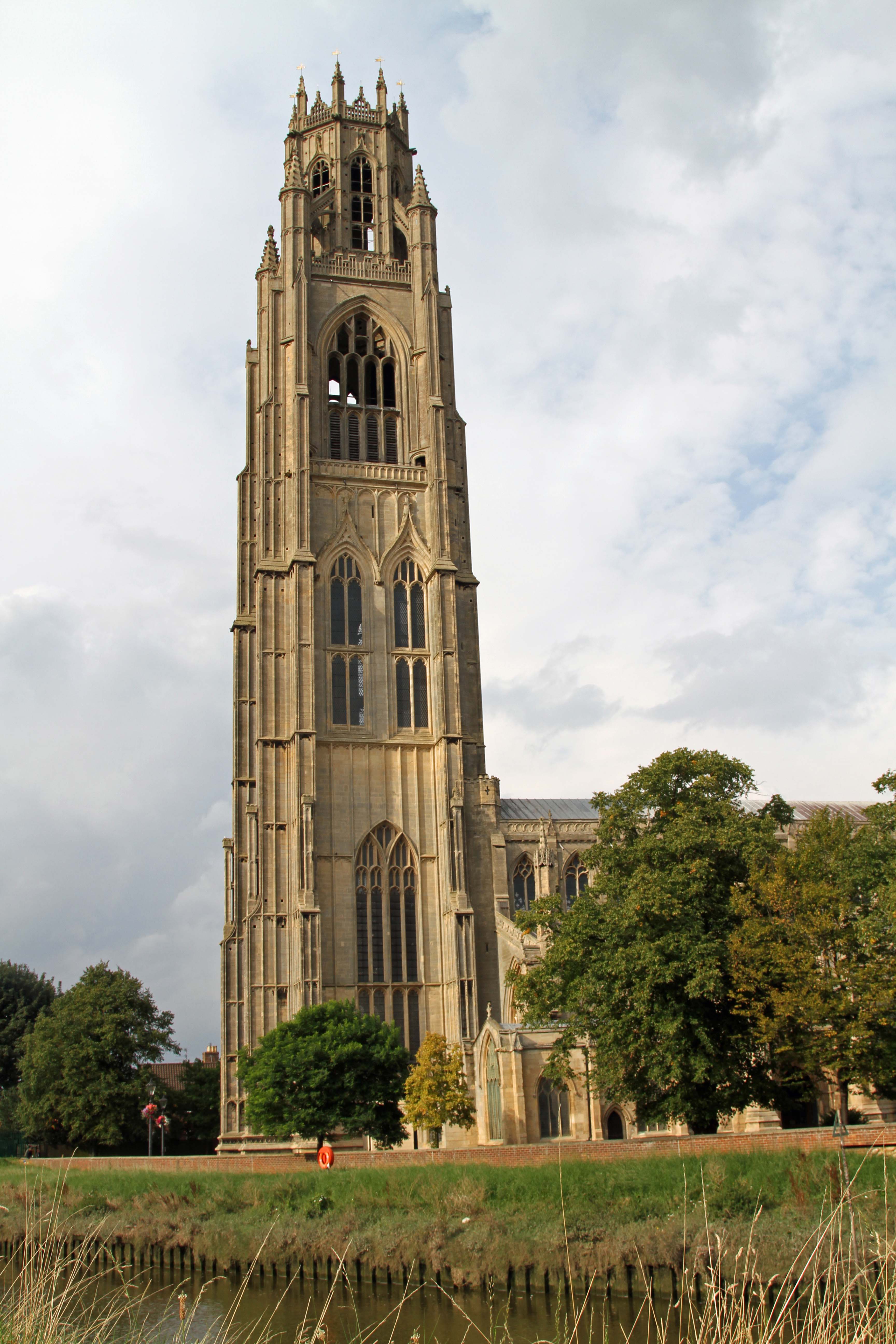
Boston Stump (the library is just the other side of it)
which has been holding a month-long crime-writing festival during September. Alison very kindly asked me to open this on the afternoon of September 1st, when I talked to the audience about my own books and what they like to read. I was really pleased to have been able to meet readers and new writers on this occasion.

Alert readers at Boston!
Fair of Face, the sixth novel in the DI Yates series, will be published on 15th October.
I’ve diligently been updating my Twitter header and posting the new novel’s cover here and on Facebook! Bookmark in Spalding is providing a signing session on the afternoon of 16th October and an evening launch event on 19th October and I know both will be memorable moments for meeting friends old and new. If you would like me to come and talk at your local bookshop or library, or to your reading group, just let me know.
Oh, and hello again to all my readers here!
[An apology to Spalding Library – I’ve temporarily mislaid my SanDisk – a picture will follow!]
The art is in the telling at Winchester…

Judith Heneghan, Festival Director
I’ve just returned from two days at the University of Winchester Writers’ Festival. It is one of the more famous and established UK festivals, now in its thirty-fifth year. It was my own first visit, however, so I know nothing of its previous history, but I do know that Judith Heneghan took over as its director this year. Before I write more about the festival, I’d like to thank both Judith and Sara Ganjai for their superlative organisation and unfailing good temper during the whole two-day period. It was a wonderful occasion, extremely well-attended, that also benefited from taking place at the exact point of the summer solstice (Stonehenge is, of course, not so very far from Winchester) and during two days of exceptional sunshine, which itself contributed to the general good humour. Nevertheless, I know from my own experience of organising events that there must have been many small hiccups and minor catastrophes which Judith and Sara and their team handled silently and efficiently, whilst always appearing entirely unruffled. Judith is already putting her own stamp on the festival as it enters a new era: an innovation that she has introduced this year is a scholarship programme which awards ten free places to young writers. It was my privilege to have been able to meet some of them.
Early on Saturday morning, Joanne Harris gave the keynote talk. This was planned as the pivotal event of the festival and it did not disappoint. Introducing her, Judith said that she had invited Joanne because she is an extraordinary writer who defies categorisation: her characters are memorable to both young and old and she is not afraid to take risks with her writing.
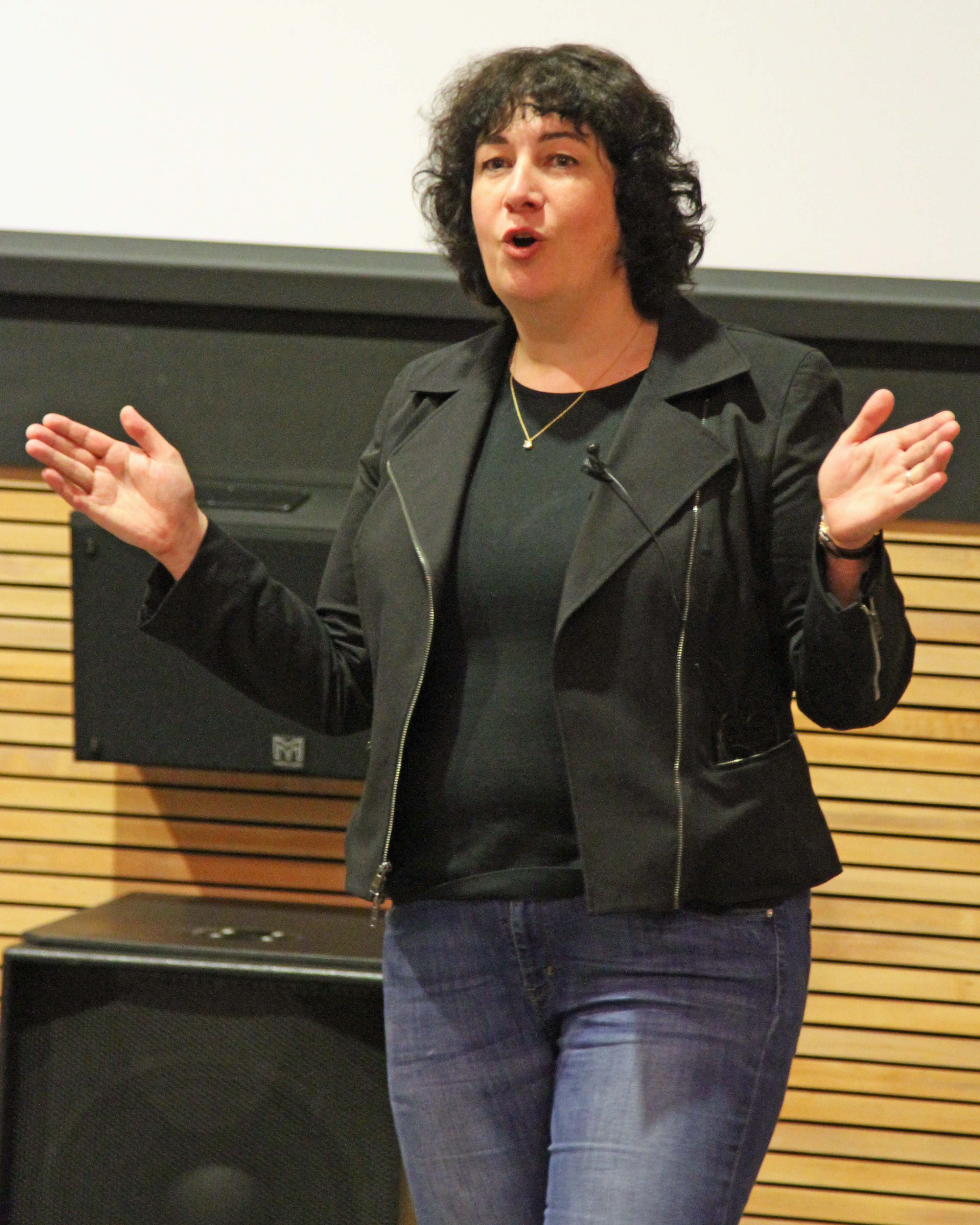
Joanne Harris, Keynote Speaker
Joanne began by saying that finding stories and recognising their value is sometimes more important than telling them. She herself grew up in a house full of stories. However, both her her parents were teachers, so it was clear (some enjoyable irony here!) that she also was being ‘genetically groomed’ to be a teacher. Her mother was quite a tough matriarch and when, aged seven, Joanne said that she’d like to write books, her mother said ‘Oh, yes, is that so?’ and led her to her own bookshelves, which were full of the works of dead French authors and poets (her mother was French) who she said had died destitute in the gutter. ‘Darling, this is why you need a proper job.’ Joanne said that actually all writers need a proper job and that hers (as a teacher of languages at Leeds Grammar School) had, in fact, provided her with many stories!
She continued with an anecdote that was personally fascinating to me, living as I now do in South Yorkshire, about Barnsley Library, which she was allowed to join, aged seven, and issued with a pink junior ticket. This was not the library that exists today in Barnsley, that I am myself familiar with, but its forerunner. She said that it was situated above the Centenary Rooms and was characterised by a big vaulted archway, an odour of damp and dust… and utter silence. There was only one shelf of books considered suitable for children: Joanne instantly wanted to know what the ‘unsuitable’ books were about, particularly as her mother had herself acted as censor of Joanne’s reading and imposed several ‘banned’ categories, including works of fantasy and science fiction. However, mythology was allowed and consequently the first book Joanne took out was The Thunder of the Gods, by Dorothy G. Horsford. She was held spellbound by this book and borrowed it many times subsequently, until, aged nine, she was allowed to obtain a blue ticket and join the adult library, even though you were supposed to be thirteen before you could do this (I’ve written elsewhere about how I was similarly allowed to join the adult section of the library in Spalding while I was still at primary school.). As an example of ‘stories coming back to bite us’, she said that many years later she found herself looking for a copy of The Thunder of the Godsto give to her daughter. It was long out of print, but she managed to track down a copy on Amazon’s AbeBooks. When it arrived, she realised that it was the same copy that she had borrowed from Barnsley Library as a child. This anecdote was an inspired way of introducing her latest book, The Gospel of Loki.
Joanne Harris concluded her talk with some thoughts on her theory that telling stories has a ‘chaos effect’. She said that a properly-written story can do all sorts of things: it can change people’s lives, make them want to read (or not to read) or empower them. She had been surprised to find that reading Chocolat had inspired some of her readers to open chocolate shops. Chocolat had itself spawned lots of other stories. Her publishers had asked her to write a cookery book that included some of the recipes that she’d featured in Chocolat, and although ‘not much of a cook’, she’d agreed to do this because she wanted to give the proceeds to Médecins Sans Frontières to supports its fight against sleeping sickness in Africa. Because of her donation, MSF sent her to the Congo, where she stayed for two months – longer than she had intended – and, in a remote village, met a very old woman, who was probably in her 90s and spoke French. She’d never left the village and found it difficult to envisage where Joanne had come from, but they each had a fund of stories about similar things: magic, witches and rivers. Joanne collected many stories from her and concluded that this was an example of the ‘chaos effect’ at work. When the old woman had recovered from her illness, she got up to leave with all her possessions piled on her head. Looking back over her shoulder, she delivered her parting shot: ‘Remember this: stories do everything. You should encourage other people to write stories. Write some of my stories: they are good stories.’ This was an inspiring note on which to end the keynote address of the festival; indeed, as a talk to inspire budding or struggling authors to keep on writing, in my own experience this one has had few equals.
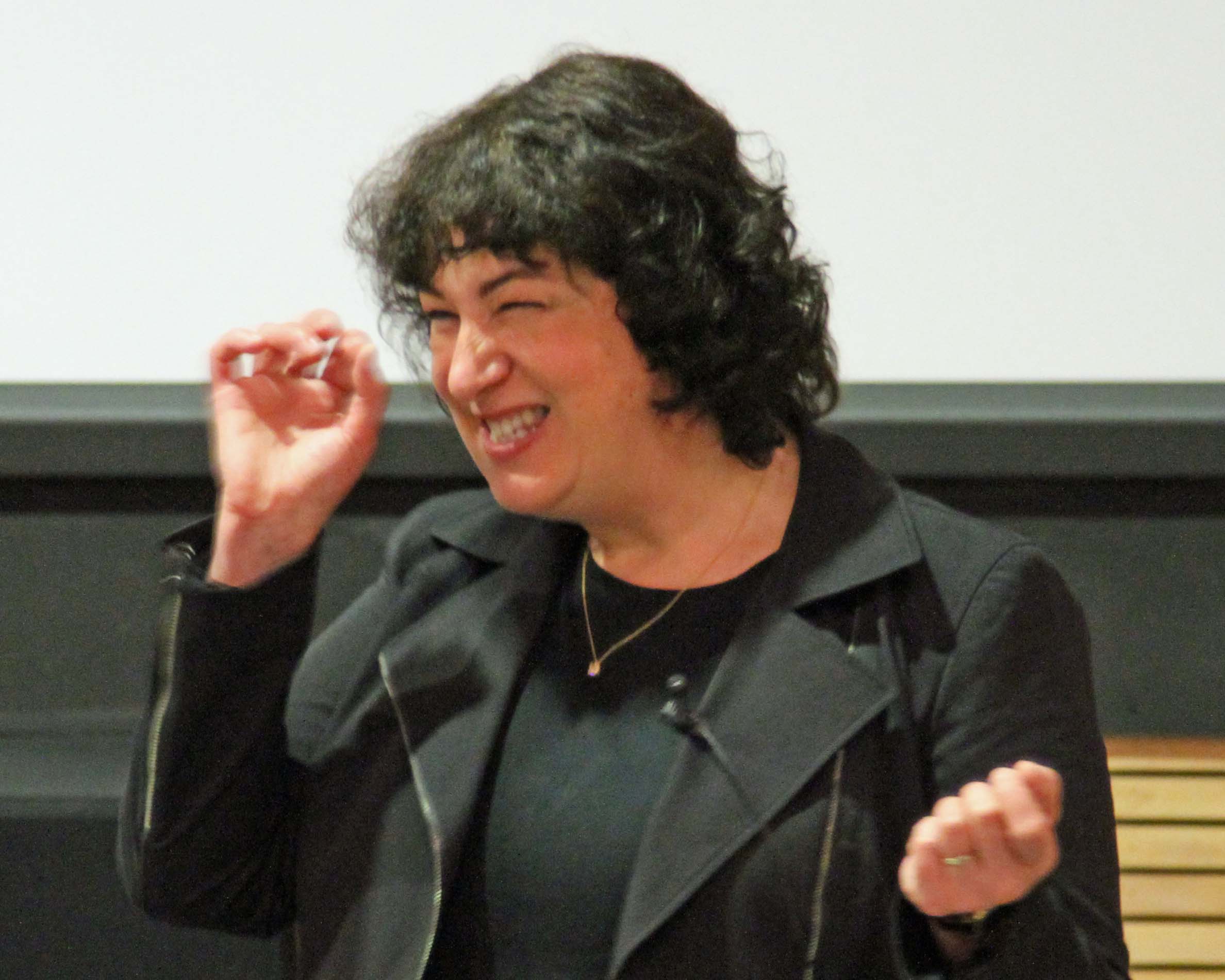
A lively delivery!
This is already quite a long post, but I can’t conclude it without mentioning a few other things that particularly struck me about the festival. Firstly, there was the book stall, run with unfailing professionalism and courtesy throughout the entire event by David Simpkin and some of his staff from the P & G Wells (independent) bookshop in Winchester. I’m proud to welcome David to this blog and delighted to have him as a Twitter friend. I’d also like to pay tribute to the creative writing students at Winchester University, who worked hard to make sure that all delegates had exactly what they needed at all times. Finally, I’d like to thank the many authors who chatted to me and shared with me their ideas and experiences. It was a very great pleasure to meet you and I certainly hope that some of our paths will cross again. If you’re reading this now, welcome here!
 Christina James, crime novelist