
Author friendships and a fine novel: The Physics of Grief

One of the best things about being a writer is the unexpected opportunities you get to meet and correspond with other writers. I use the word ‘meet’ in its widest (post-COVID) sense, which may mean Zoom or Teams meetings, webinars or online chat as well as face-to-face encounters.

I first met Mickey J Corrigan digitally – we have never met in person – in my capacity as an editor for Salt Publishing in 2016. Mickey, an American author, had written a book entitled Project XX, subsequently published by Salt in 2017. I was privileged to edit it – the book required minimal alteration from me – and the long email correspondence that ensued – and continues – has mainly been about sharing our ideas and experiences as writers. Project XX is an incisive satire about America’s gun culture, high school shootings and materialism. Sadly, it is as relevant today as it was when it was first published, as the recent Texas school massacre shows.

This single-sentence blurb describes it so eloquently that, although I can’t remember who wrote it, I am certain it must have been Mickey: “A darkly humorous story of girls on the rampage that will grip you by the throat and won’t let go until you gasp for breath on the final page.”

The main purpose of this post is not to review Project XX, however. Instead – with permission – it is primarily a page-long quotation from Mickey’s The Physics of Grief, a crime noir novel which is sadly no longer in print. Another powerful satire on the American way of life, it describes the career of Seymour Allan, a man in late middle age who is offered the job of professional griever by the mysterious Raymond C. Dasher. Seymour embarks on the strange occupation of being paid to ‘mourn’ at the wakes and funerals of some very unpopular people. He cares for a dying criminal who tries to murder him; he attends unorthodox funerals in the Florida Everglades that are probably illegal; he encounters trigger-happy gangsters and an alligator and meets Yvonne, a sexy redhead mourning her mobster boyfriend.

The Physics of Grief is beautifully written, quirky, erudite – though it wears its learning lightly – and profoundly funny. If you are a publisher and think it may appeal, please contact me and I will put you in touch with Mickey.

There were seven of us not counting the one in drag. Together but with much difficulty we managed to lift, shove and roll the massive body into the deep and muddy hole. After he had landed – with a resounding splat – we high-fived each other. It took us another hour to fill in the hole and pack down the wet dirt. Finally we covered the fresh grave with branches and brush, leaves and acorns, pebbles and small rocks, until the burial area blended in nicely with the surrounding environment.

Very much a natural burial. Except for the fact the gravediggers were most likely murderers, and the body that of a murder victim.

Also, in this case, there was no marker. Obviously, no one would be coming here to mourn their loss. Their very big loss.

As we worked, the night had closed in around us. The hum of mosquitos had died down and the crickets were singing from the trees while tiny bats swooped overhead. An arc of juvenile egrets swept upwards with a whoosh and flew off together. The moon rose in a silver sliver and bright stars popped out across the black sky.

The men talked among themselves, joking around and laughing. When I finished up I stood off to the side, scratching my bug bites while they smoked cigarettes and chatted. I tuned them out. I didn’t want to know. All I wanted was to get away from them in one piece. But I was afraid to leave. What if they didn’t let me go? What if they saw me as an outsider, a witness to their crime?

I needn’t have worried. My friend in drag pointed to me and reminded his peers, “This guy’s on the clock. He’s gotta go.”

All the men shook my sore hand and a few slugged me on my sore shoulders. They were dirty, sweaty, rough-looking gangsters, but okay guys.

My guide and I retraced our steps over the trail to the lot. We halted once to allow a hunching bobcat to scurry past, a fresh-killed rabbit in its mouth. Barred owls swooped down, capturing rodents in the tall prairie grass. The hooting of great horned owls, their deadliest enemies, was seriously creepy.

When we arrived back at the well-lit parking area I still felt nervous. I headed for the SUV, hoping my new mobster pal wouldn’t shoot me in the back before I reached the safety it offered.

He didn’t. He did call out to me, however. “Hey! Aren’t you gonna ask me?”

When I turned around, he was standing with his hands on his hips, head cocked to the side. The wig hair shone a brilliant gold in the light of the street-lamp overhead.

Did he want me to ask him who the dead guy was? How he’d died? If they’d murdered him? Why they were allowing me to leave after witnessing what they’d done?

My legs felt weak and I stuttered for a few seconds before he interrupted me.

“I’m transitioning, bro. But it’s early yet. I got a long ways to go.”

All rights reserved © Mickey J Corrigan 2021

Three great librarians and what makes them tick

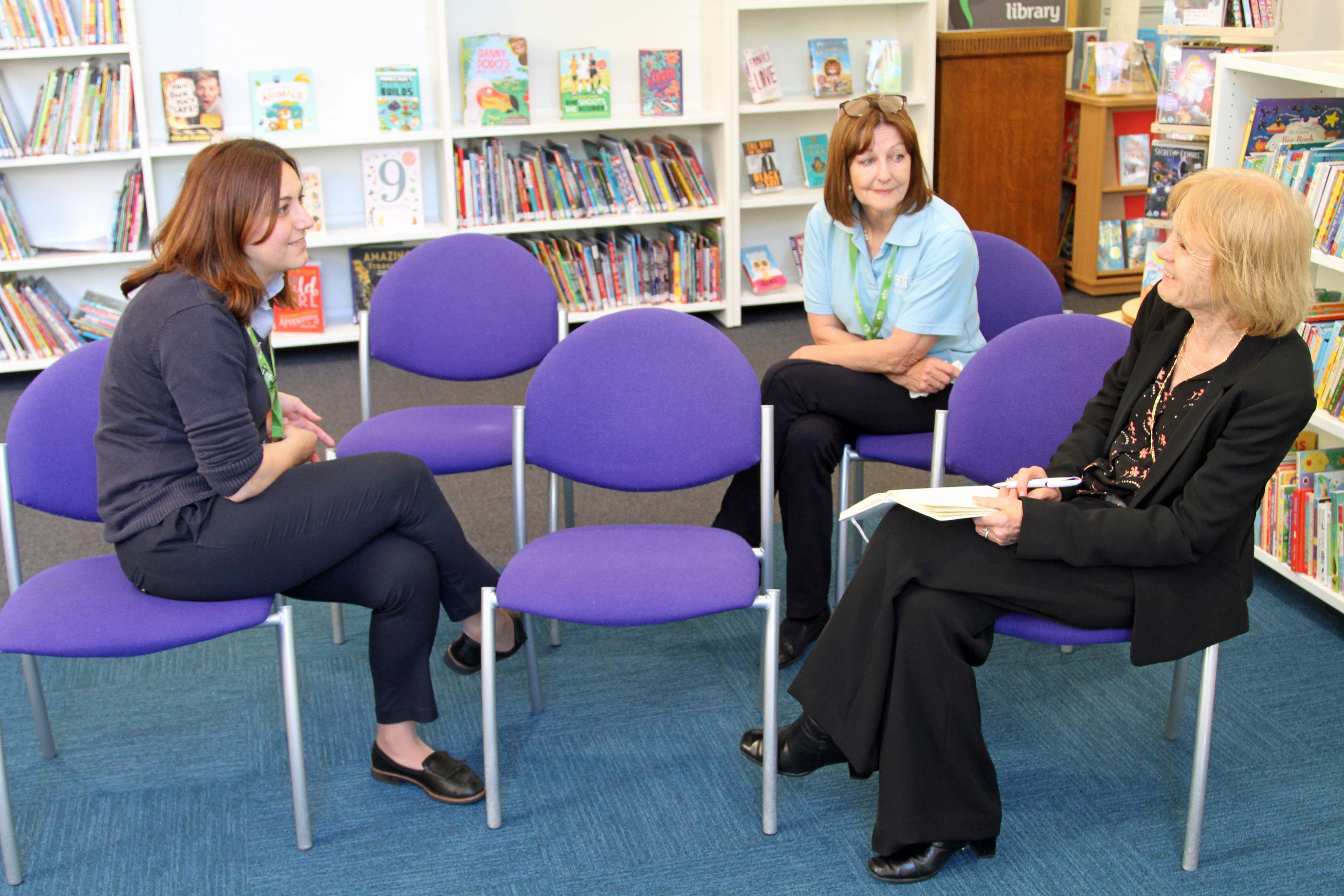
The lovely Gainsborough Library

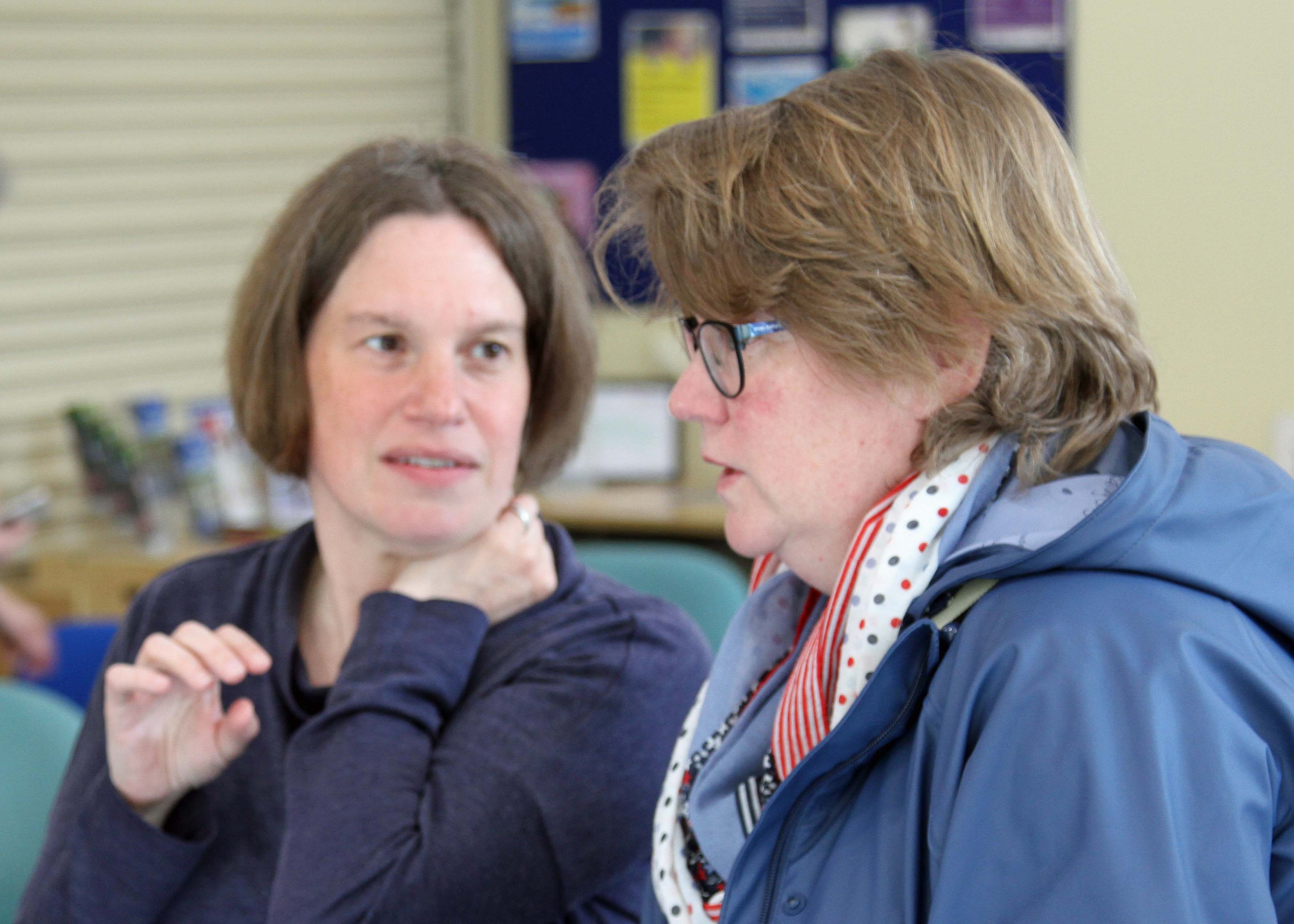
This month I shall be lucky enough to give talks at four Lincolnshire libraries: Horncastle, Mablethorpe, Long Sutton and Sleaford. The first two are on Thursday. In the first instance they were arranged by Lynne Kershaw, who has welcomed me to Gainsborough Library several times. When I was last there I asked Lynne and her colleagues to describe what it means to be a librarian.

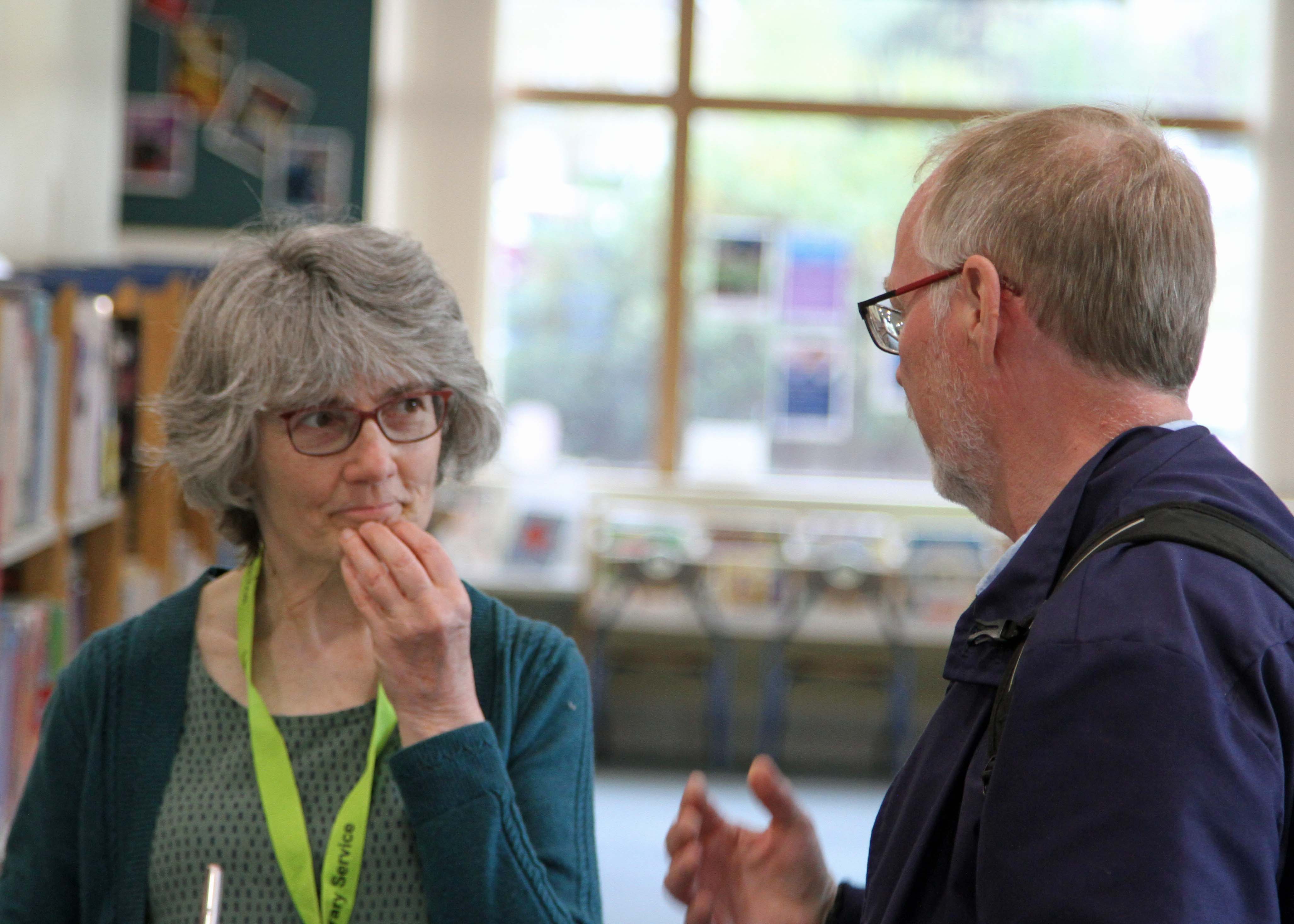
On 24th May, it was my privilege to be invited to give a talk on crime fiction at Gainsborough Library in North Lincolnshire. I had visited the library before and was looking forward to the warm welcome that the librarians, Lynne, Fabi and Jill, always provide.

A relaxed interview with librarians Fabi and Jill

Between them they have devoted fifty-one years to the library (Lynne has worked there for twenty-six years, Fabi for nineteen and Jill, seven). I asked them what inspires them. What makes them so committed to their jobs?

They said they love reading and books, being with people and helping those who use the library. They are much more than advisers about and dispensers of books: their patrons confide in them and often need their support to help sort out problems.

“There’s a lady who’s been using the library for a long time who told us she had been bereaved. She was very lonely and needed to get more activities into her life. We put her in touch with people who could help her. Now the only free day she has is Tuesday.”

These librarians are particularly devoted to helping children. “We want to inspire people to read. It’s a real joy when children want to come in and choose books to read. There are still many families who have no books at home.”

The library has set up a writing group of a special kind. Led by a journalist, it aims to provide therapy for people who are depressed or suffering from a disability. And many people who visit the library regularly come to use the computers. Being able to access computers has become a crucial element of all library services since applications for government benefits switched to online. Often people who are entitled to benefits don’t have computers of their own and, quite frequently as a result, they don’t know how to use them. The librarians have had some training in assisting with this, but the technology is always changing and it’s sometimes hard to keep up with it. A ‘computer buddy’ therefore offers sessions in the library on Mondays and Tuesdays. The library is made available to other groups and societies who want to use it, too.

Lynne, who is the library manager, said that her mum used to bring her to Gainsborough Library when she was very small – she thinks from the age of seven. Recalling what the library was like then, she remembers that all the books were catalogued in card index files and there was always an old bloke smoking a pipe who had come in to read the newspapers. (The library has kept its collection of old newspapers.) After she left school, she worked in a bank; then, when she had her first child, she looked for a job in the library and has been working there ever since.

Lynne, Gainsborough Library Manager

They organise as many events as they can cope with. ‘My’ event was obviously about crime fiction. Many events are intended to keep children reading: they were preparing for a sequence of Platinum Jubilee events when I was there. They will also launch a Summer Reading Challenge, which will last for six weeks. A separate event is planned for each week and children are encouraged to read six books in the period. Each time they read two books, they receive a prize, and a certificate when the challenge finishes.

Despite all this activity – and very hard work – the librarians say that it is sometimes difficult to explain how librarians and libraries add value. They are continually having to justify their existence to the government and others who scrutinise the (relatively modest) costs of running a public library service. “It’s hard to define qualitative work.”

As an author, I can say librarians have certainly added shed loads of value for me – and, I’m sure, for other authors, too. It’s not just the joy of being welcomed to a place where my novels are really appreciated or the buzz of being invited to talk about writing – though both are of course important – it’s achieving the holy grail of being able to interact with readers in the flesh, of having the chance to ask them what they like to read, who their favourite authors are and what they think of individual books. In my experience, readers pull no punches – but they are also amazingly generous. The amount of time they are prepared to spend on reading my books and afterwards thinking and talking about them is truly humbling. It may sound trite to say it, but readers are the lifeblood of writing; and authors would attract far fewer readers if librarians did not devote every day to promoting their books.

The influencer: Linda Hill, founder of Linda’s Book Bag

Picture copyright Linda Hill

Linda Hill founded Linda’s Book Bag in February 2015 and has never looked back, rapidly becoming one of the most influential blog-based reviewers in the country.

As to how she built up her huge following, she says:

“I went on to Twitter and followed all the authors I knew, then searched for publicists and publishers. I put out a few reviews and quite soon I was asked to do a blog tour. It just grew from there – people started sending me books and requesting review space on the blog. It snowballed after the lockdowns. During the first one, I was receiving 200 emails a day. It’s even escalated since then – I’ve just been out to meet someone for coffee and when I got back there were seventy-four new messages waiting for me.”

Linda always refuses payment for anything connected with Linda’s Book Bag (she is a guest reviewer for My Weekly and does accept payment for that). She says she doesn’t want to be paid because her aim is not to act as an advertiser: it would compromise her own morality and she would find it distasteful. She does not, however, give bad reviews. “I can’t read everything I’m sent – nine books arrived this week. It’s wonderful to get a book through the post, but that doesn’t mean I’ve promised to praise it. If I read – or start to read – a book I don’t like, I contact the person who sent it to me and say it’s not for me.”

Once she has met or reviewed an author, Linda often keeps in touch with them. “Lots have become friends – I’ve been to their homes and they’ve been to mine. One of the things I most like about the book community – I mean the genuine book community, people who really love books and writing – is how mutually supportive it is.”

She has only had a couple of negative experiences over the past seven years. One author sent her a book to arrange a book tour and she discovered the book had been ‘completely stolen’ from another author. The author ‘disappeared completely’. And sometimes people who contact her are ‘not as polite as they could be’ – they may take it as a given that she will want to read and review their books.

As well as running her blog, Linda is one of the organisers of the Deepings Literary Festival, now in its third year. The original plan was for it to take place every two years, but the 2020 and 2021 events had to be cancelled owing to COVID restrictions. The festival took place this year, so the next one will be in 2024.

“In the first year I was asked to interview Alison Brice. Planning interviews takes much longer than people realise. I spend several hours researching and writing the questions. I write out the whole script – just so I can get it straight in my head, and, for the last festival, in case I went down with COVID, so someone else could take over.”

Asked if she writes herself, Linda says that she has published more than twenty tutor resource books for Hodder Education. She started her working career as an English teacher and then became an Ofsted inspector. She also set up her own business running independent projects – for example, an event in the Millennium Dome. She was in demand straight away. “The first year I went independent, I had ten free days, including weekends.” She has been encouraged to write by others and once entered a competition run by Simon and Schuster that involved writing the first few chapters of a novel. “They said they’d like to see the rest, which didn’t exist, so I wrote 55,000 words in the space of two weeks! Unsurprisingly, their verdict was that it had promise, but it wasn’t for them.” However, although she has a ‘story in her head’, Linda says she has no burning desire to write. She wants to do other things, including the Book Bag and travel. She and her husband Steve are prodigious travellers and have been from “Antarctica to Zambia, Australia to Zimbabwe.”

Linda grew up in Wood Newton, which at the time boasted a pub and a shop and a solitary telephone box. She was a late reader, not learning to read properly until she was eight, when she first acquired a pair of spectacles and realised that “all those black marks on the pages mean something.” Thomas Hardy is her favourite writer from the classics. Among her modern favourites are Carol Lovekin, Chris Whitaker and, for crime, M W Craven, to whom goes the distinction of being the only writer whose entire series of books she has read. She says her tastes in writing are eclectic – she reads most types of fiction, except SF, Fantasy and Horror.

Asked what advice she would give to new authors, Linda says:

“When you’re contacting reviewers or other people on social media, don’t just launch in with ‘Here’s my book; buy it!’ Build up a following by following authors of books similar to your own. Support other authors. Organise a blog tour – it’s like undertaking a physical tour of bookshops. Take part in social media regularly – not necessarily by writing a lot, but by constantly reminding people you are there. Join Facebook groups – the Crime Book Club, Book Connections. Interact with people. Create relationships and build them up. Be brave: approach local libraries and radio stations. Be prepared to put yourself out there – I know this is hard for some authors.”

Her Majesty the Queen Investigates: The Windsor Knot, by S.J. Bennett

As a small offering to the finale of the Platinum Jubilee long weekend, I thought it would be jolly to review this zinger of a book. First published in 2020, the same year as The Thursday Murder Club, the first of Richard Osman’s crime fiction series about OAP sleuths, The Windsor Knot delights with a similar combination of wicked irreverence, compassion and incisiveness and a similar regard for the prowess of the elderly. Is it too fanciful to suggest that these two novels, both published in the first year of lockdown and therefore written before COVID struck, sparkle with a pre-pandemic joy that is only slowly being rekindled in fiction?

The Windsor Knot tells the story of a murder that takes place in 2016 at Windsor Castle after a soirée that the Queen has agreed to host for wealthy Russians to please Prince Charles, who is hoping for donations to one of his charities. Some of the guests are invited to stay the night and the following morning one of the performers, a young dancer with whom the Queen herself has danced, is found hanged in a cupboard. At first, he seems to have accidentally suffocated whilst engaging in an arcane sexual practice – Bennett has a lot of fun depicting a scene between the Queen and her private secretary in which the latter tries to explain the nature of this practice while cloaking it with a delicate vagueness that immediately causes the Queen to probe further: as she later remarks with terse precision to Prince Philip – who has just observed that the young dancer had been ‘strung up like a Tory MP’ – the official cause of death was ‘autoerotic asphyxiation’. She had looked it up on her iPad.

The Queen, however, comes to realise the accidental death notion won’t wash. Reluctantly she accepts that the young Russian has been murdered and then, with increasing enthusiasm, sets out to uncover the killer. I won’t reveal any more of the plot, as it would be certain to introduce some spoilers; but suffice it to say that at every twist and turn she displays a commonsense attitude coupled with uncanny acumen and impressive levels of expertise in all sorts of areas that perfectly reflect what the actual Queen allows to be known of her character.

As well as trying to shield her from the seamy side of life, people with whom the Queen comes into contact regularly patronise her. She accepts this behaviour with a grace and wry amusement that is shared with the reader. Here she is with Gavin Humphreys, the new Director General of MI5:

She stopped in her tracks, calling briefly to the dogs, who were keen to keep going. ‘Assassination?’ she repeated. ‘That seems unlikely.’

‘Oh, no at all,’ Humphreys said, with an indulgent smile. ‘You underestimate President Putin.’

The Queen considered that she did not underestimate President Putin, thank you very much, and resented being told she did. ‘Do explain.’

There are several prescient accounts of geopolitical events that had not occurred when the book was written but have happened since, the sinister references to Putin included.  There are also some scenes that are both funny and sad, particularly those between the Queen and Prince Philip, who in the novel is semi-retired from public life, but still very much alive. About to set off on a trip to Scotland, he asks the Queen if he can bring anything back for her: ‘Fudge? Nicola Sturgeon’s head on a platter?’

‘Actually,’ she said, as he bent arthritically to drop a kiss on her forehead, ‘I wouldn’t mind some fudge.’

Poignantly, the Queen as she appears in The Windsor Knot is ‘only’ eighty-nine and still in robust good health, as the real Queen was at that age. There is now a sharp contrast between this fictional figure and the frail if still beautiful and determined matriarch full of years who appeared so briefly on the balcony of Buckingham Palace last Thursday. The jacket of the book – again, by coincidence – sharpens up the pathos with its illustrations of the Queen’s familiar black handbag, the Queen herself dressed in powder blue, a brooch pinned high on her chest, in an outfit very similar to the one she was wearing last week.

This is a brilliant novel: it sends up the establishment, but only very gently, it offers huge laugh-aloud entertainment, it’s a great whodunnit and, for those who care to look for them, it offers some profound insights into Britishness and what makes the British nations tick. It sparkles with wit but most decidedly is not ‘cosy crime’ – a term I abhor and which is used far too loosely to pigeonhole a work of crime fiction that is not filled with gore and violence on every page. It is crime fiction for grown-ups. I had never encountered S.J. Bennett’s work before I bought this book. The blurb tells us that she ‘wrote several award-winning books for teenagers before turning to adult mysteries.’ I understand that there are already three titles in the Her Majesty the Queen Investigates series. I shall certainly read the others. I hope the real Queen knows about them and has found time to read them, too, as they would certainly make her laugh.

Making crime fiction happen: the Marketing Manager’s story

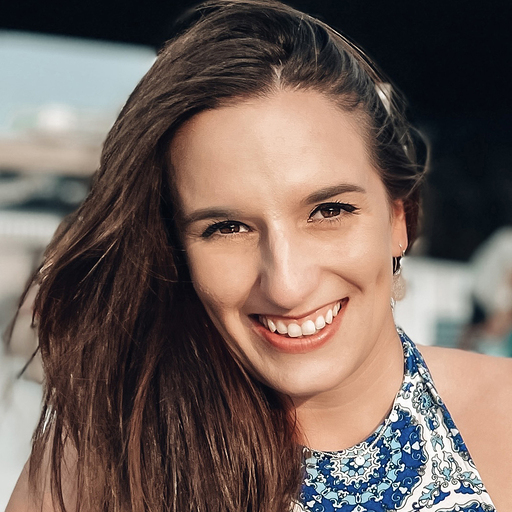
Hannah Deuce is the Marketing and PR Manager for Bloodhound Books.  In this post she tells her story.

“I love the variety involved in my work. My role embraces marketing as well as PR and publicity, which means no two days are the same! My key responsibilities include the creation and execution of marketing campaigns for all the books published by Bloodhound. This means designing the graphics for publicity, gathering reviewer quotes for marketing materials, generating digital advertising campaigns and reporting on the data gathered so that we can do the very best for our authors.

“I am one of the main points of contact for Bloodhound authors. I work with press outlets as the opportunities arise and oversee brand management for Bloodhound. The marketing side of my work is highly strategic, whilst the PR and publicity require creativity and the ability to act quickly. 

“After gaining a Masters degree in History from Goldsmiths, University of London, I worked for PR companies and at magazines. These jobs gave me invaluable experience of the broader PR and marketing landscape. Next I studied for a Masters degree in Publishing at City, University of London, to hone my understanding of the industry and help me break into what I knew was a highly competitive job market. It was then I fell in love with the complexity and creativity of marketing and PR. I was lucky enough to be appointed Marketing Executive at Hachette UK, based in London. I learned so much there and became even more passionate about my work, but at the same time grew weary with big city life. A few years working in central London is enough for anyone! So I applied for posts with independent publishing houses that weren’t based in London, which led me to Bloodhound’s door!

“While I was studying for my Masters degree, I supported myself financially by running my own business. I offered my services as a digital marketing manager for companies working in the creative space (e.g., photographers and makeup brands). During this time I developed my own distinctive take on digital promotion, utilising cross-channel attribution (this means cross-referencing social media channels to complement each another) to create effective promotional opportunities. I brought this experience to Hachette and developed it further, so that when I moved to Bloodhound I was able to merge my own methods with the Bloodhound team’s existing frameworks and knowledge to create the publicity techniques we use today. 

“Bloodhound is perceived to be a specialist in the crime and thriller genres. However, we also publish historical fiction, women’s fiction and, occasionally, so-called ‘chick lit’. I love the variety of what we publish and feel that it provides me and consequently Bloodhound authors with an advantage, as I am able to recognise trends developing across different genres in both the UK and USA. I can then adapt my work and techniques accordingly. 

“Though all Bloodhound crime authors may be working in same genre, I believe that every book we publish should be treated individually. We design separate marketing and publicity campaigns for them, adapting reader targets, visuals and the language we use to maximise the opportunities offered by the storyline and author’s style for each one. We therefore create a bespoke package for every book to help it to achieve its full potential. 

“My advice to new authors would be, first of all, to build a social media presence. Even if technology isn’t your best friend, social media is here to stay. Platforms may evolve and change, but the best thing you can do is establish an author profile online by setting up a blog or website, and then create pages on the key social media platforms (Facebook, Twitter and maybe Instagram). When you have done this, continue to update them regularly with news about your books, any events you’re attending, what you’re working on, etc. Don’t be afraid to have fun while you’re doing it: social media is designed to have a casual feel, so post what you think you yourself would like to see or read, update your accounts regularly and let your readers engage with you directly. 

“I am an insatiable reader myself, and enjoy books from multiple genres, written by authors from all walks of life. I love a book with a twist that I can’t guess, or an ending I didn’t see coming! I don’t really have any favourite authors within the crime genre as I read so widely, but if pressed I would say my all-time favourite author is Kate Mosse. I would read her grocery lists!

“I live in a village on the outskirts of Cambridge with my partner Jon. My favourite way to pass time when I’m not working or reading is to train with my horse, Vince, a Danish Warmblood Dressage horse who has been with me since he was a youngster. He and I now compete nationwide, riding at national level, and we enjoy nothing more than just relaxing in the yard together.

“To anyone who is looking for a job like mine, I would say don’t give up! But be aware that it is possible to over-romanticise working in the publishing industry. People thinking working among stacks of books every day must be heavenly (it is, but it has its white-water rafting days, too!). Roll up your sleeves and keep applying for jobs, as no one simply walks into this industry. I sent off more than 100 job applications before I got my first job in publishing, so keep trying, even if you don’t get an acknowledgement after you’ve put your all into applying. Keep your CV up to date and do things which make you stand out – for example, run a book blog or book Instagram account; take a short course in creative writing to help understand authors better, or a Masters if you have the resources to do it. Network at every opportunity and build your LinkedIn contacts, keep up-to-date with books in the charts and make sure you understand the unique characteristics displayed by different publishing houses. Finally – and I would say this, wouldn’t I?! – consider working at an indie publishing house rather than one of the ‘big five’: we’re a lot more fun and you will learn so much! 

I’ve certainly benefited from Hannah’s expertise!

Fight for your rights and be free!

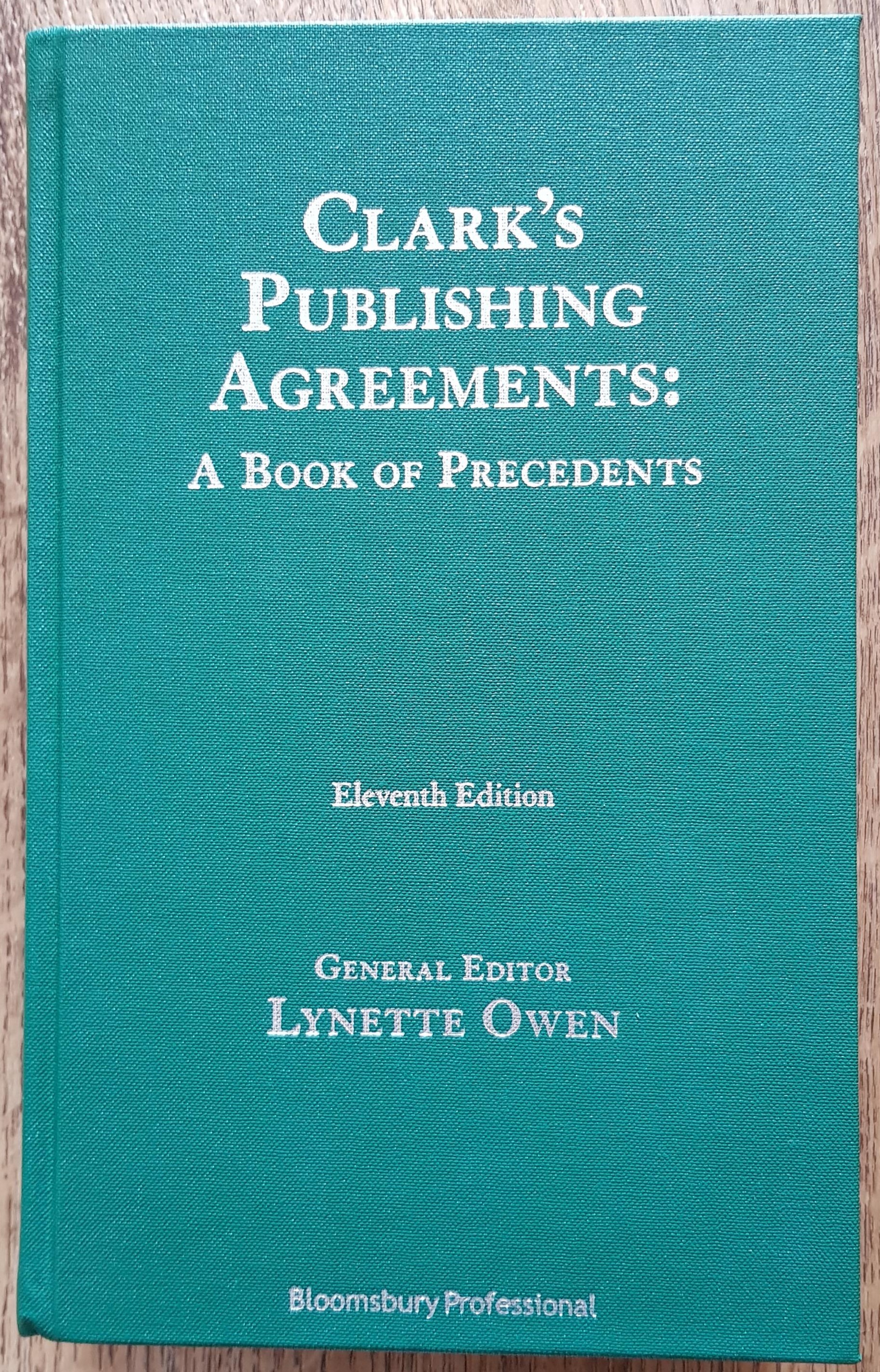
Many authors are mystified by – and sometimes afraid of – the seemingly arcane world of rights. Interestingly, as internet books sales have boomed and the RRP is merely a guide to how much the book will cost, many readers also feel frustrated by their lack of understanding of rights and sometimes ask if authors are getting a good deal. In this post Lynette Owen, editor of Clark’s Publishing Agreements, explains what rights are and how they should be used.

In the world of publishing, rights – sometimes referred to as subsidiary rights – can be something of a mystery to authors (and indeed to some staff working in other areas in publishing houses). Rights are ways of exploiting the intellectual property in a literary work by licensing the content – perhaps to be published in an overseas market, published in translation, or used as the basis for a stage, television or film adaptation. These rights normally belong in the first place to the author (and perhaps also to the illustrator where relevant) who may then choose to specify that all or some categories of rights are handled by their literary agent or their publishing house. The share of revenue paid to the author from licensing arrangements will be specified in the contract between author and publisher; for deals handled by a literary agent, an agreed rate of commission will be paid to the agent.

As General Editor of Clark’s Publishing Agreements: A Book of Precedents (11/e, Bloomsbury Professional, January 2022), I receive mixed feedback on how the contractual precedents are used. Many small publishers use the downloadable templates verbatim, whilst larger publishers may want to tailor the wording to reflect company practice in terms of royalty models, warranties and indemnities, accounting dates etc. Some publishers incorporate selected wording from the Clark templates into their own contracts.

How an author chooses to grant control of rights in their work will depend on individual circumstances. If represented by an agent, the agency may make separate publication arrangements for separate markets, e.g.  the UK and Commonwealth with a British publisher and separate arrangements with a US publisher.  The agency may have specialist departments to handle translation rights or film and television rights, so those categories would be withheld from the English language publishing house/s. If no agent is involved, much will depend on the geographical territories granted to the publisher and the resources of the publishing house to exploit rights, something authors should discuss before contracting. These days, many larger publishers will expect e-book and audiobook rights to be included as part of their primary publishing rights. If some categories of rights are withheld from the publisher, authors do need to consider carefully whether they have the time and expertise to handle rights negotiations and contractual and accounting arrangements themselves.

The role of a literary agent is to act in the best interests of the authors they represent; however, not all authors are represented by an agent and it is rare for agents to operate in the areas of educational, academic and professional books, where contracts tend to be directly between author and publisher. If authors are concerned about the fairness of some elements in the publisher’s contract, they should first clarify any points with their editorial contact in the publishing house, who should be able to explain the reasons behind the contractual requirements. It is also worth noting that the Society of Authors can offer advice to member authors, although they probably do so more frequently for trade (general) authors than for educational and academic authors whose contracts usually differ from trade contracts to reflect different market conditions. Any formal legal advice on a publishing contract should be sought from a firm specialising in intellectual property matters.

I first joined the publishing industry immediately after graduating from London University, starting work in the London office of Cambridge University Press, and came to work in their rights department almost by accident – rights work was little known as a career path back then. In 1973, I moved to set up a rights department at Pitman Publishing, then spent a year at trade publisher Marshall Cavendish before joining the multinational publisher Longman Group Ltd (now Pearson Education), latterly as Copyright Director. I was fortunate to be able to travel extensively to sell rights, both at international book fairs but also on sales trips and publishing delegations – educational and academic publishers were early entrants to challenging markets such as the former Soviet Union, central and eastern Europe and mainland China. Space here precludes recounting many strange experiences in those markets, some of which I covered in my recordings for the British Museum Book Trade Lives project! Since 2013, I have worked as a freelance copyright and rights consultant, providing advice on rights and contracts to smaller publishers and also running training courses for publishers and degree students on rights in the UK and abroad. In addition to my work on Clark’s Publishing Agreements, I am also the author of Selling Rights, now in its eighth edition (Routledge, 2019) – as far as I am aware, the only book on the subject.

I think the most attractive aspect of working in rights is the opportunity to meet a wide range of publishers from all over the world and build up long-term relationships with them; a great deal of rights business hinges on personal relationships. It is also challenging and hugely rewarding to negotiate rights deals on behalf of authors and to tie up those deals in legally sound licence contracts, fair to both parties. By contrast, perhaps the most frustrating aspect of rights is that senior management in some (but not all!) publishing companies still do not recognise the value of the rights function, both in terms of generating revenue for authors and publishers but also in terms of the PR value derived from broadening access to publications through licensing.

My rights-related tips to authors would be:

  1.  If you have a literary agent, talk to them about rights possibilities and be prepared to assist with promoting rights if required.
  2. If you work directly with a publisher, find out how they handle rights and make contact with their rights staff.
  3. But do try to be realistic in your expectations for rights deals – not every book is a candidate for the silver screen!

For publishers, my tips would be:

  1. Time and effort expended on the promotion and sale of rights will produce results, even for smaller publishers with limited resources, and will enhance expertise.
  2. Rights selling depends on building long-term relationships with compatible publishing partners – these take time to establish.
  3. To publishing management – recognise the importance of a rights operation, both in terms of revenue and PR value to author and publishing house alike.

© Lynette Owen

In tomorrow’s post, Hannah Deuce, Marketing and PR Manager for Bloodhound Books, describes how she works with authors.

The author’s journey: Fraser Massey, established journalist and aspiring crime writer

Fraser Massey

Fraser Massey has recently completed Whitechapel Messiah, a crime thriller yet to find a publisher. Written in the first person, it’s about an ambitious news reporter who needs to learn that there are grim consequences for not telling the whole truth when writing headline-grabbing front page stories. The protagonist’s misrepresentation of what happened in a street battle between police and protestors in Whitechapel, where a woman died while being arrested, provokes further riots across the country causing widescale destruction and more deaths. To try to put things right, he investigates the reasons for the woman’s death and finds himself infiltrating a sinister religious cult who believe they’ve found the new Messiah.

Fraser is a journalist by profession. He studied Communications at the University of Sunderland and has worked for several regional and national newspapers, including stints as a feature writer for The Times and as a showbiz reporter on the Daily Mirror, as well as writing a weekly column for three years on the Radio Times. He loves books and says his flat is groaning at the seams. His favourite bookshop is Goldsboro Books in London’s Covent Garden.

Because he wanted to try to write fiction, Fraser enrolled in a course run by the Guardian with the strap line ‘Learn to write a crime novel in a weekend’. He says that, unsurprisingly, he didn’t achieve this improbable feat, but the course gave him a taste for learning more, so he studied on the MA in Creative Writing course offered by City University in London. To gain the award he had to write a whole novel. This was his first attempt at completing a full-length work of fiction and it was proficient enough not only to qualify for the MA but also to attract the attention of several agents.

But none followed up on their initial interest. A slush-pile reader for one agency later explained to him that his choice of genre for that book – it was a western – probably counted against him. “Westerns are so notoriously difficult to sell in Britain that most bookshops don’t even have a shelf displaying them,” he was told.

To avoid making the same mistake twice, he enrolled on a short course run by Curtis Brown, the well-known literary agency, hoping to learn how to write a more commercially appealing novel. It was while there he began writing Whitechapel Messiah.

While the book was still in its early stages, an early draft of it was shortlisted for the Capital Crime Festival New Voices award, although on the night the prizes were handed out it was pipped at the post.

Encouraged by this near success, Fraser decided that entering competitions were the way forward if he wanted to get noticed as a writer (which is how I came into contact with him – I have run several Nanowrimo competitions on behalf of publishers).

Challenged on the value of creative writing courses – opinion on these seems to be polarised, with some people thinking they are indispensable and others disliking them – Fraser says they have been useful to him. They have taught him how to read books as a writer, to learn from other authors. At present, he is reading the works of female writers, to study how they describe women – and men, too. Reading other novelists – he reads at least one book a week – has also helped him to write dialogue. For the City course, he was given a book to study and a number to call to interview the author – and he got Lee Child! He says Child was very helpful – although he did tell him to abandon the creative writing course and “learn how to do it yourself” (much to the annoyance of the tutor!).

As I am familiar with Fraser’s writing, I offered the criticism that sometimes the prose is surprisingly inaccurate for someone who has earned their living from writing. He agreed and said that one of the hazards of journalism is that the journalist gets the story down as quickly as possible and then passes it to a sub-editor for polishing. He has therefore developed a few bad habits that he is now trying to eradicate.

Fraser has many tips to offer other would-be crime writers. Here are his top 5:

  • Join a writers’ group. It’s good to have people around you to offer advice when you run into problems; and anyway writing is otherwise too solitary an occupation.
  • Focus on structure. If your plot doesn’t run smoothly, you run the risk of readers’ getting bored and giving up on your book. As Mickey Spillane said, “Nobody reads a book to get to the middle.”
  • Find regular time in your day to devote to writing. This includes time to revise what you’ve written today and to think about what you’re going to write tomorrow.
  • The crime novelist Claire McGowan taught me: “Premise (the fundamental idea behind your plot and its unique selling point) is the most important thing in publishing today.” I won’t even start writing another book until I’ve worked out a cracking premise first.
  • Writing a good synopsis is one of the most daunting tasks. Next time, I’m going to map out the synopsis before I sit down to write a word of chapter one.

This is all great advice. Each one of these tips involves exercising good discipline as a writer. It’s easy to jump too soon into the actual writing: as Fraser says, “Writing is the bit I enjoy most, so I don’t want to be distracted by having to worry whether my plot works when I’m immersing myself in the narrative voice.”

If you are a publisher and interested in taking a look at Fraser’s novel, please contact me at christina.james.writer@gmail.com .

Tomorrow the post will be by rights expert Lynette Owen, on how authors should approach copyright.

Richard Reynolds: the pure genius

Books, bookseller and bookshop, inextricably bound!

As John Aubrey, the seventeenth century polymath, bibliophile – and bookseller – observed, “to read a book is demanding, for one must stay awake; to write a book is more demanding, for one must stay awake and think; but to sell a book – ah, that is a work of pure genius!”

I’m starting this series of celebratory posts with a piece about Richard Reynolds, the undisputed doyen of crime booksellers. Why begin with a bookseller? Because without the services of the bookseller, the entire creative process that concludes with the finished book would be pointless. Bookselling is an art under-rated by everyone who has not practised it.

Richard began his working life in September 1976 as a ‘classical music consultant’ at Hardman Radio in Manchester. He loved reading and would trawl new and secondhand bookshops and market stalls in the city. In early 1980 he spotted a job advert in Jardine’s bookshop, applied for it and began his bookselling career a few months later. In 1981, he was appointed buyer for the sports section at the famous Heffer’s bookshop in Cambridge, progressing to travel and biography and then to the literature department, which boasted an impressive twenty-five standard book ‘drops’ (book cases).

Richard’s manager knew he was a crime fiction buff and encouraged him to use a small space under the ledge near to the stairs to develop a crime fiction section. As sales took off, crime was promoted to more prestigious areas in the shop.  

Heffer’s is famous for its crime fiction events. Richard explains that these began in a small way in 1990 with Bodies in the Bookshop. Heffer’s put on “a wonderful display of crime fiction titles and ephemera on the platform halfway down the central staircase. Penguin Crime Classics sponsored a competition: the winner to supply the scream in Agatha Christie’s The Mousetrap. I still have the poster! Heffer’s first crime fiction catalogue was produced at the same time. Five authors came to sign books on the last Saturday of the month: Colin Dexter, Lindsay Davis, Reginald Hill, Minette Walters and Michael Dibdin.”

Sixty authors took part in the last of these events, for which, for seventeen years, Richard compiled the catalogues. He still receives ‘heartening’ requests for copies from readers trying to fill gaps in their collections. As the numbers of authors increased, what had been a single annual event became three separate ones: What’s Your Poison, Murder under the Mistletoe and Murder Will Out, now organised by events manager Kate Fleet.

Since the COVID restrictions were lifted, events have resumed but been smaller: a launch party for After Agatha, by Sally Cline, Kate Rhodes in conversation with Sarah Vaughan about her book Reputation, and a launch party (with jazz quartet!) for Peter Morfoot’s Essence of Murder. On June 23rd, Financial Times reviewer Barry Forshaw and Kate Rhodes will discuss Simenon: The Man, The Books, The Films and The Devil’s Table, the fifth of Kate’s Scilly Islands series.

Richard finds it very difficult to name an individual crime writer as his favourite. During lockdown, he re-read the whole Scilly Isles series, as well as books by Nicola Upson, Rennie Airth, Barry Maitland and Charles Todd. In 2019, as he approached his fortieth year as a bookseller, he compiled his personal list of 100 Favourite Crime Novels. If pushed to choose he says his favourite book would be The Murder of Roger Ackroyd and his favourite author Agatha Christie.

Richard is still a bookseller, but he now combines this with editorial and publishing activities. This began when he suggested to Penguin Random House which authors they should reissue under the Vintage Crime imprint. He has acted in a similar capacity for Ostara Books, Oleander Press and Clerical Crime and assisted with the publication of six Gold Age titles under Oleander Press’s Oreon imprint. More reissues are planned in the coming months.

He says he is grateful to his wife, Sally, for tolerating a house full of books! His small attic study is stacked high with collections of Penguin Green Crime, Gollancz yellow jackets, Golden Age titles, Cambridgeshire crime fiction, translated crime fiction, historical whodunnits, much recent detective fiction, a substantial collection of crime reference books and… and… and..!

Musing on his career, he says, “I suppose specialising in crime fiction is like being paid to pursue a hobby. Badgering publishers to re-publish good authors is a privilege. I enjoy working out the best fit between the author and the publisher. I serve as chairman of the CWA Gold Dagger Award for best crime novel of the year, for which there have been 260 submissions this year, making it hard to create the long list. The winner will be announced on 29th June.”

For aspiring booksellers, he offers the following message: “The late John Cheshire, a chatty, encouraging and supportive Heffer’s shop manager, told me not to spend my small salary on books but instead ask reps for proof/reading copies so that I could help publicise them. I have kept to that advice – and I’d like to thank all the reps and publishers who’ve kindly kept me supplied with reading material. And it’s important for booksellers to keep on reading ephemera about books: articles, reviews, blogs, information on publishers’ and authors’ websites.”

Asked what his advice to someone just starting out on a crime fiction writing career would be, he says that as writing is a solitary occupation it is important to chat to local booksellers and meet other authors, especially at events or festivals such as Crimefest and the Harrogate International Festival or one of the many good smaller festivals that now exist. It’s also a good idea to attend other writers’ launch parties, read widely – and try not to overwrite! Having some bookmarks printed is an inexpensive way of getting noticed – it’s easy to underestimate how useful they can be.

As an author, I am inexpressibly grateful to Richard and all the booksellers who make it their life’s work to support writing and reading. He is a man who practises sheer genius every day! If he were still alive, I know John Aubrey would be the first to agree.

Tomorrow’s post will be about an aspiring crime fiction writer, Fraser Massey, who is already a distinguished journalist.

National Crime Reading Month and www.christinajamesblog.com

The Crime Writers Association (CWA) and the Reading Agency have built on their brilliant lockdown idea of designating June as Crime Reading Month (CRM). This June, crime writing of all kinds will be celebrated in bookshops, schools, libraries and museums and at special events. CWA members are all encouraged to engage in some kind of activity to celebrate crime writing and reading, however small – it could be something as simple as encouraging a local library or bookshop to mount a crime fiction display – or large – the festivities culminate with the announcement of this year’s Daggers Award winners. More information about individual activities and events can be found at Events – National Crime Reading Month. It is worth checking this site every day, as exciting new projects are continually being added.

I think CRM is a very exciting concept and I am planning to participate by offering a new blog post every day during June on some aspect of crime writing, reading or publishing. Most of the posts will take the form of interviews with people prominent in these areas and I have many great interviews already lined up: for example, with Richard Reynolds, the doyen of booksellers specialising in crime fiction; Dea Parkin, the secretary of the CWA; and Lynette Owen, the distinguished editor of Clark’s Publishing Agreements, as well as authors, book lovers, bloggers, librarians, publishers, policemen and more booksellers. I have been invited to take part in several events myself and shall be covering these, too. There are still a few spaces left in the latter half of the month, so, if you would like to take part in an interview for the blog, please let me know.

I’ll write one or two posts about certain aspects of my writing. Questions that I have been asked are: ‘Why do your books describe the towns and villages of Lincolnshire as they were when you were growing up, even though the novels themselves are set in the present?’ and ‘What is the fascination that Lincolnshire still holds for you as an author, when you say you moved away many years ago?’

I’ll pick up on this later in the sequence. In the meantime, I do hope you will find time to follow the posts and enjoy them. The series will begin tomorrow with the Richard Reynolds interview. Why have I started with a bookseller? The post itself explains.

The Sandringham Mystery: launched at two stellar events

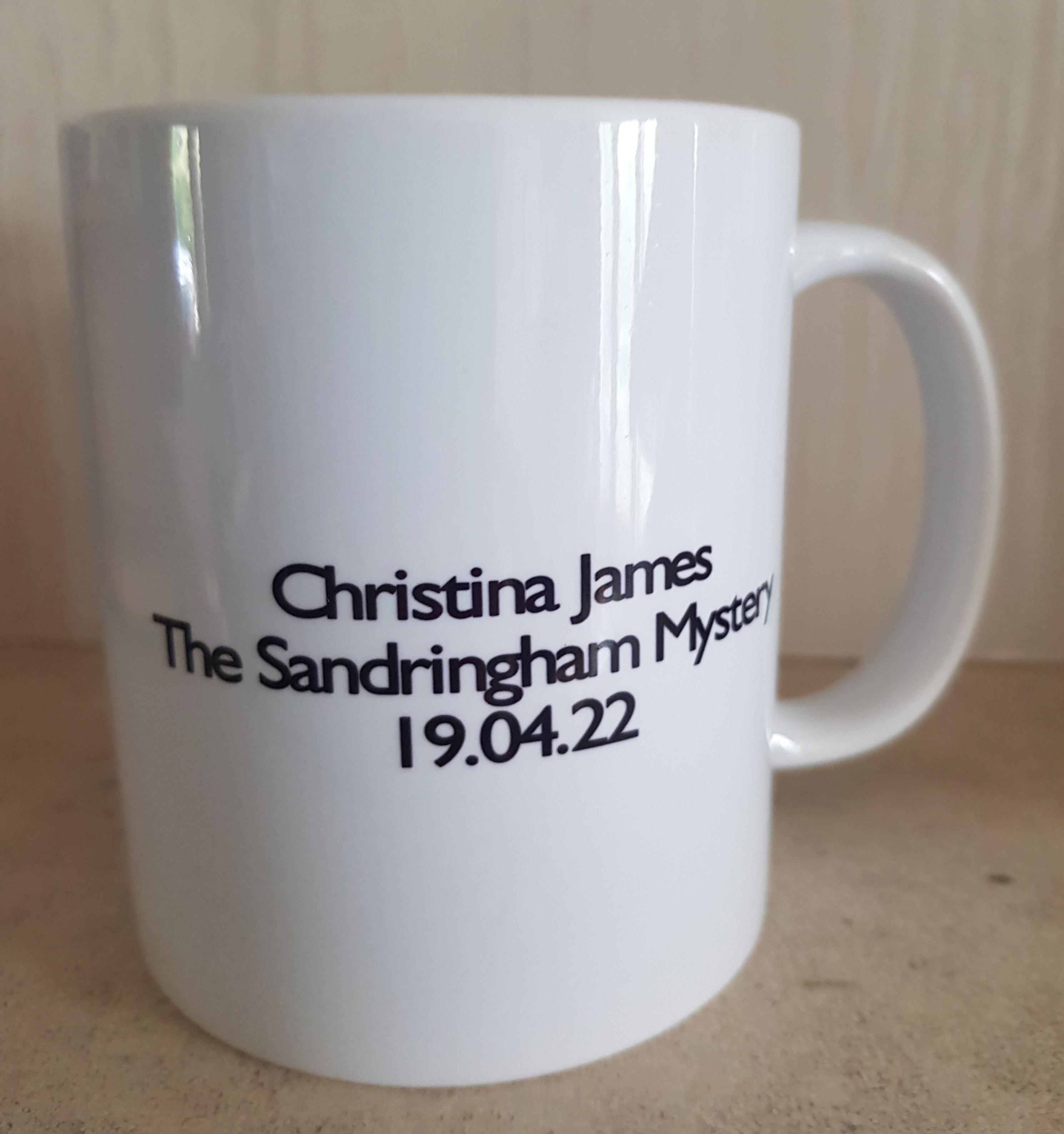
The Sandringham Mystery was published by Bloodhound Books on April 19th, just after the Easter break. The Bloodhound jacket is brilliant – I’m delighted with both it and the support I’m getting from the Bloodhound team. They even sent me an inscribed mug to celebrate the publication date – a first in my experience!

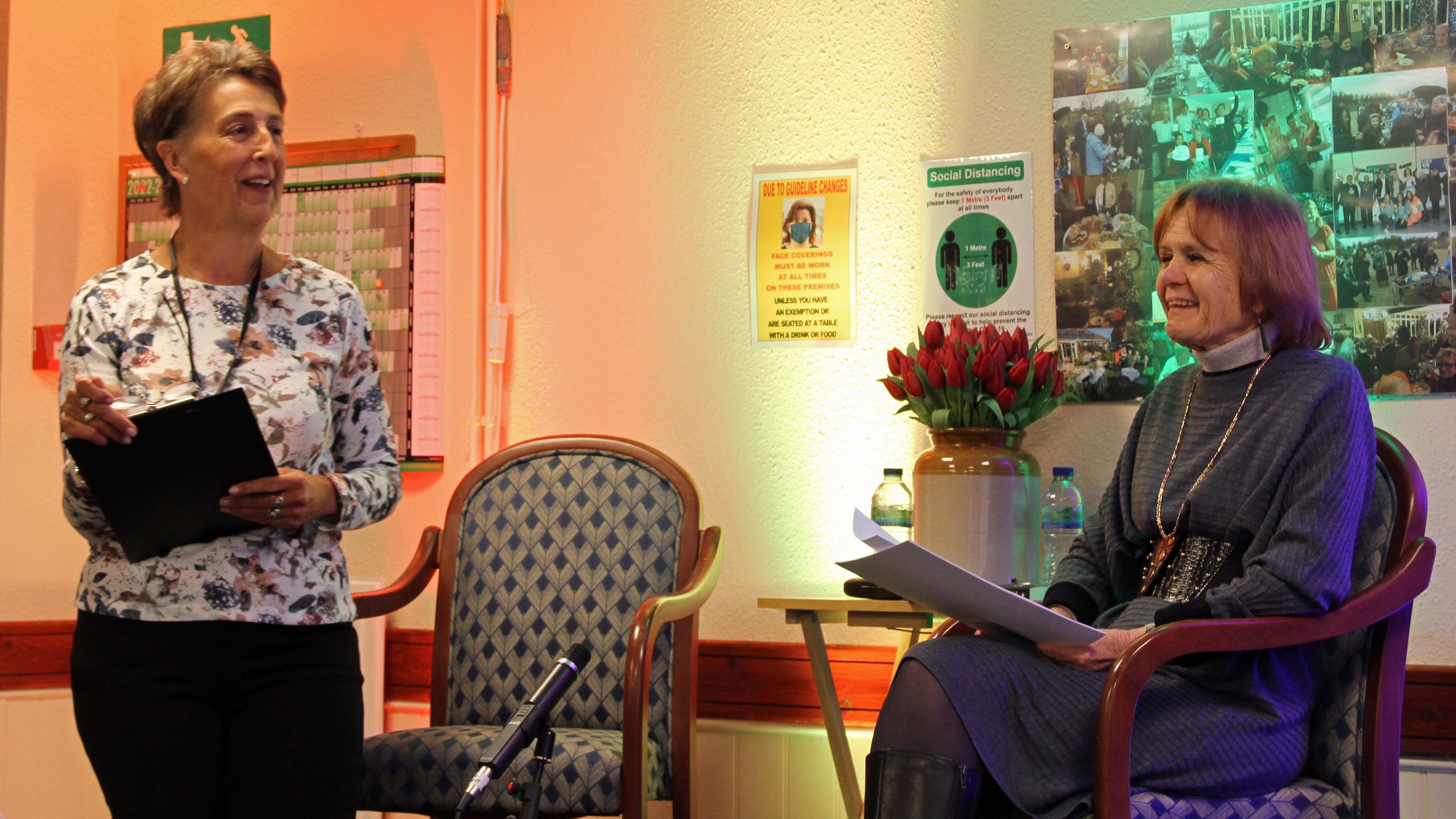
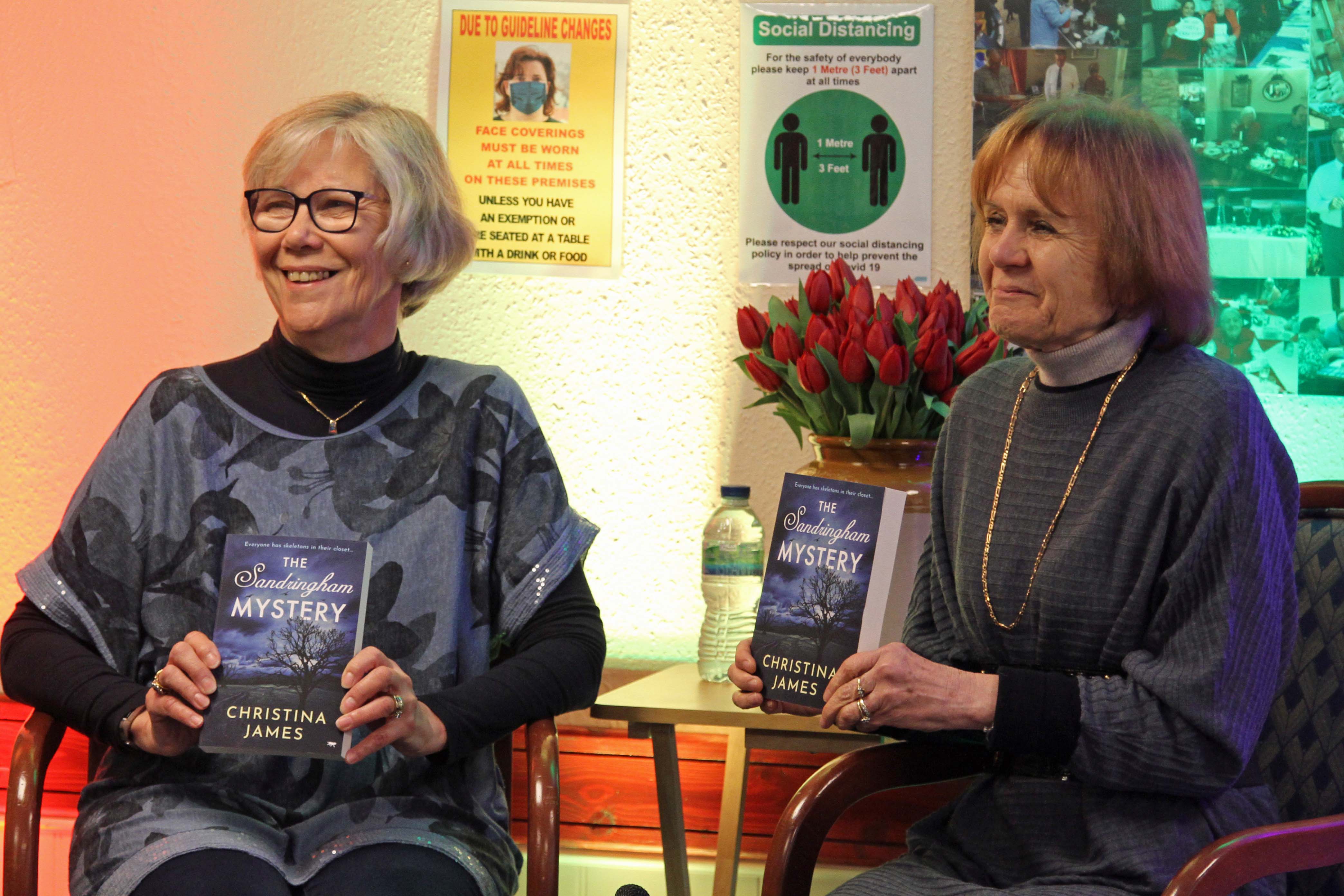
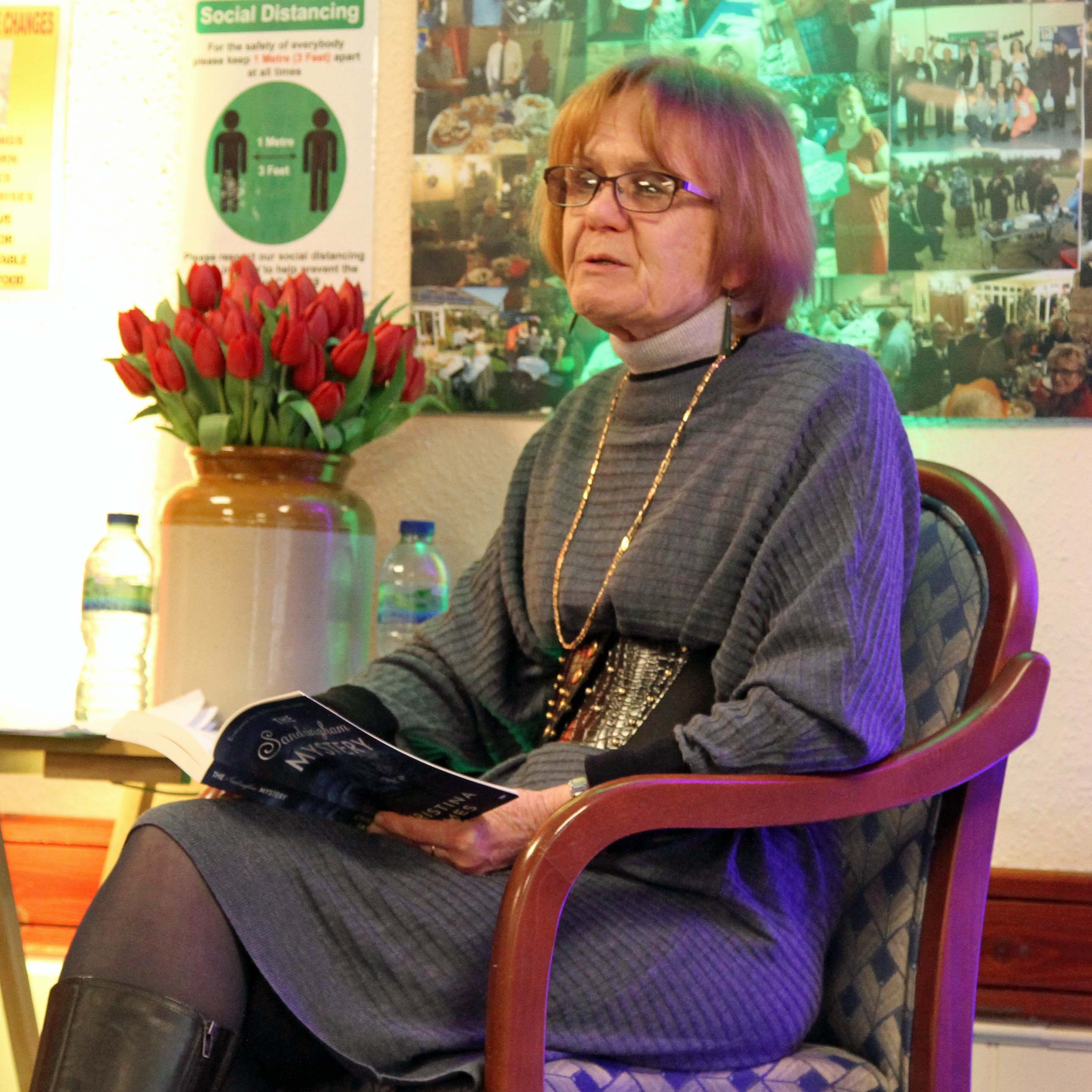
I feel extremely privileged to have been invited to speak at two events very shortly after the book came out. First was the Deepings Literature Festival, where I gave a talk in the Oddfellows Hall at Market Deeping on April 29th to a very lively and engaging audience. I was so happy to be able to speak at the festival at last – I had been scheduled to make my debut there in 2020, but COVID intervened. Astonishingly, since I grew up in Spalding, which is only twelve miles away, I’d never been to Market Deeping before. (I know Deeping St Nicholas well – my great aunt lived there – and I visited Deeping St James as a child – with my father, whose job included dropping in on sugar beet farmers.)

I know of several Oddfellows Halls in Lincolnshire and, as the name has always intrigued me, I looked it up. The name ‘Oddfellows’ was first used in the early eighteenth century, but their practices were much older – the movement derived from the mediaeval guilds and there are even some suggestions that its roots lay in ancient Rome. The Oddfellows were – are? – akin to the Masons, but the two groups have always preserved distinct identities. They were/are certainly not peculiar to or especially relevant to Lincolnshire (though someone no doubt will correct me on this!) and, since they seem in the past to have had strong links to Roman Catholicism – they were keen supporters of Bonnie Prince Charlie – their strong Lincolnshire associations are surprising. The county is more renowned for its championship of Wesleyanism than Catholicism.

The Oddfellows Hall in Market Deeping turned out to be a very hospitable place. I was grateful that so many people chose to attend the event – the hall was packed – and to stay behind to talk to me afterwards. Huge thanks to Linda Hill and Jenny Spratt for organising and promoting it.

A warm welcome from Linda Hill at the Deepings Literature Festival
Jenny Spratt, always supportive of the DI Yates novels

Five days later I was welcomed to the library at Papworth Everard, where I was honoured to take part in the first author event there since the COVID lockdowns of March 2020. This was attended by another large and lively audience, including at least two fellow authors. We managed to discuss many topics, including the relevance of government crime statistics, the importance of place in crime fiction, how to plan a novel and how authors use real crime stories for inspiration while at the same time being careful not to cause distress by depicting the real-life victims. Huge thanks again to Nicola and Terri, who put in an enormous amount of work to make this a success.

It is great to be back on the author circuit again. I’m certain that many other authors feel the same. This will be the best year we’ve had since 2019 – the magic created, as always, by wonderful readers and audiences. I’m hoping to take part in many more events as the spring turns into summer. If you are running a library, a festival or a bookshop and think I can make an interesting contribution, please do let me know.

O' Canada

Reflections on Canadian Culture From Below the Border

oliverstansfieldpoetry

A collection of free verse poetry.

Easy Michigan

Moving back home

Narrowboat Mum

Fun, Frugal and Floating somewhere in the country!

Maria Haskins

Writer & Translator

lucianacavallaro

Myths are more than stories

Murielle's Angel

A novel set on the Camino de Santiago

jennylloydwriter

Jenny Lloyd, Welsh author of the Megan Jones trilogy; social history, genealogy, Welsh social history, travel tales from Wales.

Chris Hill, Author

I'm Chris Hill - author of novels Song of the Sea God and The Pick-Up Artist

littlelise's journey

Sharing experiences of writing

unpublishedwriterblog

Just another WordPress.com site

Les Reveries de Rowena

Now I see the storm clouds in your waking eyes: the thunder , the wonder, and the young surprise - Langston Hughes

Diary of a Wimpy Writer

The story of a writer who didn't like to disturb.

Rebecca Bradley

Murder Down To A Tea

Helen Carey Books

Helen Carey Books