

I want some clichéd spring!

Ewe and two lambs

A spirited spring face

Female hazel flower, magnified; in the foreground, the much more visible male catkin

Hazel male flowers: ‘lambs’ tails’ or catkins

Goat willow (‘pussy willow’) hedgerow

Way ahead of time, tucked in a sunny spot on a bank: primrose
Like most writers, I abhor clichés, but one cliché that makes me glad each year is the certainty of the English spring, in all its sweet naffness: little lambs gambolling, pale flowers bursting into bloom, pussy willows, forced rhubarb and chocolate cream eggs jazzing up the fare in the supermarkets… and all of the 101 other things that mean that winter is being pushed off into exile. And, if I hadn’t realised this before, last year’s spring (which, if you remember, didn’t happen) left me mourning for an annual cliché that was then even more powerfully etched into our minds by its absence.
When I was young, I didn’t mind heading into the winter: autumn meant pristine new school exercise books or, some years later, the excitement of a new university year; it meant going home in the slightly scary darkness; it meant that the ice cream van that had stood at the end of the street on long summer Sundays had been replaced by the toffee apple man’s van (he who vigorously summoned the children of the neighbourhood by ringing an old school bell out of his window); it meant chestnuts and hot toast and Heinz vegetable soup. But that kind of cosiness and the underlying slightly edgy sense of the danger that might be lurking in the dark (and would, perhaps, grasp you in its claws if you were sent up to Mrs Dack’s shop for some milk after the 6 p.m. news) has long since been replaced for me by the dreary feeling of unwell-being that winter brings: of snivels and snuffles, mornings that are wet and foggy rather than icy and bright and, in the part of the world where I now live, mud, mud and more mud.
I think that much of the problem lies in the fact that we English don’t ‘do’ winter well. Go further South in Europe and the Italians and Spanish celebrate short sharp winters that include coping with heroic bursts of snow before getting back to the norm of a balmy spring-to-autumn of sunshine that lasts for eight months of the year. Go North, and you find Germans, Scandinavians and Russians revelling in the winter, showing off their prowess on skis and skates, sometimes with a great deal of bravado. (A few years ago, I had a Finnish client (day-job) who boasted that he always skied in T-shirt and shorts.)
Perhaps the only country that is as bad at wintering as we are (or worse!) is France, but the French people that I know seem to solve the problem by going into virtual hibernation: The weather is foul – they stay at home – and eat and drink, mon brave, and sulk until the spring appears. Then there are the Scots, whose winters are colder and gloomier than ours and who succeed in behaving in a correspondingly chill and more lugubrious way. However, there is a grandeur about their melancholy: it is a Carlylean gloom of grandiose proportions, not to be compared with the trivial gnat-like whining about the weather in which we English indulge. And, like the French, the Scots understand that the only way to get through the winter is by eating the appropriate food and taking a wee dram whenever the opportunity presents itself. I endured three Scottish winters when I was working in Dumfries (home of the deep-fried Mars Bar, though even Dumfries folk regard this delicacy as an extreme remedy, to be used only at times of urgent necessity) and I have to admit that getting through day after day on six hours of daylight was not easy. At the place where I worked, we were supported through the winter months by the culinary achievements of our two stalwart canteen ladies. Menu favourites were meat and tatties, beefsteak suet pudding and haggis or hash with chips. If we asked for something light, they served up lasagne. I once suggested that a winter salad would make a nice change and they nearly fainted. ‘Salad? In the winter? How will you get the energy to do your work, hen? How will you keep warm while you’re working?’ (Of our workforce of 160, half a dozen worked in the packing bay; the rest of us were seated at desks, with the heating turned up a good 5 degrees higher than was strictly necessary.) Yet perhaps they had the right idea: we were trapped in the catastrophe of winter, and they were battling with it on our behalf.
So I say again that the English are the most hopeless of all nations when it comes to winter. But we are good at spring, and especially at perpetuating the clichés that go with it. Tomorrow is the first of March: not officially spring yet, therefore, but good enough for me! And I invite you to celebrate it with me in whatever joyful, hackneyed way you wish.
[Being as usual snowed under (a winter metaphor indeed!) with work, I asked my husband to take some clichéd photos to go with this post, but, with his usual delicate touch when behind a camera, he has instead, I think you’ll agree, managed to capture some extraordinarily un-clichéd pictures from what would otherwise have been very commonplace spring-time situations.]
Perhaps sadly, Uggle wasn’t…

I’ve written several times about the importance of place in my novels and how much I admire writers who can evoke a specific place (whether real or fictional) and imbue it with its own particular character and atmosphere. Fictional places that I love include Margaret Mitchell’s Tara, Daphne du Maurier’s Manderley, Evelyn Waugh’s Brideshead and Gerald Durrell’s Corfu (the last perhaps not strictly speaking fictional, but still, I’m certain, an embroidered and selective portrayal of the island as it existed when he moved there with his family).
Towns, villages and hamlets in the area of South Lincolnshire where I grew up have some wonderful names: Spalding itself (named after a sixth century Anglian tribe called the Spaldingas), Whaplode, Quadring Eaudyke, Gosberton Risegate, and, perhaps the one I like best, Pode Hole (which, apparently, is Anglo-Saxon for ‘the place of the toad’). Today Pode Hole is a very small village, best known for the pumping station which was opened in 1965 and is already a Grade II listed building. It connects two waterways to Vernatt’s Drain, an astonishing feat of late seventeenth century engineering which began the long, slow process of draining the Fens. (I’ve read that Vernatt’s real name was Baron Philibert Vernatti, and that he was ‘an adventurer’. I’d certainly like to have met him!)
Place names in South Yorkshire are also evocative. There is Silkstone (which sounds beautiful, but was once quite a grim mining village); Hoylandswaine, which reads like the name of a bucolic lover but more prosaically means ‘a spur of land jutting out from a hill’; Durkar (which means ‘grit marsh’, but to me has always sounded Asian: a rather exotic cross between ‘durbar’ and ‘gurkha’) and Goldthorpe and Grimethorpe (the Danish ‘thorp’ referring to a small new settlement next to a larger village).
Many of these Yorkshire place-names are Norse or Danish in origin. There is an even greater concentration of such Scandinavian names on the East coast, particularly in the Scarborough – Robin Hood’s Bay area and its hinterland. My all-time favourite is Ugglebarnby.
As a family, we’ve passed through Ugglebarnby many times on our way to a day out at the coast. Knowing that ‘-by’ is the Norse suffix for ‘the place of’, we’ve always assumed that Ugglebarnby meant ‘the place of Uggle’s barn’. We’ve had fun speculating about Uggle: we’ve discussed how he probably came storming inland, straight off his dragon-prowed longboat, saw a likely-looking Saxon barn and laid claim to it and the adjoining village, thereafter fighting off all challengers and making it quite clear to whom the barn belonged by emphatically slapping his name on it. My husband and son, both tall and red-haired, and with ancestors in the female line whose surname was definitely of Norse origins, like to imagine themselves as modern incarnations of fierce manly Vikings – sailing the oceans, whirling sharp battleaxes and certainly getting their own way (the desire to do this is still a pronounced family trait) in claiming new territories. They’ve therefore always felt a strong affinity with Uggle. Perhaps because of my own Saxon origins, I’ve imagined him as quite a sinister character, probably reclusive, a hulking, brooding giant emerging like a Rottweiler from his homestead (plus barn) to defend it against all comers.
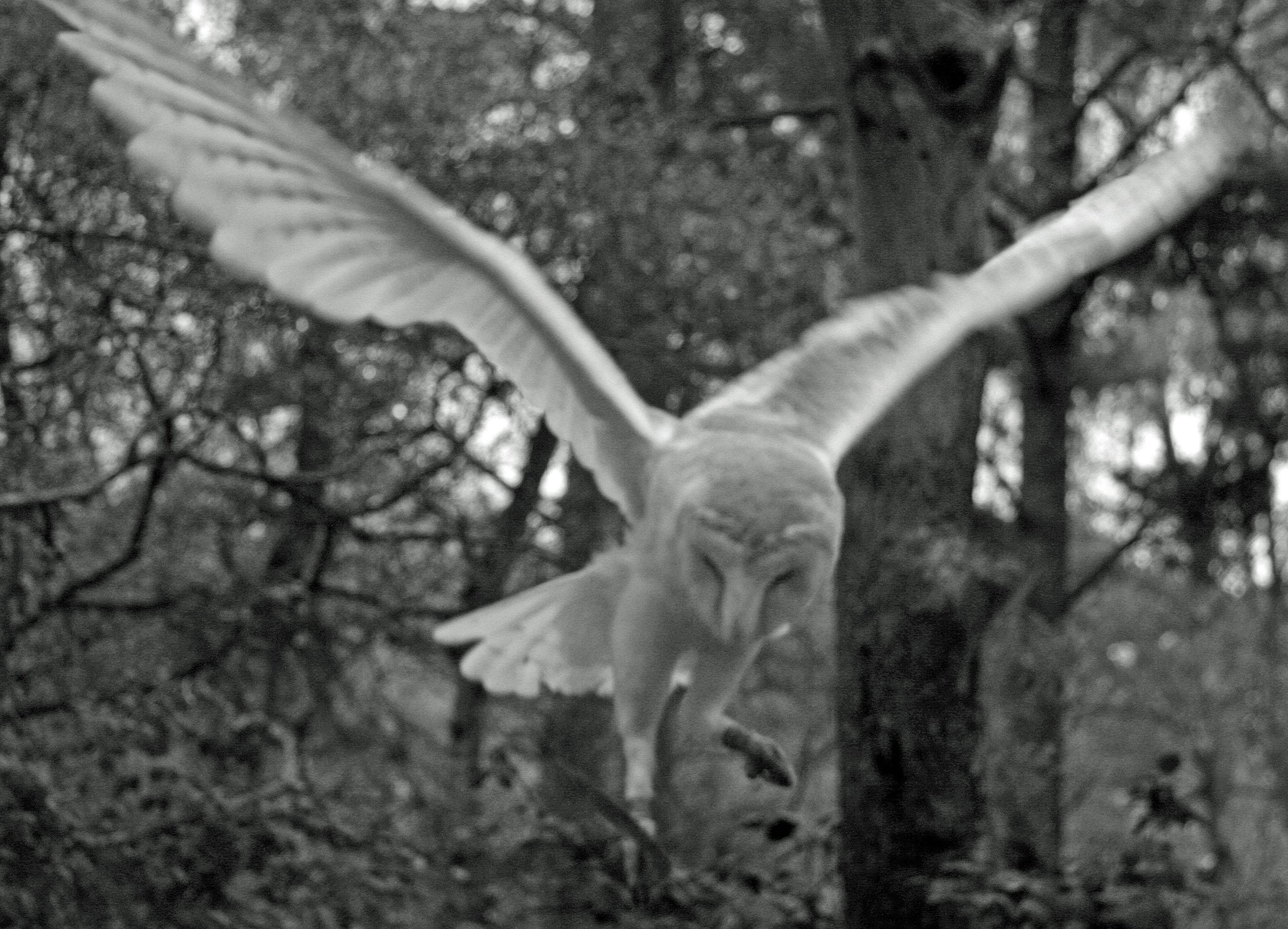
Today I’ve disappointed myself a little, therefore, by looking up Ugglebarnby in The Concise Oxford Dictionary of English Place-Names, only to discover that its meaning is ‘the owl at Bardi’s place’. Now Bardi might have been just as bloodthirsty and truculent as Uggle, but somehow I doubt it: he was obviously nice to owls, and whether or not he had a barn is not recorded. A bit of a let-down!
We could have looked up the name years ago – The Concise Oxford Dictionary of English Place-Names was left to my husband by his first boss, who died at some point in the 1980s – but I’m glad that we didn’t. If we had, all those fantastical conversations on the way to the coast would never have happened. But one crucial thing hasn’t changed: Ugglebarnby is still a peerless place-name!
[Click on photographs to enlarge them.]
Perhaps you have your own favourite place names; if so, I should very much like to hear of them.
All text and photographs on this website © Christina James
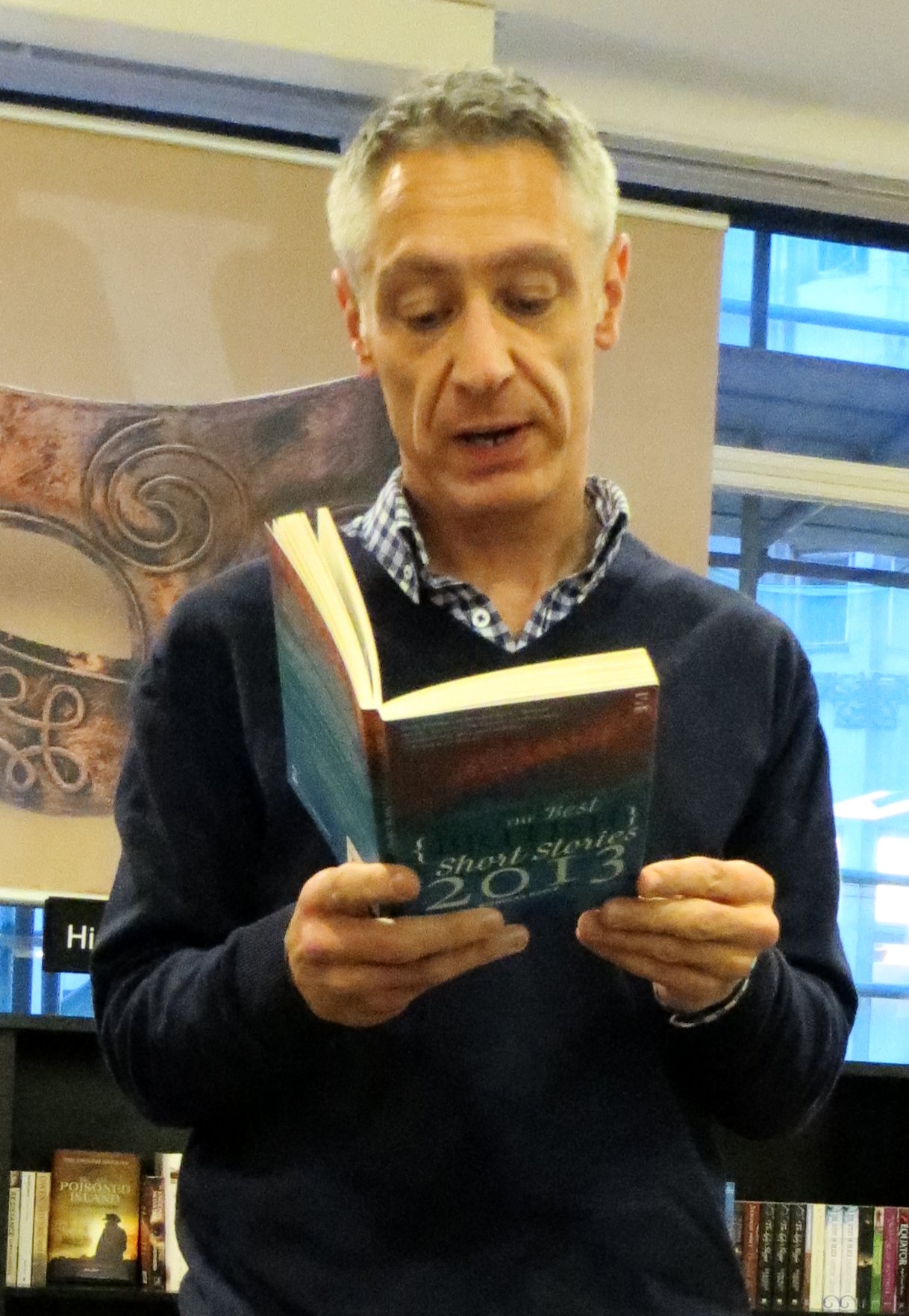
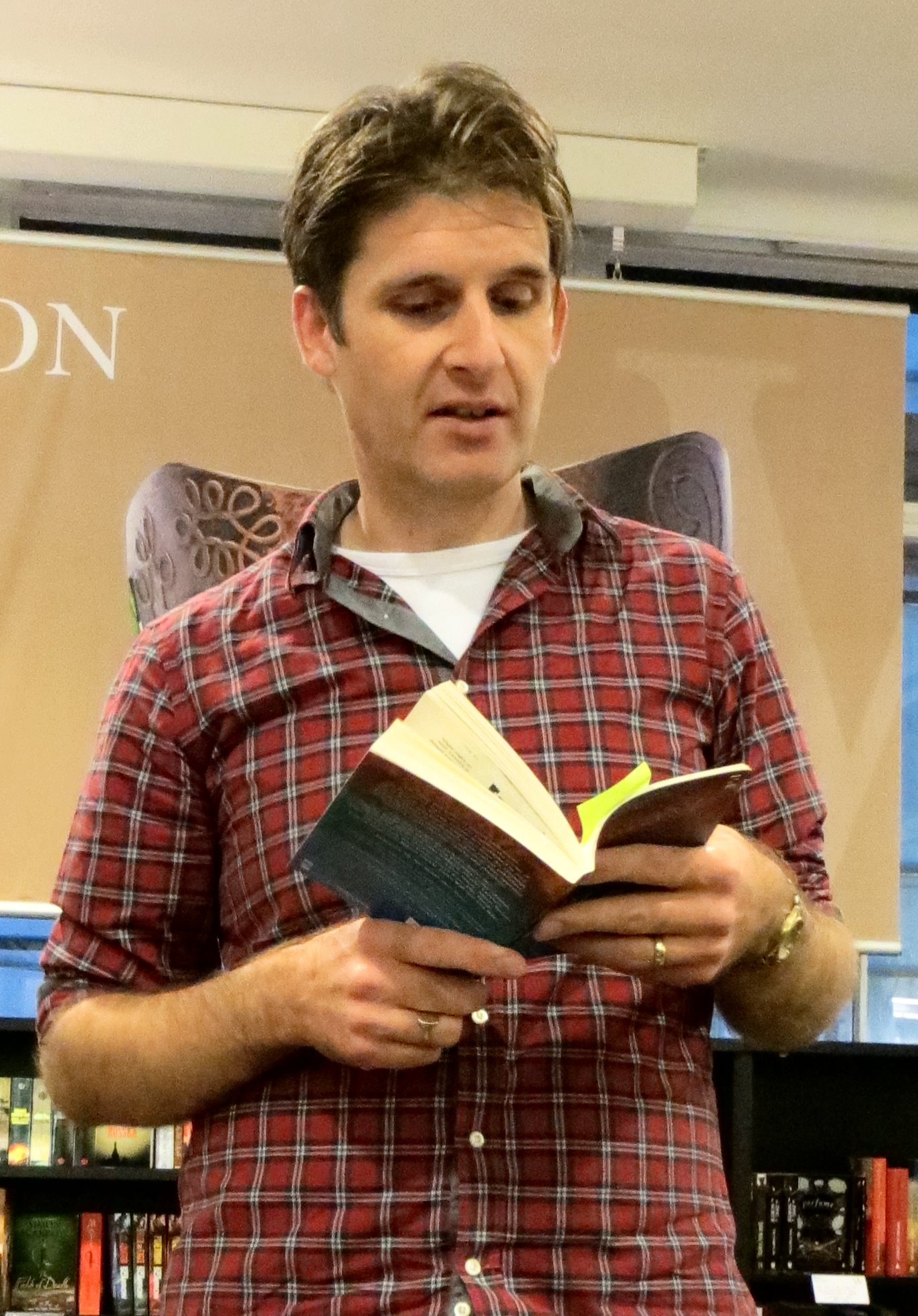
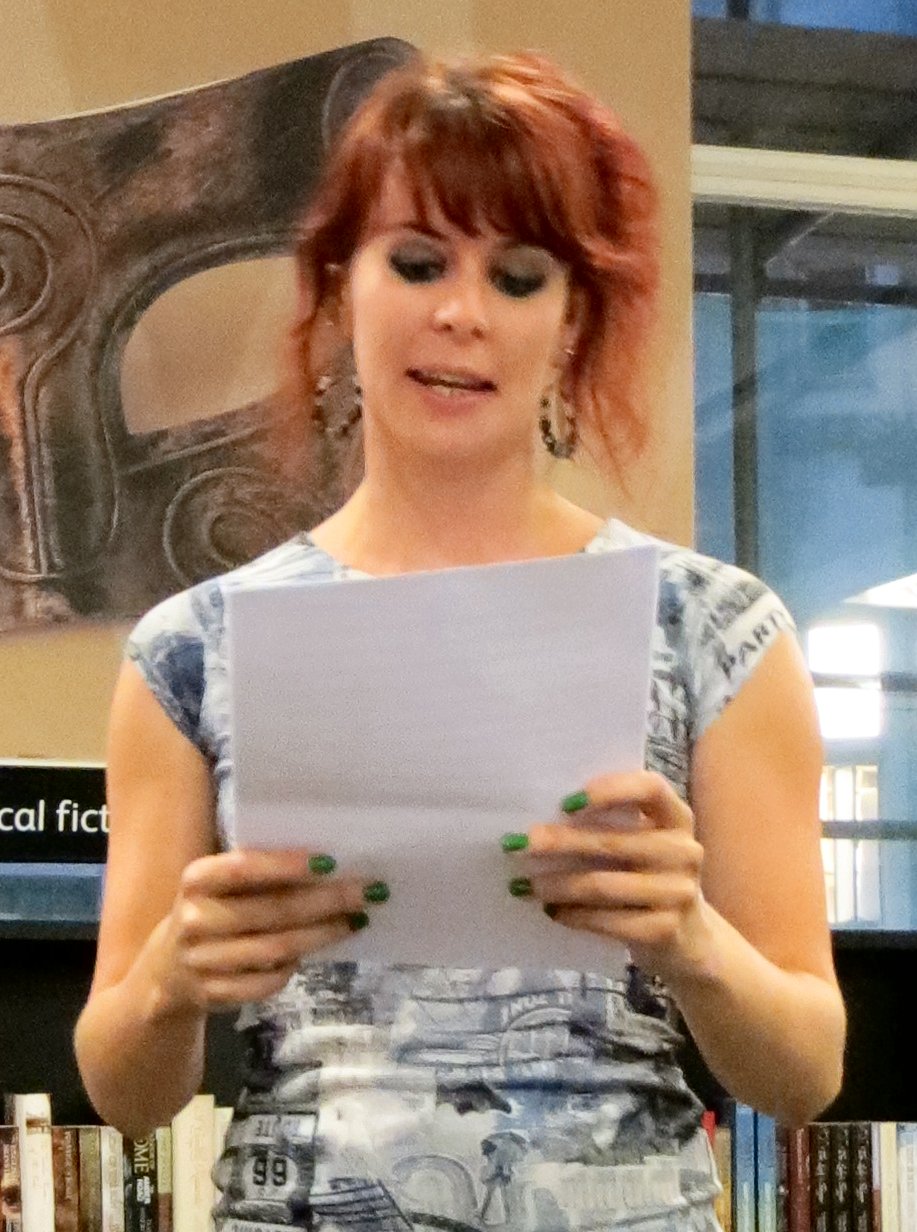
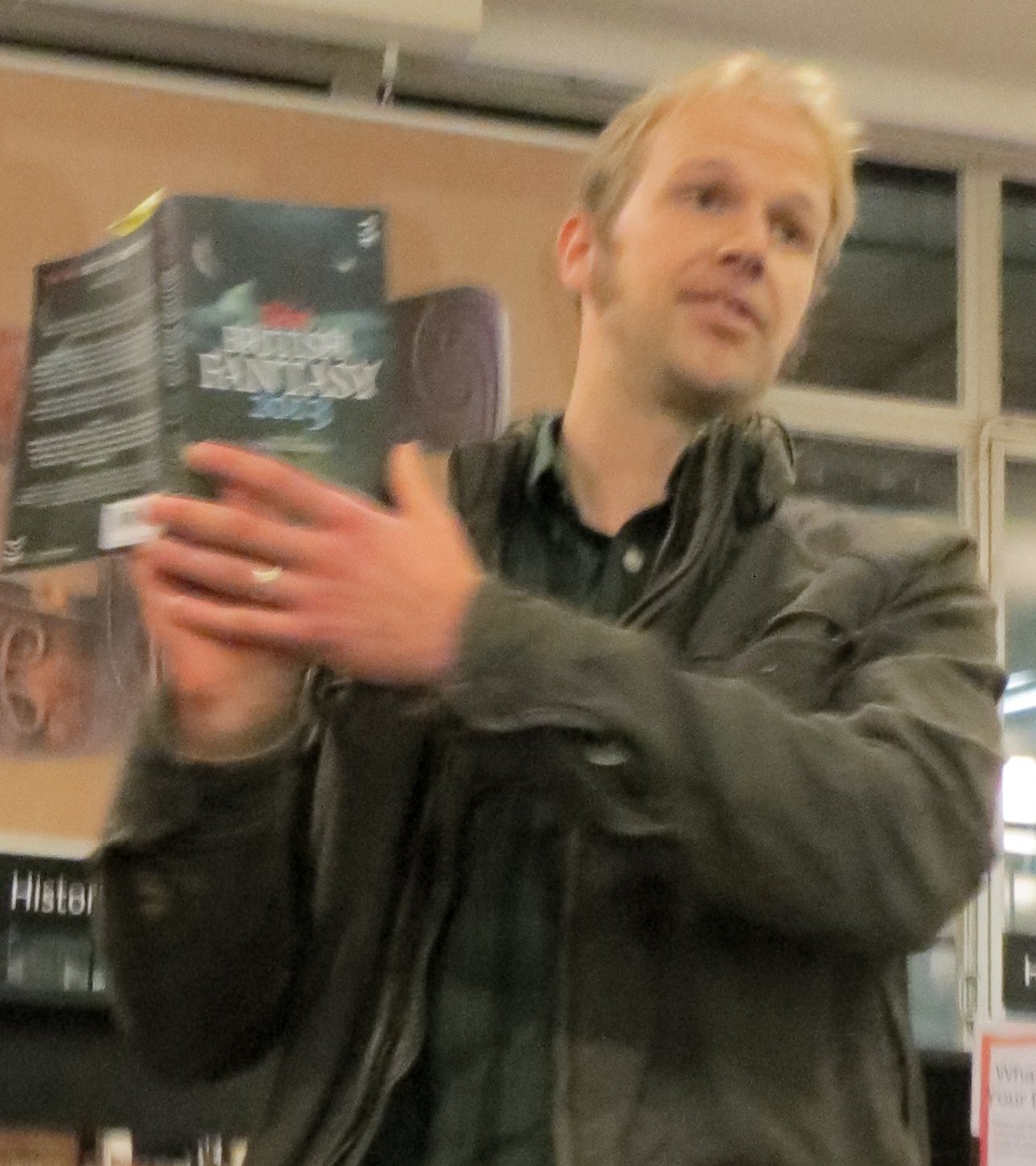
@saltpublishings’s Best of British Short Stories 2013 and Best of British Fantasy 2013
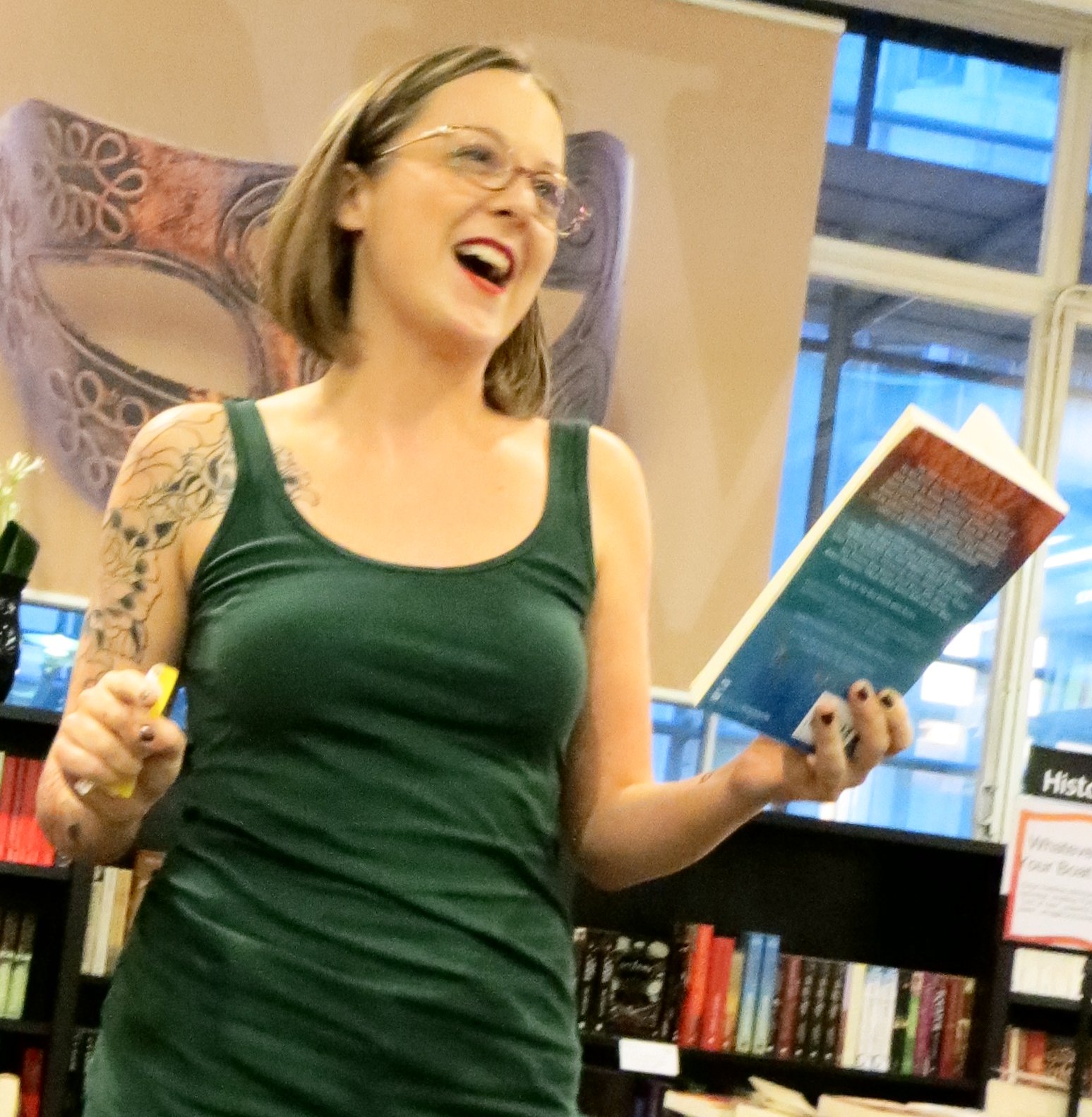
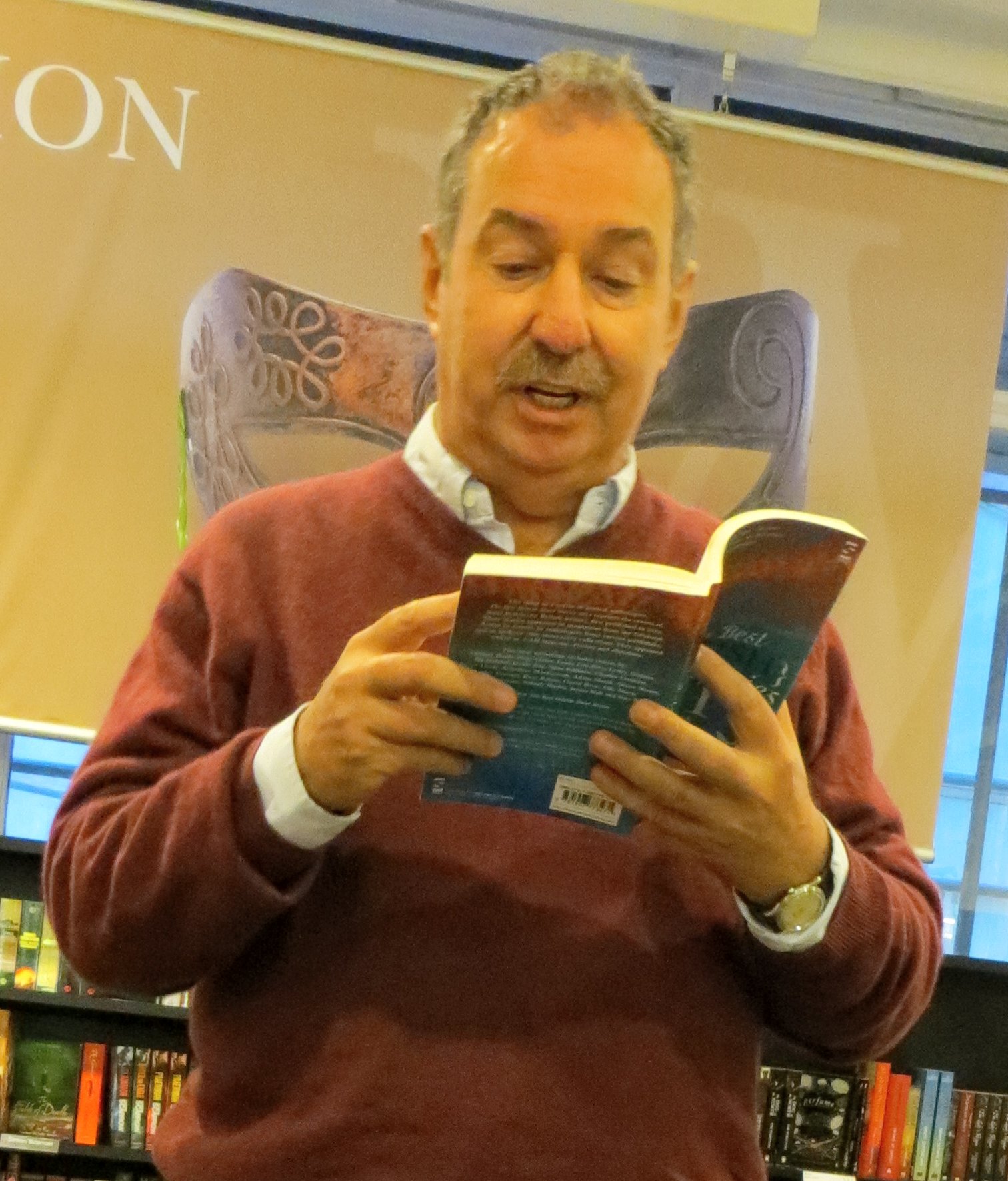
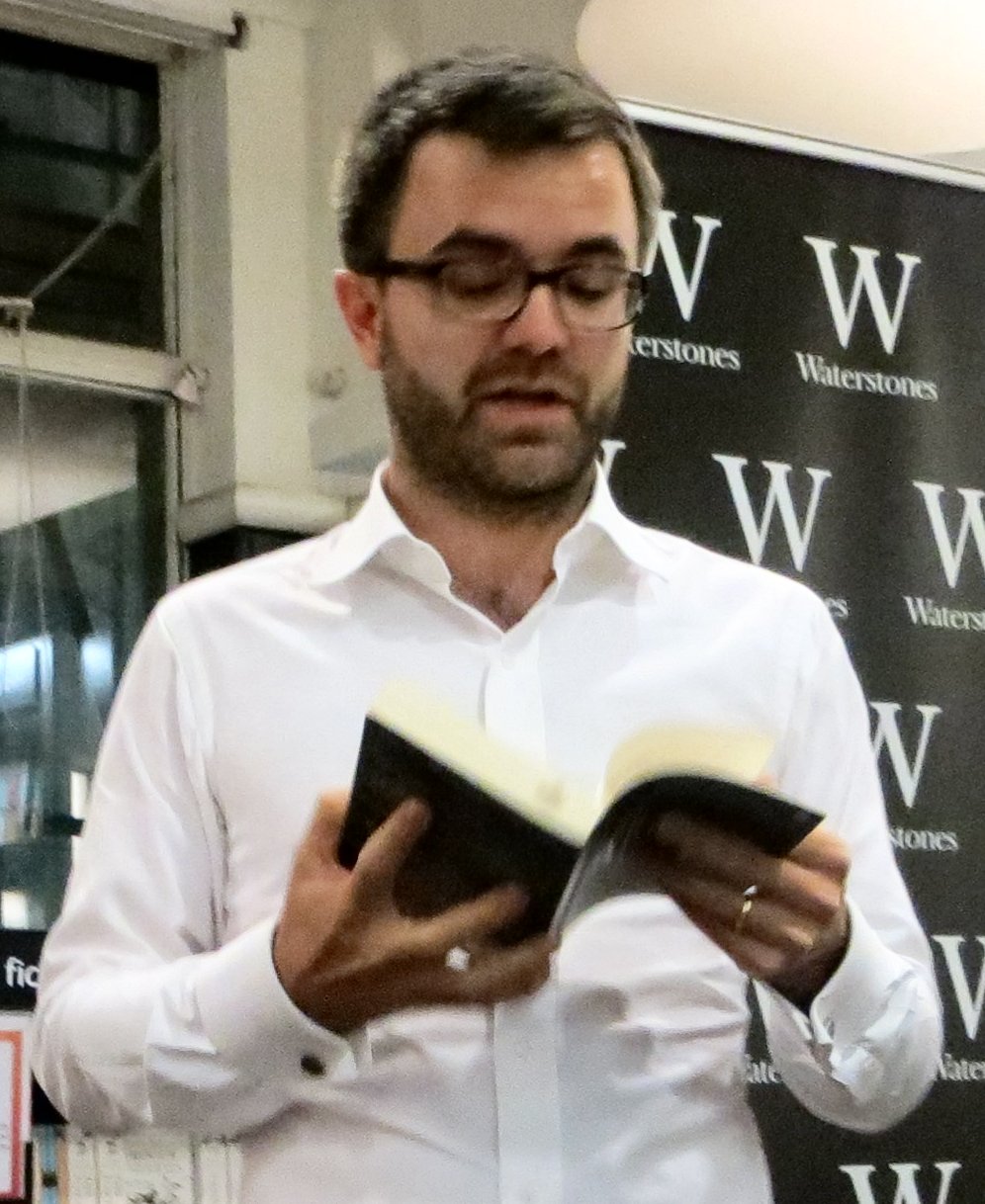
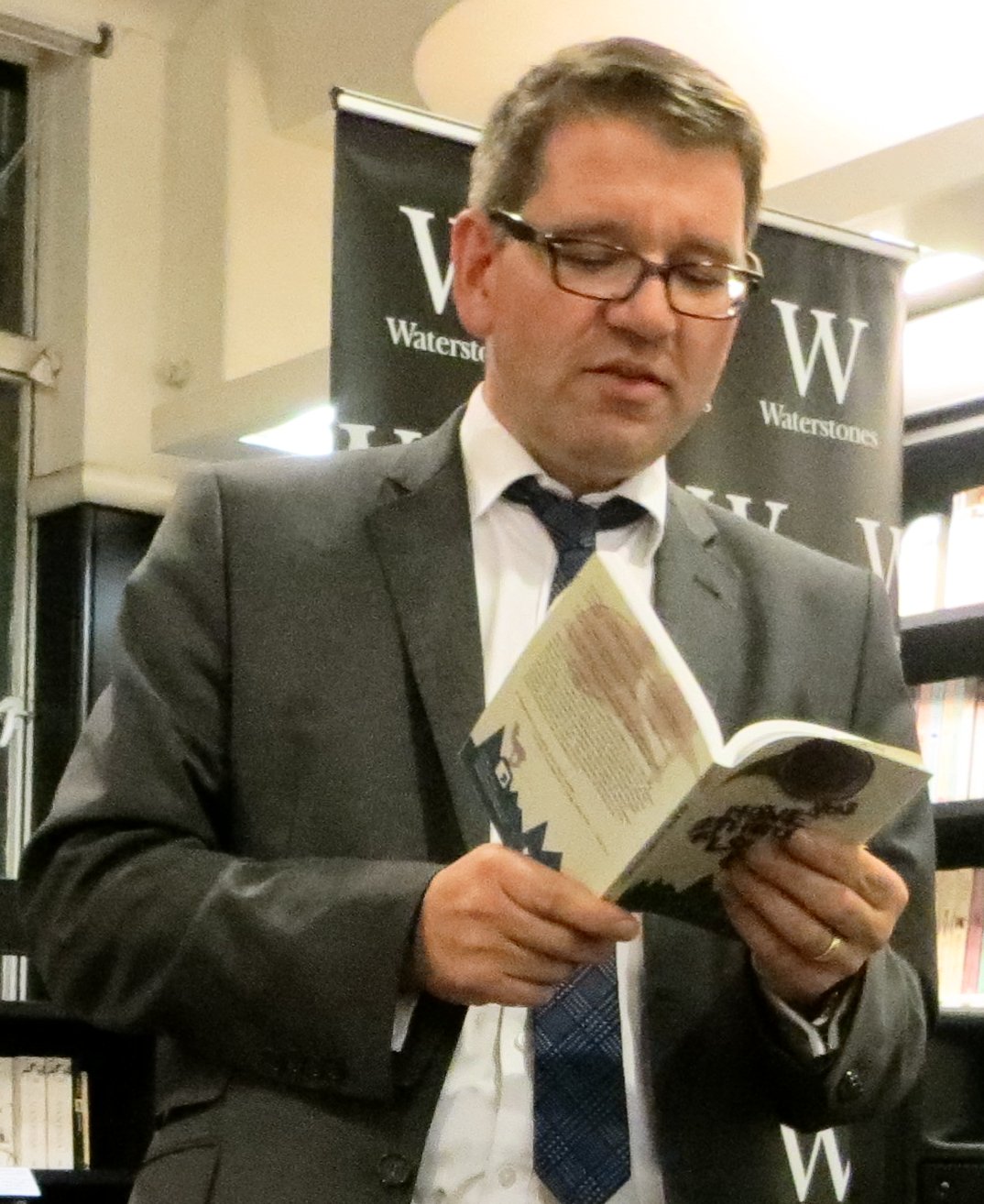
I was at Waterstones Piccadilly yesterday evening, when it acted as host to thirteen Salt authors who read extracts from their short stories to launch Salt Publishing’s Best of British Short Stories 2013 and Best of British Fantasy 2013. The event was very well attended by a lively and colourful crowd of Salt supporters. Each of the authors was introduced by Chris Hamilton-Emery, founder director of Salt, and all read their work with great feeling and panache; I loved listening to them. It is a little unfair of me, therefore, to pick a favourite, but I have to admit that I was blown away by Anneliese Mackintosh’s reading; she virtually acted her own contribution, a wryly humorous account verging on sadness about her experiences as a clueless and extremely badly supported PhD student. I’m sure that she’s an author we’ll be hearing much more about in the future.
These are two wonderful Salt collections! More details, including how to buy them, may be found on the Salt website.

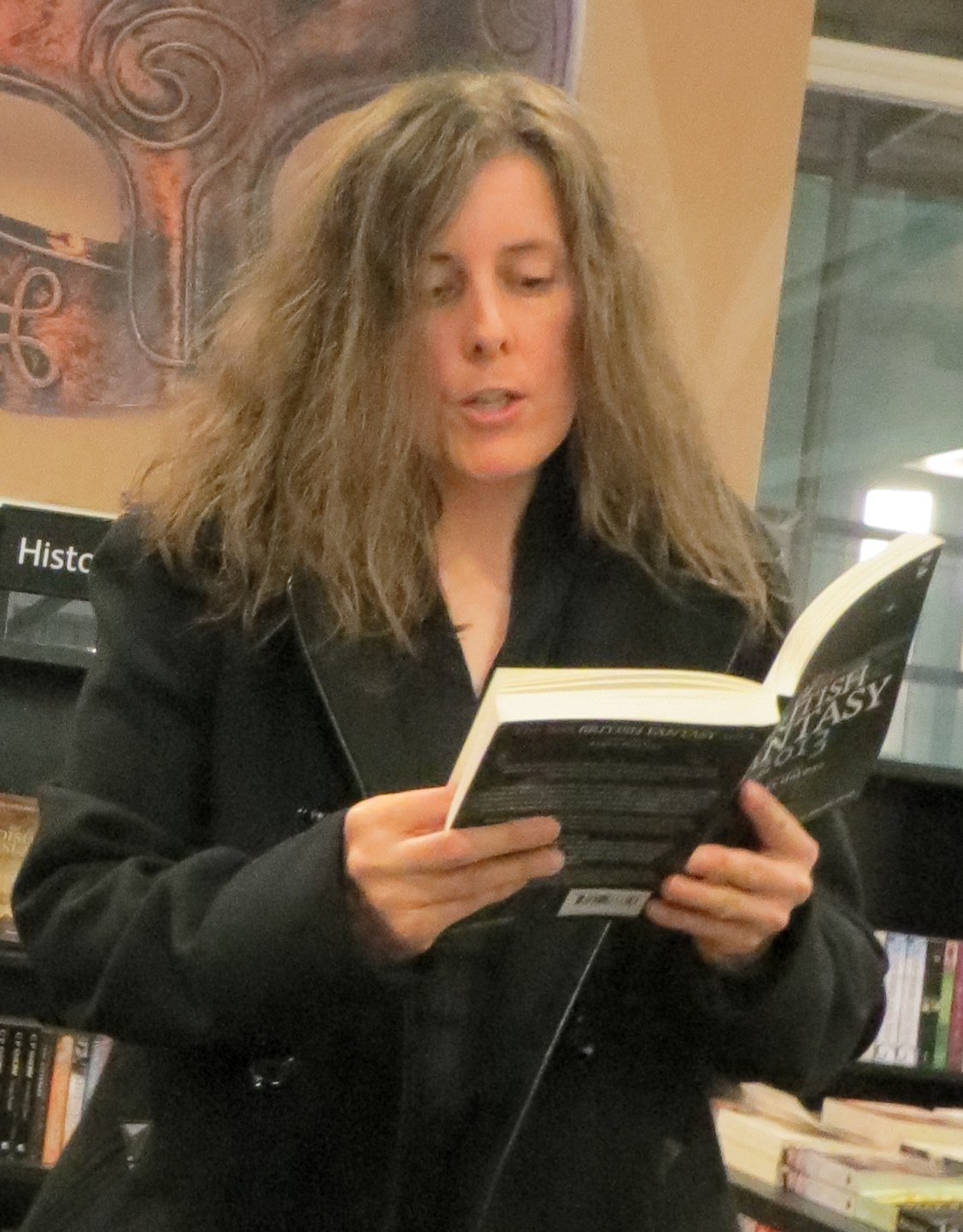
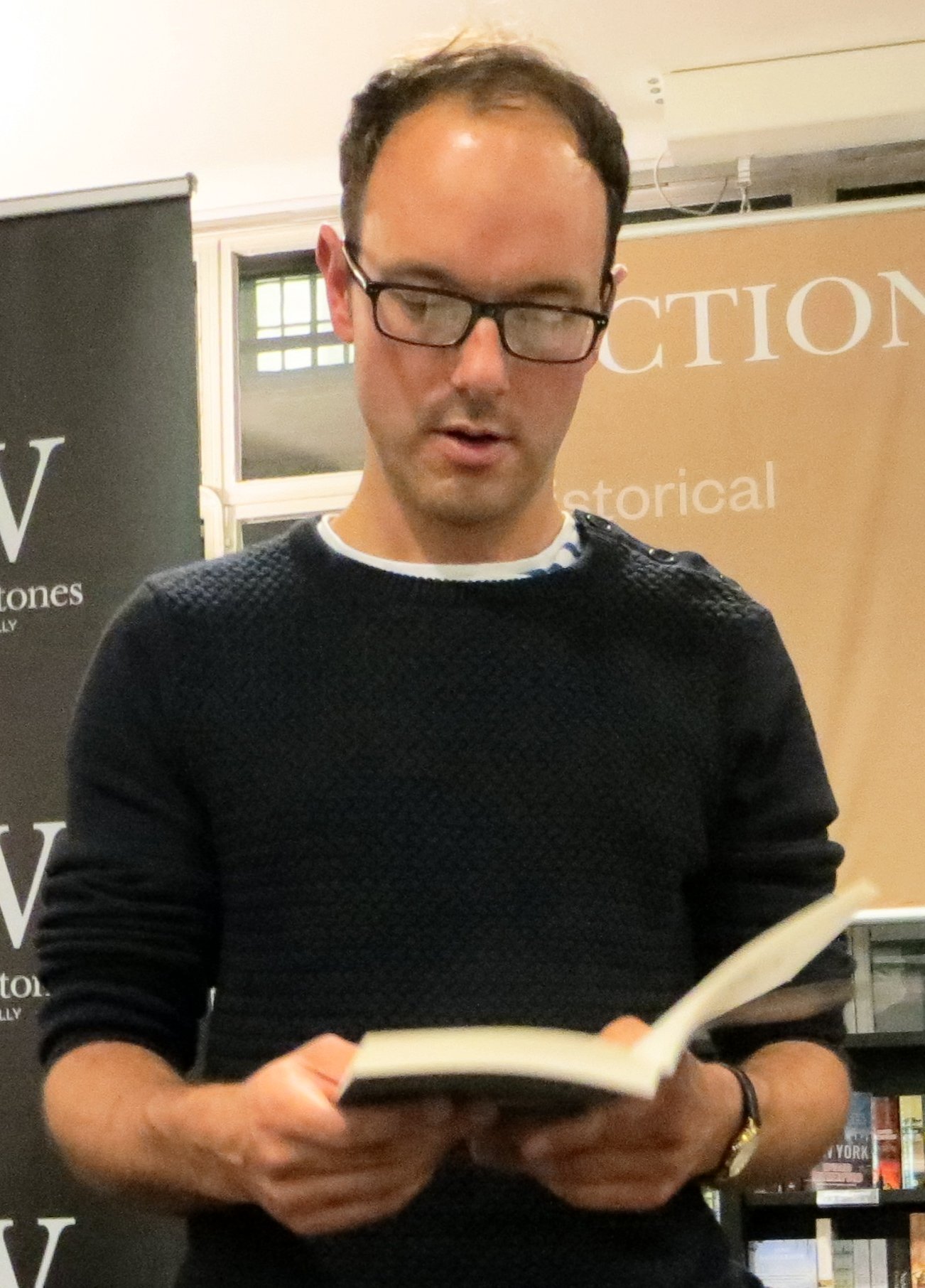
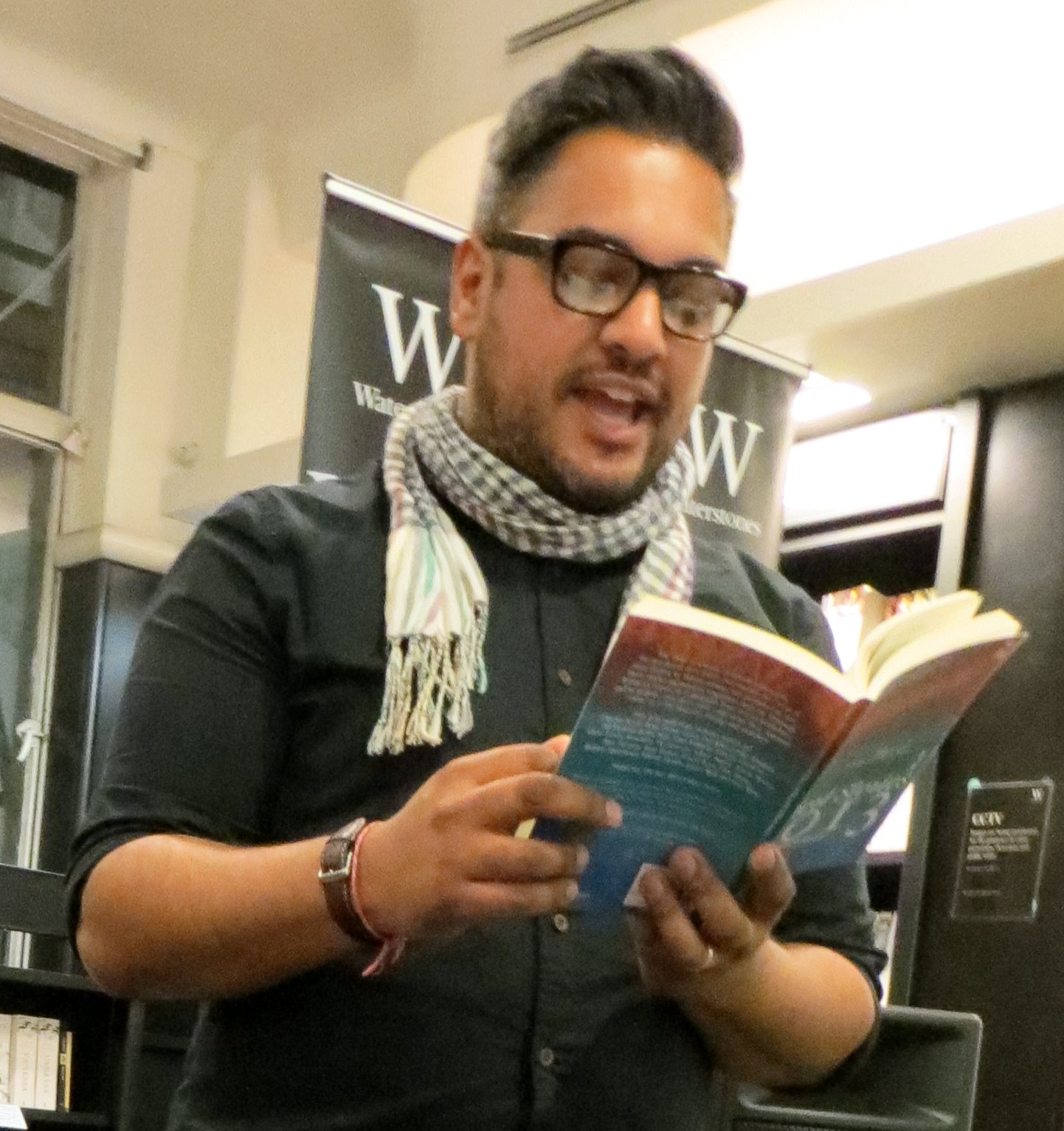
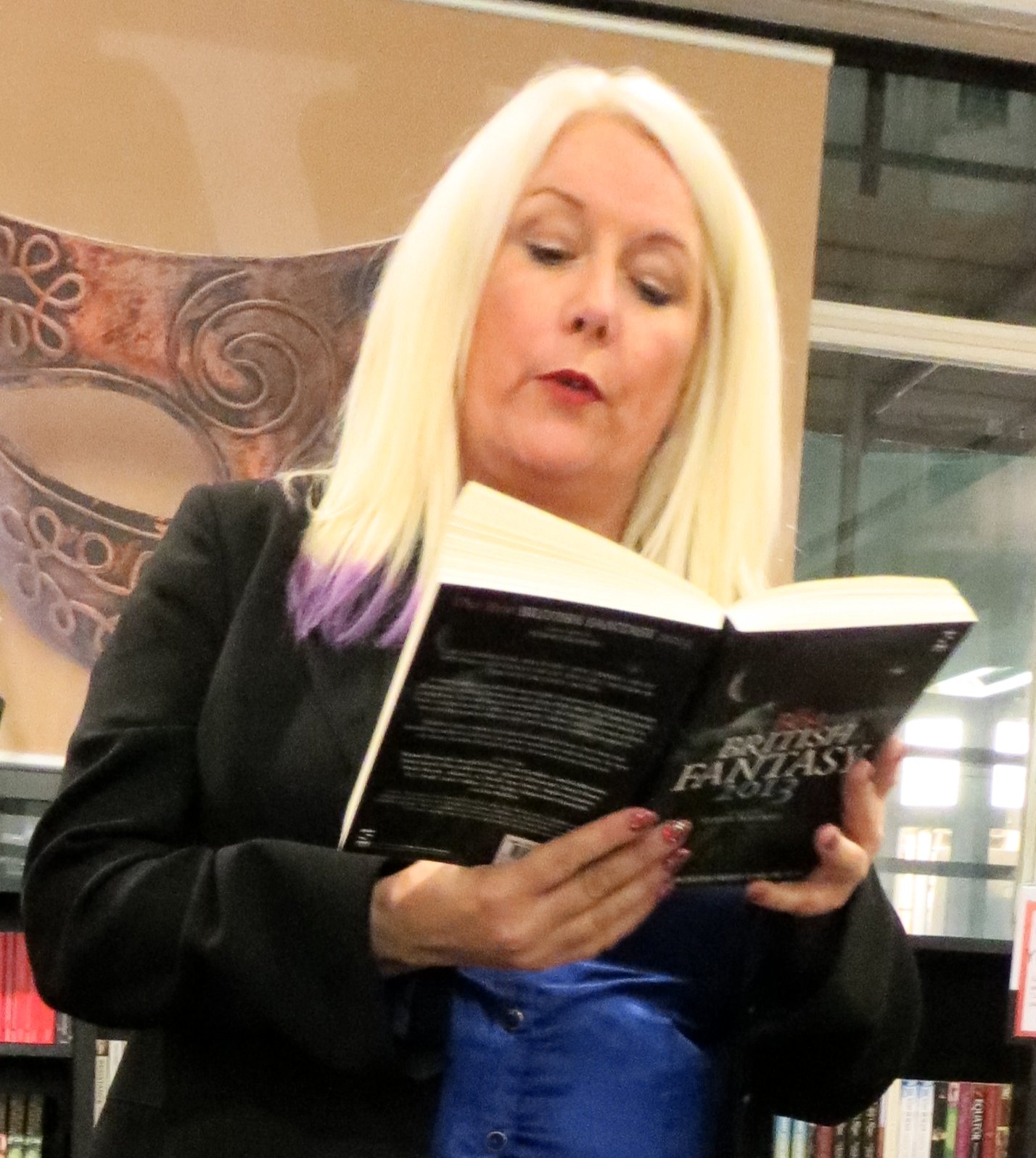
Warning, this post is not for the prudish…

Don’t read this – it is a very hard and naughty bit…
A physics professor from the University of Cambridge has objected to a sexually-explicit passage from Ovid’s Amores that was set as part of this year’s Cambridge OCR Board AS-level paper (the candidates sitting the exam will therefore mostly have been 16 or 17). Apparently, he thinks that the piece was unsuitable for students of this age, because the examination rubric states that ‘candidates should be able to … produce personal responses to Latin literature, showing an understanding of the Latin text’.
As an aside, I’d be prepared to hazard a guess that at least some of the examinees were not as innocent as the professor supposes. However, I do not need to speculate on how knowledgeable they may have been on the subject of the piece – an adulterous liaison between the poet and a married woman – because that is not the issue. If it were, then examinations would also have to exclude literary works that refer to all crimes, including murder, and all works set either in the past or in foreign countries unknown to the candidates. That would rule out the whole of Shakespeare, the whole of Jane Austen and most modern masterpieces. Surely the point of great literature is that it has the power to evoke an imaginative response in the reader that transcends his or her actual experiences. It achieves a fusion between art and life that yet maintains intact the distinction between the two. As Orhan Pamuk puts it so eloquently in The Naïve and Sentimental Novelist, “We dream assuming dreams to be real; such is the definition of dreams. And so we read novels assuming them to be real – but somewhere in our mind we also know very well that our assumption is false.”
What is depressing about the good professor’s comments, however, is not their patent absurdity (he is a professor of Physics, after all, not of Literature), but the fact that they signal a deadening retrogressive trend that is in danger of spreading beyond the confines of the classroom. I was a schoolgirl during the tail end of a period when some school texts still in circulation were described as ‘abridged’ or even ‘expurgated’: for example, my rather old-fashioned grammar school still had many sets of the Warwick Shakespeares. They had been relieved of all scenes of a sexual nature and any words that could be construed as ‘blasphemous’. However, by then, these texts were still in use for reasons of economy, rather than to preserve the pupils’ innocence. When we came to the examinations, we were expected to have read the full-fat versions. Teachers advised us to refer to these in the Collected Works, or sometimes reproduced the excised passages on separate cyclostyled sheets of paper.
To my knowledge, the Latin texts that we studied had never been subjected to the same cleansing process: my Latin ‘A’ Level syllabus included the original works by Juvenal and Catullus – much racier than Ovid – as well as Ovid himself. I cannot remember having had any difficulty in understanding them or of their having caused offence or difficulty in the classroom. What I do recall is how fresh and original they still seemed, two millennia after they were first published, and the brilliance of the teacher who helped us to appreciate them.
I’m delighted that Mary Beard, Professor of Classics at Cambridge, has robustly defended the choice of excerpt in the Latin exam paper, because I’d hate us to slide backwards into a kind of dark age of political correctness in literature. Today we are scornful of Nahum Tate’s version of King Lear, in which Cordelia marries Edgar and all the ‘good’ characters live happily ever after. We are positively amused by the efforts of Thomas Bowdler, who not only supervised the production of a ‘family edition’ of Shakespeare, but also considered that Edward Gibbon’s The History of the Decline and Fall of the Roman Empire was too risqué for polite society, and ‘improved’ it accordingly. More recently, my generation was exasperated by Mary Whitehouse’s well-meaning but narrow-minded attempts to clean up television.
We flatter ourselves that we live in a more sophisticated age than Tate or Bowdler. Many of their contemporaries, in fact, looked askance at what they were trying to achieve, just as my generation ridiculed Mary Whitehouse. Yet fashions in morality and what is ‘acceptable’ often don’t progress in linear fashion, making the next more discerning than its predecessor. In the nineteenth century, English literature was propelled at first slowly, then ever more rapidly, from the exceptionally daring creativity of the Regency era to a decades-long period that celebrated anodyne writings in which sexuality had to be conveyed in the strange telegraphese of young girls’ blushes and young gentlemen riding hard to hounds to quell their natural yearnings. Alternatively, these characters just faded away, blissful in the knowledge that their virtue had not been compromised. Woe betide the ‘fallen woman’, whose plight was not recognised until the end of the century, when Thomas Hardy wrote Tess of the d’Ubervilles.
When I was at school, it was a commonly-held belief that Physics was a finite subject: that mankind had ‘cracked’ it and had discovered all that there was to it. I know very little indeed about science, but I have read that today Physics is an incredibly exciting as well as very complex subject, one which attracts the finest minds as scientists push back the boundaries of knowledge all the time. I both respect and am in awe of them. I would suggest that they have at least one thing in common with those who choose to make literature their life’s work: they build on the creativity of the generations that preceded them. As far as I know, there is no expurgated version of Newton or Einstein: the only limitations placed on their students concern the latters’ capacity for understanding. The same restriction, and this restriction only, should apply to those who study Shakespeare, Catullus, Juvenal – and Ovid.
The King’s plunder: magical manuscripts and the earliest printing…
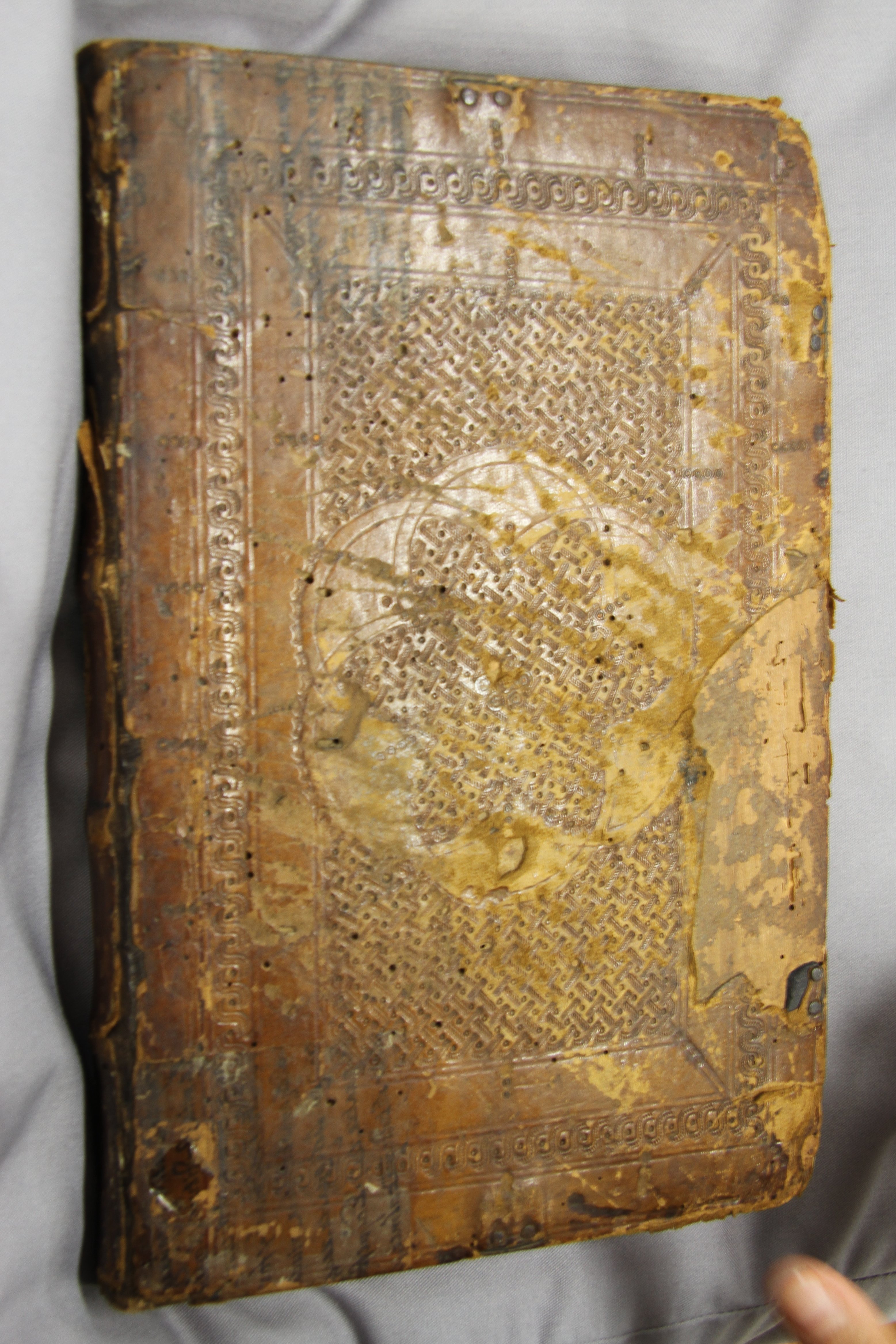
14C leather-bound vellum ms
My recent short holiday in Barcelona was inspired by a brief visit that I made to the city in October 2011, when I facilitated a two-day international librarians’ advisory group hosted by the University of Barcelona. Not only did this previous occasion help to delay having to grapple with the onset of winter for a few more days (in the last week of October, the temperature in the city was around 24 degrees celsius, just a little higher than it was last week towards the end of April), but it provided me with an opportunity to see the library of an ancient university from the inside, because the advisory group meeting concluded with our being shown some of the library’s most prized possessions.
In the 1830s, this library was given a unique privilege by the then King of Spain. He wanted to loosen the grip of the church on the country; he also saw that most of the nation’s ancient manuscripts, incunabula and early printed texts were being held in convents and monasteries. This meant that not only were they inaccessible to scholars and students unless they were also inmates of these foundations, but also, in many cases, the books were not being adequately curated. Gradually, these priceless texts were being destroyed by insects, vermin, damp and, sometimes, acts of vandalism (in the sense that those who coveted particular illustrations might remove them from the work concerned). He therefore ordered that all of these rare manuscripts and books should be given to the University of Barcelona. I imagine that there were some grim ecclesiastical mutterings at the time and I strongly suspect that not every last text was relinquished. Nevertheless, the king’s dictat has resulted in a treasure trove that stands shoulder-to-shoulder with the great library collections of the world. For the university, it has been a joyful trouble: the work of preservation and curation goes on to this day. The books are kept in rooms where the temperature is constant and the university has a continuous restoration programme.

14C illuminated vellum
Having heard about these wonderful works of art, my husband wanted to see them too, so I contacted Carmen Cambrodi, the acquisitions librarian at the university, and asked her if it would be possible for us to make a short visit during our stay. She very kindly arranged for one of her colleagues to show us some of the collection and we spent an enthralling hour in her company. She was very knowledgeable about all of the books in her care. Appropriately, we made the visit on St George’s Day, when the streets outside were full of books of modern provenance.

14C illuminated page
The first book she showed us was an illuminated manuscript dating from the fourteenth century. I have included a photograph of it here. As you will see, all the letters are impeccably formed; it is so perfect that it looks typeset. It was written on vellum, which has stood up to the test of time remarkably well. I’d like to know how many hours it took to complete. It is certainly the result of many months’ work. I wonder if the monk who crafted it with such professional care was pleased or sad when his work was done? The illustrations take your breath away.

15C incunable
The second book is an incunable, or a book printed before the year 1501. It is strikingly similar to the manuscript: it demonstrates clearly that the earliest printed books tried to emulate their handwritten forbears in every detail. Interesting are the gaps left for illustrated letters, which were never completed, and the stamps of the religious institution from which the book came. Finally, there was a sixteenth-century example of a botanical encyclopaedia. This book was remarkable, not only for its accurate and beautiful illustrations (the vegetable dyes used to colour them have hardly dimmed with the passage of almost five hundred years), but also because it concludes with portraits of the three men who, respectively, wrote the text, painted the illustrations and cut the engravings for the printing press. Apparently such celebration of the author and other contributors – and especially inclusion of their pictures – was very rare at this date. You can see that these aren’t stereotyped portraits, either, but real likenesses: you feel as if you would be happy to meet these characters in a tavern and listen to them discoursing sagely on the problems of printing and book illustration, or perhaps the political issues of their day. They look as if they could be fun, too.

16C makers of the book
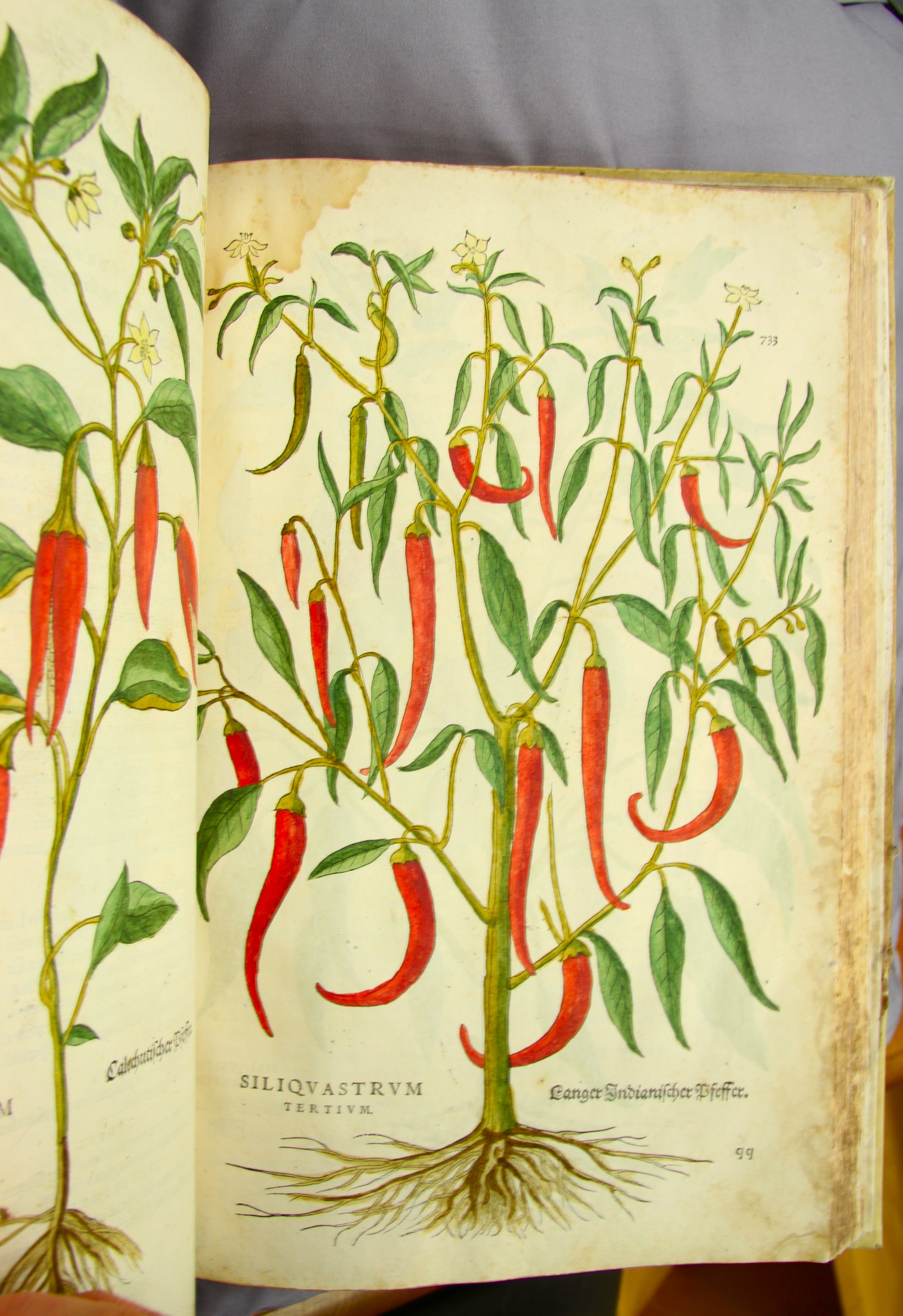
16C chillis
The librarian, Mrs Neus Verger, told us that the paper that was produced in the sixteenth and seventeenth centuries for early printed books was of much better quality than that which followed in the eighteenth, nineteenth and twentieth centuries, with the result that priority for conservation work often has to be given to ‘younger’ books. She made her point by showing us some holes created by insects in some of the pages of the botanical book. The insects had bored through the paper completely, but these small pinprick holes constituted the only damage: the surrounding paper was completely untouched. The insect depredations had caused no further decay.
My husband and I will treasure memories of this visit and hope that one day we shall be allowed to return in order to glimpse again these jewels from bygone ages. I’d like to record here our heartfelt thanks to Carmen Cambrodi and Mrs Neus Verger, a wonderfully erudite but very modest colleague, and to pay tribute more generally to the University of Barcelona, an oasis of calm and of serious learning set in the centre of a bustling and vibrant city.

14C illuminated page
[Text and photographs © Christina James 2013]
With apologies, a postponement!

I’m afraid that I have to announce a postponement of my Gower Street event this week to May 2nd 2013. I had been looking forward to meeting some blog and Twitter friends this week, but I hope the delay will not destroy the eventual opportunity. With grateful thanks for your understanding.
Christina.
Chamber Music, a novel for Breckland Festival

Chamber Music, by Tom Benn, is not the sort of book I’d ever pick out for myself in a bookshop, given a free choice. Why? Because even though I am impressed by the skill of writing a dialect-heavy novel, I find such an approach to dialogue rather painful to read; also, when I’m not very familiar with the dialect, I can’t ‘hear it in my head’. I must admit, too, that the presentation of the seamier side of life for a whole novel is, for me, too much noir in one go! However, as I’ve explained in a recent blog-post, I’m meeting Tom at a Breckland Book Festival crime-writers’ session which I’m chairing. Claire Sharland, the organiser, kindly offered to pay for this book if I acquired it. I should add, hastily, that of course I’d have made sure that I’d read it before meeting Tom, in any case!
Technically speaking, it is a brilliant novel. I don’t quite know how to describe the technique that Tom has used – it is Irving Welsh crossed with William Faulkner, if that makes sense. I know that often writers resent being asked if their books are autobiographical or ‘drawn from life’; and, whilst I have no intention of asking Tom such a question, it seems likely to me that he must have lived and breathed the under-class, criminal-underworld Mancunian society that he depicts – otherwise he would never have been able to write such pitch-perfect dialect or captured the topography of the mean streets of Manchester with such conviction. On occasion, the use of dialect is so rich that the non-Mancunian reader is baffled, but such is Benn’s skill that eventually it is possible to decipher meaning from context. For a simple example, I picked up quite quickly that ‘scran’ is slang for a tasty snack.
This book has very little in common with Elly Griffiths’s Dying Fall, the other book featured in the Breckland session, which is no doubt why these two authors were billed together. However, both do share a pronounced sense of place and in both novels I feel that the crimes act as a vehicle for exploring the characters, rather than themselves being the focal points of the novels. Henry Bane is a complex character who takes a lot of fathoming – I suspect I should learn even more about him if I were to read the book twice; and Roisin is portrayed in an enigmatic and, given the situations in which she is placed, paradoxically delicate way.
I’m particularly looking forward to asking Tom Benn to read a passage from Chamber Music when I meet him next Saturday, for I want to get the authenticity of his voice into my reading of the novel; I’m sure that a live reading will be captivating.

My favourite bookshop!

Yesterday I visited Waterstone’s Gower Street, which in my mind is called simply ‘Gower Street’ and, in many other people’s, is still indelibly fixed as ‘Dillons’. A great bookshop and, of all the bookshops I have visited (there have been a few), easily my favourite. It’s situated in the heart of Bloomsbury. Approaching from Gordon Square, you come upon it suddenly, an Arts and Crafts enchanted castle before which there is always a litter of student bicycles, as if thrown down in homage at its feet. On an early spring day, especially when the sun is shining, your heart lifts immediately.
The shop was founded by Una Dillon, herself one of the extended ‘Bloomsbury set’. Almost every other door of the houses in Gordon Square and adjoining Fitzroy Square is adorned with a blue plaque celebrating the fact that a Bloomsbury author lived there; Una Dillon created the shop to serve them. The building was originally an early experiment in franchise retailing, a sort of forerunner of the Galeries Lafayette or Selfridges. It was designed to house twenty-four retail units, one of which was initially taken by Una Dillon. Gradually, over a period of years, she expanded until she had bought all of the units and therefore the whole building. (This also lifts my heart: I wonder if there is the remotest possibility that this could still happen today? Could a bookshop oust, say, Zara, Boots, Gap, Marks & Spencer and their ilk from such an ‘emporium’? I have my doubts!) Consequently, behind the scenes, it is a rabbit warren of corridors and small offices. It is also a protected building – of which I’m entirely in favour – although it does mean that not even a nail can be knocked into the wall without English Heritage’s being first consulted.
This shop came under my jurisdiction for several years in the 1990s. At the time, there were booksellers there who could remember Una Dillon’s being wheeled into staff meetings in her wheelchair and who were still in awe of her memory. (I must admit that the image of this is conflated in my mind, unfairly I’m sure, with the image of Jeremy Bentham’s stuffed corpse, similarly wheeled into meetings at UCL nearby, but I’m sure that Una was still alive on the occasions of which they spoke!)
I myself have many excellent memories connected with the shop – for example: the launch for George Soros’s book, which attracted so many people that it had to be held in a lecture theatre at UCL, with a television link to an overspill room; coming out of the manager’s office and finding Will Self chatting to the staff in the reception area; walking back a little dazed to King’s Cross through a summer dawn on a Sunday morning, having – with all of the staff – been up all night stocktaking. And it is still my favourite place for browsing and buying books.
Great bookshops are like people – they have personalities. A great old bookshop like Gower Street also has secrets. As far as I know, there has never been a murder committed there, but there could have been. Maybe someone will write a novel about it!
In the name of ‘godliness’ – hah!
 I’ve almost finished reading The English Civil War, by Diane Purkiss. It is a huge book, admirably researched. Its sub-title is ‘A People’s History’, which gives a clue as to why it is such a captivating read. Although Diane Purkiss has a fine grasp of the complex political and religious conflict which precipitated the war, it is the stories of ordinary people caught up in the carnage that really inspire her. Bringing together first-hand accounts from many different sources, she captures the full barbarity and misery of the war as it affected families, communities and industries. Civil war must be the most bitter and savage type of warfare conceivable. Purkiss’ tour-de-force reminds me of narratives about the American Civil War, though none of the ones I have read is her equal in matchless research combined with an exceptional power of description.
Particularly harrowing are her accounts of betrayal – son denouncing father, brother at odds with brother – sometimes done for material gain but more frequently in the name of ‘godliness’. What is also striking is that, in the long term, humanity has benefited from none of the lessons that were so hard-learned in the seventeenth century. A trawl of news websites reveals that half a dozen civil wars are taking place worldwide at the moment, each one conducted with the same unreasoning fury and hatred that drove the clashes between English Royalists and Parliamentarians more than three and a half centuries ago.
Kenneth Branagh to play Macbeth
That Kenneth Branagh will play Macbeth at next July’s Manchester International Festival is, I don’t mind saying, wonderful news for those of us who love him in Shakespearean roles. He must be relishing this one already, for there is something special about a villain who has all the makings of a very good man indeed, but who succumbs to the temptation of absolute power. To kill a king to become a king in a world where ruthlessness rules would not be, in itself, much of a story, but to have a man in whom a good king might place ‘absolute trust’ turn into a veritable devil of blood and darkness is the gutsy psychological stuff that I enjoy. A king of the present day, who makes war on his own people through a weak desire to perpetuate his power, is not an interesting villain, whatever the violence he wreaks, but just a feeble and cowardly character. Give me the man, Kenneth Branagh, who has all the goodness of a true, loyal and astonishingly brave subject and a massive potential for self-interest and viciousness. Then there is some real awe to be had.
Oh, yes, there is a Lady Macbeth too, but that’s another story. The mind of a great man sucked into evil is what this crime thriller is all about for me and I predict that Branagh will be a great Macbeth.
 Christina James, crime novelist