

Assalamu alaikum, people of Kuala Lumpur
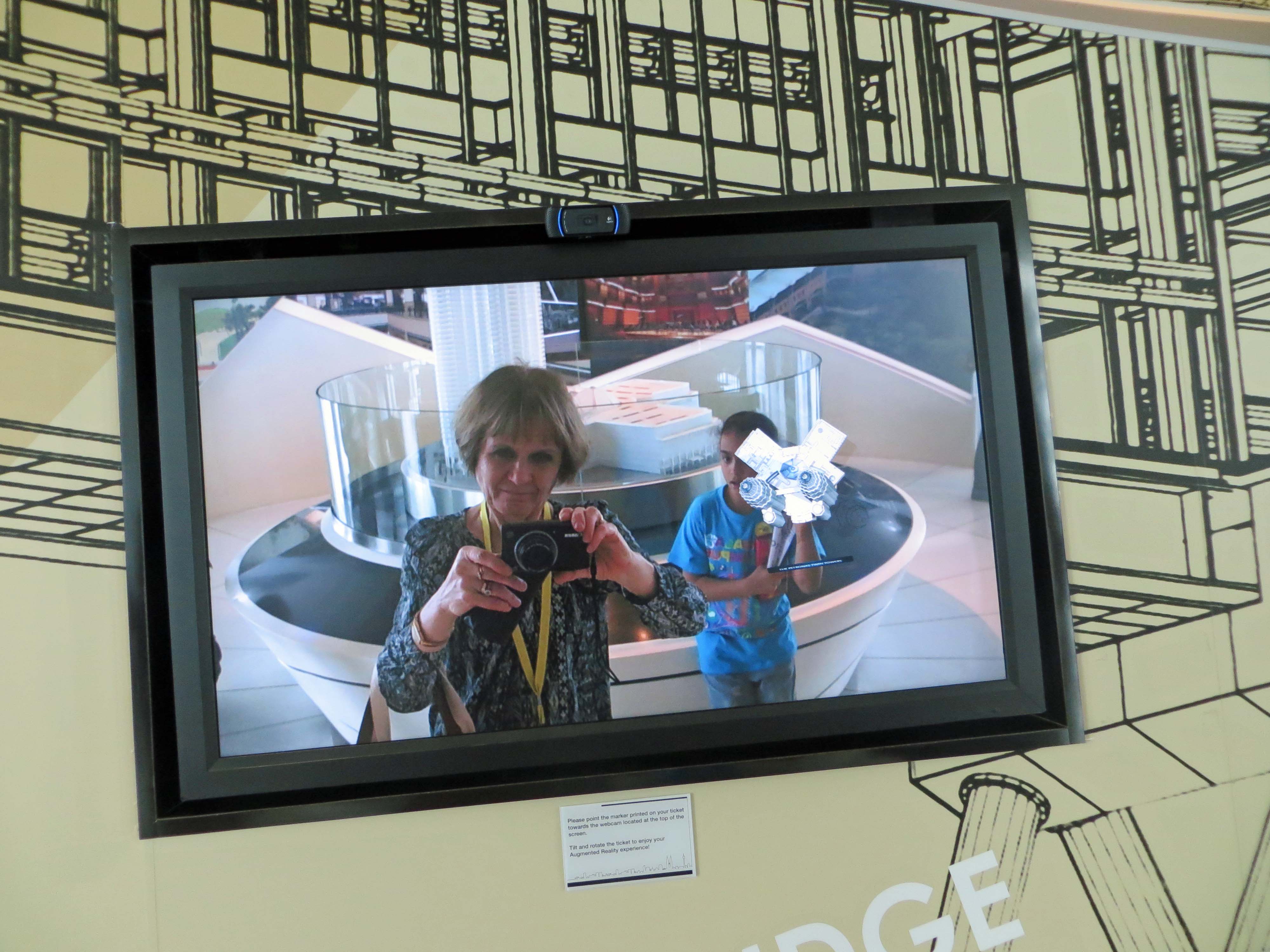
Composing oneself at the top of Petronas Towers

“It’s only a model!”
Last week, the day job took me to Kuala Lumpur. I was away for five days, two of which were spent travelling almost around the clock (mad, I know, but I assure you it was worth it!). Once I had arrived, I was privileged to be the honoured and somewhat overwhelmed guest of two universities in the city. My impressions of the country and its people during so short a stay, although vivid, are therefore inevitably sketchy, so I apologise in advance for any observations that may strike those who know Malaysia better than I do as either incomplete or simply wrong.
Malaysia is a young (just over half a century since independence), very proud country, and also a thrustingly ambitious one. All of these qualities are epitomised by the twin towers – the Petronas Towers – that were built in the KLC district of the city in 1998 and are now the tallest twin towers in the world. Following many recommendations from my Asian colleagues, I chose to spend most of my single free half-day travelling to them and taking the tourists’ trip to the top. As the Towers are eighty-eight storeys high, this provides a panoramic view of Kuala Lumpur and delivers a 360-degree demonstration of just how much development work is taking place there. High-rise buildings are everywhere and many, although dwarfed by the Petronas Towers themselves, are giants by UK standards. Nor is it all about size: most of the buildings are beautifully designed and Malaysians are increasingly strict about the standards of architecture they consider acceptable for their capital city. Whilst at the top of one of the Petronas Towers, I was lucky enough to see an inferior skyscraper being demolished: it collapsed in clouds of black dust.

In the race to the top, one down… and more, I think, to go.
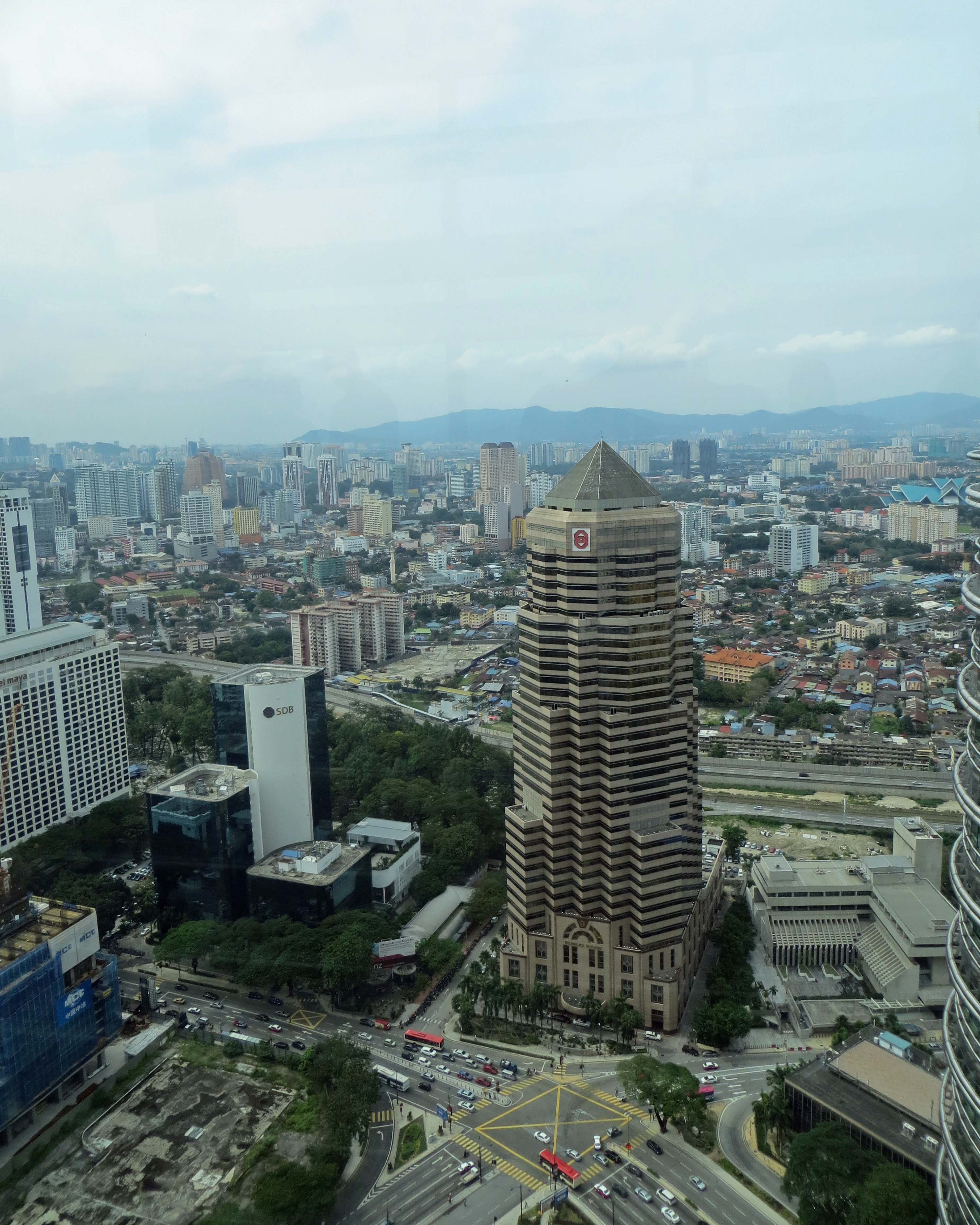
A view from the bridge… between the towers

Another view from the bridge
As I’ve said, my impressions are based on only a little information, but it did strike me that Kuala Lumpans are in such a hurry to become world leaders that they are in danger of destroying not just their immediate past, but also their much older heritage; and this notion resonated with some of my colleagues when I voiced it. I saw little architecture in the city that was more than thirty years old and nothing at all that was likely to have pre-dated my own birth.
Yet, paradoxically, despite their keenness to ‘get on’, the overwhelming majority of Malaysians whom I met, almost all of whom were extremely well-educated, were gentle, polite, courteous, humorous and modest. They were not ‘go-getters’ in the sharp-elbowed sense. They have their own, highly honourable, way of making progress in today’s world. Much of this stems from the fact that they are also very devout. At both of the universities that I visited, the call to prayers sounded five times each day. The prayer rooms hold only twenty to thirty people and those not able to take part exactly on the hour await their turn patiently, but they make it quite clear, whatever the task in which they are engaged or the conference or focus group to which they are contributing, that prayer comes first.
Despite this apparent unanimity about how things should be done, I did observe some collisions as Eastern values met Western ones; not, however, at the universities, where highly-qualified librarians and academics have no problem with reconciling traditional dress and customs with exacting, high-profile jobs. The suite of rooms in which our meetings took place are normally occupied by eminent doctors and surgeons and are designed to help them relax from cutting-edge medical research and surgical operations. That we were very privileged to have had them generously give up these quarters to us for a whole day was not lost upon us.
Most of the men and women employed by the university wear traditional dress. This is at once exuberant and dignified. The men’s tunics and the women’s shalwar kameezes (they call them this, even though mostly the garments consist of three-quarter-length tunics and long skirts, rather than trousers) are beautifully made, often embroidered or sequined, and frequently in very bright colours. Sometimes the women wear tailored versions in heavy silk. The more austere outfits are a little more nun-like, and stick to plainer cloth – usually cotton – in light blues, greys and navy. But all these advocates of traditional dress wear their clothes with pride and often the women fasten their hijabs with many-jewelled brooches or enhance them with a framework of pearls. I saw no black burqas or niqabs at the universities.
Where I did see one such outfit was at the Petronas Towers. Since these are frequented by tourists, its owner may not have been Malaysian. I could see from her eyes and deduce from the age of her husband that she was very young – probably a girl still in her teens. And she didn’t look unhappy: he was holding her hand and they were walking along together, laughing. What was striking was the difference between this couple and another Asian couple (again, of course, I cannot make an accurate guess at their nationality), also taking the Twin Towers tour and also holding hands. The girl, also probably in her late teens, was wearing a short-sleeved black T-shirt and immaculate, but very short, white shorts.
How will Malaysia’s future unfold? From now on, I shall be fascinated to observe and find out. I hope that it will prosper as it wishes, and I also hope that it will at the same time manage to preserve its heritage and its traditions. I think that its most prominent religion may be the key: this week I was extremely honoured to have been able to immerse myself in how true Islam – tolerant, humorous, friendly, hospitable and forgiving – makes a huge contribution to the world in which we live.

A sense of proportion?

And a sense of scale

And so high above all those!

A few degrees of the 360
A salute to Ethel Lang – and to Barnsley

From ‘The Times’, January 17th 2015
Ethel Lang, the lady who held the record as Britain’s oldest woman, died last Wednesday aged 114. I salute her.
I’m hugely pleased and not a little tickled that Mrs Lang’s home town was Barnsley, which I’ve known very well for at least forty years (my husband’s grandmother, aunt and uncle lived in Pogmoor; his uncle worked for the Coal Board). In fact, she spent her whole life there: Barnsley, the heart of the South Yorkshire mining industry and base of Arthur Scargill, former miner and for twenty years president of the National Union of Mineworkers (the final home of the NUM stands stolidly at the corner of Victoria Road and Huddersfield Road, a rather grim, castle-like building, with a poignant sculpture of a mining family as a memorial in front of it); Barnsley, home of the Barnsley chop (effectively a double lamb chop, of almost joint-sized proportions, served to an individual), one of which once famously over-faced Princess Diana; Barnsley, a town dominated by its massive town hall (George Orwell thought the money spent on it would have been better used to improve the terrible living conditions of the miners) and wonderfully served by a fine covered market with two identical car parks (I’m not alone in having had to seek assistance, having ‘mislaid’ my car: the non-pc male attendant told me with some glee that ‘lasses are always doing it!’); Barnsley, whose living and much-loved bard, Ian McMillan, sings its spirit in verse and paints its picture in tweets; Barnsley, whose huge and thriving college has sent out many of the district’s sons and daughters, including the Arctic Monkeys, to succeed in the world; Barnsley, whose metropolitan borough council struggles heroically to maintain its vast rural hinterland as well as the town itself without raising the council tax: a bastion of The People’s Republic of South Yorkshire, as my husband observes with great affection.
So it was the bracing atmosphere and modest amenities of Barnsley that supported Mrs. Lang well into her twelfth decade, not the leafy lanes and rarefied air of a bijou village in the home counties or the endless facilities available in one of our great metropolises. How remarkable is that! And she wasn’t a member of the upper classes or even one of the ‘middle sort’: she left school at fourteen to become a seamstress in a shirt factory and married a plumber. From a solid working-class background, therefore: clearly not in want, but not a life packed with luxury, either.
Not surprisingly, there has been quite a lot of news coverage following Mrs Lang’s death. Most of the articles and TV stories have looked back at the main national and international events of her very long life and, of course, the list is rich and varied: she was born when Queen Victoria still had a year left to reign and lived through two world wars, all the moon landings that have taken place so far and, according to The Times, the births of ten billion people during her lifetime.
I’m sure Mrs. Lang will have been interested in these things, but what are likely to have affected her more nearly are the changes that have happened in Barnsley itself during the same period. She will have remembered vividly the General Strike that took place in 1926, the year before her daughter was born, which was called by the Trades Union Congress in support of 800,000 locked-out coal miners, including the ones working the Barnsley coalfield; she’s likely to have remembered the young evacuees sent to Barnsley during the Second World War and may even have helped to look after some of them; she’s bound to have remembered also the miners’ strikes of 1974, the first since 1926, which led to the temporary introduction of a three-day week, and the strikes of 1984, which were triggered by the announcement that some twenty pits, including Cortonwood Colliery, close by, near Rotherham, were to be closed; she’ll have seen the town grow shabby and poor as the prosperity brought by mining declined, gradually at first, but inexorably, and later much more swiftly, throughout the twentieth century. And I hope that she was also well enough – and mobile enough, after her eyesight began to fail – to see this proud town reinvent itself for the twenty-first century.
Mrs Lang’s daughter said that ‘she tried very, very hard with everything that she did’ and that she enjoyed dancing, knitting, baking her own bread and having her nails painted bright colours. Endeavour and enjoyment seem to have been the secrets of her longevity. She obviously had a strong work ethic. I think it’s likely that she wasn’t a driver, but, if she had been, she’d probably have scorned to be one of the ‘lasses’ who couldn’t find her car (though, if she had found herself in my mislaid-car predicament, it would be nice to think that, like other strong Yorkshire women I have known, she would have given as good as she got if a car park attendant had tried to patronise her).
I propose a toast to Mrs Lang. May her spirit live on in her home town. And may many other daughters and sons of Barnsley chalk up a century or more, sustained by a town that continues to try very, very hard.
Welcome to The Heidelberg Project

I have an excuse, albeit possibly a feeble one, for the recent lack of posts. The day job took me back to Michigan again during the second week of December and after that I was running to stand still all the way to Christmas (not aided by some ‘organised power cuts’, courtesy of the local Pennine lumber industry). However, I have been thinking of my readers, whose support I appreciate so much, while trying hard to find time to do justice to what became for me one of the outstanding experiences of 2014: my visit to Detroit.
On my first trip to Michigan, at the end of September, I saw nothing of Detroit except the airport and some of the industrial hinterland that lines the motorway en route to Ann Arbor. But, in December, my day-job meetings took place on Wednesday – Friday instead of Monday – Wednesday, so my hosts kindly offered me the opportunity to stay for the weekend in order to explore Michigan a little more. I’m particularly indebted to Jacqui, who generously gave up her Saturday to show Detroit to me and two colleagues.
I have some very hazy childhood memories of television coverage of the race riots that took place in the USA in the 1960s. The one that sticks out was that in Birmingham, Alabama – I remember the newscasters of the day enunciating the two words, always with the emphasis on the second, as if Alabama had only a secondary right to the name ‘Birmingham’. The others seemed to blend into a sense of unrest across the States and the person of Martin Luther King became more vividly real to me than the places where riots occurred. I don’t remember – or perhaps never knew – that there were serious riots in Detroit as well. There, in 1967, more than forty people were killed, hundreds were injured and thousands of properties were destroyed by fire.
Detroit was, of course, home to the American automobile industry. Henry Ford set up his headquarters there and inhabited a huge mansion in the city. Scores of other motor companies had factories and offices there and many famous marques were included among their number: Chrysler, Chevrolet, Oldsmobile, Pontiac and Studebaker-Packard are just some of the ones that I recognise. The race riots didn’t destroy what had been a flourishing motor-car industry, but they certainly pitched it into what became a very steep decline. This was accelerated, no doubt, by the simultaneous rise of its Japanese competitors, but essentially Detroit was a city that inflicted life-changing wounds upon itself.
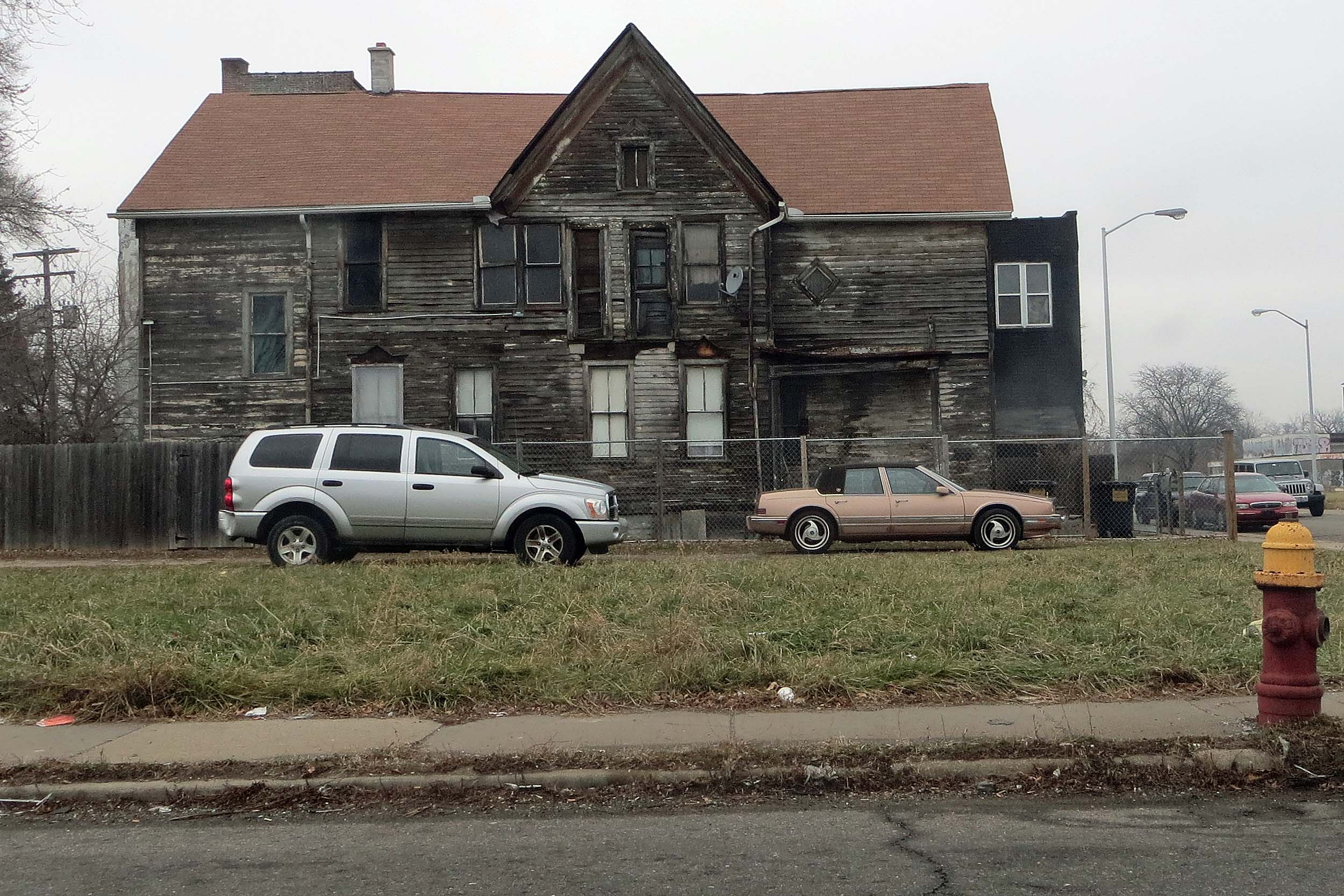
The wounds themselves can still be seen today. It is no exaggeration to say that Detroit is one of the most extraordinary places I have ever visited. As you approach the city from the west, you suddenly notice that some of the houses perched on the bank above the motorway have holes in their roofs. Some of the roofs are actually caving in, or the porches to the front or sides of the houses are leaning at drunken angles, in the process of breaking away from the main structure. At first, you may think that you’re just driving through a neighbourhood that’s being redeveloped and (although some of the houses are huge and were obviously once lovely old clapboard homes) assume some kind of slum clearance is taking place. As this continues for mile after mile, it gradually dawns that this IS Detroit: it’s what the city looks like, or, to use a currently popular expression in a less usual context, this is ‘who Detroit is’.
These houses were abandoned in the aftermath of the race riots and they have been left ever since as they were when their owners fled. Some are still owned by the families who vacated them or by their descendants; the legal owners of others can no longer be traced. Some are occupied by squatters or used as crack dens. In some areas, the buildings are being bought up by developers, but it is a slow process. Detroit was bankrupt for very many years (by a wonderful coincidence, it actually emerged from bankruptcy during the week of my visit) and it is only latterly that the municipal authorities have begun in earnest to reinvent the city. A major part of their strategy is to reduce its vast, sprawling conurbation to a more manageable size, but this is a challenging task: many a street contains half a dozen proudly-owned and beautifully-maintained houses interspersed with two or three derelict ones. They lurk like ghouls at a wedding, their windows blind and broken, their beams and rafters exposed like bones peeking through flesh, their crooked limbs gradually causing them to sink to their knees, each one mocking the beauty of its own lost youth. The residents of the street go about their business almost oblivious of the existence of these stricken dwellings and certainly have no intention of moving out in order to oblige town planners by supporting logical but soulless schemes for making the city more compact.
Yet there is also beauty to be found in the dereliction itself and, even where there is ugliness, rather than beauty, the ruins tell a fascinating tale. One man who recognised this early on was Tyree Guyton, a native of Detroit, who was twelve years old when the riots exploded. He decided to take an area of the city in which most of the buildings were derelict and create a series of art installations, using dwellings and objects recovered from them to tell the story of what happened there. Now called The Heidelberg Project, it has gained international renown, though not without its own struggle: the municipal authorities twice destroyed the installations before they finally understood that Guyton was bringing hope and inspiration and a sense of identity to the broken and impoverished communities worst hit by Detroit’s decline.
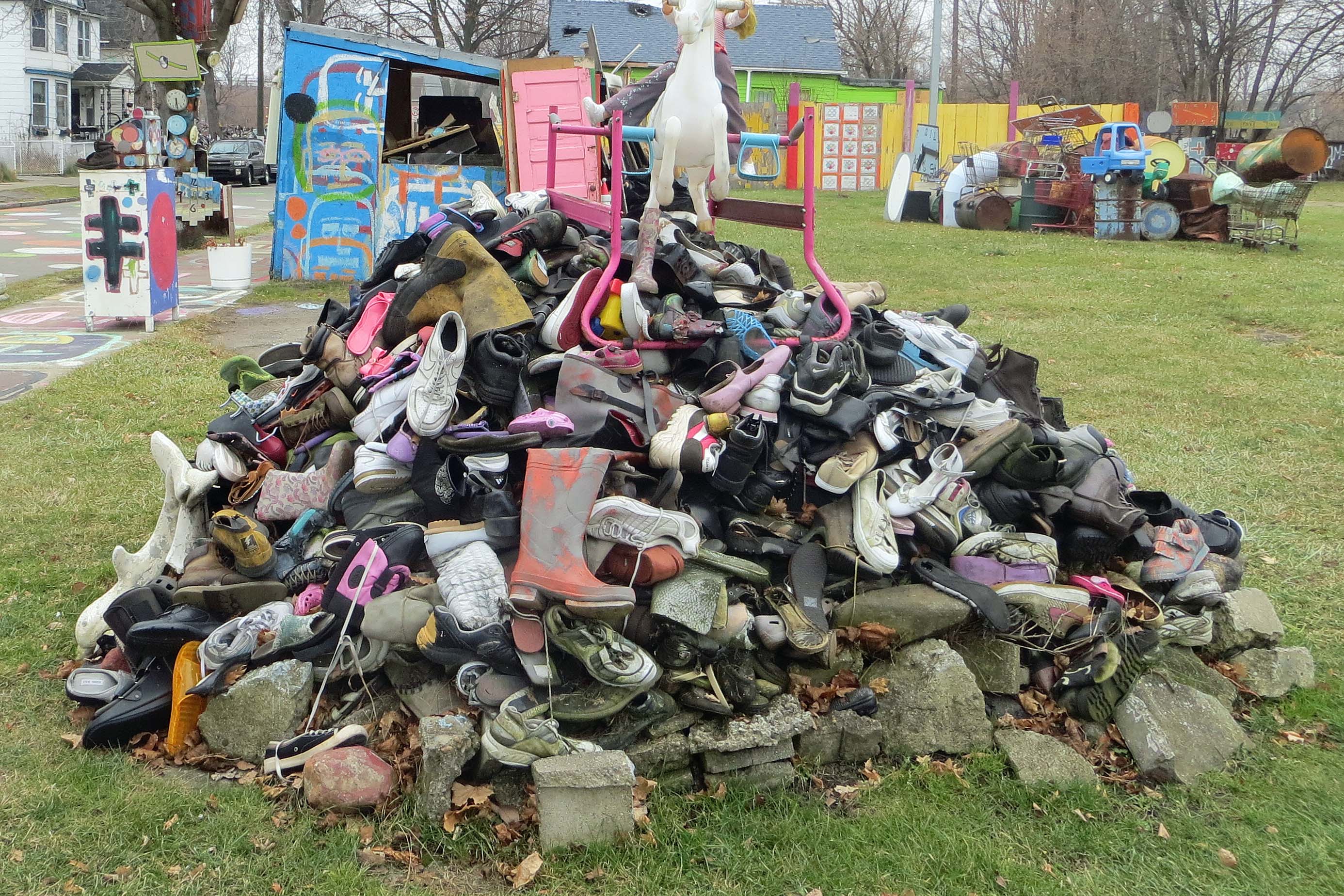
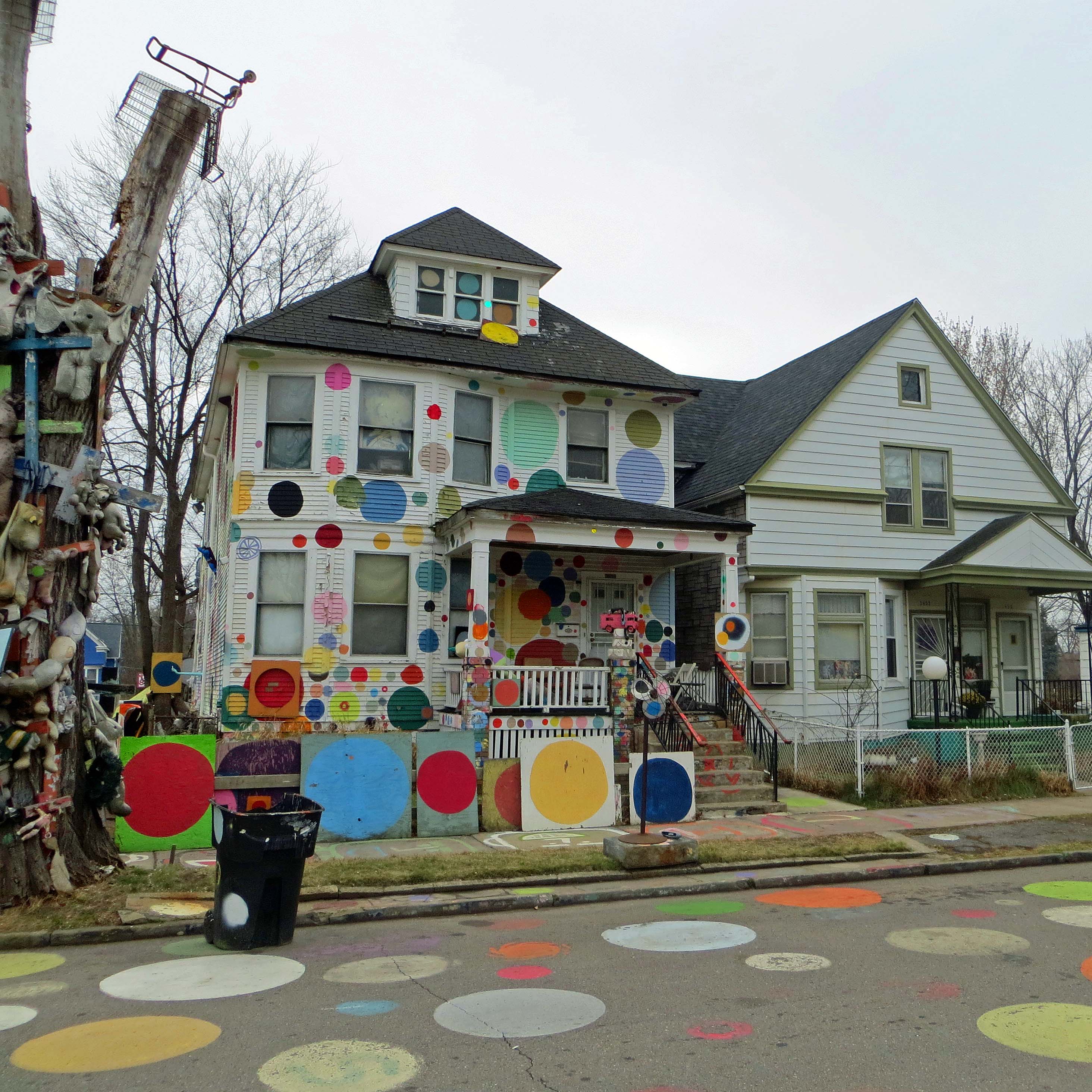
I’ve taken some photographs of the Heidelberg Project, which I’m proud to be able to share with my readers. However, because of the size and scope of the installations, no individual pictures can really do the whole project justice. The Heidelberg Project is a living work of art: it changes continually. I have never seen anything quite like it, though it carries echoes and reverberations of many other kinds of art, and other tragedies captured by art, that I have been privileged to witness. The ways in which some of the buildings are decorated are reminiscent both of Gaudi and Hundertwasser. Some of the murals must have been inspired by Picasso. Most striking of all is the huge pile of shoes of all types and sizes that comprises one of the installations. I mean no disrespect when I say that immediately it reminded me of the glass case of shoes at Auschwitz. In many cases, the fates of the owners of the Detroit shoes will have been grim, though neither as harsh nor as hopeless as those of the Auschwitz victims: The Heidelberg Project is about renewal as well as remembrance. But no item of apparel is as evocative as the shoe: all of these shoes represent the journeyings of mankind; each of them is lost, discarded, stolen or defunct. The journey has gone on, or been cut short, without them.
If you are ever in Detroit, I’d encourage you to visit The Heidelberg Project. I think it will transform, if not your life, then certainly the way in which you think about people, cities and regeneration. Take a peek at it here. Why all the polka dots? Tyree’s grandpa was fond of jellybeans; Tyree thought these looked like people, all similar, but different in colour, and he transposed them into dots celebrating colour, diversity and harmony. Magic!




From Wakefield to Covent Garden, ‘Sausage Hall’ has found great friends!

Launching ‘Sausage Hall’ at Wakefield
This is the final post on my launch week activities for Sausage Hall. I’m covering the last two events: Tea at Sausage Hall, an imaginative tea-party given last Wednesday by Alison Cassels, Lynne Holroyd, Claire Pickering and their colleagues at the Wakefield Library at Wakefield One, which regular readers of this blog will know has provided me with granite-strength support ever since In the Family was published two years ago,

Tea at Sausage Hall (And yes, there was cake!)
and an evening of conversation and readings at the Covent Garden branch of Waterstones, rounding off the celebrations with a London launch on Thursday.
Ever resourceful, Alison and her team provided sausage rolls, cake (Yes, there was cake!) and biscuits for the tea party. (Her e-mail to me when organising the event reads ‘Can you put chocolate cake in the title of your next book?’)

Lynne Holroyd, the liveliest purveyor of refreshments I’ve ever known!
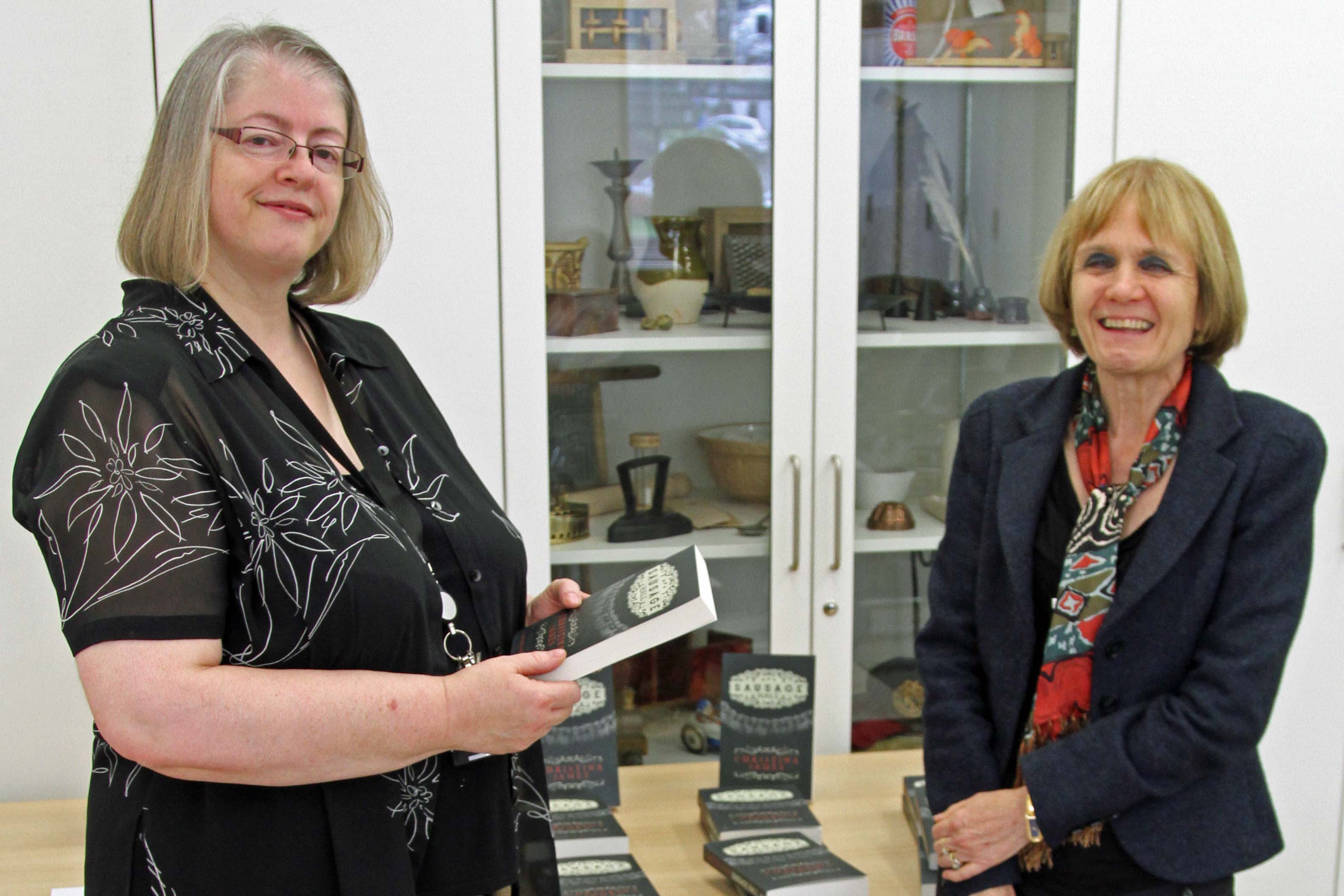
A warm welcome, as always, from Alison Cassels
As always, she promoted the occasion superlatively well and attracted a lively and engaging audience, amongst whom were old friends (such as Marjorie and Pauline – both also fab visitors to my blog) from the library’s book club, as well as many interesting new faces.
There’s obviously a lively and diverse events programme at Wakefield One: under the table bearing the tea-cups was a box containing a plastic skeleton (I was rather disappointed that someone arrived to remove it, as a suitable visual aid never goes amiss), while high on one of the shelves was a stuffed green parrot in a glass case. (My husband dared me to say ‘Norwegian Green? Is it nailed to its perch?’, but, though tempted, I’m afraid I failed to rise to the occasion, having on my mind things other than late parrots gone to meet their maker.)
Wakefield One audiences are truly wonderful.
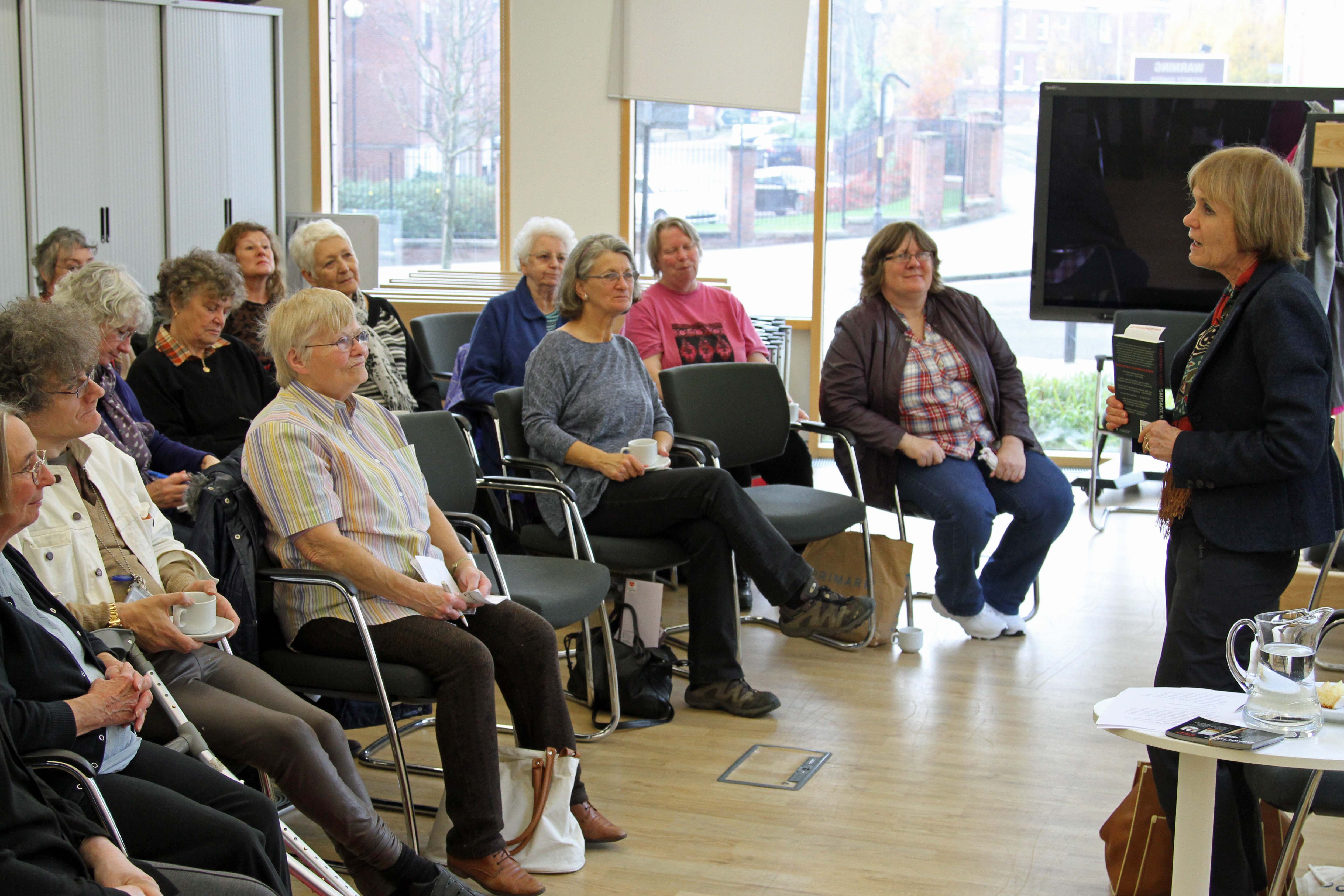

They are united in their love of books and reading, and not afraid to tell it how it is. I’m delighted that they like my novels, because they would certainly tell me if they didn’t – during the course of the afternoon, they told me exactly what they thought of the work of a writer who is much better known than I am! As well as being extremely perspicacious, they’re fun and they like to have fun.

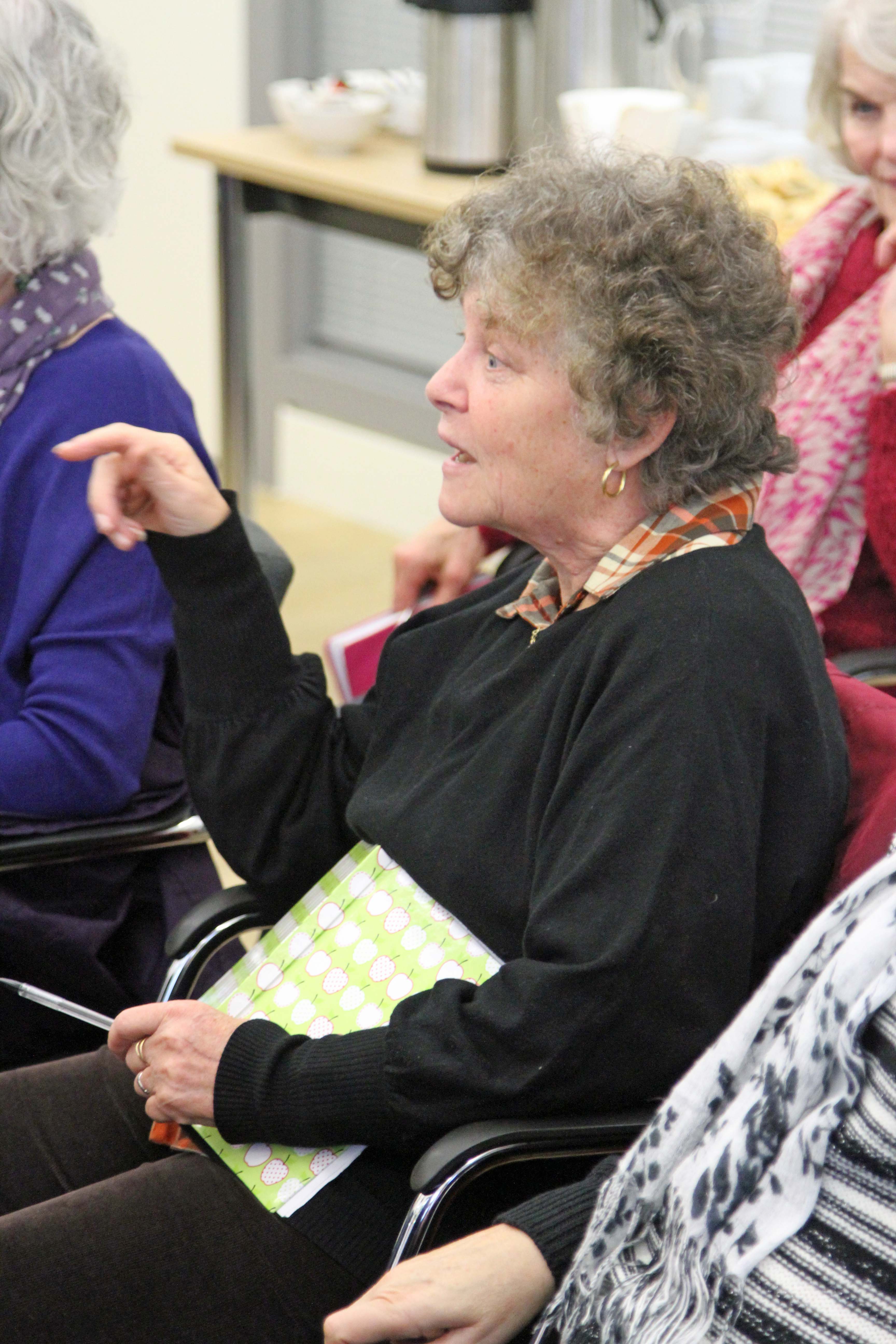
They know what they want and they want more of it: I’ve already promised to return to talk to them about DI Yates numbers 4 and 5. It was my first Wakefield audience that told me how much they enjoyed reading about Juliet Armstrong and that they’d like to see more of her. I hope that they’ll think I’ve done so in Sausage Hall, where Juliet’s story takes a new turn.
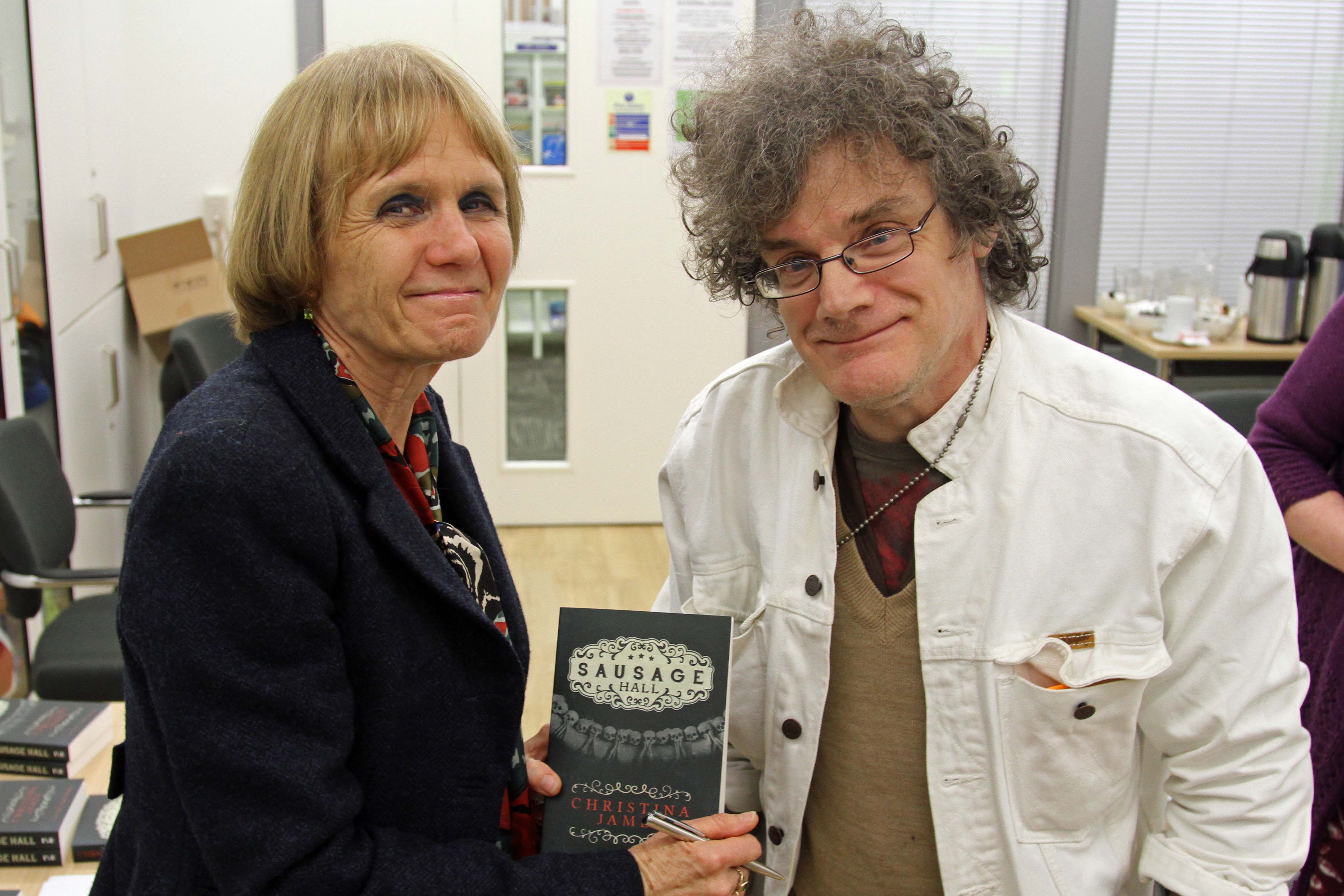
Several of the Wakefield readers had already bought Sausage Hall and came armed with it for me to sign. Others bought it during the tea-party; as at my other Wakefield events, the books were kindly supplied by Rickaro Books in Horbury. A man in the audience asked for an interesting, and very relevant, inscription (see caption): apparently, these are the nicknames of his brother and sister-in-law!
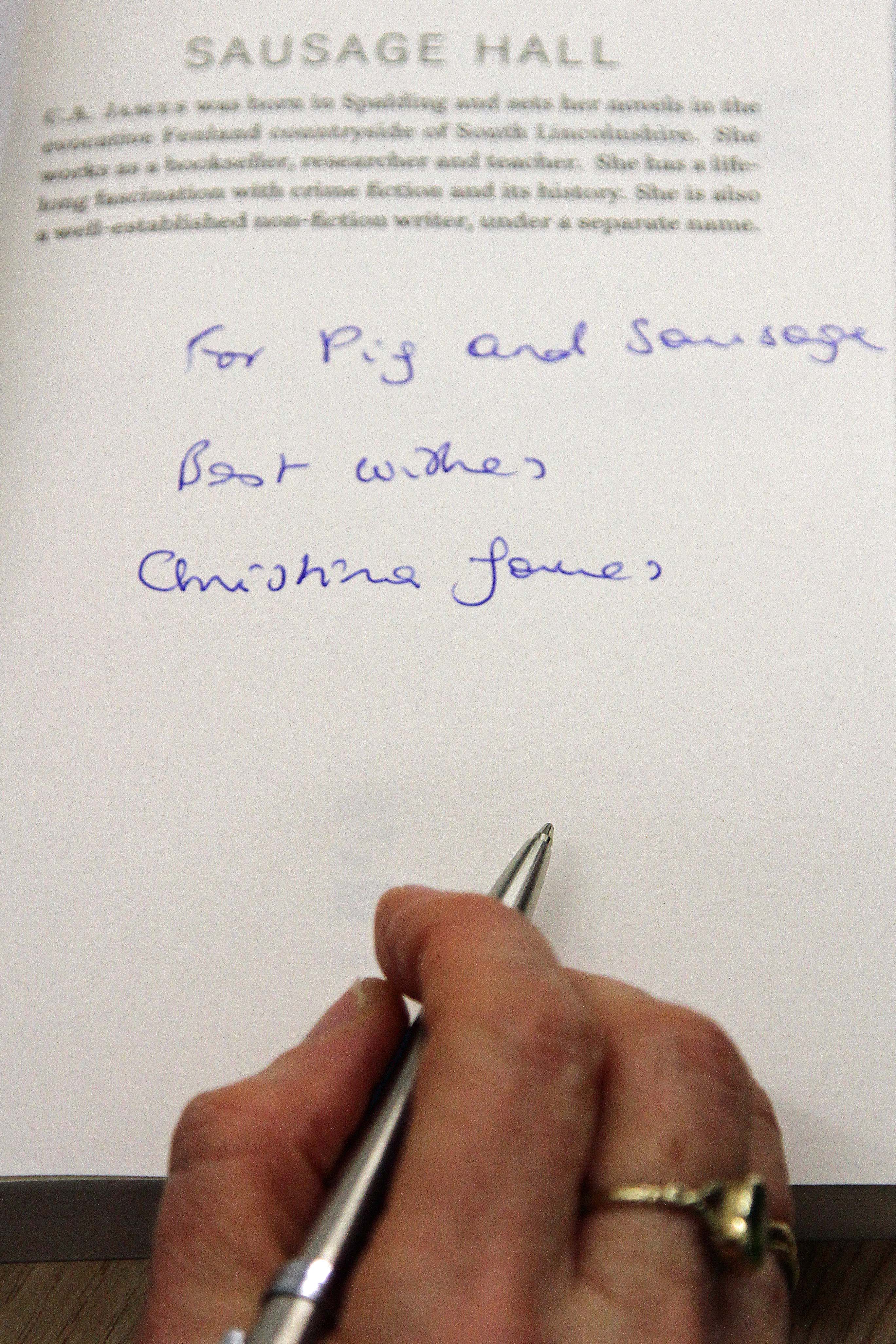
To Pig and Sausage, with love!
The event at Waterstones Covent Garden was masterminded by Jen Shenton, the bookshop’s lovely ‘can-do’ manager.
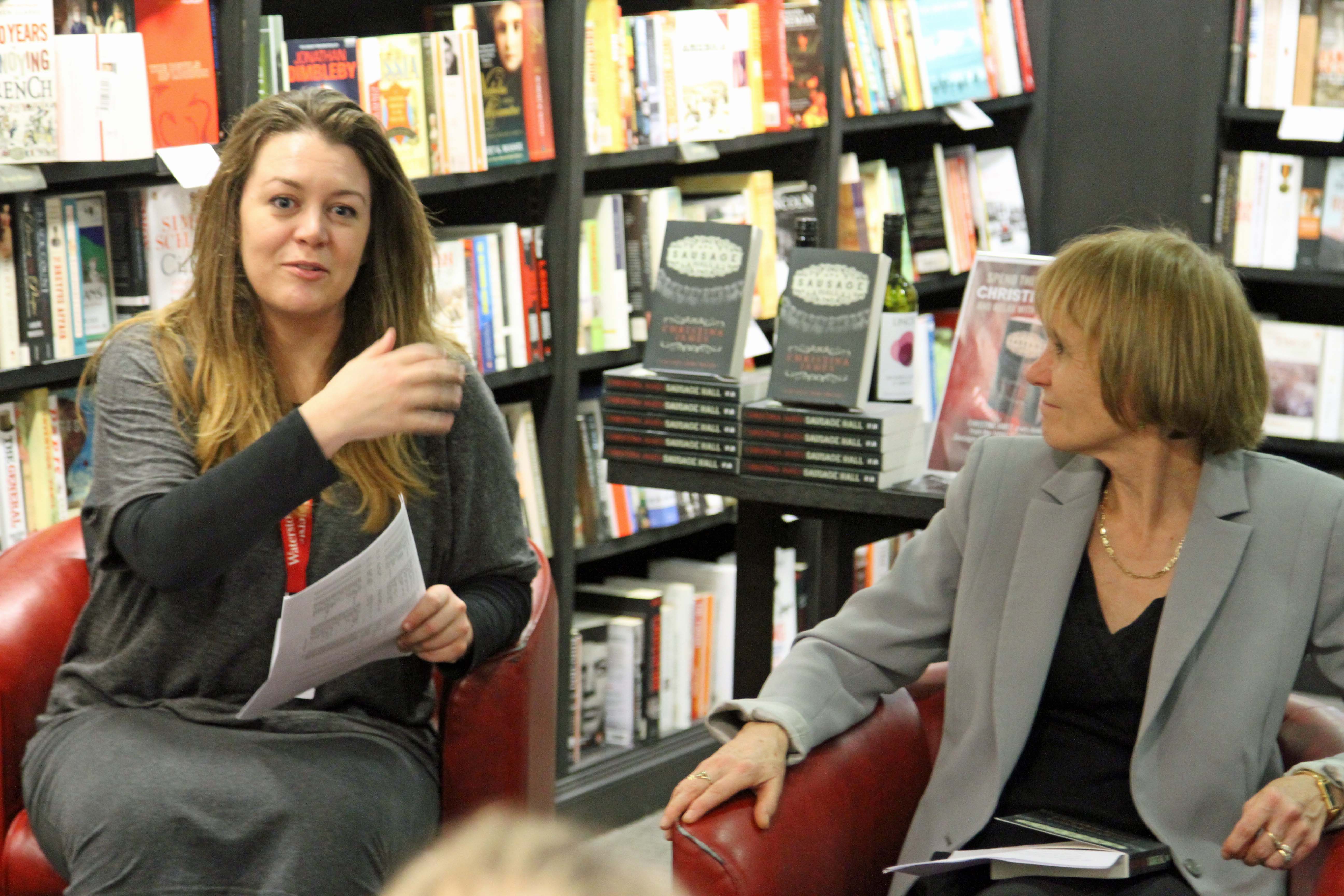
Waterstones Covent Garden Manager Jen Shenton welcomes me to her beautiful bookshop
I hadn’t met her before, but as soon as I saw her I knew what a distinguished bookseller she is. It’s something you can’t fake: I honestly believe that the best booksellers are born, not made, though that’s not to say they don’t work hard all the time in order to stay ahead. I didn’t leave Jen’s shop until almost 9 p.m., and she was still there behind the till, helping customers, smiling and looking as fresh as a daisy, even though she must have been feeling exhausted.
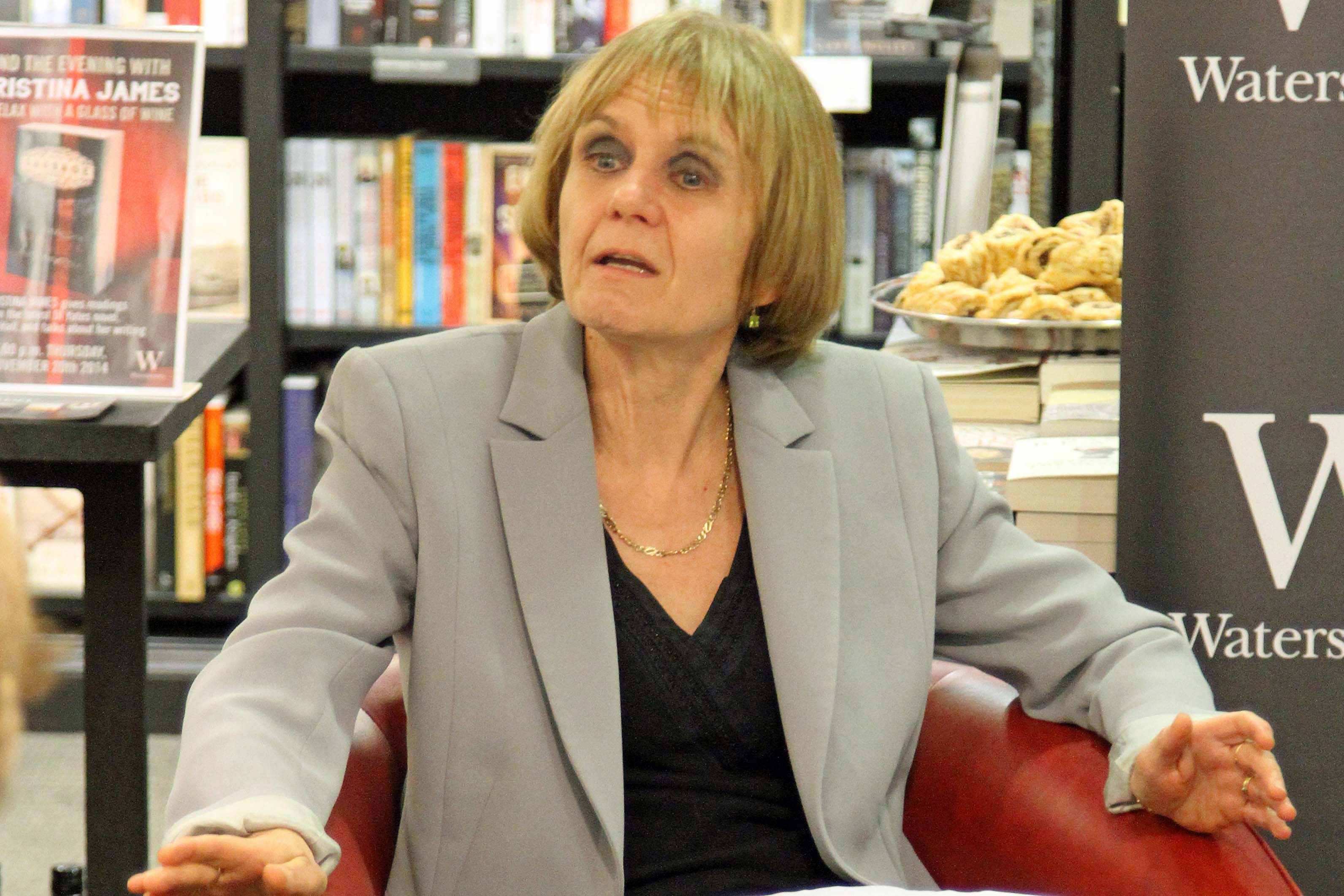
This event also had a wonderful audience.
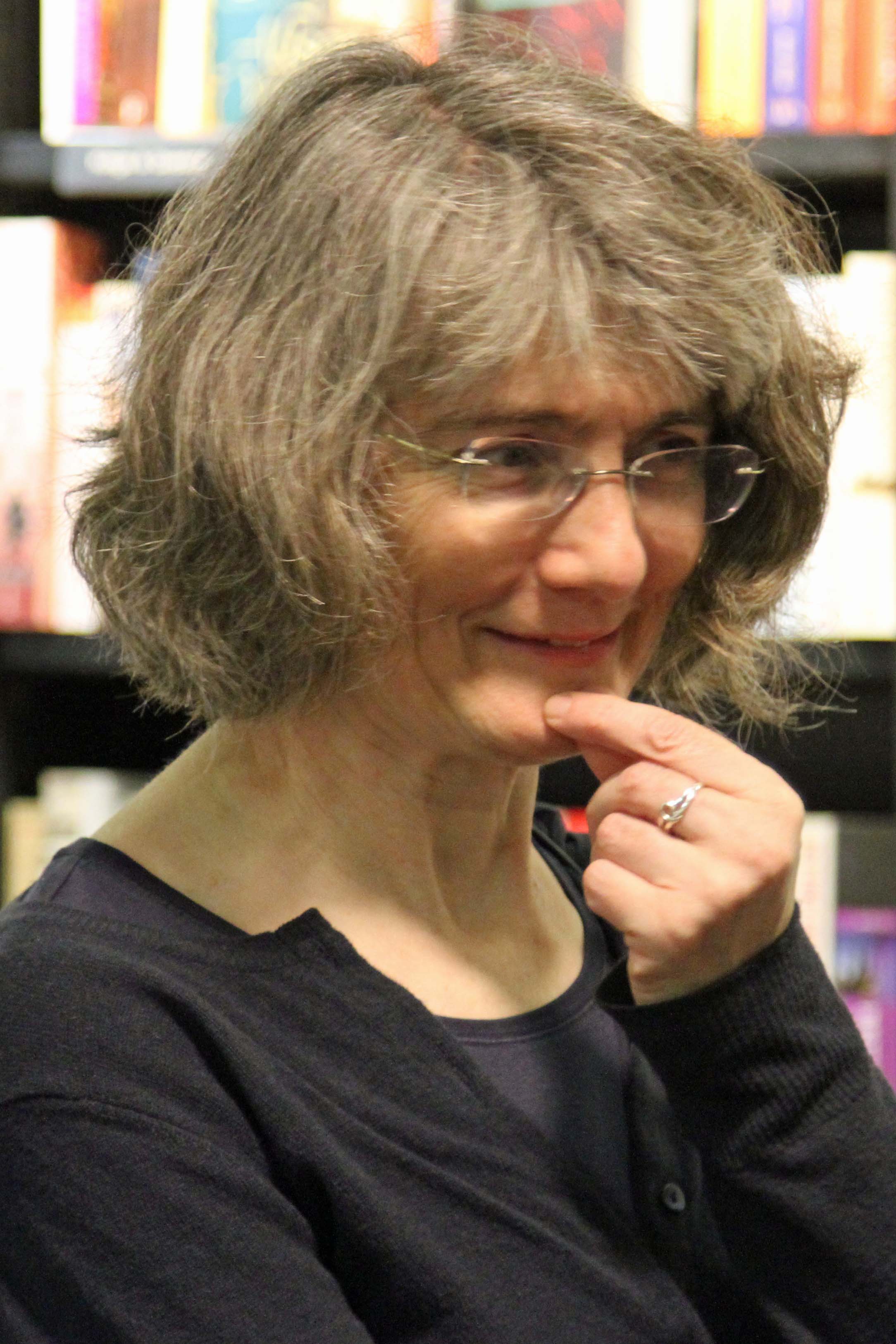


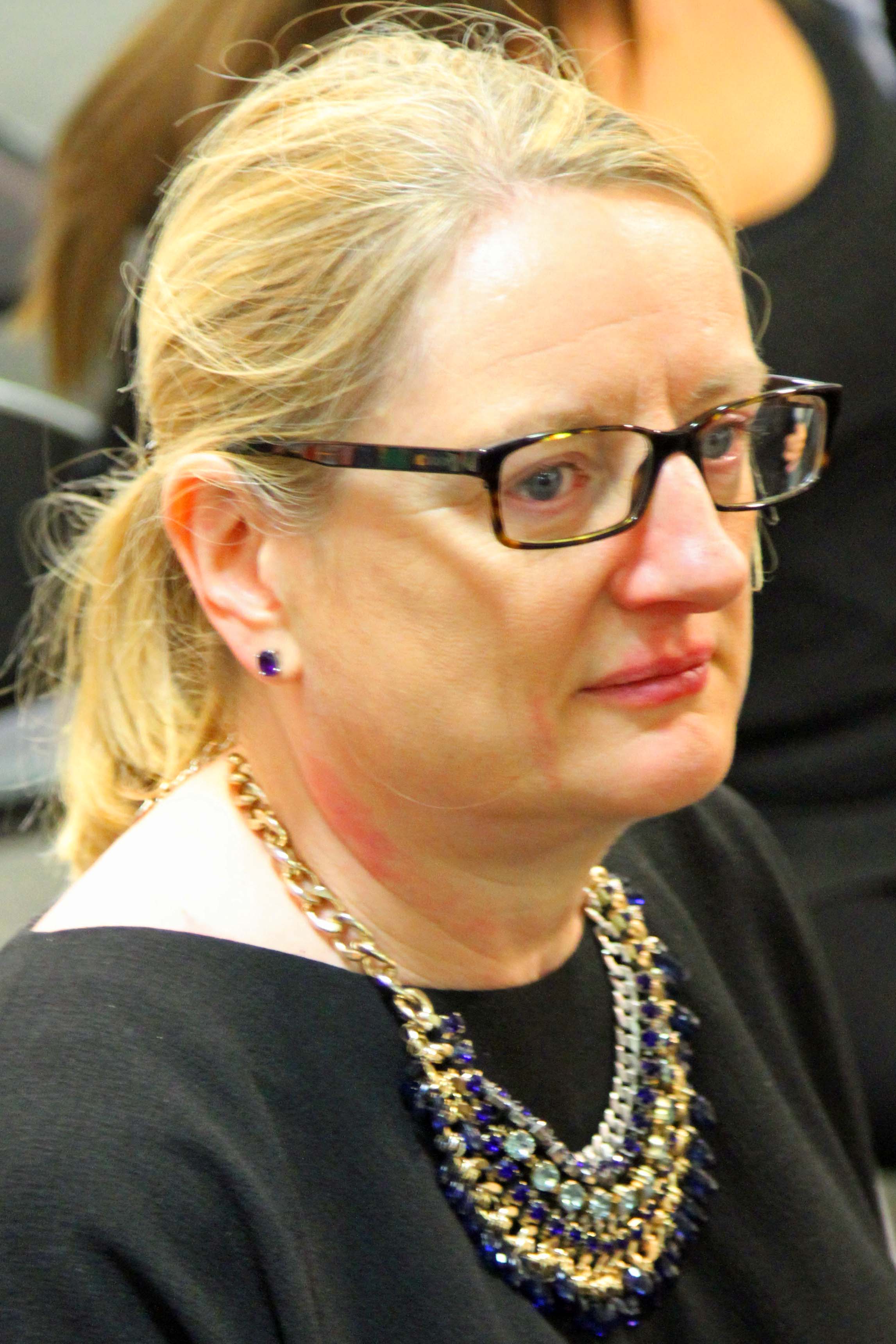

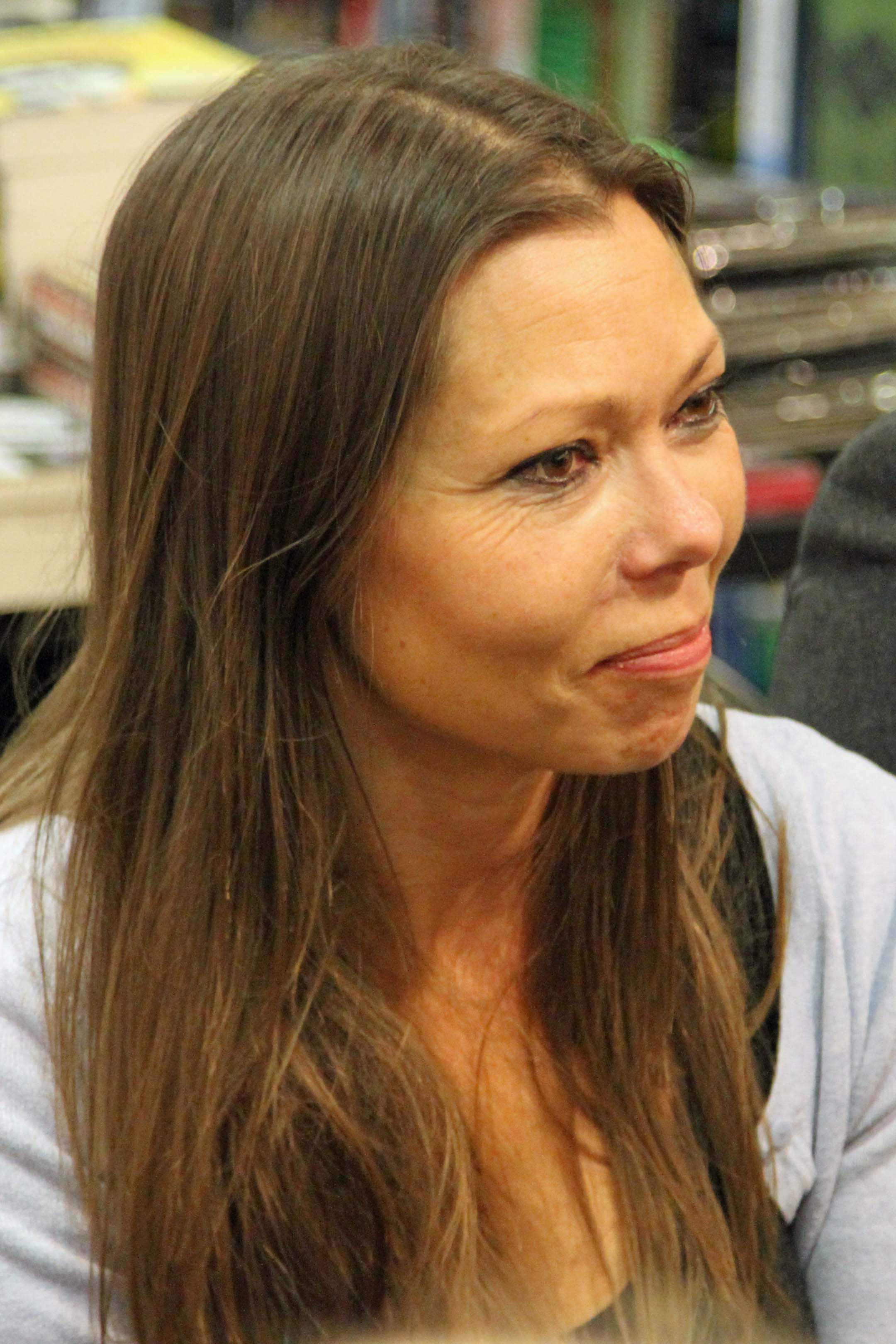


Many of my friends from the book industry came (which meant they bowled me a few googlies when it came to the questions). It was a light-hearted, laughter-filled evening, well lubricated with Waterstones wine and sustained by Adams & Harlow sausage rolls. I was delighted that Tabitha Pelly, who has worked with Salt on PR for Sausage Hall, was able to come. Like Jen Shenton, she seems never to tire or have a negative thought in her head.
I left the shop laden with some book purchases of my own and headed for King’s Cross station to catch the last train. It was the perfect end to an extraordinary week. My only sadness was that Chris and Jen Hamilton-Emery, my publishers at Salt, were unable to come. But I know that they’ve been keen followers of my progress as I’ve sprung Sausage Hall upon the world and I look forward to catching up with them next week. Today is Chris’s birthday: I’d like to take the opportunity to wish him many happy returns!

Grateful thanks, once again, to Adams and Harlow for their wonderful sponsorship of the launch of Sausage Hall.
Two events for Sausage Hall in two amazing bookshops
In this extraordinary Sausage Hall launch week, which I am enjoying so much and for which I am very grateful, I’d like to pay tribute to two amazing bookshops.
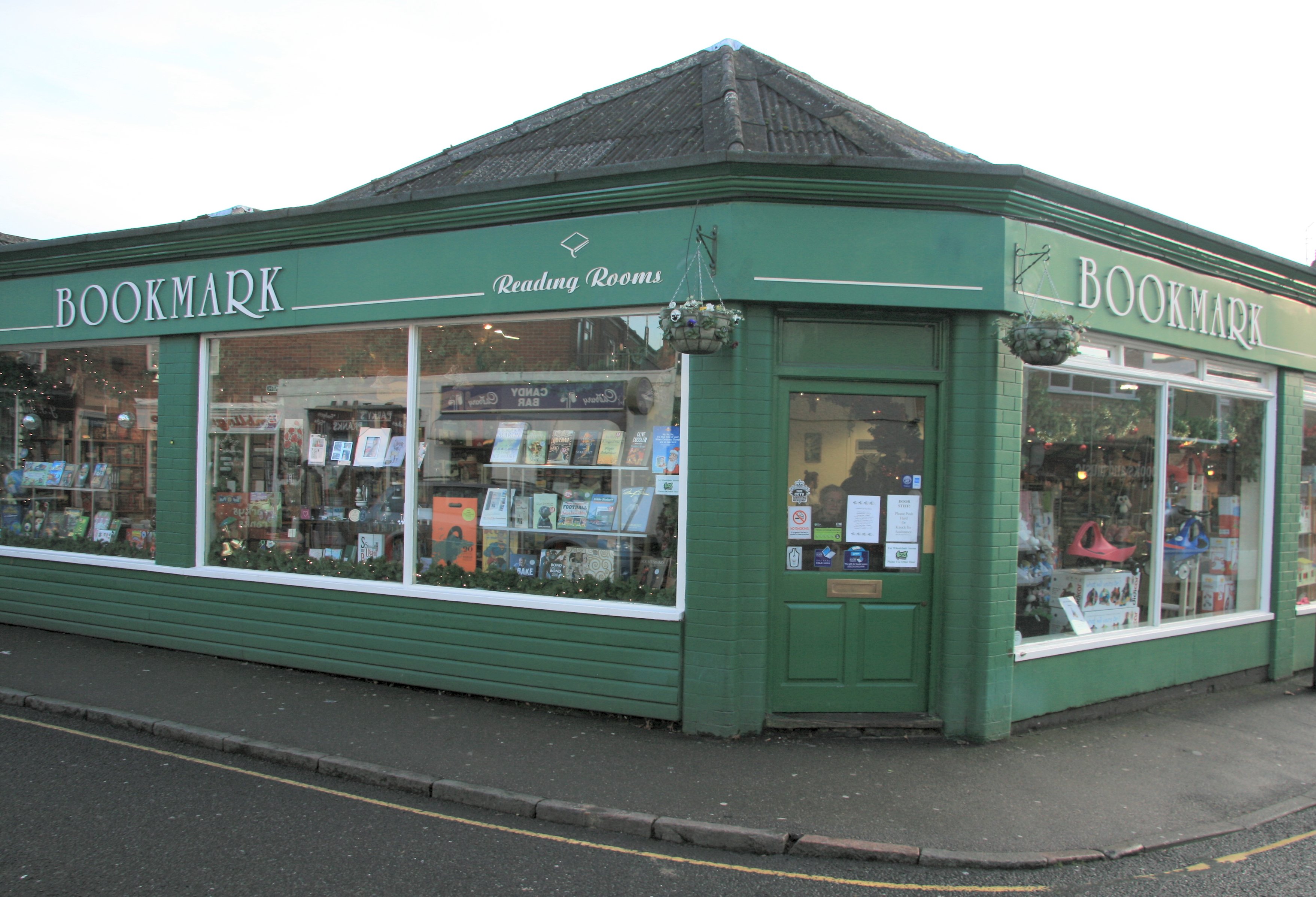
Bookmark, Spalding
The first is Bookmark, Spalding’s very distinguished bookshop (the CEO of the Booksellers Association, Tim Godfray, has even been known to serve behind the till there on occasion). Bookmark very generously offered to host the Sausage Hall publication day party, which took place in the evening of November 17th, after the day that I spent at Spalding High School. The event was masterminded by Christine Hanson, the owner of the shop (who is both practical and imaginative – she fixed both a toilet roll holder and a broken table joint within minutes of my arrival, while the shop itself, resplendent with its Christmas stock and decorations, achieved a standard that I’d have dearly liked to replicate in my bookselling days), and Sam Buckley, also a former pupil of Spalding High School, who organises author sessions at the shop. Equally generously, the launch party was sponsored by Adams and Harlow, the local pork butchers, who supplied sausage rolls for the occasion.

Having fun at Bookmark
This event was attended by members of Bookmark’s lively reading group and some old friends of my own. I was astounded to see Finola, a day-job friend – she had driven for more than an hour from Cambridge in order to support me. I was also staunchly supported by Madelaine, one of my oldest friends, and her husband, Marc, who have both offered me hospitality every time I’ve returned to Spalding as Christina James and also bought many copies of my books as presents for everyone they know who might enjoy them.
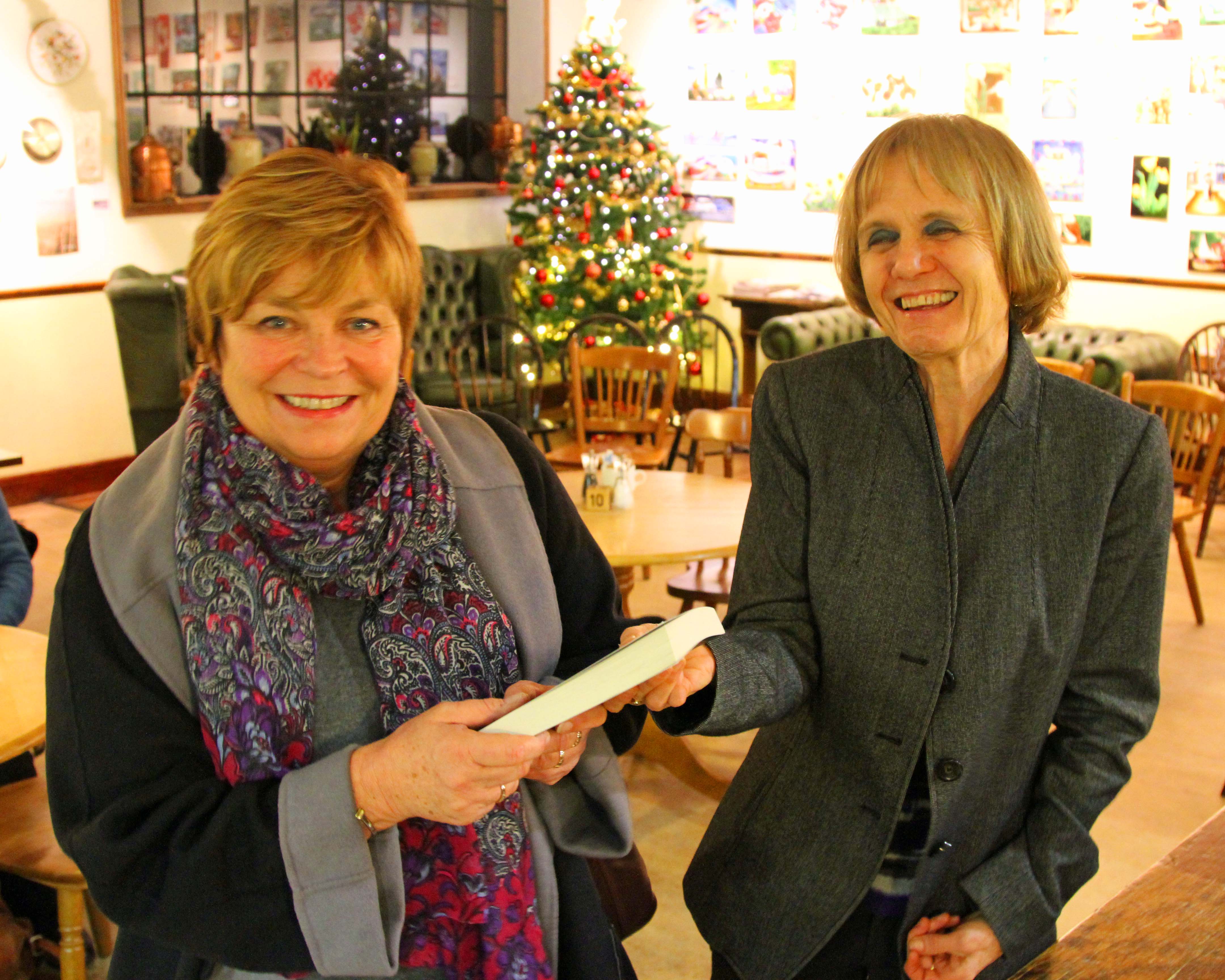
With Madelaine at Bookmark
Madelaine’s contribution to my writing is acknowledged in Sausage Hall. I was also delighted to see Sarah Oliver, whom I first met at the Priory Academy last spring and who came with her husband. The book club members, who lived up to their reputation for being engaged and vivacious, were shrewd and perceptive: as well as listening attentively to two readings from Sausage Hall, they launched into an animated discussion about all three DI Yates novels. Everyone present bought at least one of the books, some more than one. (Sam Buckley later this week let me know that one member of the audience, who had not read any of the novels and took away with her In the Family, returned within forty-eight hours, having read it, to acquire Almost Love and Sausage Hall as well!) And, of course, I couldn’t myself resist making a few purchases in this fairy-tale bookshop.
Having spent the night with my son and daughter-in-law at their house in Cambridgeshire, I arrived in good time on Tuesday November 18th for a signing session at Walkers Bookshop in Stamford. Although I first met Tim Walker, its owner, last year (he’s currently President of the Booksellers Association), I had not visited one of his bookshops before, The one in Stamford is in a listed building in the town centre; he also owns another in Oakham. I was particularly impressed by the huge range of stock in this shop, both the cards and gifts downstairs and the extensive range of books upstairs. Tim and the manager, Jenny Pugh, were respectively at the other shop and taking holiday, but everything had been set up for me and Mandy, the assistant manager on the book floor, couldn’t have made me more welcome.
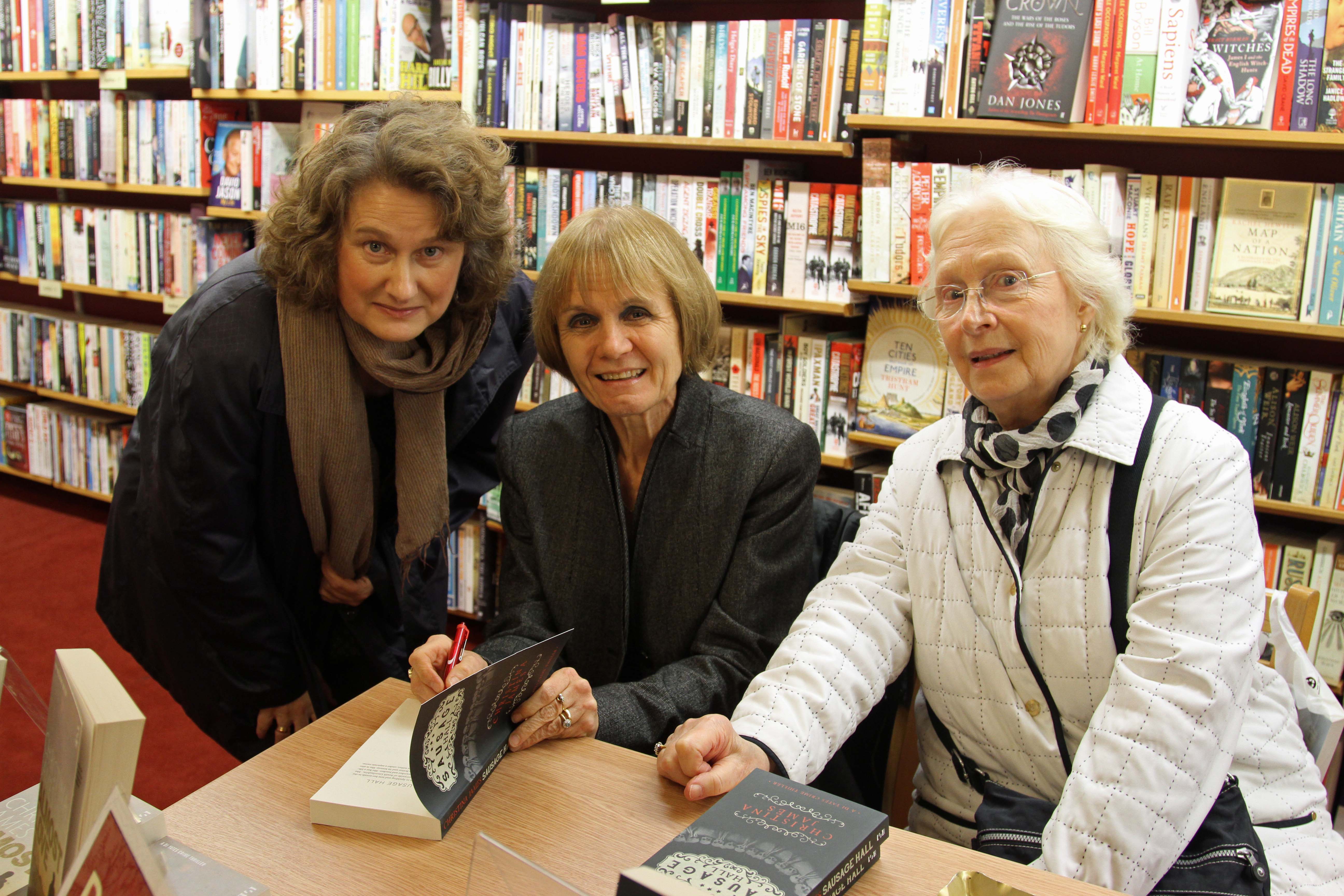
Signing Sausage Hall for Elaine and Sheila at Walkers, Stamford
Bookmark and Walkers are two fine examples of thriving independent bookshops, packed with atmosphere and individual charm and led by brilliantly creative people who understand how to serve their communities very well indeed. It was a privilege and a pleasure for me to have been able to enjoy what they had to offer and I’d very much like to thank Christine and Tim for hosting Sausage Hall events this week.

Walkers, Stamford
One writer looking back… lots of writers looking forwards!
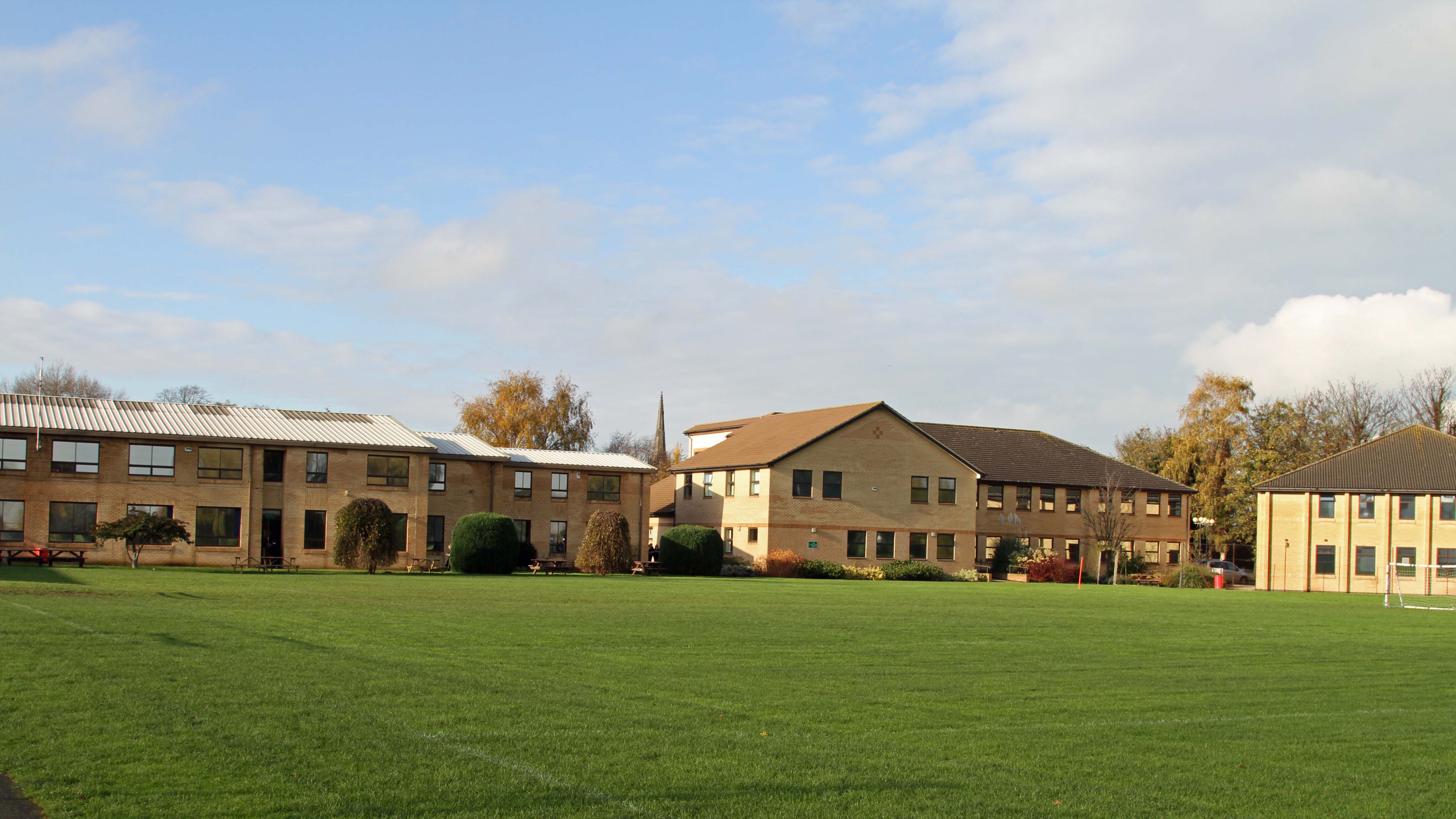
Spalding High School
At first light yesterday, I travelled to Spalding High School, my own former school, to which I had returned only once previously since leaving the sixth form. I received a wonderful welcome from Adrian Isted, the newly-appointed Head of English, who began the day’s activities by showing me round the school.

With Adrian Isted, Head of English
First stop was the office of the headteacher, Mrs. Michele Anderson, who is also fairly new to the school. She was fascinated to hear a little more from me about Mrs. Jeanne Driver, the first married headteacher at the school, who was its leader throughout my school career. Born Jeanne Ouseley, she lived at 10, High Street, a large house of several storeys situated near the River Welland in Spalding. Part of this house was divided into flats and there were usually several other teachers living there, as well as two of my fellow sixth formers, Cheryl Ouseley and Elizabeth Davies, both of whom were her nieces. They called her ‘Auntie Jeanne’, a name that the rest of the sixth form also used affectionately, if unofficially. Mrs. Driver was one of several strong women who influenced me as a girl. She had a strong sense of duty and an even stronger work ethic. We found some of the things she said highly amusing (for example, ‘I stand up whenever I hear the national anthem, even if I’m in the bath.’). Sometimes she took the notion of duty to an extreme. I remember she told us that when her husband, who had been in ill health for some time, finally died, she finished marking a set of books before setting in train the preparations for his funeral. But her influence has lasted all my life.
The school has been added to, but otherwise is little changed. I suppose the thing that struck me most yesterday is how it seems to have shrunk. The corridors seemed longer, the stairways steeper, the ceilings higher when I first attended it as an eleven-year-old, then for only a part of the school week – pupils belonging to the first two school years still spent most of their time at the old school building in London Road, the first home of Spalding High School when it was established in 1920 on the site of its predecessor, the privately-owned ‘Welland Academy for Young Ladies’. (The present school building was completed in 1959, but the London Road property continued to be used by younger pupils for more than twenty years afterwards.) The assembly hall still boasts its luxurious but absurdly impractical parquet floor.

In my day it doubled up as a gym (there is now a separate sports hall) and we were obliged to do PE barefoot, which we all hated, so that the floor wouldn’t become scuffed by gym shoes. The same grand piano stands in the corner, to the left of the stage. In the corridor outside the headteacher’s office are several group photographs taken of all the teachers and pupils at intervals during the school’s history. After some searching, I was able to discover myself on one of these – and I could also name all the other girls in my form and most of the teachers.

Guess which is the young Christina James!
After the tour, I was interviewed by Eleanor Toal and Holly Hetherington for High Quarterly, the school’s completely online magazine (which is streets ahead of the drab, dark-red-covered printed production of my youth). Eleanor, the e-zine’s editor, also writes articles for the Spalding Guardian, carrying on the long-standing relationship between the school and the local newspaper. Eleanor and Holly (who edits Gardening and Food in the mag) knew they were going to be asked to interview me only very shortly before we met, because the intended interviewer was ill, but I wouldn’t have known if they hadn’t told me. I was much struck by the sensitivity and perspicacity of their questions and enjoyed answering them.

Holly, left, and Eleanor interview me for High Quarterly
After lunch, I talked to sixth form English students about how to get published. Jean Hodge, who reports on cultural affairs for the Spalding Guardian, also attended and joined in. It was quite an exciting occasion, because it also took the first steps towards setting up a short-story competition that the Great British Bookshop has agreed to sponsor at the High School. Adrian and his colleagues and I will choose the best ten or twelve stories submitted to be published in a single volume at The Great British Bookshop’s expense. Winners will each receive a free copy of the book, which will then go on sale in TGBB’s extensive distribution network. I’ll be writing more about the competition in this blog very shortly.
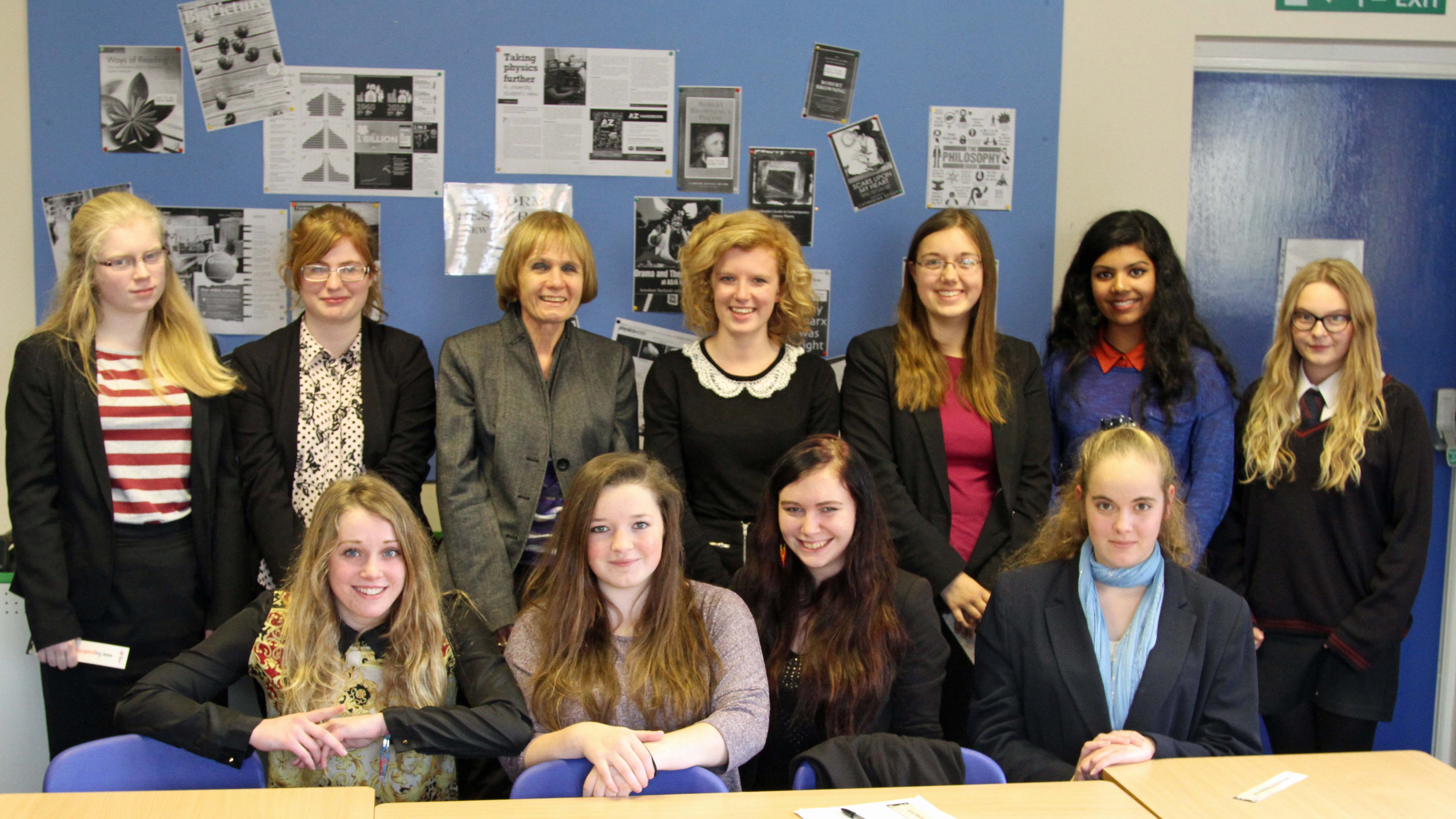
Sixth Form writers
I completed my day at the school with a writers’ workshop for Years 7, 8 and 9 students. The participants explored some of the key elements of crime fiction (they proved to be very well read) and collaborated to put some of those into practice. Their discussion illustrated their excellent grasp of linguistic and literary effects and the results were amazing! Nearly all of these students bought one of my books at the end of the session; some bought all three. Thank you!

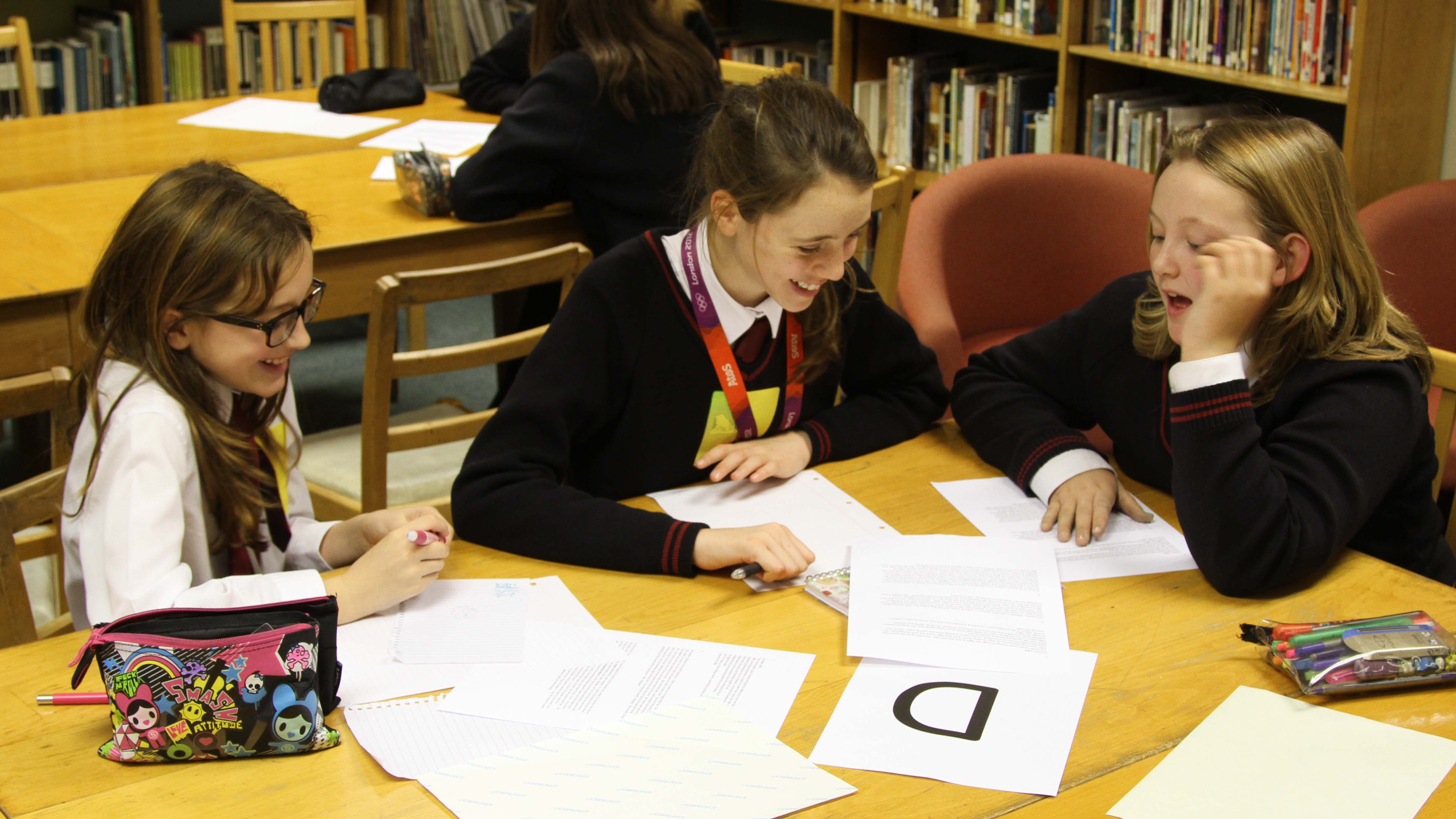


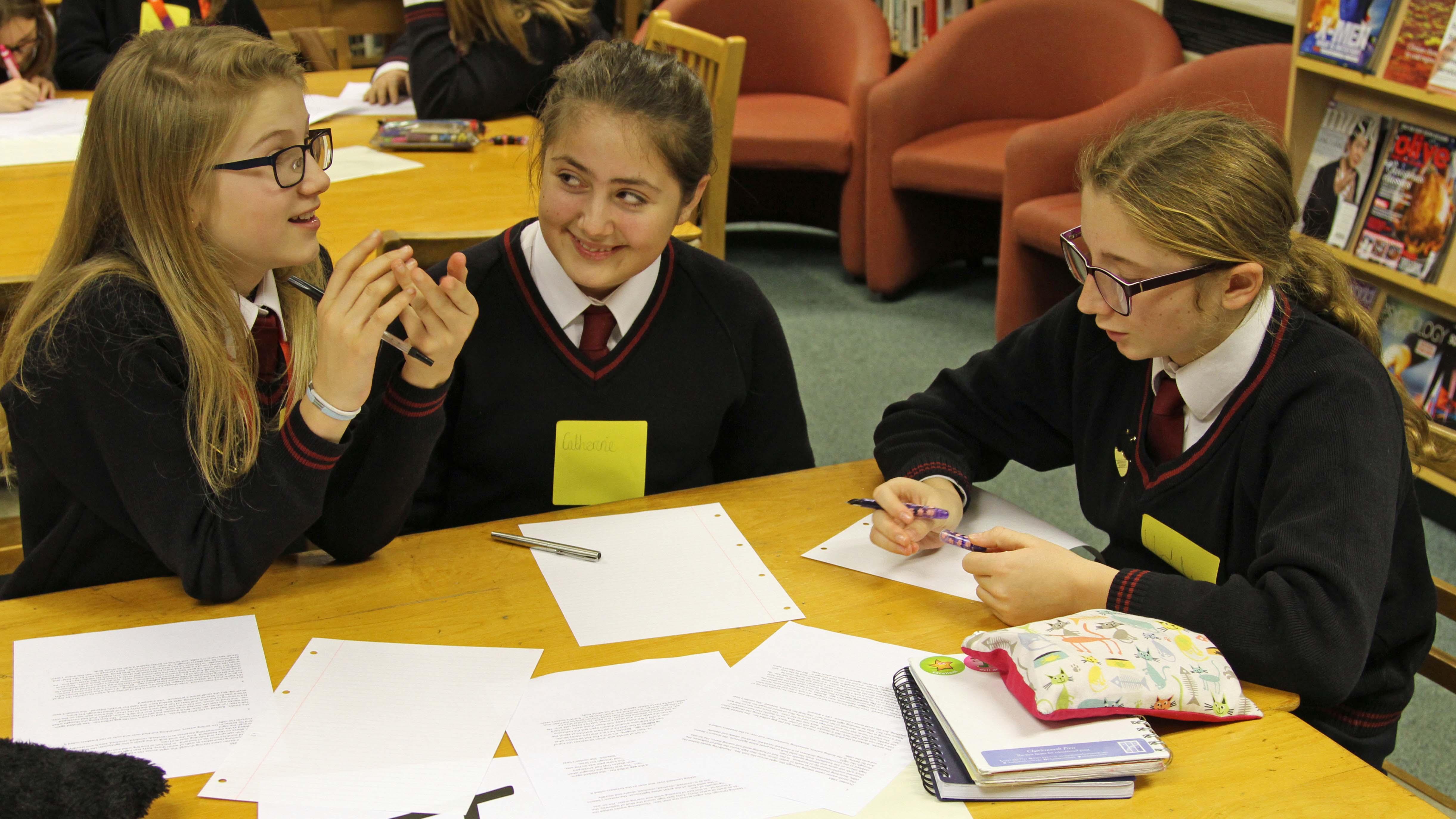
I can’t conclude this post without saying that a remarkable library now exists at Spalding High School. The library is housed in the same room that I knew, but what a difference in the stock! The emphasis is on supplying students with books to read for pleasure. It’s a place of relaxation and also a place where students can go to work in groups. There’s none of the shushing and grim looks that any talking in the library produced when I was a schoolgirl and all the dusty old Latin grammars and ancient editions of Gray’s Anatomy have been disappeared. Hats off in particular to Kirsty Lees, the School Librarian and Learning Resources Manager, and to her team. The school knows how lucky it is to have them and to be able to enjoy the warm and inviting place (complete with crime scene rug featuring a splayed body) that they have turned it into.
It’s almost impossible for me to thank all the people who made this day so special. I’m deeply grateful to Michele Anderson for making it possible; to Adrian Isted and Kirsty, for making it happen; to Eleanor and Holly, for giving me such a delightful interview; to Jean Hodge, for all her support for Sausage Hall both at this event and elsewhere and, especially, to all the students whom I met yesterday, who were such a joy to work with and who were so keen to develop their own writing. Thank you all!
Adams and Harlow: Kind sponsors of ‘Sausage Hall’

As you will know from my previous post, the launch of ‘Sausage Hall’ is being sponsored by a Spalding company I grew up with. In fact, I went to Spalding High School with one of the daughters of the family! I certainly remember that their products graced the tables not only of my own household, but those of all of my friends and relatives as well. The Lincolnshire family firm of butchers, George Adams, based in Spalding, has been associated with great sausages, meat and fantastic handmade pork pies for nearly a hundred years. But now, Mary and Lizzi, the great-grand-daughters of the founder of the first shop, are launching a new brand: Adams & Harlow, which will undoubtedly be noted for the same extraordinary pork pies and sausages.
Mary and Lizzi’s pork pie heritage consists not just of George, but of their other great-grandfather too – Dick Harlow, whose family set up a butcher’s shop in Boston, Lincolnshire in 1895! So, whilst Adams & Harlow is a new venture, its two founders have extraordinary expertise and an amazing heritage with great provenance and tradition.
As was the way a hundred years ago, each Adams & Harlow pork pie is individual and made with only the finest ingredients, including 100% British meat. As each hand-raised pie takes two days to make, with sixteen different stages to complete before it even enters the oven, every one is the product of extraordinary skill passed down through the generations! Adams & Harlow pork pies taste every bit as delicious as those made by George and Dick all those years ago.
Based in the original George Adams butcher’s shop in Spalding, Adams and Harlow still make the ever-popular Lincolnshire Sausage recipe, using top-quality British pork and secret seasoning blend.
Adams and Harlow products are available at a number of regional and nationwide independent shops, details of which appear on their website; they can be ordered online from British Fine Foods and Ocado as well as bought directly from the original George Adams butcher’s shop in Spalding.
I’m delighted and honoured to have been sponsored by Mary and Lizzi, who will be providing their wonderful fare at Monday’s November 17th ‘Sausage Hall’ launch at Bookmark, Spalding, and at the London launch at Waterstones, Covent Garden, on Thursday November 20th. A fitting accompaniment to a story based in a Lincolnshire house built by a butcher!
Strong links in the chain to ‘Sausage Hall’, to be published Nov. 17th 2014

I am extremely grateful to you, the readers of this blog, both those of you whom I’ve met in person and those from countries around the world whom I’ve met ‘virtually’, for the huge welcome that you have given Sausage Hall. Thank you very much indeed.
As many of you know, Sausage Hall will be published next Monday, November 17th. My wonderful publishers, Chris and Jen Hamilton-Emery at Salt Publishing,
 their equally stellar PR consultant, Tabitha Pelly, Faber (which now represents Salt titles) and my bookselling and librarian friends have combined to make happen a series of celebration events.
The first of these is today, Thursday November 13th, when Nicola Gilroy will be interviewing me live on Radio Lincolnshire at 14.05. I hope that you will be able to listen; if not, I think the interview will be on iPlayer for twenty-four hours after broadcast.
Monday November 17th is a very special day indeed. I’m spending much of it at Spalding High School,

where I was once a student (Facebook doesn’t know this, having inexplicably assigned me to Wycliffe Senior School and Sixth Form College! I don’t intend to disabuse it!). I’m giving a young writers’ workshop and talking about how I came to write Sausage Hall, but first of all I’m being taken on a tour of the school by Adrian Isted, the present Head of English. I’m really looking forward to this, and especially to meeting the students.
Also on November 17th, in the evening, Bookmark, Spalding’s very distinguished bookshop,
is hosting the official launch event. This will begin at 19.00. I’m delighted to be able to announce that it is being sponsored by Adams and Harlow, the pork butchers, who will supply sausage-themed canapés. Wine will also be served. As well as signing copies of Sausage Hall, I’ll be giving some readings and talking about all the DI Yates novels. I’d like to offer my thanks in advance to Christine Hanson and Sam Buckley, who have supported all the novels as they’ve been published. In conjunction with Spalding Guardian, they’ve also arranged a DI Yates competition, the prizes for which will be four sets of the DI Yates titles.
On November 18th, I’m travelling to Walkers Books in Stamford,

where I’ll be signing copies of Sausage Hall and talking about it informally between 11.00 and 13.00. I’d like to thank Tim Walker and Jenny Pugh for all their support. More about this may be found here.
Wednesday November 19th finds me back at wonderful Wakefield One, where Alison Cassels has organised Tea at Sausage Hall, an informal talk-and-signing session, with refreshments, that will start at 14.30. Regular readers will know that Wakefield One has been a particularly magnificent supporter of mine. Books will be supplied by Richard Knowles of Rickaro Books, another staunch supporter.
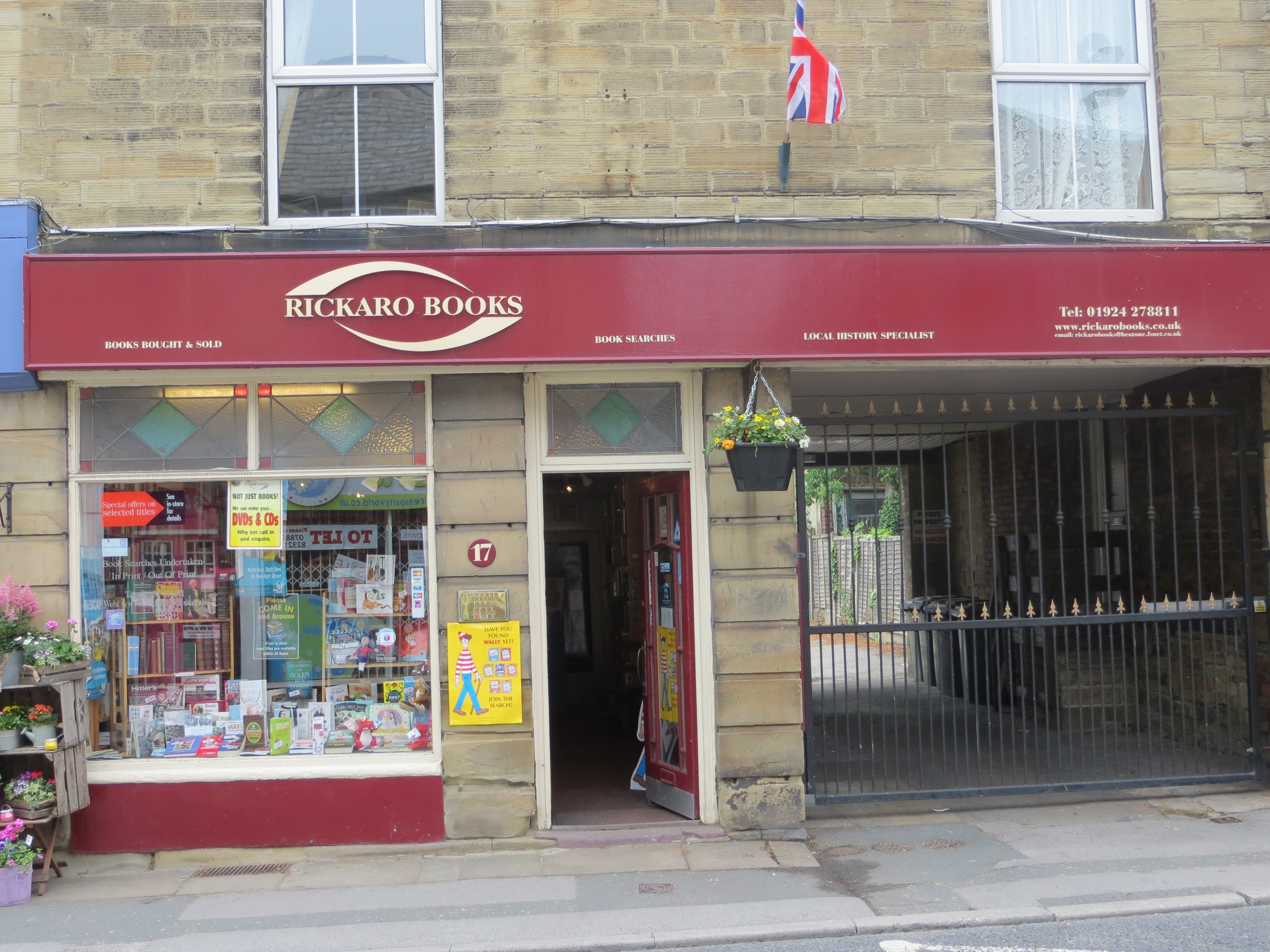
Rickaro Books, Horbury
There is more about Tea at Sausage Hall here. If you live in the Wakefield area or are visiting, it would be great to see you at this event.
On Thursday November 20th the Waterstones bookshop in Covent Garden is giving a London launch event. As Adams and Harlow are sponsoring this, too, there will be sausages as well as wine! This reading and signing session will begin at 19.00 and continue until the shop closes. It has already attracted a large audience, so it should be quite a party! The store’s brilliant manager, Jen Shenton, and I would be delighted to see you there. More information can be found here.
And Friday 21st November? At present, nothing is planned, so this will be a rest day… but I’m open to offers!
Hallowe’en? Not in my memory of the Spalding of the 1950s…

The prospect of tonight’s steady stream of youthful ‘trick or treaters’ (for readers around the globe, children in the UK visit houses at Hallowe’en to offer a choice: a trick played upon the household or a treat given by the household to the visitors to ward off any tricks) has stirred in me memories of the Bonfire Nights (or Guy Fawkes Nights) of my childhood.
I’m talking about a time when we didn’t ‘do’ Hallowe’en – at least, not in South Lincolnshire. Although I think it’s mainly an import from the USA (I anticipate contradiction!) , some parts of the UK did celebrate Hallowe’en, even then: when I went to university, my flat-mate, who came from Lancashire, told me how her two brothers at Hallowe’en, which they called ‘Mischief Night’, had removed the gates from their school and put them on the roof. But in Spalding, where I grew up, there was only Bonfire Night, celebrated on November 5th, the anniversary of the date on which Guy Fawkes tried to blow up the Houses of Parliament. In retrospect, I realise that our Bonfire Nights incorporated some elements of Hallowe’en as well.
Bonfire Night was among my favourite events on the calendar. My brother and I started preparations weeks in advance, at first by collecting materials for as big a bonfire as our father would let us build at the bottom of our (quite large) garden. Then we’d beg old clothes from relatives to make a guy. He was constructed out of a shirt or jacket tacked on to a pair of trousers and stuffed with newspaper. The sleeves and legs of the trousers were fastened with string. His face would be made from a carved and hollowed-out mangold wurzel (field beet) containing a candle, if we were ambitious, or, more often than not, just covered with a cardboard mask bought from Woolworths. Each year there was a Woolworths counter overflowing with these masks, which featured the faces of ghosts, witches, pirates and skeletons; I think this was where the Hallowe’en element came in. The guy also wore a hat, if we could get one: good hats were in short supply. Guys were usually completed at least a week before Bonfire Night, so they could be showed off. We were allowed to sit ours outside the gate of our house with a tin bearing a ‘Penny for the Guy’ sign, but my mother wouldn’t let us push him around the streets begging for pennies, as some children did. She thought it was ‘common’!
The suspense leading up to Bonfire Night was huge. Teachers joined in the fun: I vividly remember making bonfires, guys and fireworks out of plasticine in a primary school art class. And we must have heard the story of the original Guy Fawkes – some of whose accomplices had had strong links with East Anglia – every single year. Along with 1066, it was certainly the episode in British history with which I was best acquainted.

At the end of school, we rushed home to dress up. Girls wore garish make-up and boys’ fathers often blacked their sons’ faces with pieces of cork held in the ashes of the fire or drew moustaches on them (some pictures of Guy Fawkes showed him with a twirling, Salvador Dali-type moustache). We wore whatever we could get together as fancy dress: it was before the era of the purpose-made (money-spinning) clothes that children’s parents buy for Hallowe’en and Bonfire Night now. Parents sometimes helped, and the outfits could be ingenious: I remember one child dressed as a skeleton – his mother had made an outfit out of black cartridge paper with the bones drawn on in white chalk. Girls often became witches for the night – we were taught at school how to make black pointed hats, also from cartridge paper. Whatever the outfit, we all had one of the cardboard masks from Woolworths (which were made out of the type of card now used for egg-boxes). We’d turn up at neighbours’ houses heavily disguised with our masks pulled down, then whip them up to reveal the made-up face beneath. The idea was that no-one could recognise us, with or without the mask.
We were permitted to take the guy with us on Bonfire Night itself. Ours was transported in the old family push-chair, an ancient conveyance made from khaki canvas and which had solid wheels. Although I suppose it’s unlikely that there were services-issue push-chairs, it looked as if it might have been army surplus, sold by the Army and Navy stores. I don’t think anyone in the family could remember where it originally came from. It was wide and cumbersome and difficult to take up and down the houses in the street without running off the paths and into people’s flower borders. Some children carried mangold wurzels or hollowed-out sugar beets with candles in them.
It was dark when we went Guy Fawkesing, but we were allowed to go round the houses on our own, though always in groups of at least three (my brother and I joined the two girls who lived next door). The boundaries were our street and the next one. The streets were thronged with children: it was the height of the baby boom and two or three children lived at almost every house. I’m sure we were all quite safe out on the streets that night.
There were just two rhymes that we chanted to the householders:
Please to remember
The fifth of November
Gunpowder, treason and plot
I see no reason
Why gunpowder treason
Should ever be forgot.
and:
Please spare a penny for the poor old guy!
If you haven’t got a penny, a ha’penny will do;
If you haven’t got a ha’penny
Then God bless you!
The householder would then give us each a penny – sometimes twopence, if we were lucky – and usually some sweets as well. Sherbet dabs (boiled-sweet lollies in a bag of sherbet) and sherbet fountains (a tube of sherbet with a hollow ‘straw’ of liquorice to suck it up with) were my favourites. We carried old Ovaltine tins with string handles for the loot.
The trick was to get round as soon after dark as possible, before people ran out of treats, and then go home in time to see some of the children who came knocking at our own door and inspect their outfits. Sometimes when we went the rounds, early fireworks were already being let off and the air smelt excitingly of gunpowder.
After the last Guy Fawkesing stragglers had gone home, it was time to light the bonfire. First of all, the guy was seated on the top of it. Then my father would light the fire and we were instructed to stand back. I always felt a bit sad when the guy succumbed to the flames: he’d been a friend for the whole of the previous week… but there would be another one the next year. When he was well alight, my father began to light the fireworks. We always had a mixed box of Standard fireworks – I think they cost ten shillings (I’ve been amazed to read that a similar box now costs £45!) – a few ‘special’ fireworks, usually large golden rain or firework fountains (as we weren’t keen on loud bangs) or rockets, and some sparklers and hand-held fireworks. Each family had its own bonfire and fireworks: large firework parties for the whole neighbourhood had yet to be thought of. We baked potatoes in the ashes of the bonfire and ate toffee apples if the toffee apple man had been round that day (which he was usually enterprising enough to have managed). When we went into the house at the end of the evening, we were given vegetable soup with big hunks of bread to warm us up.
Miraculously, most of the Bonfire Nights of my childhood were bright and clear: I remember seeing rockets sailing into the stars. On the couple of times that it rained, we still went on the Guy Fawkesing rounds, but the bonfire had to be postponed until the next day. Then we were bitterly disappointed.

Hello, I’m A’dam…

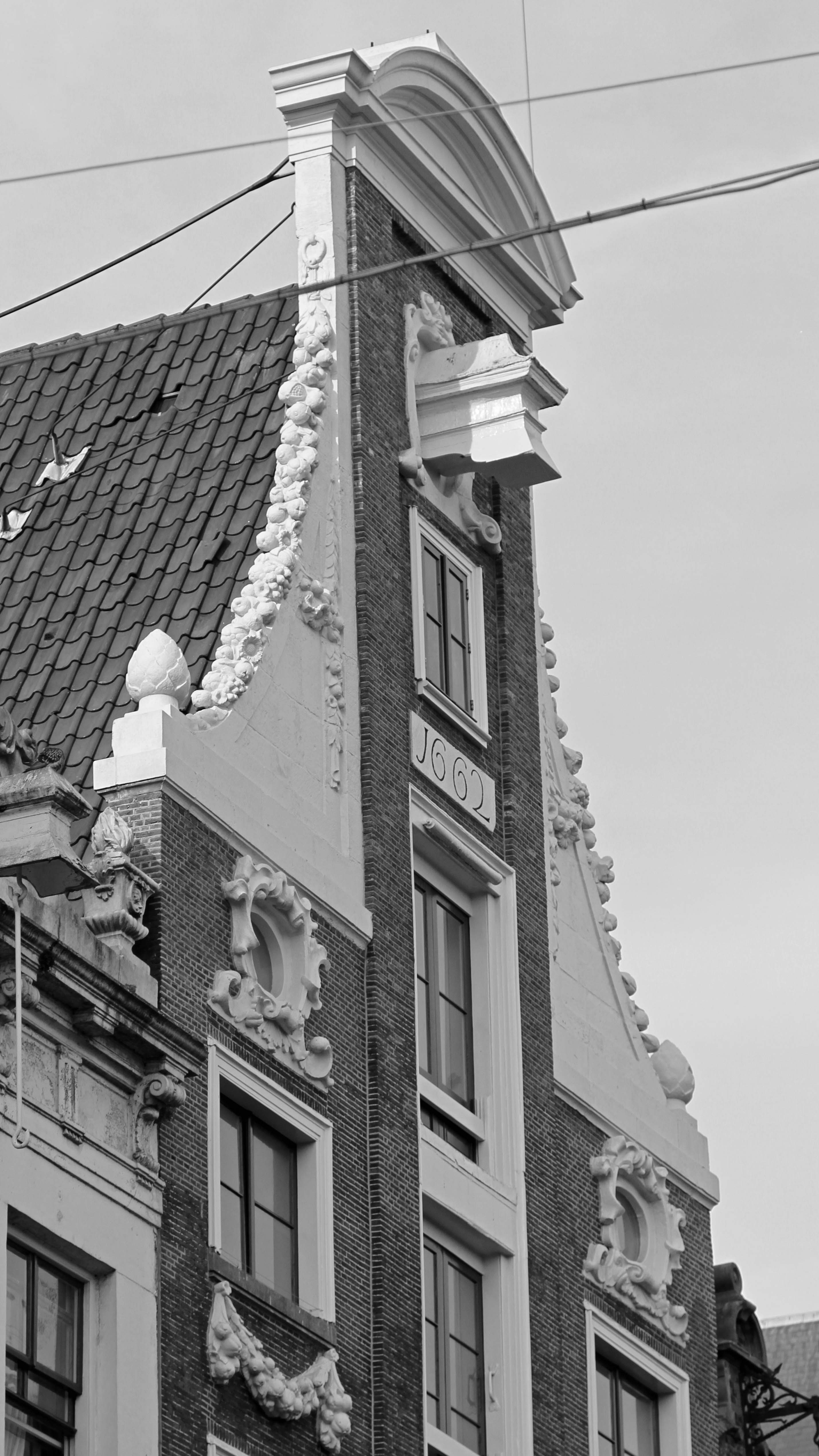
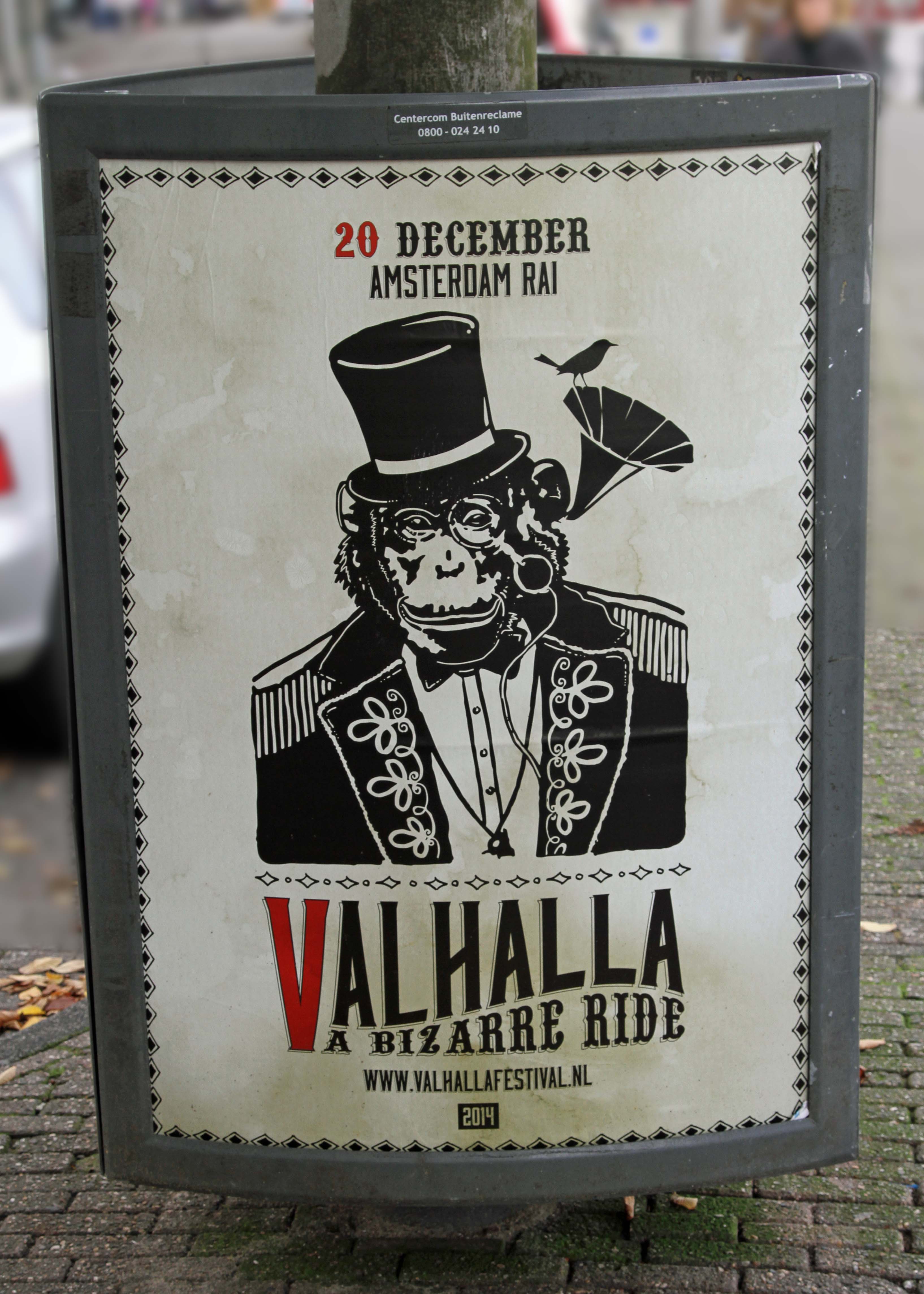
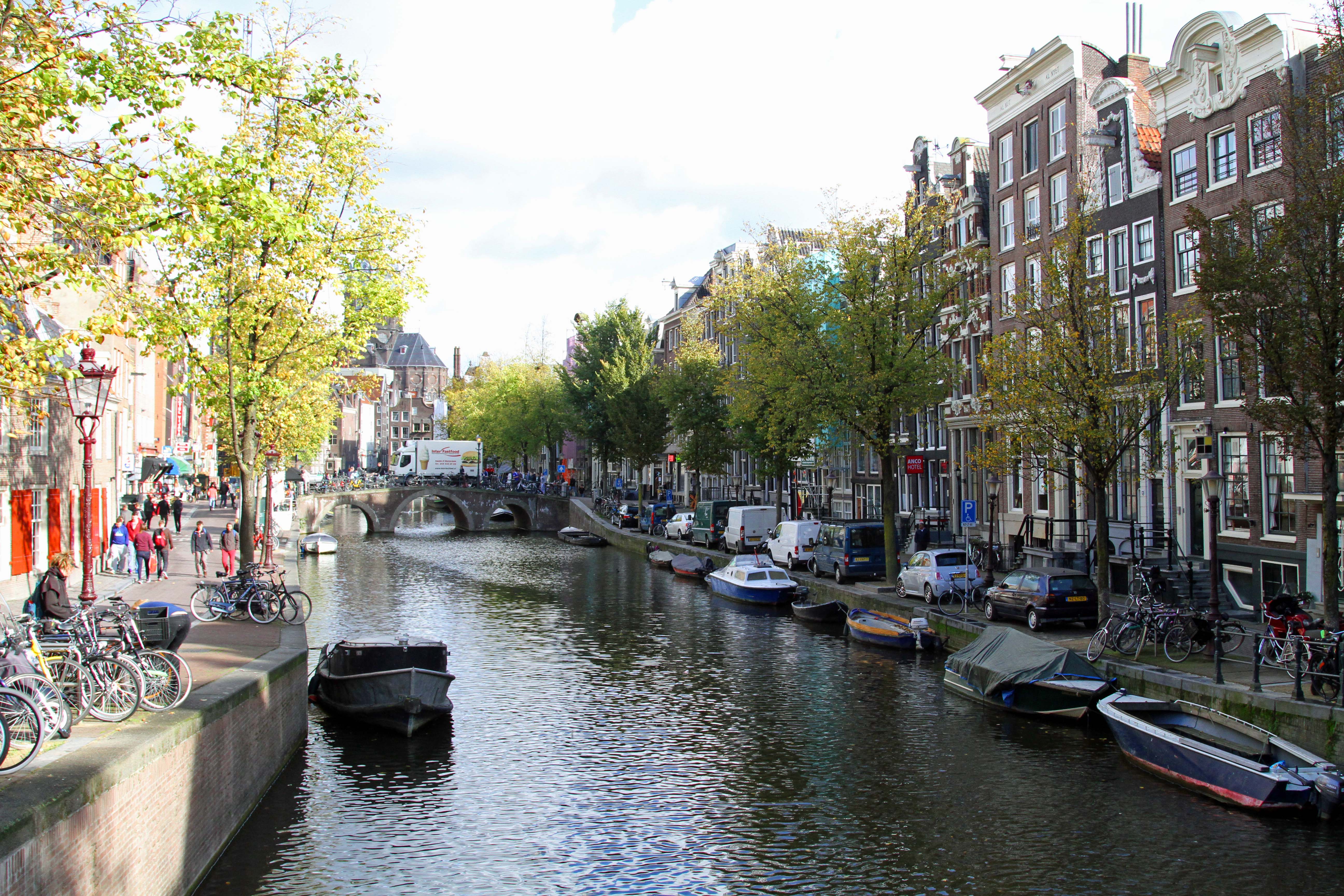
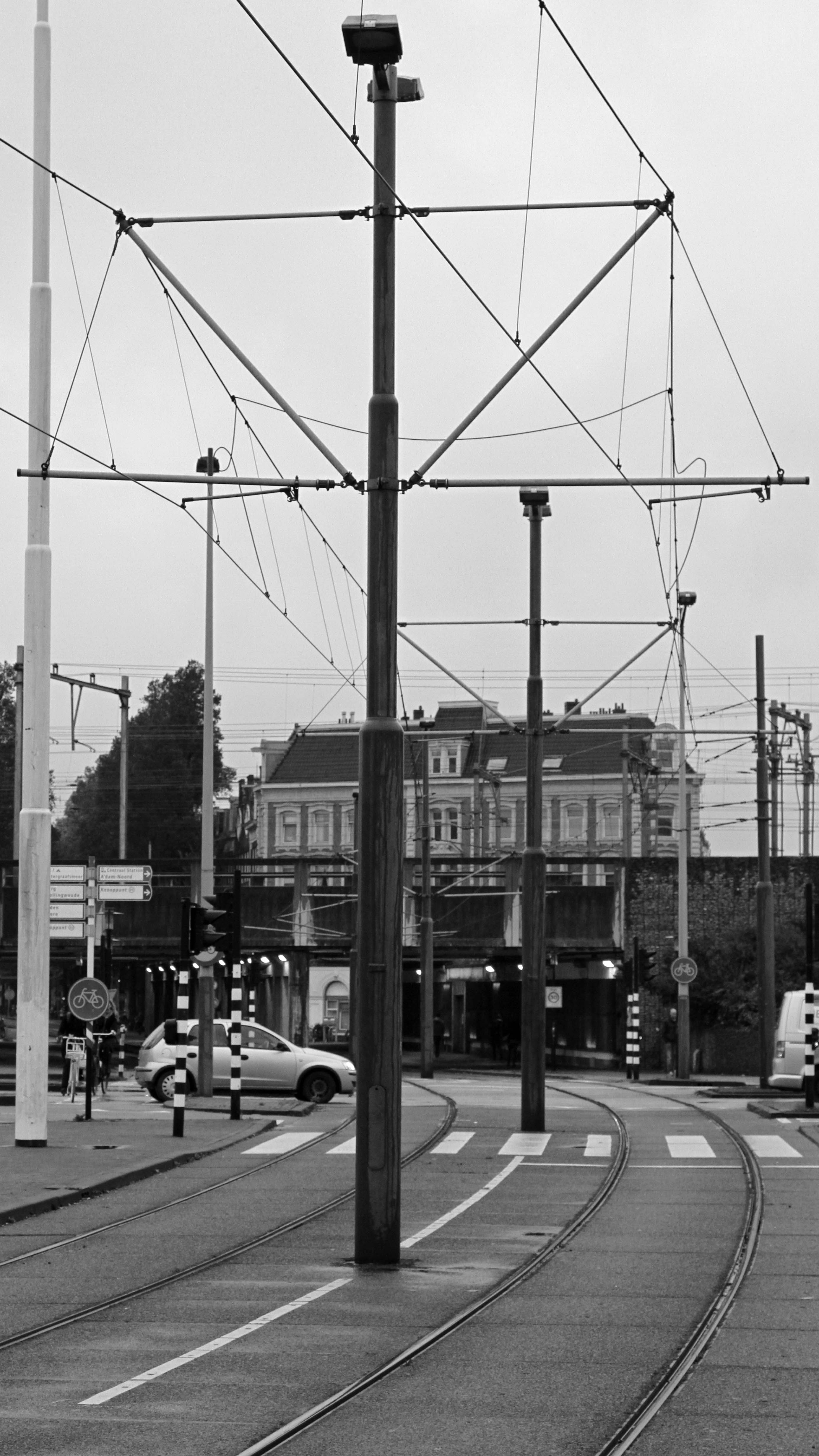
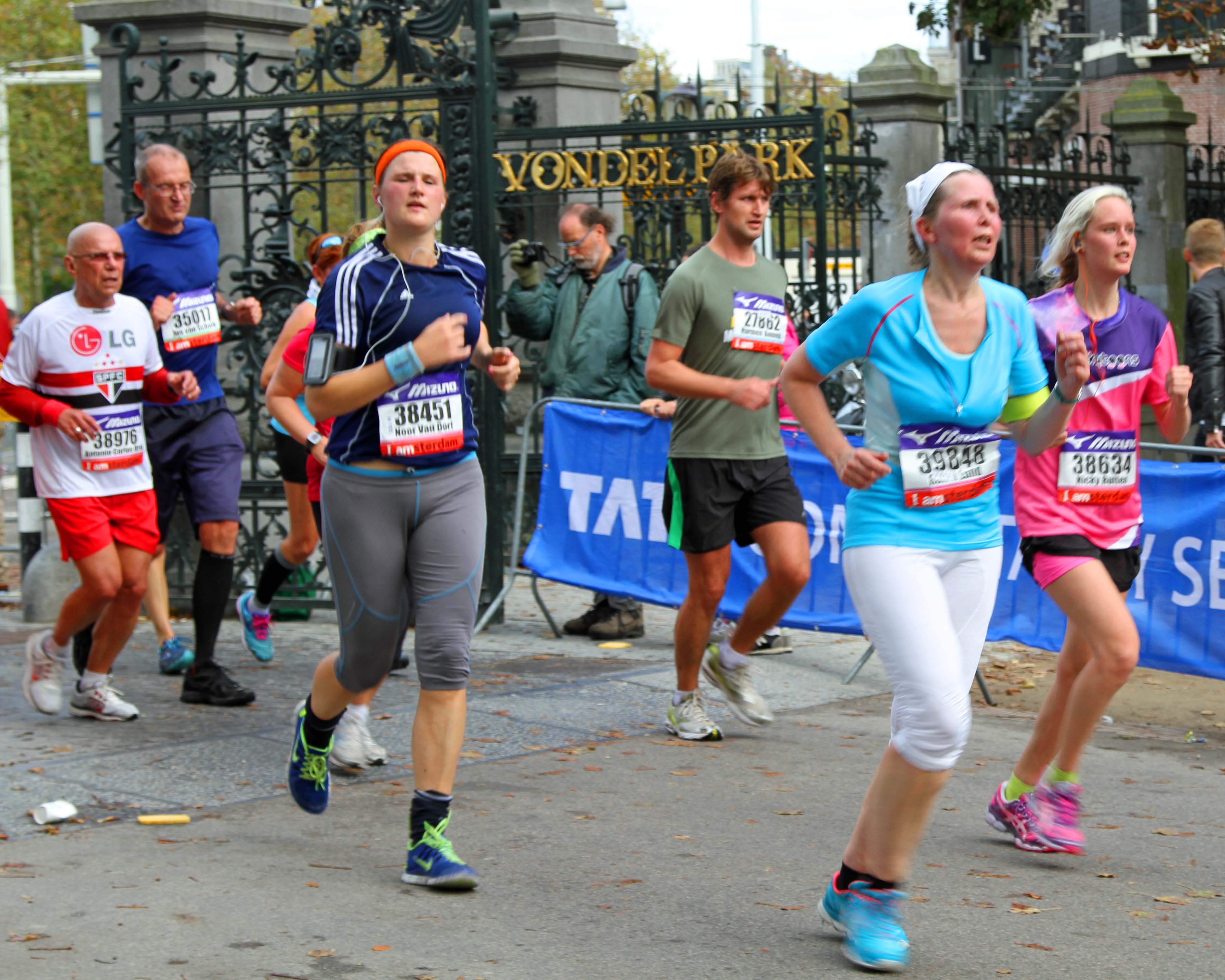
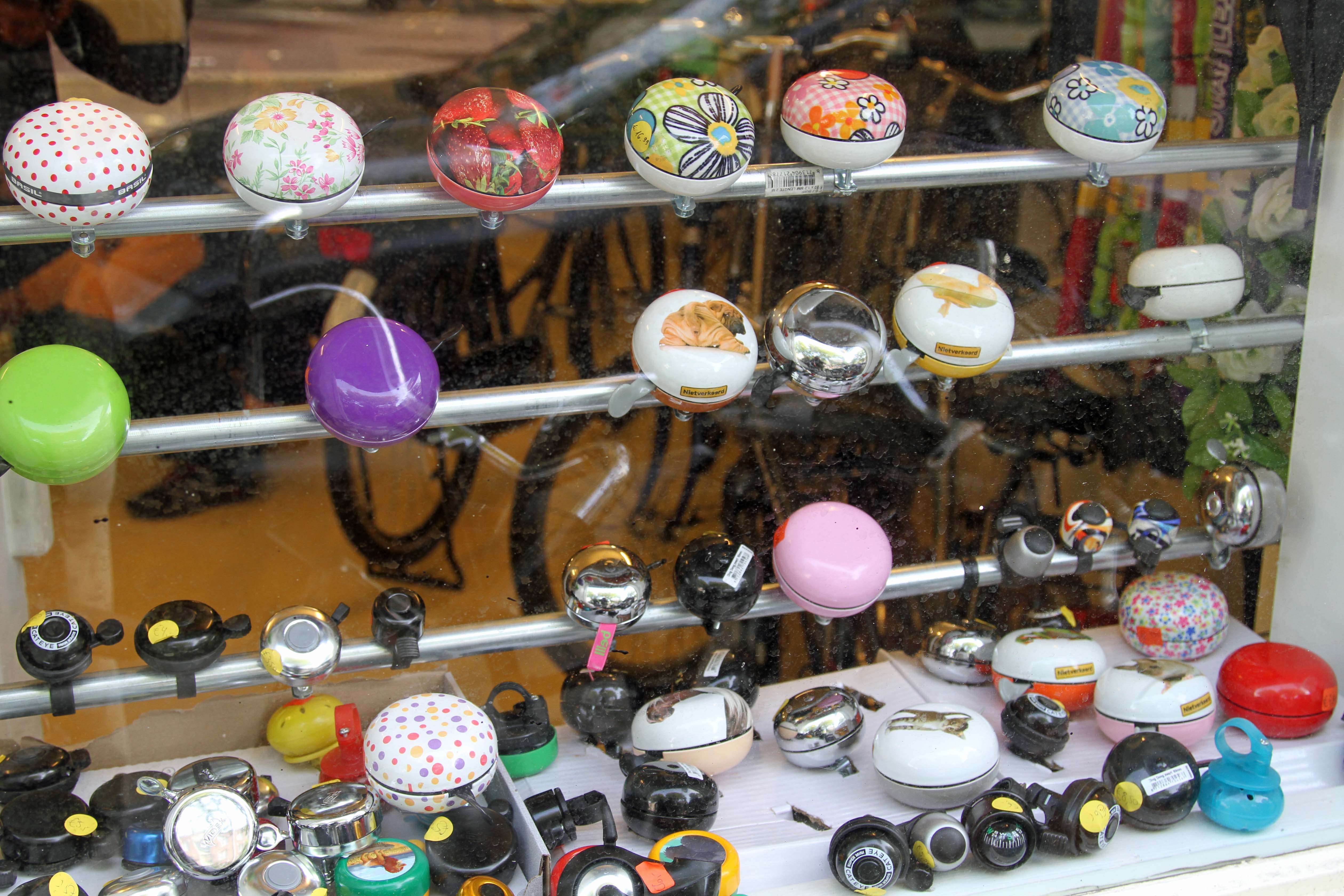
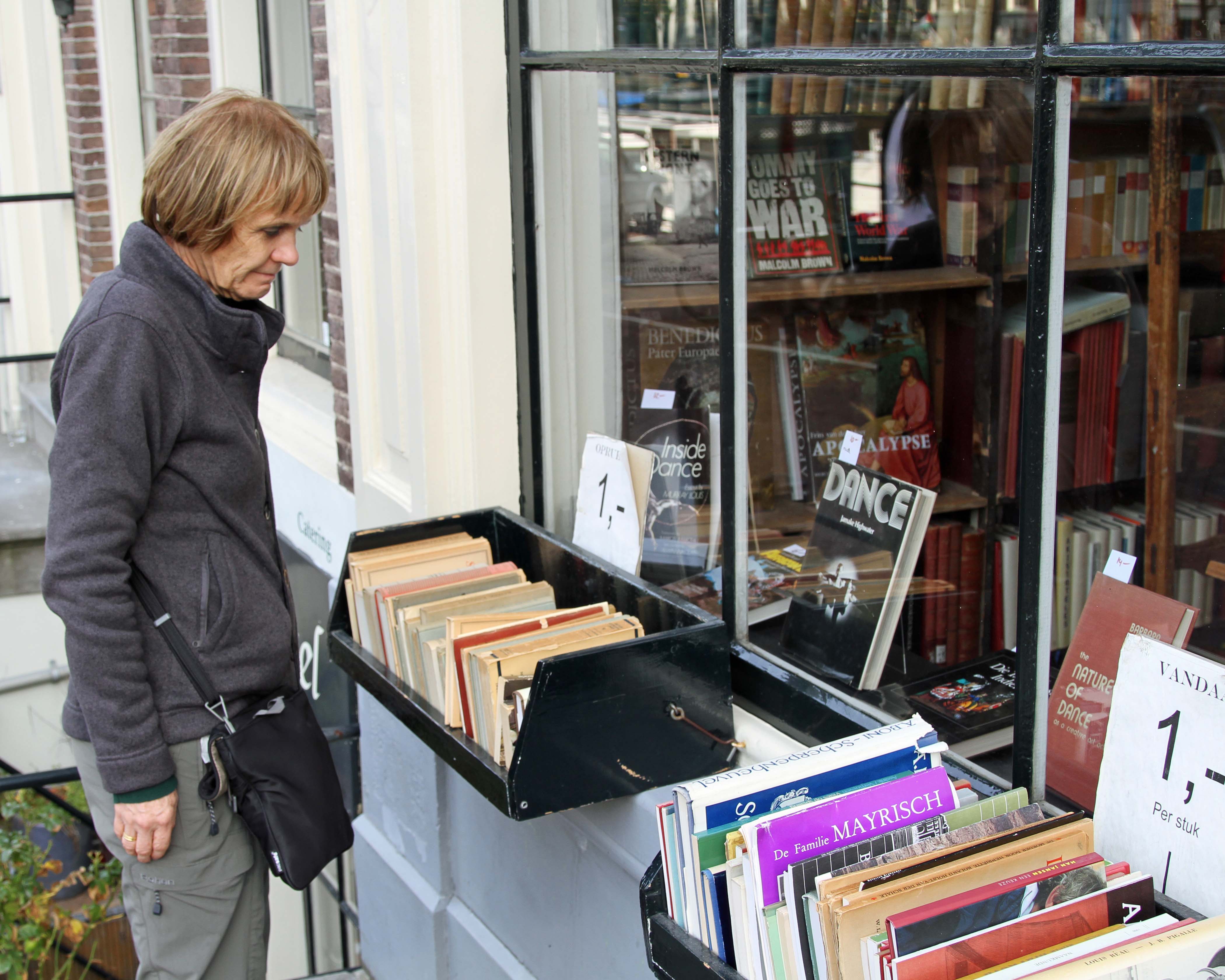
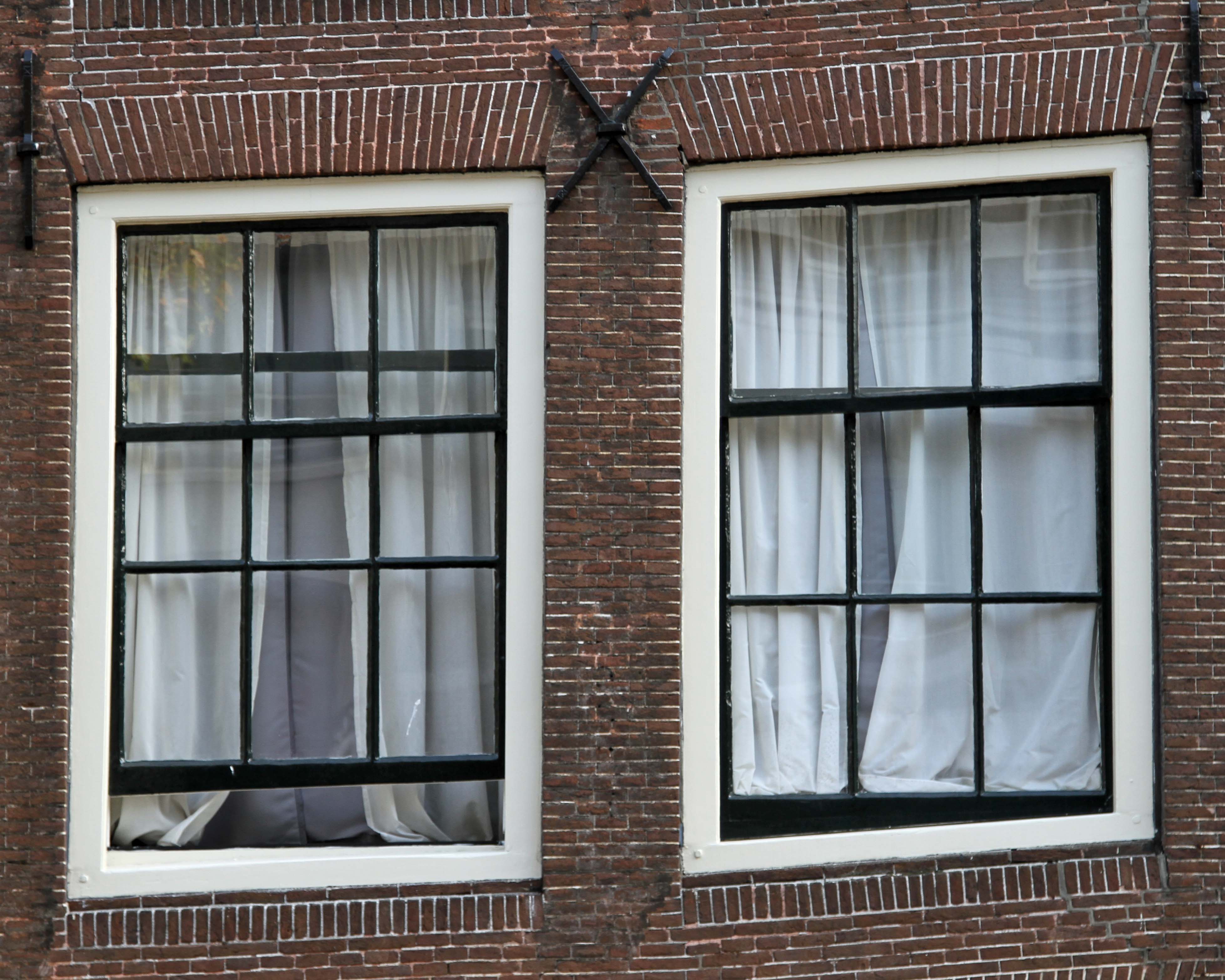
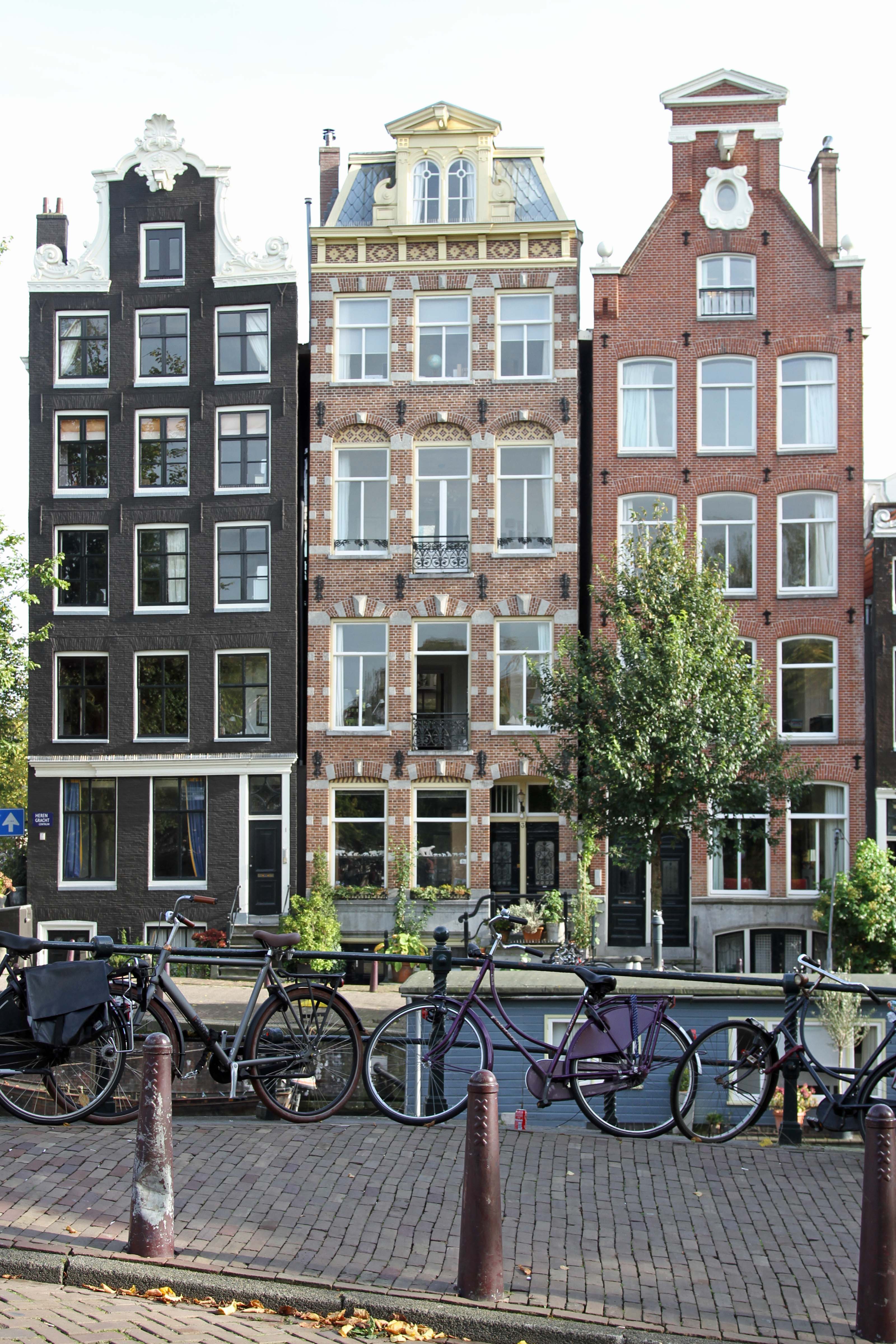
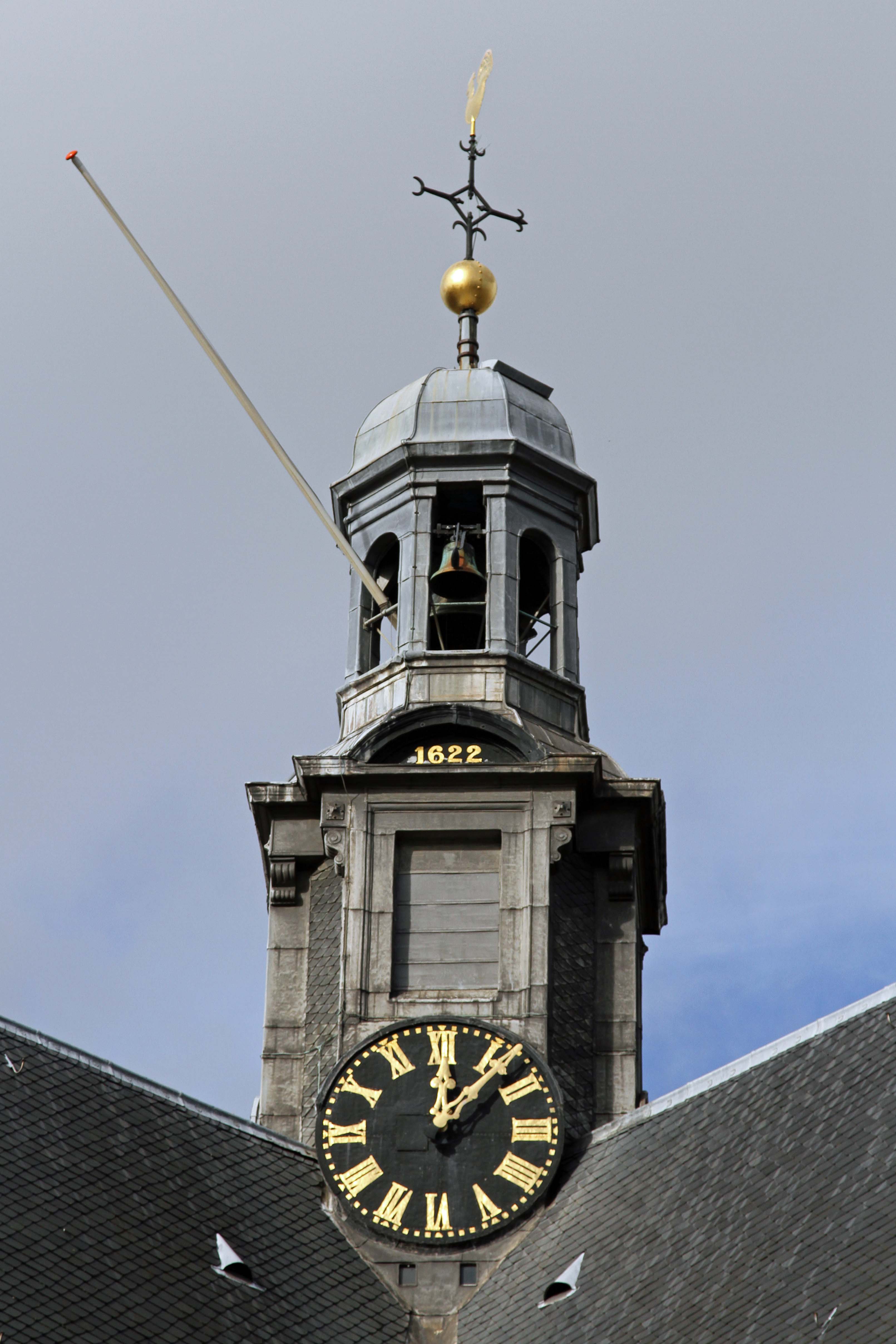
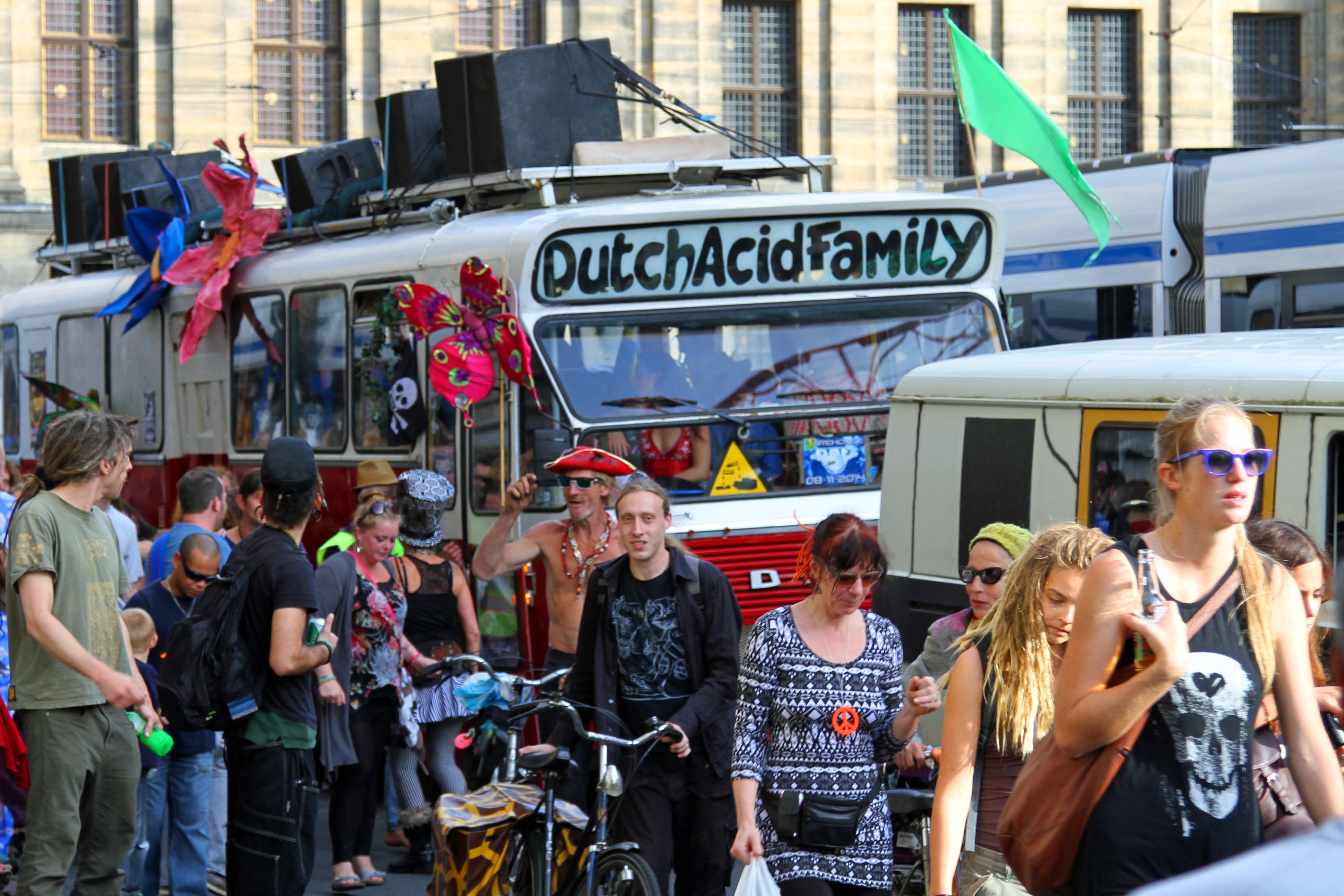
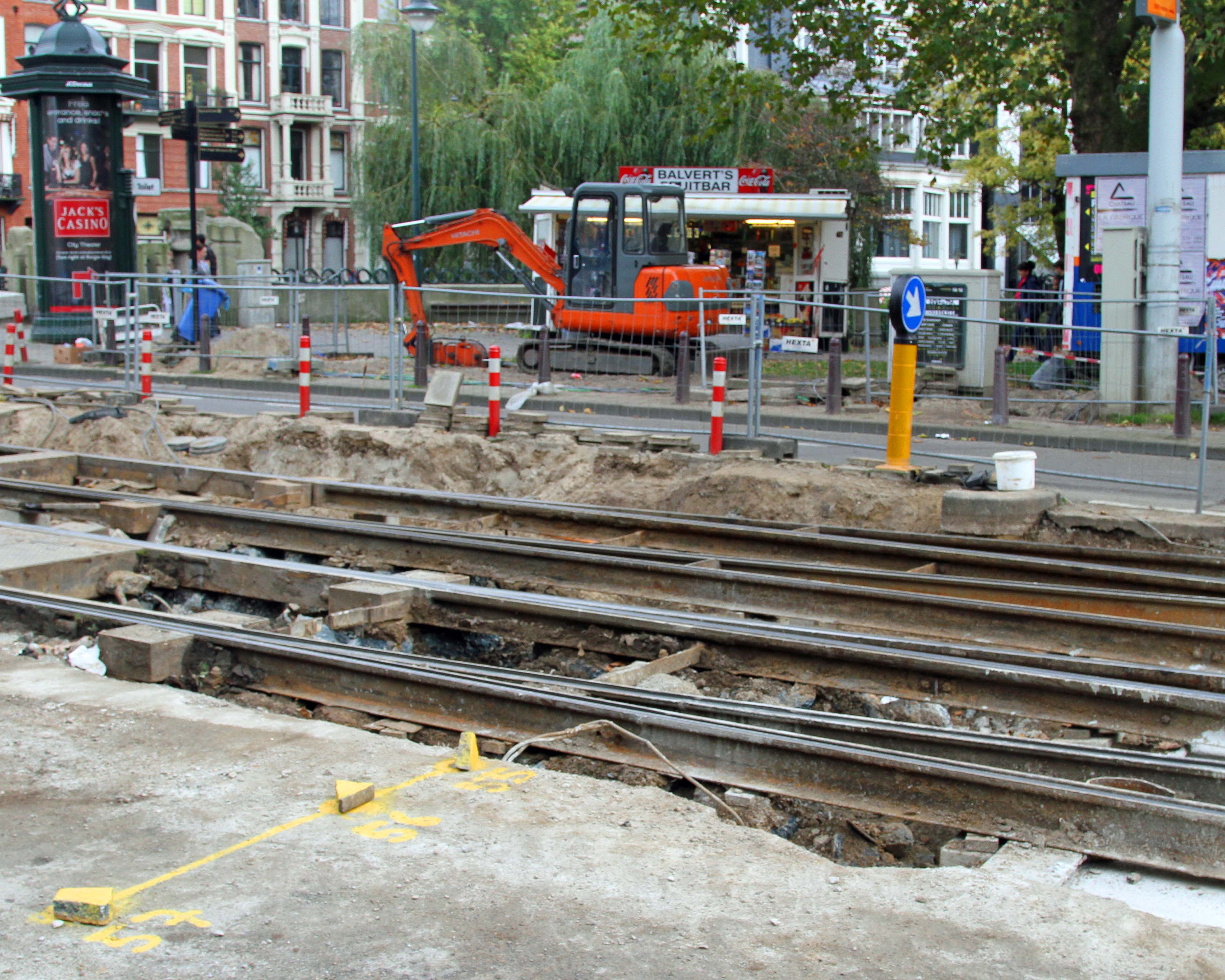
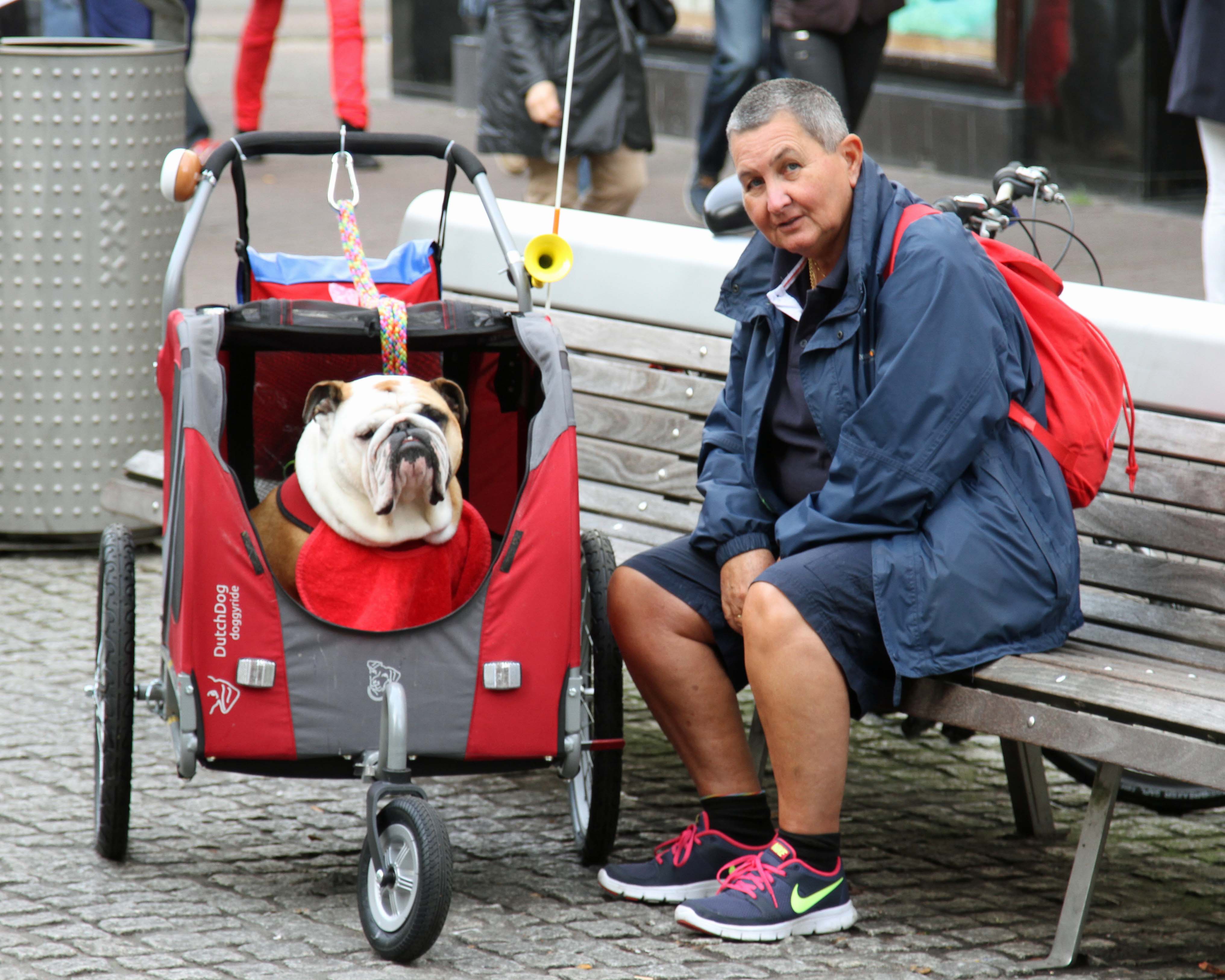
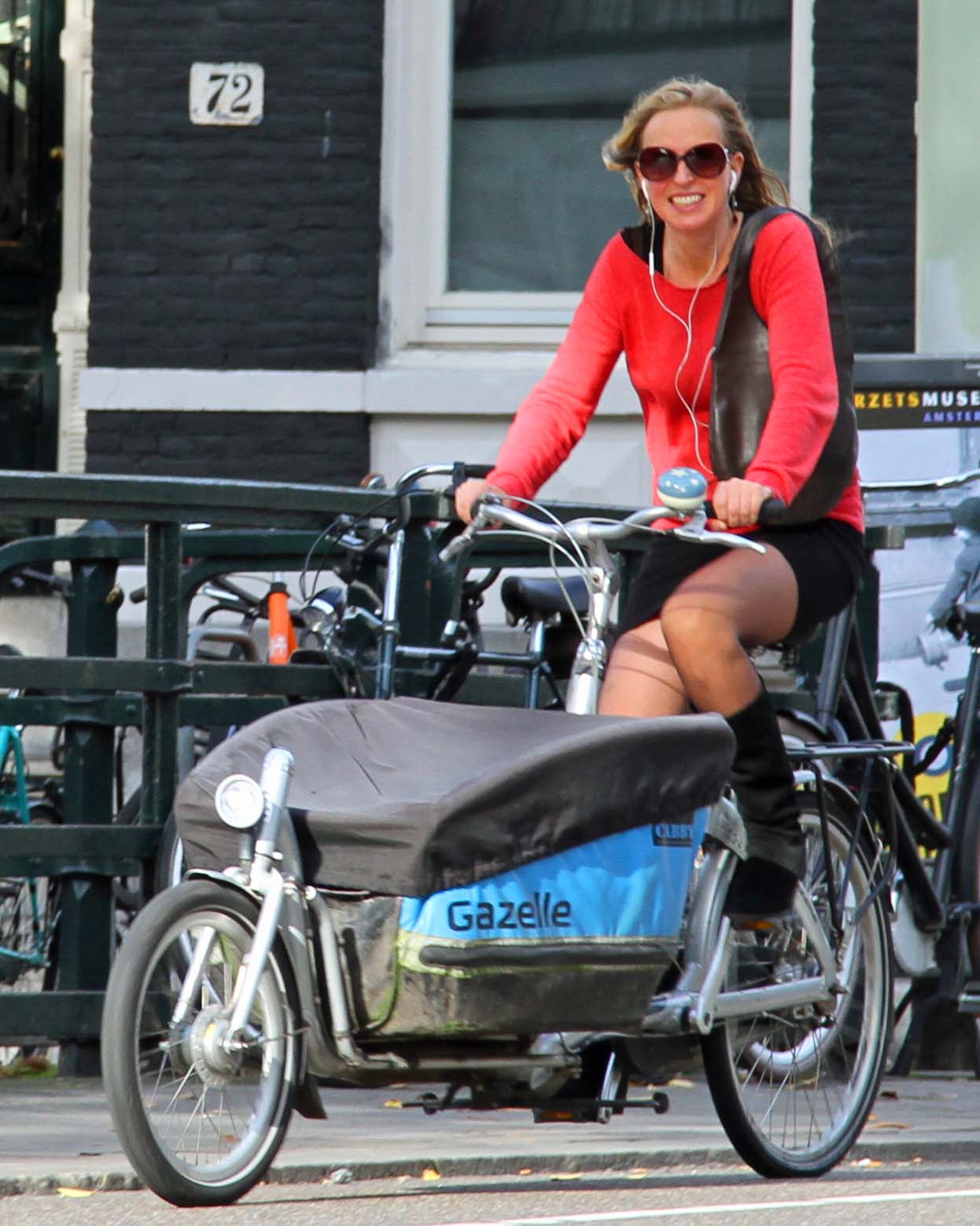
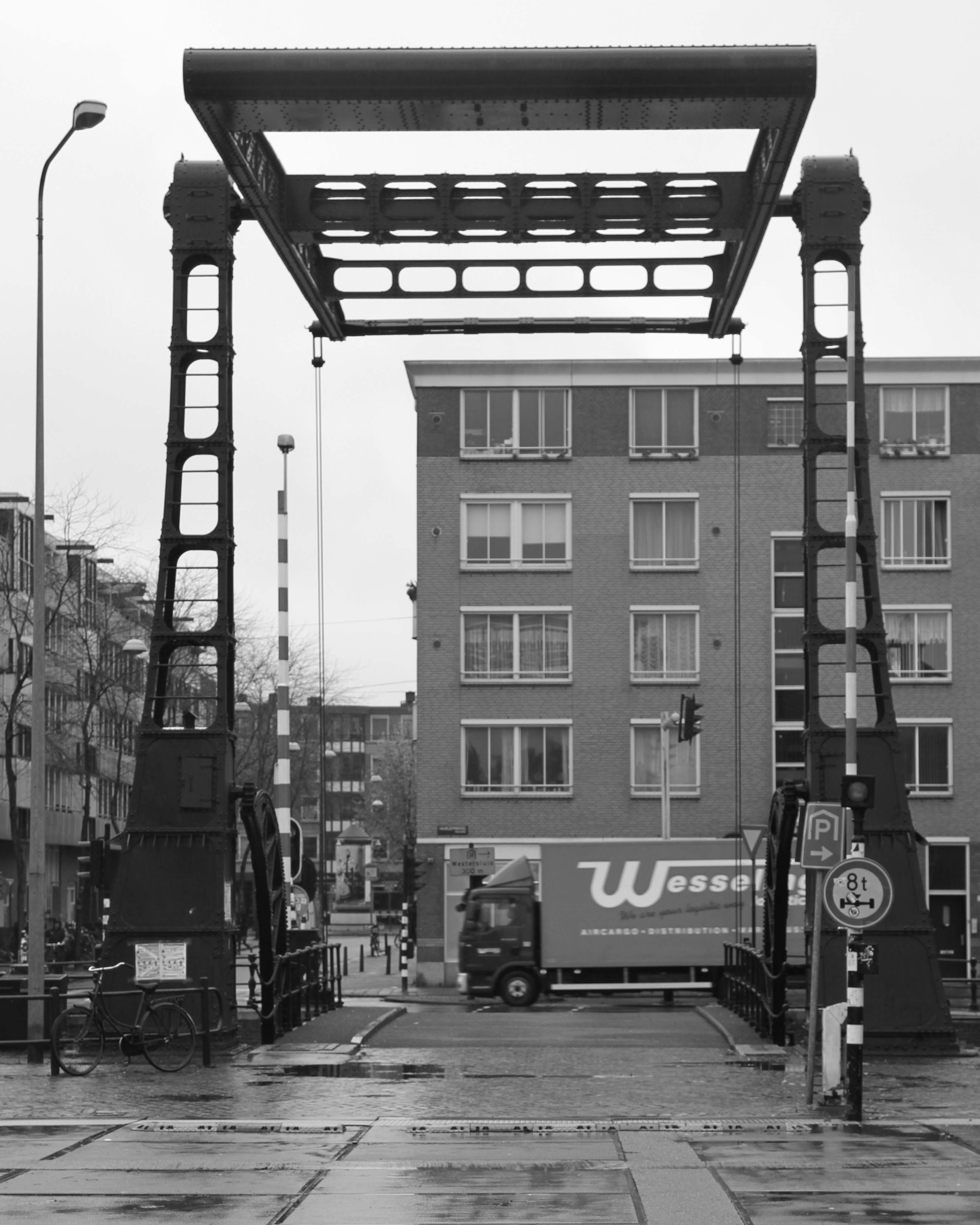
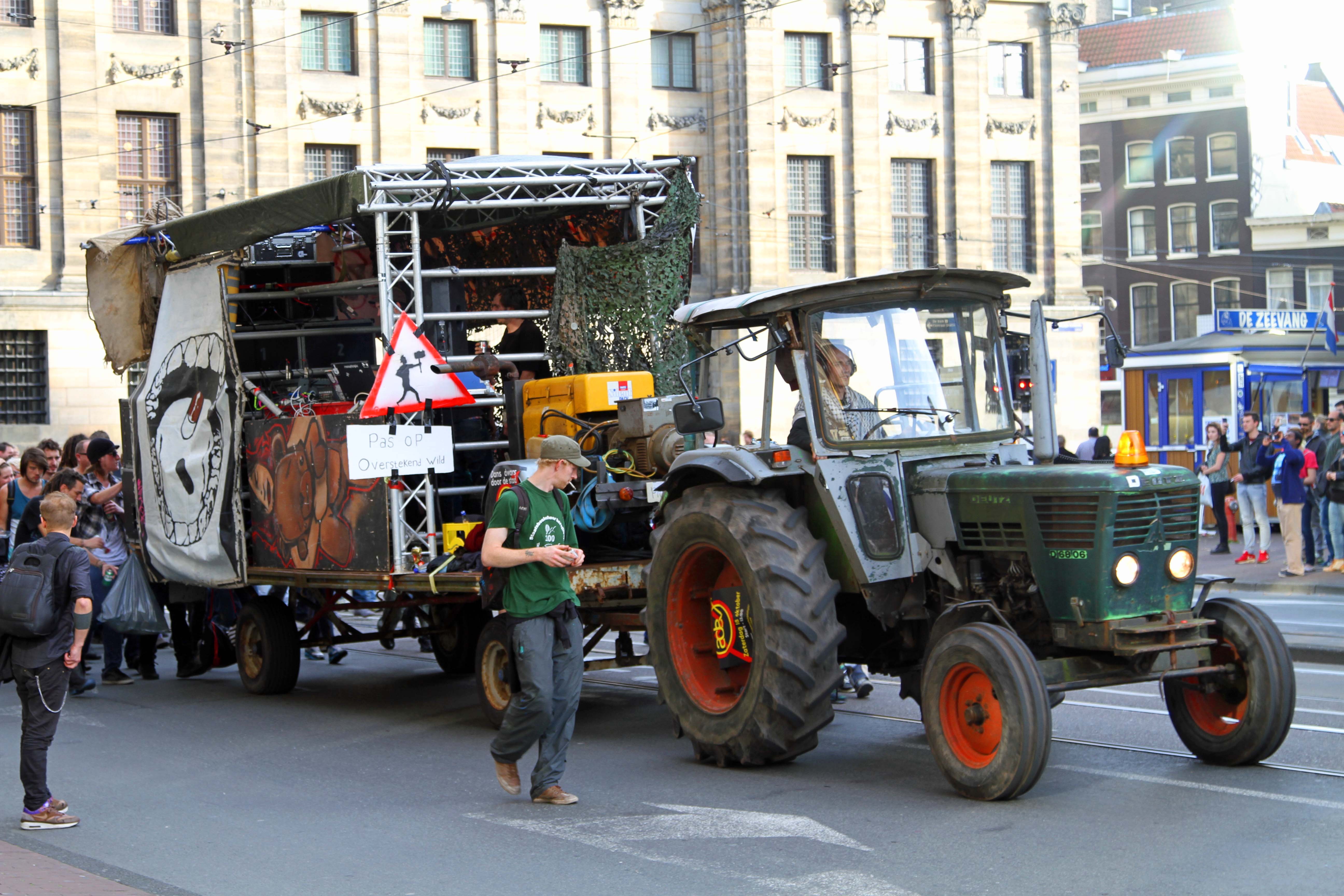
I was in Amsterdam for the day job earlier this week and, because I had very little time to myself, I challenged my husband (who was along for the ride!) to capture the spirit of Amsterdam in fifty photographs, so that I might be able to feel as if I’d been sightseeing. I so enjoyed what he produced that I’ve decided to have a picture post with all fifty, so that you also may visit A’dam. As a beekeeper, he was delighted to find an apiary in a most original location; perhaps you can spot the hives, too.
All text and photographs on this website © Christina James




















 Christina James, crime novelist