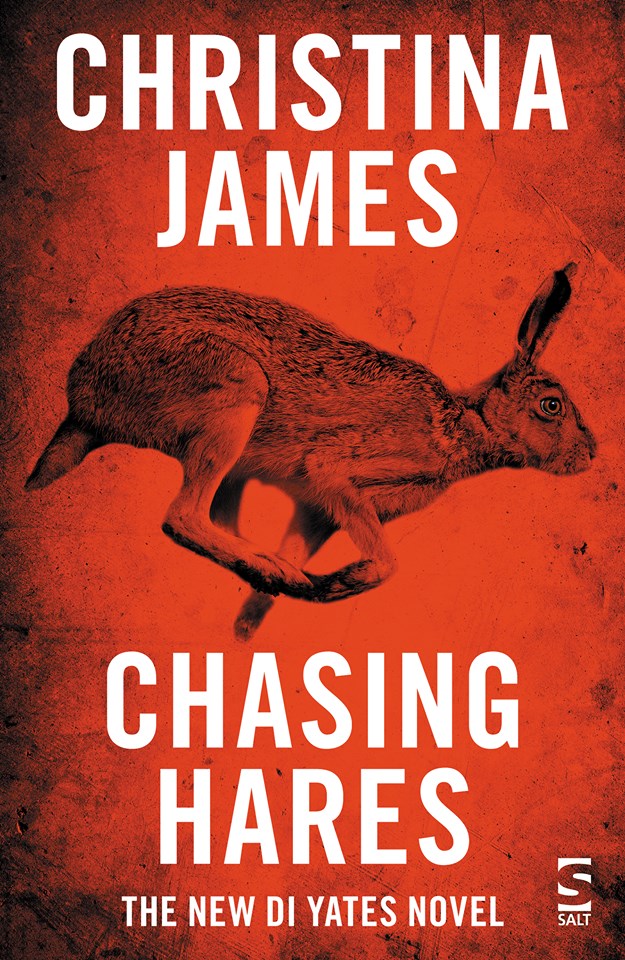


Hallowe’en? Not in my memory of the Spalding of the 1950s…

The prospect of tonight’s steady stream of youthful ‘trick or treaters’ (for readers around the globe, children in the UK visit houses at Hallowe’en to offer a choice: a trick played upon the household or a treat given by the household to the visitors to ward off any tricks) has stirred in me memories of the Bonfire Nights (or Guy Fawkes Nights) of my childhood.
I’m talking about a time when we didn’t ‘do’ Hallowe’en – at least, not in South Lincolnshire. Although I think it’s mainly an import from the USA (I anticipate contradiction!) , some parts of the UK did celebrate Hallowe’en, even then: when I went to university, my flat-mate, who came from Lancashire, told me how her two brothers at Hallowe’en, which they called ‘Mischief Night’, had removed the gates from their school and put them on the roof. But in Spalding, where I grew up, there was only Bonfire Night, celebrated on November 5th, the anniversary of the date on which Guy Fawkes tried to blow up the Houses of Parliament. In retrospect, I realise that our Bonfire Nights incorporated some elements of Hallowe’en as well.
Bonfire Night was among my favourite events on the calendar. My brother and I started preparations weeks in advance, at first by collecting materials for as big a bonfire as our father would let us build at the bottom of our (quite large) garden. Then we’d beg old clothes from relatives to make a guy. He was constructed out of a shirt or jacket tacked on to a pair of trousers and stuffed with newspaper. The sleeves and legs of the trousers were fastened with string. His face would be made from a carved and hollowed-out mangold wurzel (field beet) containing a candle, if we were ambitious, or, more often than not, just covered with a cardboard mask bought from Woolworths. Each year there was a Woolworths counter overflowing with these masks, which featured the faces of ghosts, witches, pirates and skeletons; I think this was where the Hallowe’en element came in. The guy also wore a hat, if we could get one: good hats were in short supply. Guys were usually completed at least a week before Bonfire Night, so they could be showed off. We were allowed to sit ours outside the gate of our house with a tin bearing a ‘Penny for the Guy’ sign, but my mother wouldn’t let us push him around the streets begging for pennies, as some children did. She thought it was ‘common’!
The suspense leading up to Bonfire Night was huge. Teachers joined in the fun: I vividly remember making bonfires, guys and fireworks out of plasticine in a primary school art class. And we must have heard the story of the original Guy Fawkes – some of whose accomplices had had strong links with East Anglia – every single year. Along with 1066, it was certainly the episode in British history with which I was best acquainted.

At the end of school, we rushed home to dress up. Girls wore garish make-up and boys’ fathers often blacked their sons’ faces with pieces of cork held in the ashes of the fire or drew moustaches on them (some pictures of Guy Fawkes showed him with a twirling, Salvador Dali-type moustache). We wore whatever we could get together as fancy dress: it was before the era of the purpose-made (money-spinning) clothes that children’s parents buy for Hallowe’en and Bonfire Night now. Parents sometimes helped, and the outfits could be ingenious: I remember one child dressed as a skeleton – his mother had made an outfit out of black cartridge paper with the bones drawn on in white chalk. Girls often became witches for the night – we were taught at school how to make black pointed hats, also from cartridge paper. Whatever the outfit, we all had one of the cardboard masks from Woolworths (which were made out of the type of card now used for egg-boxes). We’d turn up at neighbours’ houses heavily disguised with our masks pulled down, then whip them up to reveal the made-up face beneath. The idea was that no-one could recognise us, with or without the mask.
We were permitted to take the guy with us on Bonfire Night itself. Ours was transported in the old family push-chair, an ancient conveyance made from khaki canvas and which had solid wheels. Although I suppose it’s unlikely that there were services-issue push-chairs, it looked as if it might have been army surplus, sold by the Army and Navy stores. I don’t think anyone in the family could remember where it originally came from. It was wide and cumbersome and difficult to take up and down the houses in the street without running off the paths and into people’s flower borders. Some children carried mangold wurzels or hollowed-out sugar beets with candles in them.
It was dark when we went Guy Fawkesing, but we were allowed to go round the houses on our own, though always in groups of at least three (my brother and I joined the two girls who lived next door). The boundaries were our street and the next one. The streets were thronged with children: it was the height of the baby boom and two or three children lived at almost every house. I’m sure we were all quite safe out on the streets that night.
There were just two rhymes that we chanted to the householders:
Please to remember
The fifth of November
Gunpowder, treason and plot
I see no reason
Why gunpowder treason
Should ever be forgot.
and:
Please spare a penny for the poor old guy!
If you haven’t got a penny, a ha’penny will do;
If you haven’t got a ha’penny
Then God bless you!
The householder would then give us each a penny – sometimes twopence, if we were lucky – and usually some sweets as well. Sherbet dabs (boiled-sweet lollies in a bag of sherbet) and sherbet fountains (a tube of sherbet with a hollow ‘straw’ of liquorice to suck it up with) were my favourites. We carried old Ovaltine tins with string handles for the loot.
The trick was to get round as soon after dark as possible, before people ran out of treats, and then go home in time to see some of the children who came knocking at our own door and inspect their outfits. Sometimes when we went the rounds, early fireworks were already being let off and the air smelt excitingly of gunpowder.
After the last Guy Fawkesing stragglers had gone home, it was time to light the bonfire. First of all, the guy was seated on the top of it. Then my father would light the fire and we were instructed to stand back. I always felt a bit sad when the guy succumbed to the flames: he’d been a friend for the whole of the previous week… but there would be another one the next year. When he was well alight, my father began to light the fireworks. We always had a mixed box of Standard fireworks – I think they cost ten shillings (I’ve been amazed to read that a similar box now costs £45!) – a few ‘special’ fireworks, usually large golden rain or firework fountains (as we weren’t keen on loud bangs) or rockets, and some sparklers and hand-held fireworks. Each family had its own bonfire and fireworks: large firework parties for the whole neighbourhood had yet to be thought of. We baked potatoes in the ashes of the bonfire and ate toffee apples if the toffee apple man had been round that day (which he was usually enterprising enough to have managed). When we went into the house at the end of the evening, we were given vegetable soup with big hunks of bread to warm us up.
Miraculously, most of the Bonfire Nights of my childhood were bright and clear: I remember seeing rockets sailing into the stars. On the couple of times that it rained, we still went on the Guy Fawkesing rounds, but the bonfire had to be postponed until the next day. Then we were bitterly disappointed.

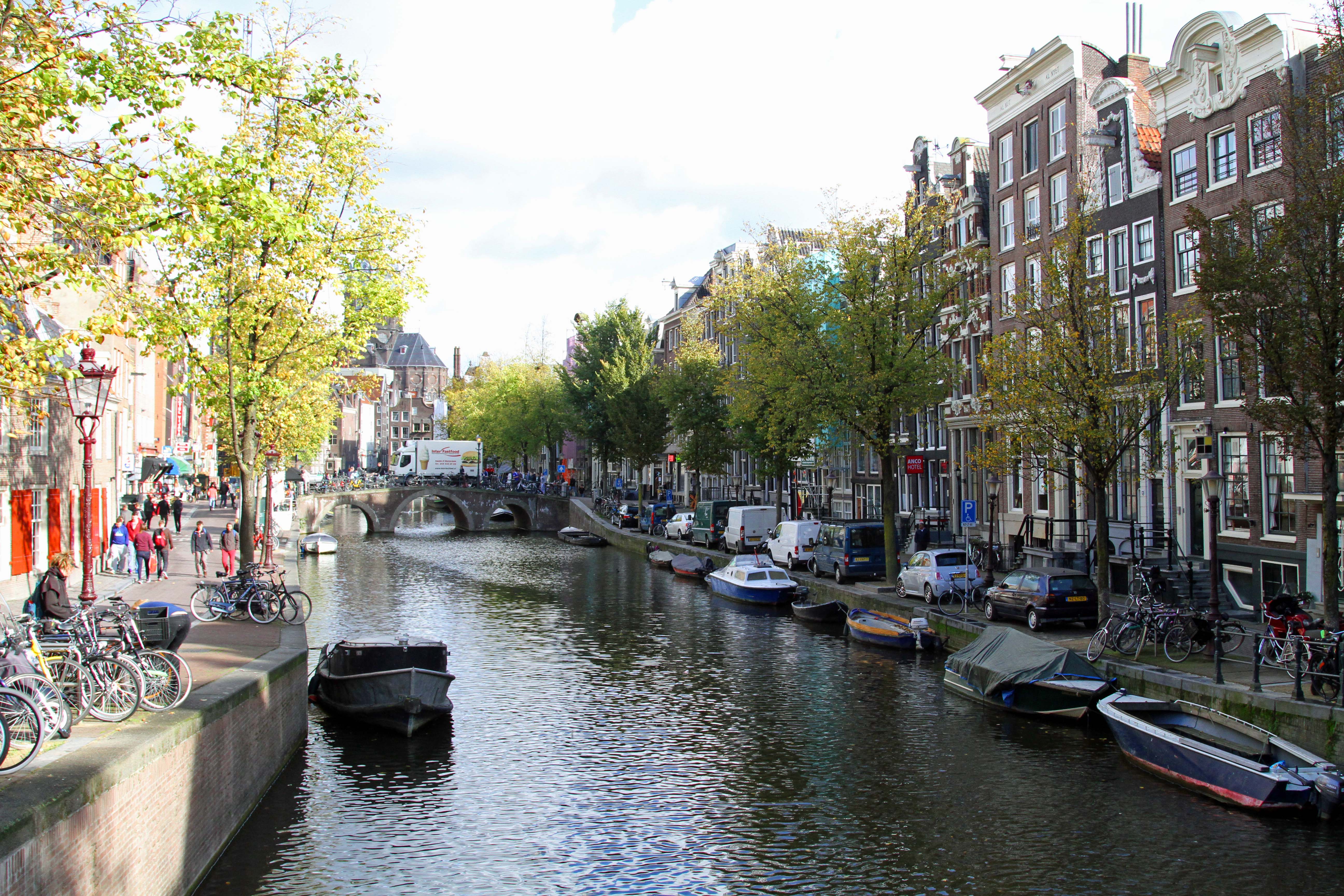
Hello, I’m A’dam…

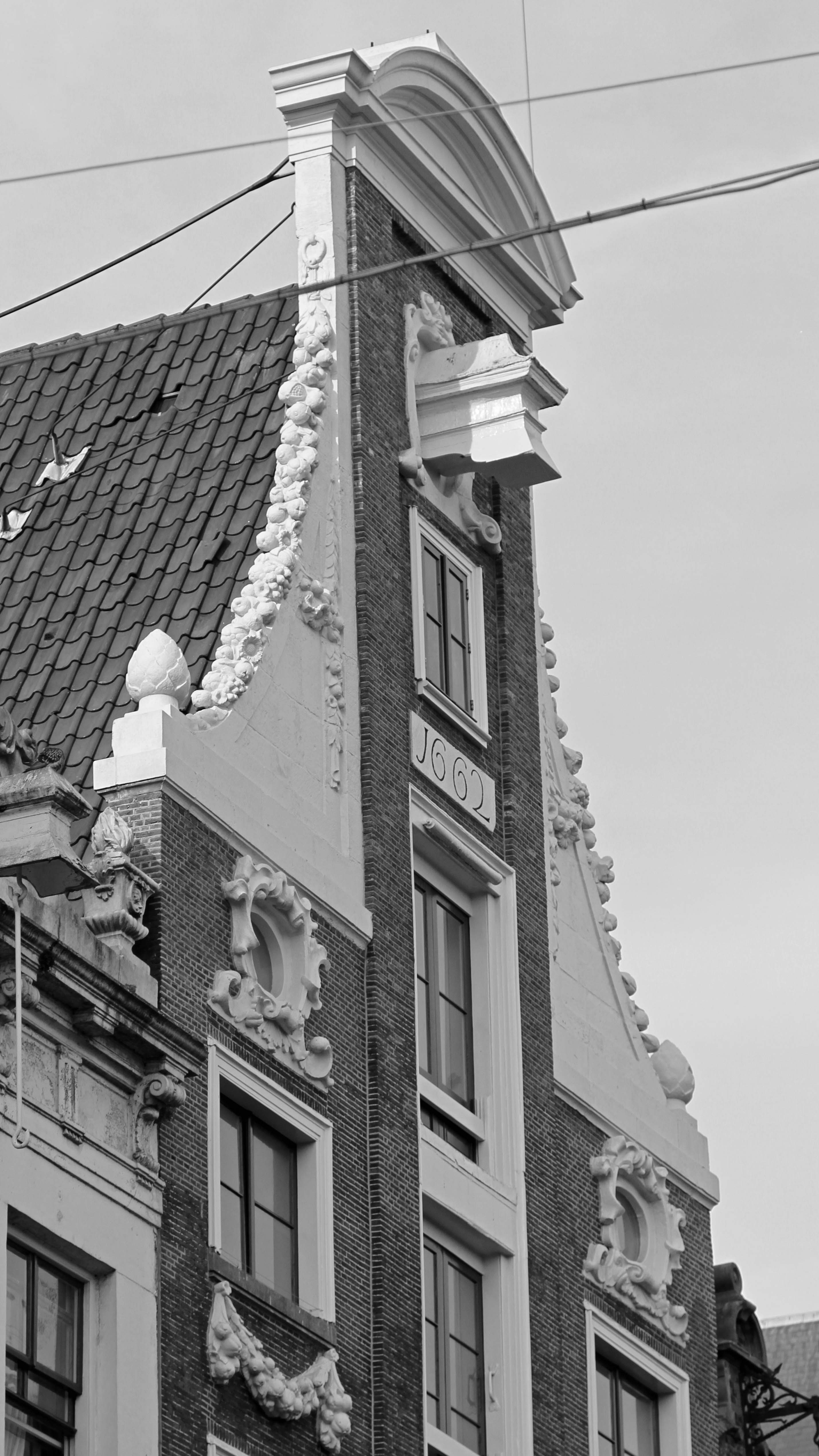
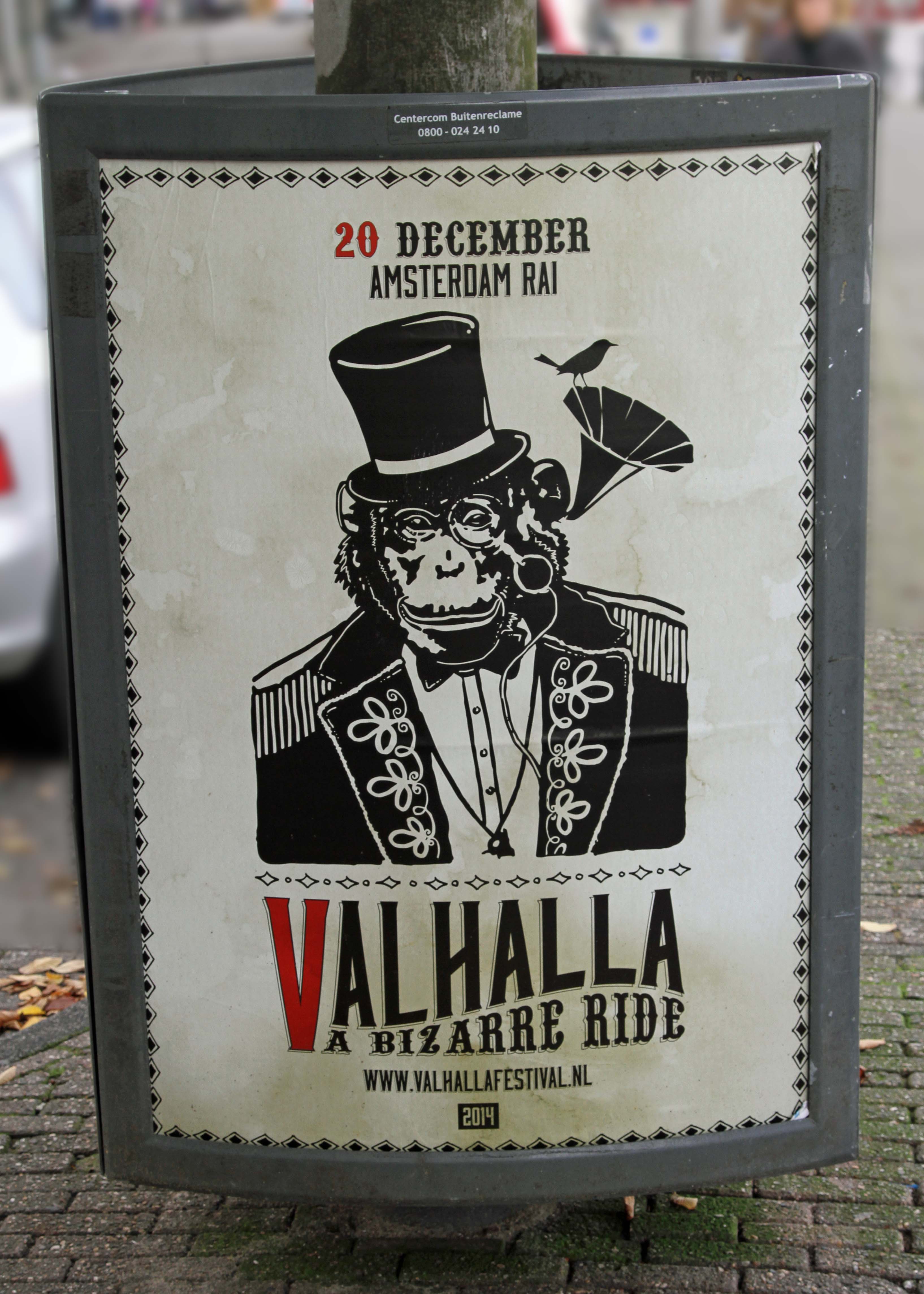
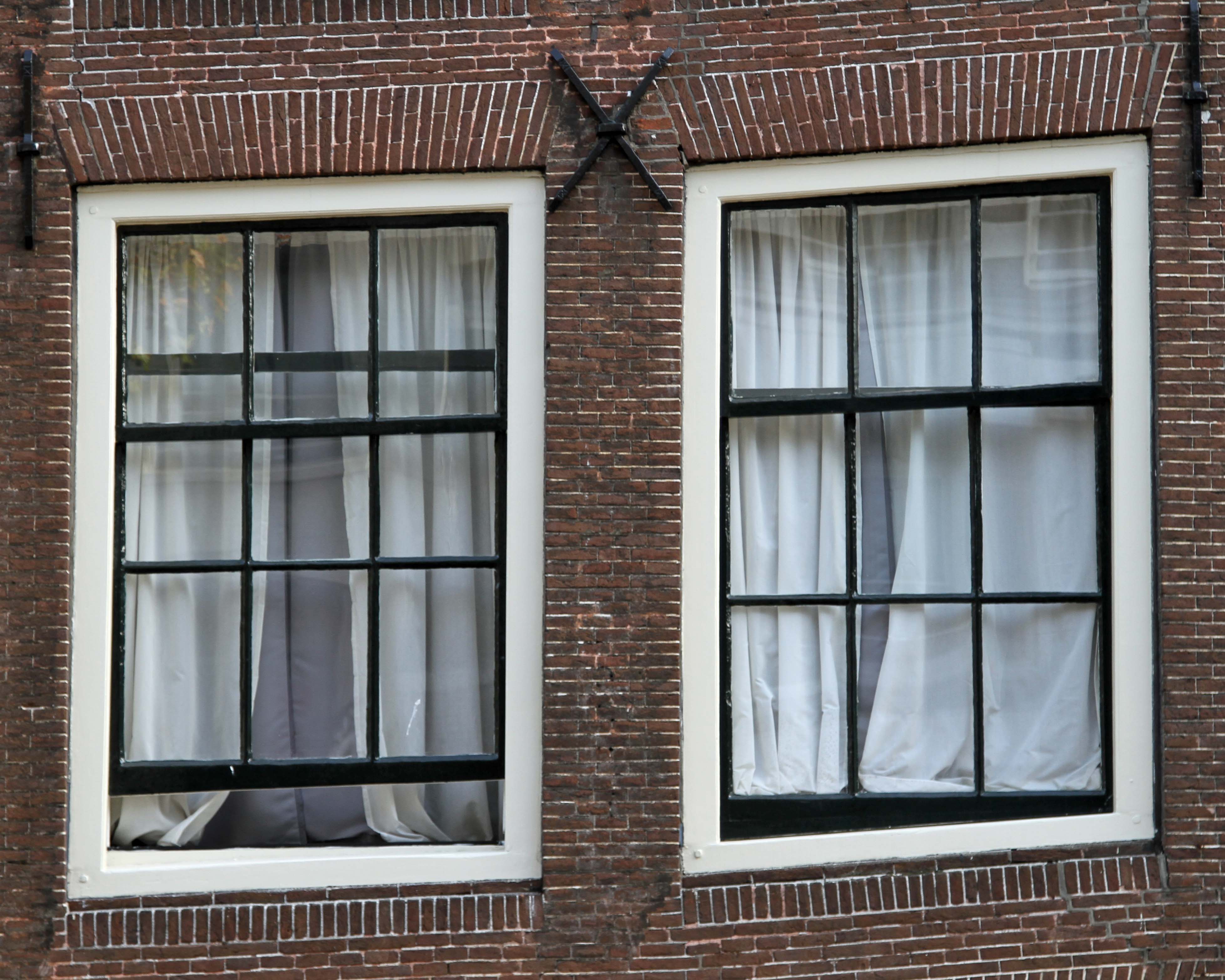
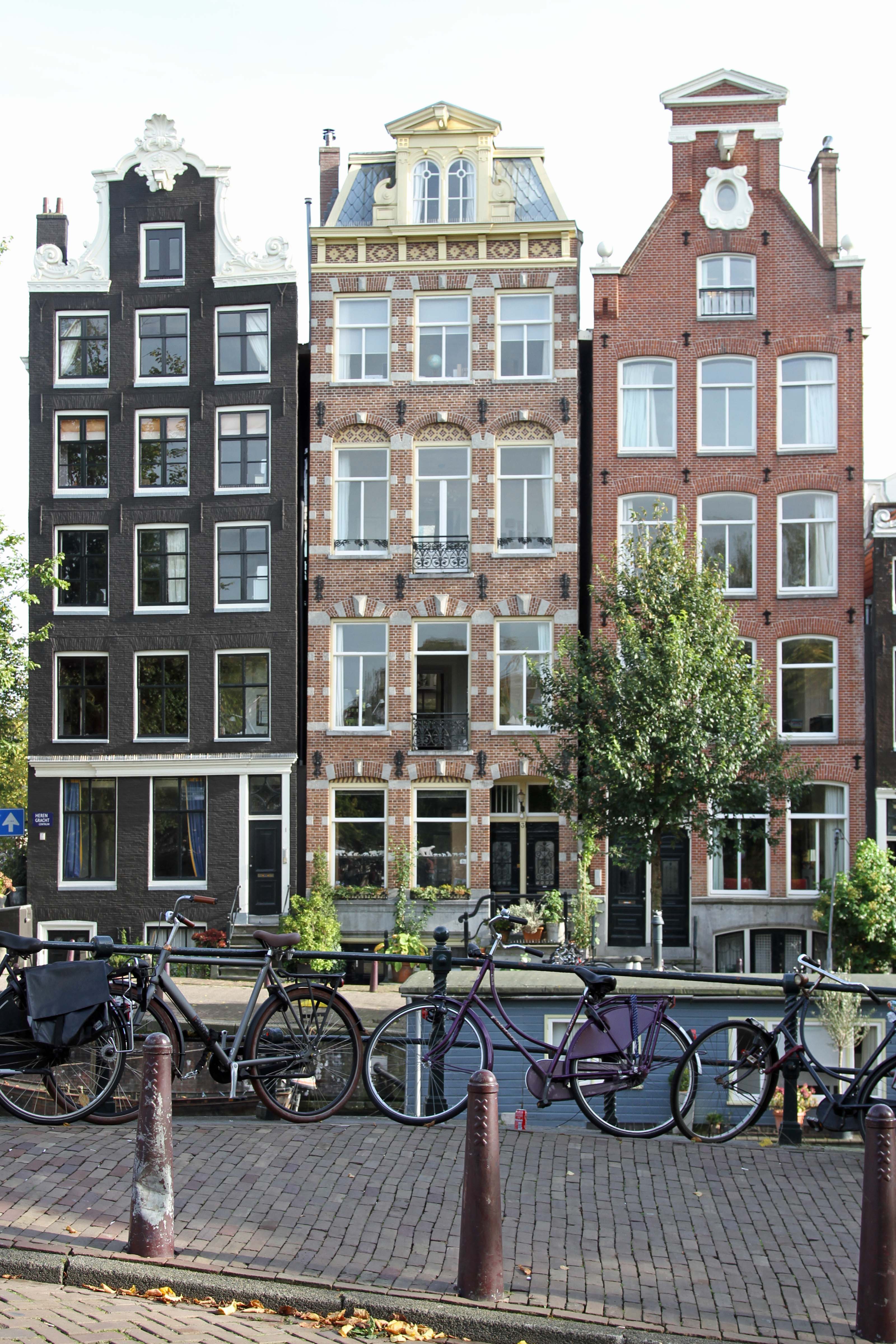
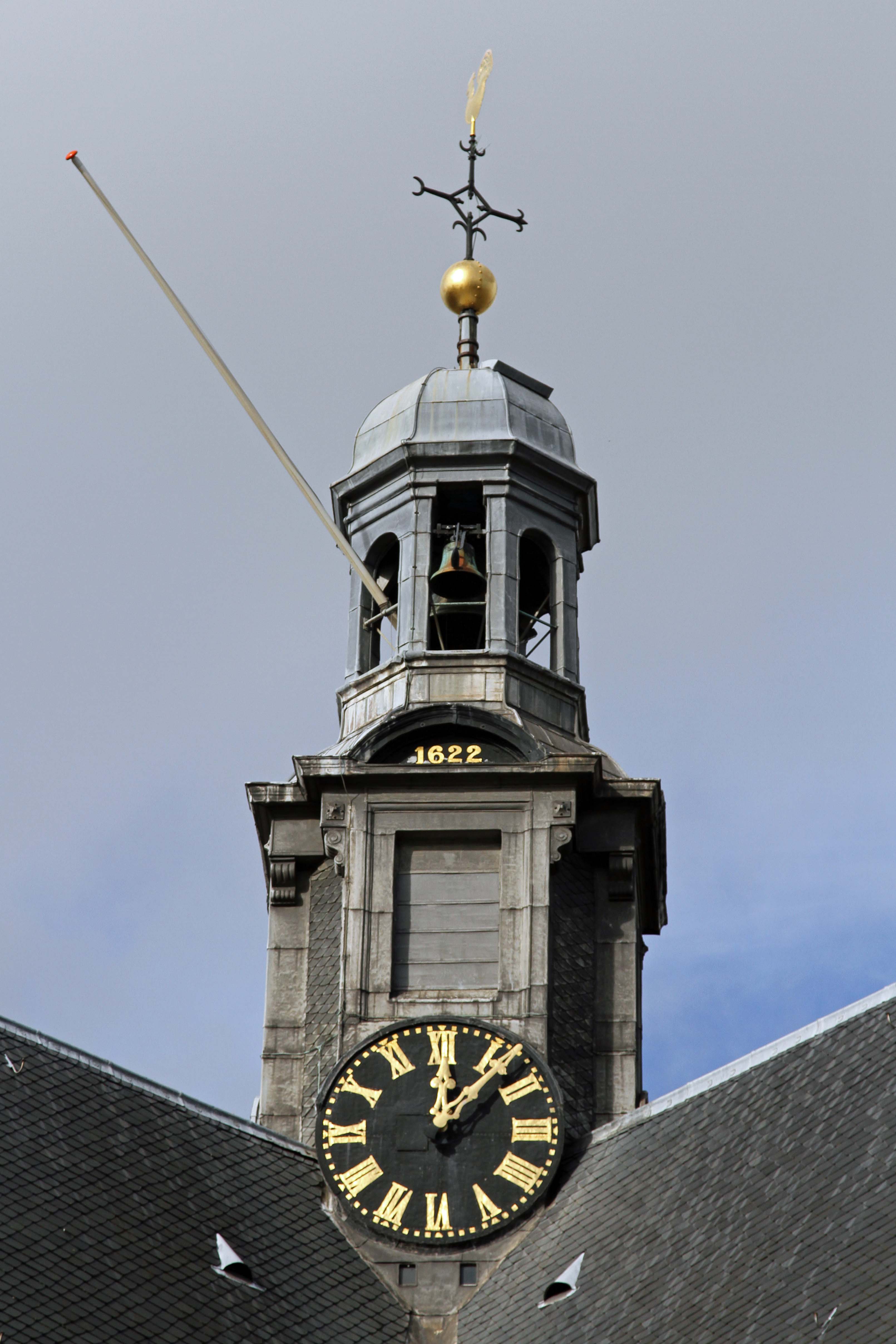
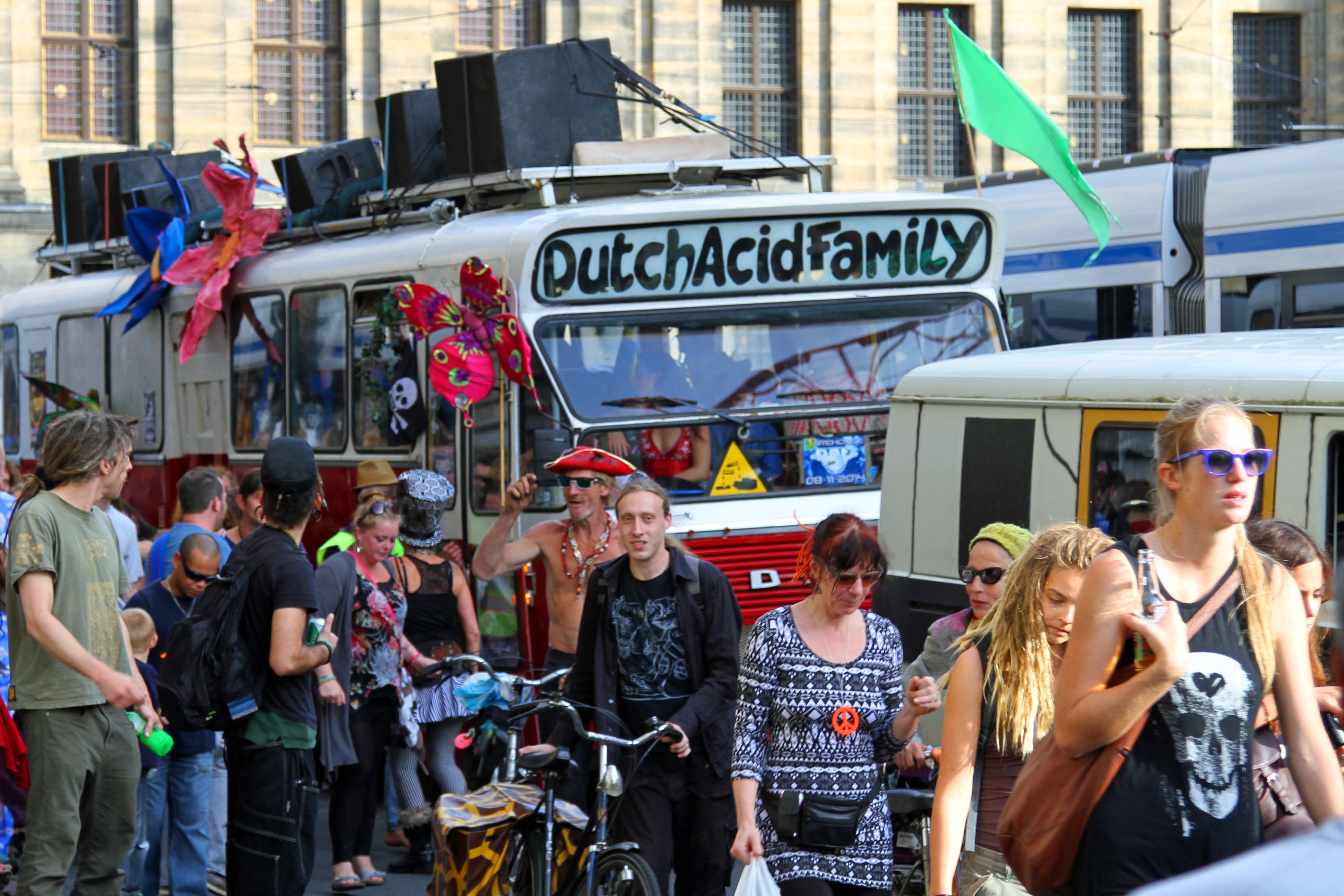
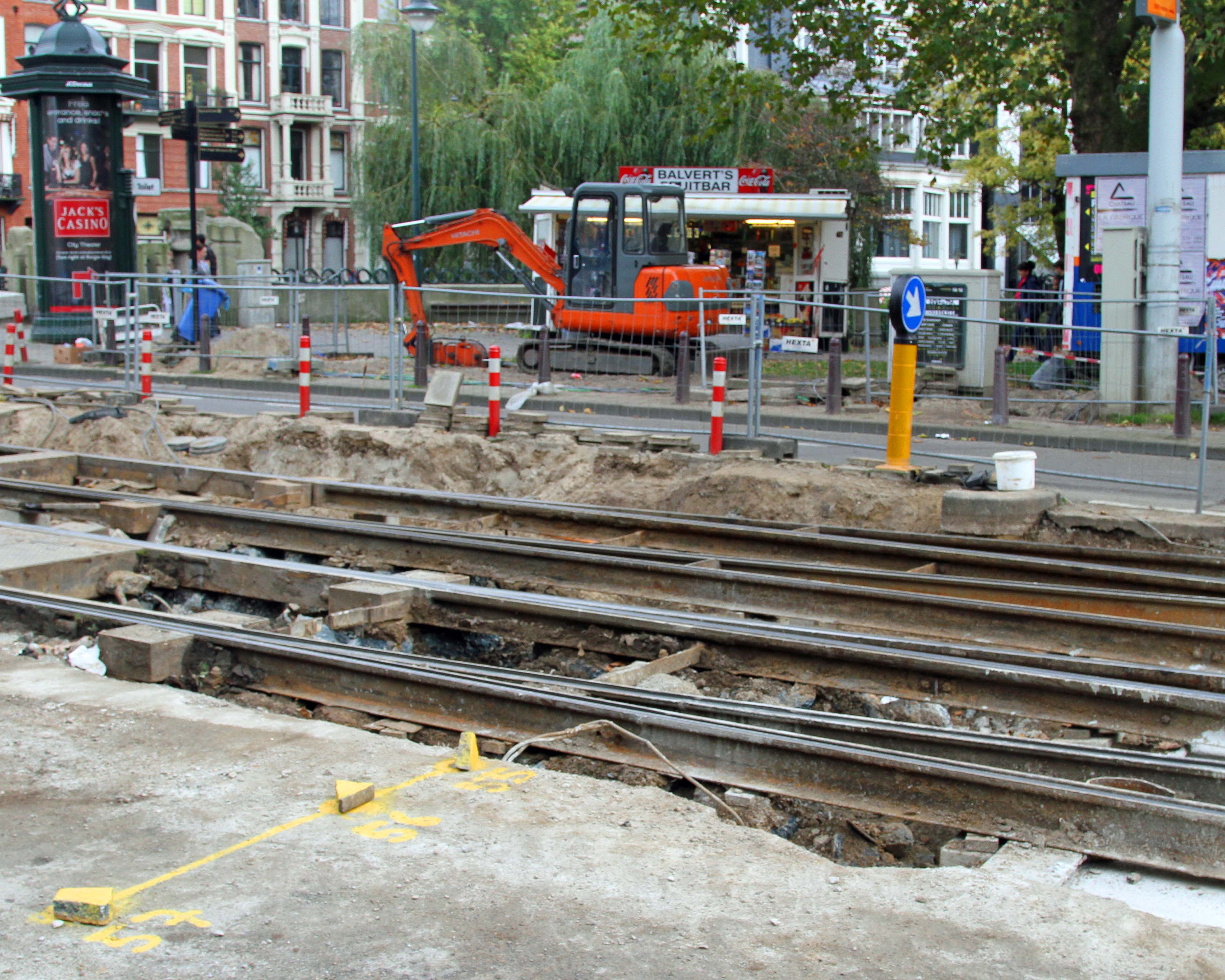
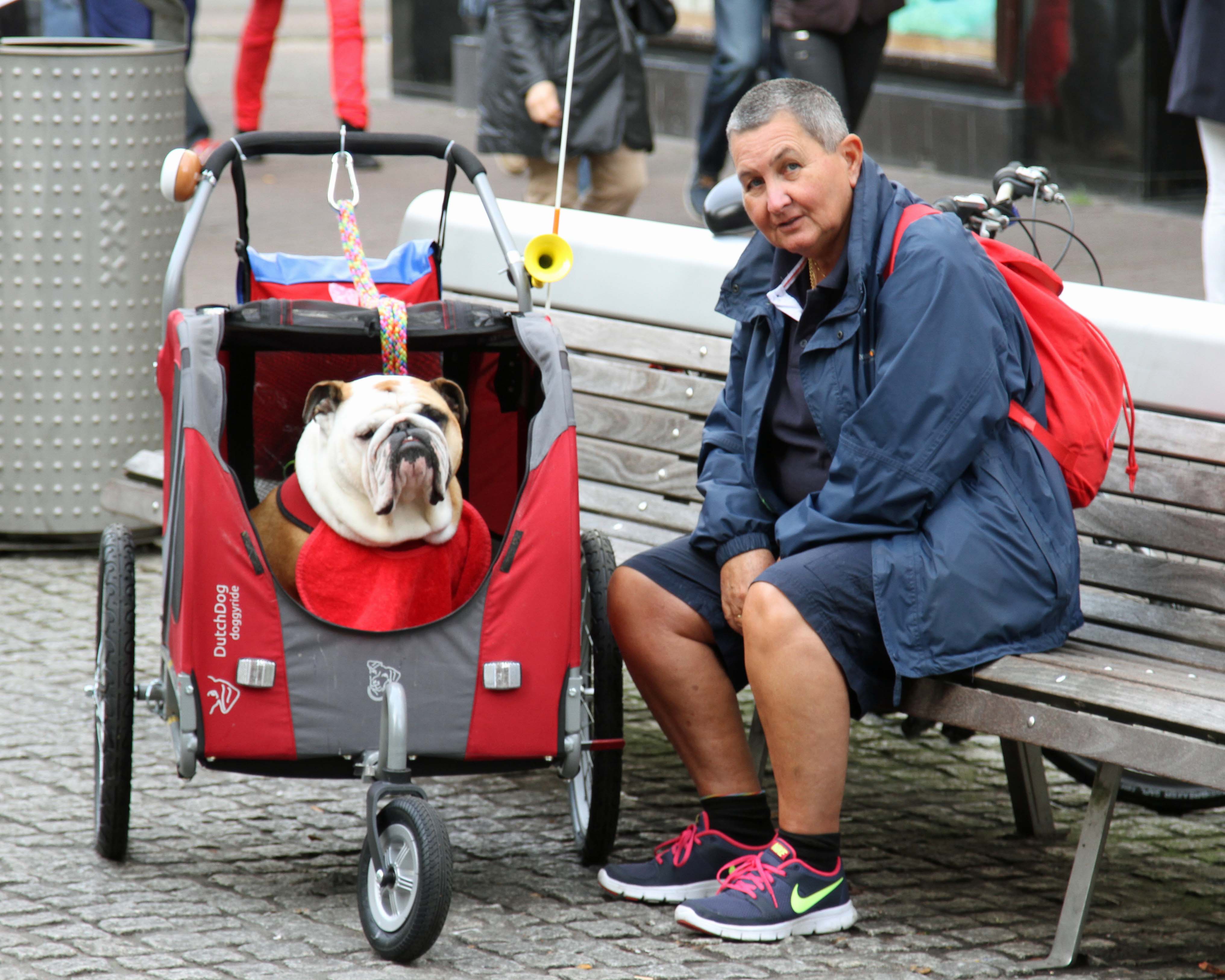
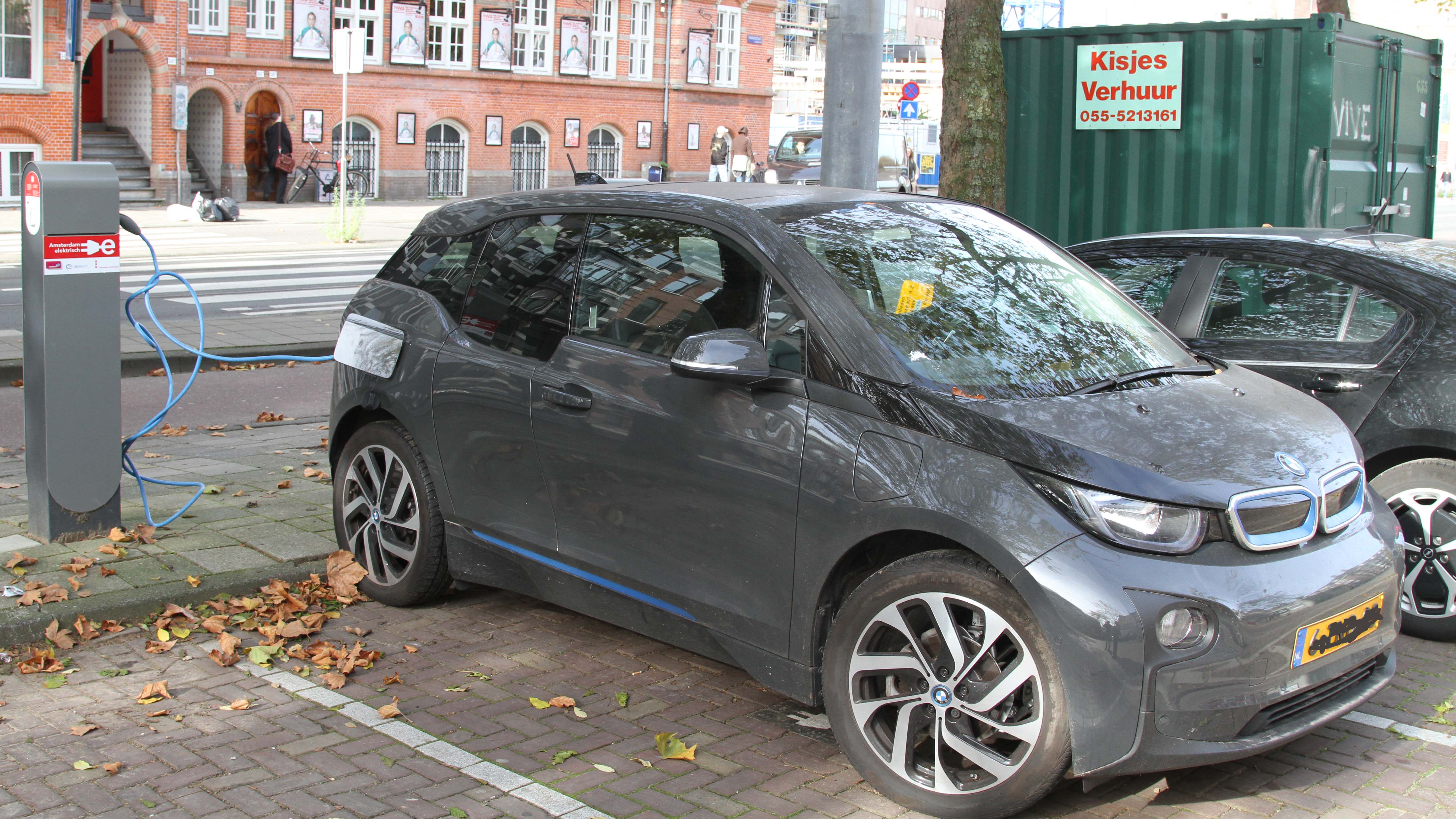
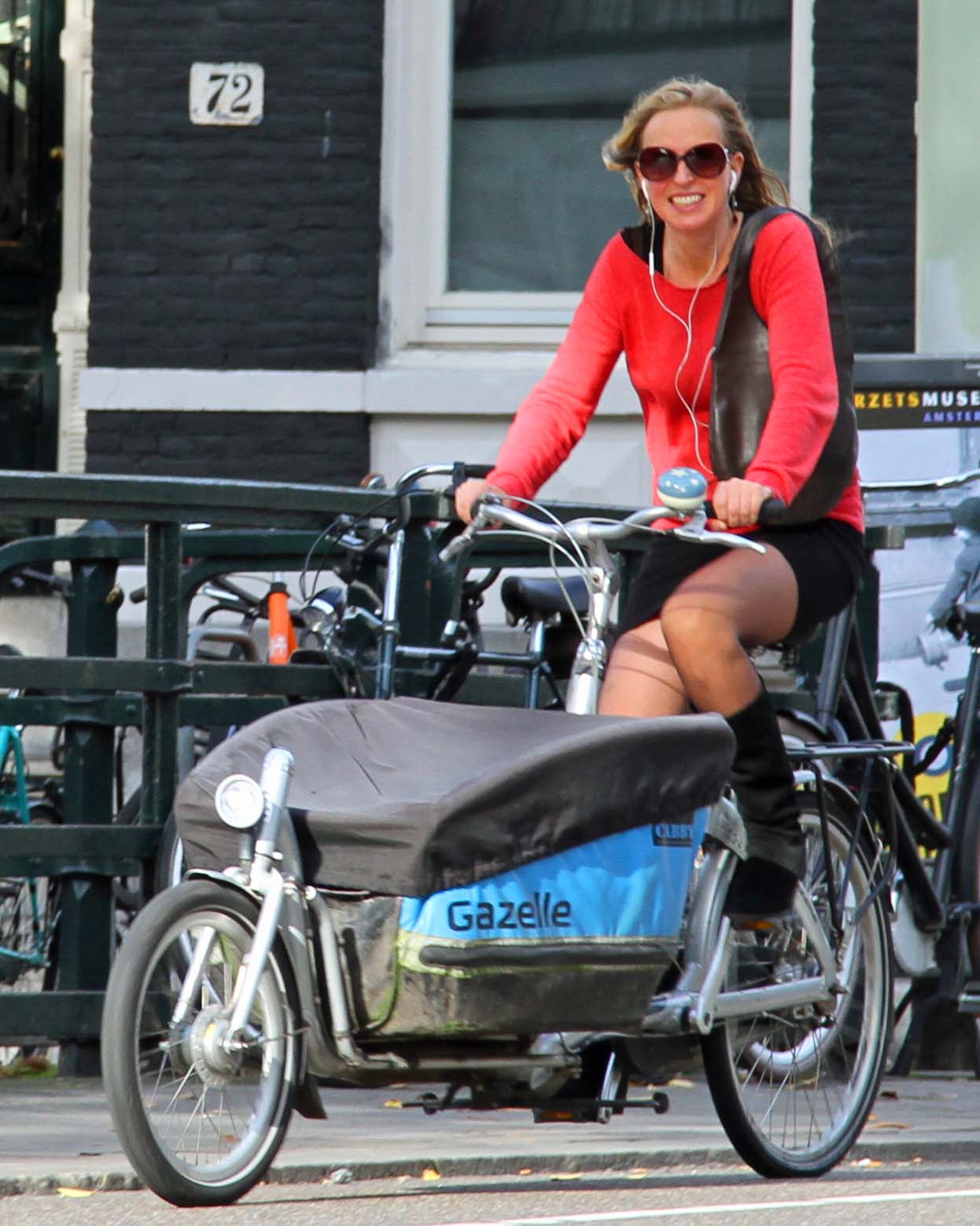
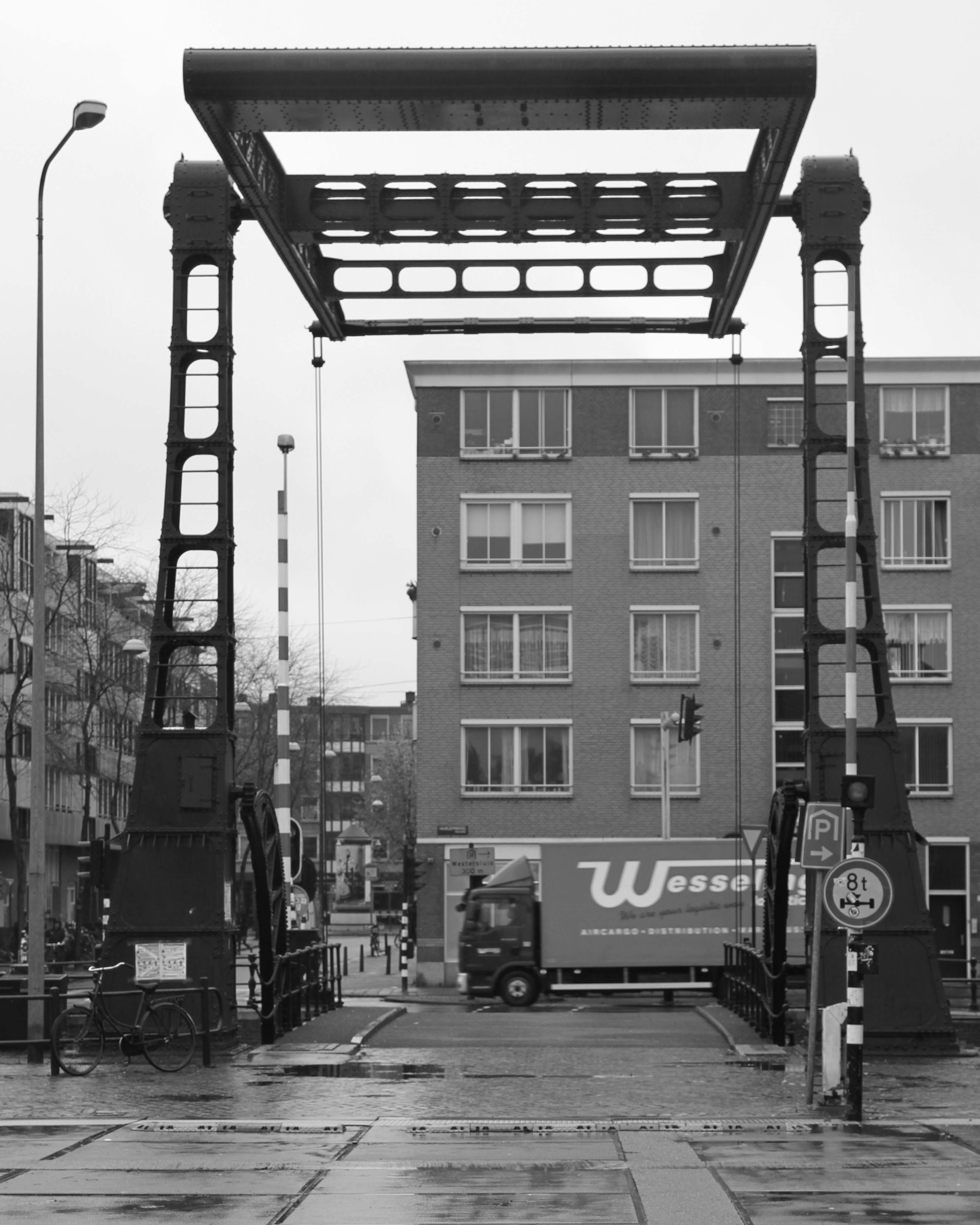
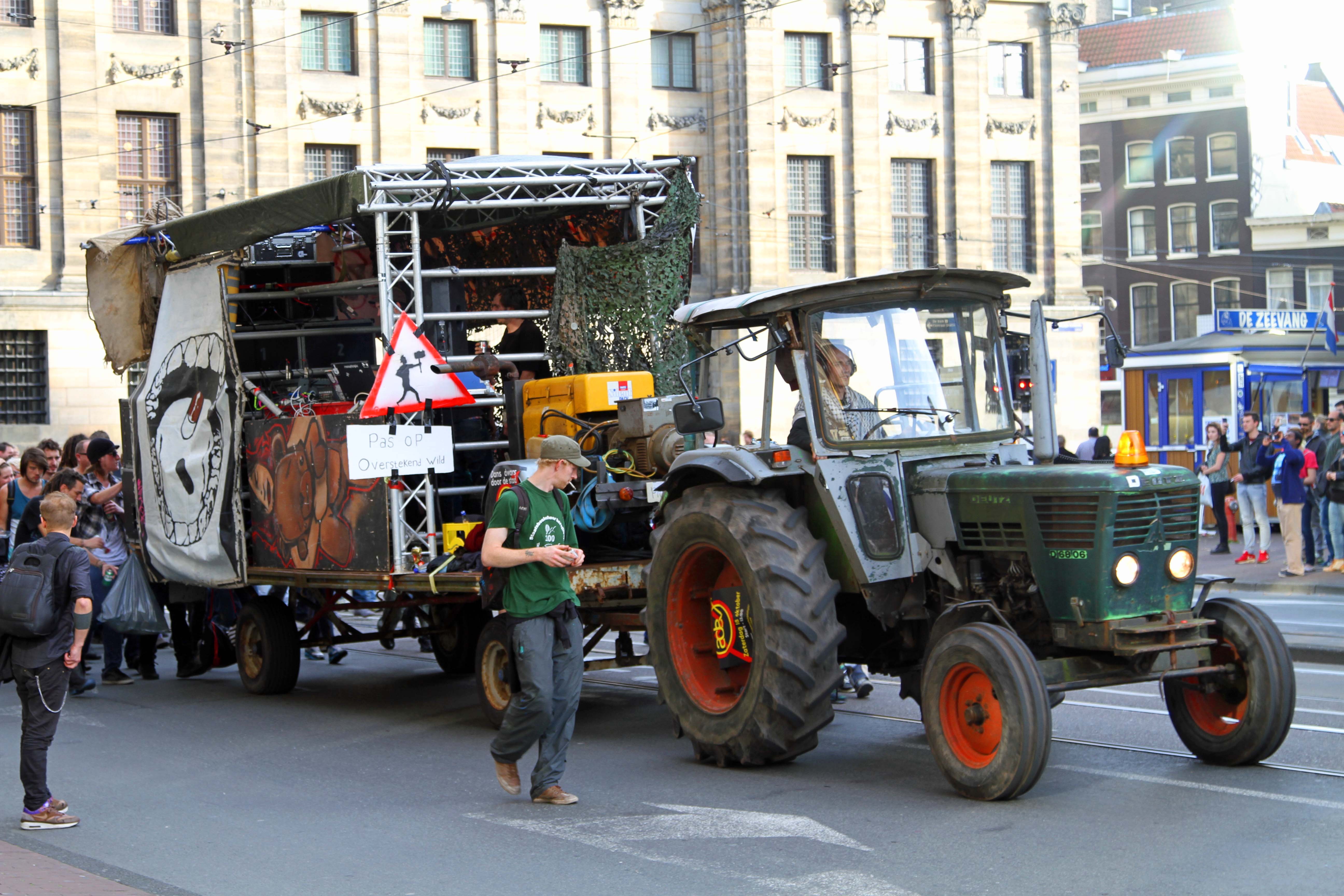
I was in Amsterdam for the day job earlier this week and, because I had very little time to myself, I challenged my husband (who was along for the ride!) to capture the spirit of Amsterdam in fifty photographs, so that I might be able to feel as if I’d been sightseeing. I so enjoyed what he produced that I’ve decided to have a picture post with all fifty, so that you also may visit A’dam. As a beekeeper, he was delighted to find an apiary in a most original location; perhaps you can spot the hives, too.
All text and photographs on this website © Christina James






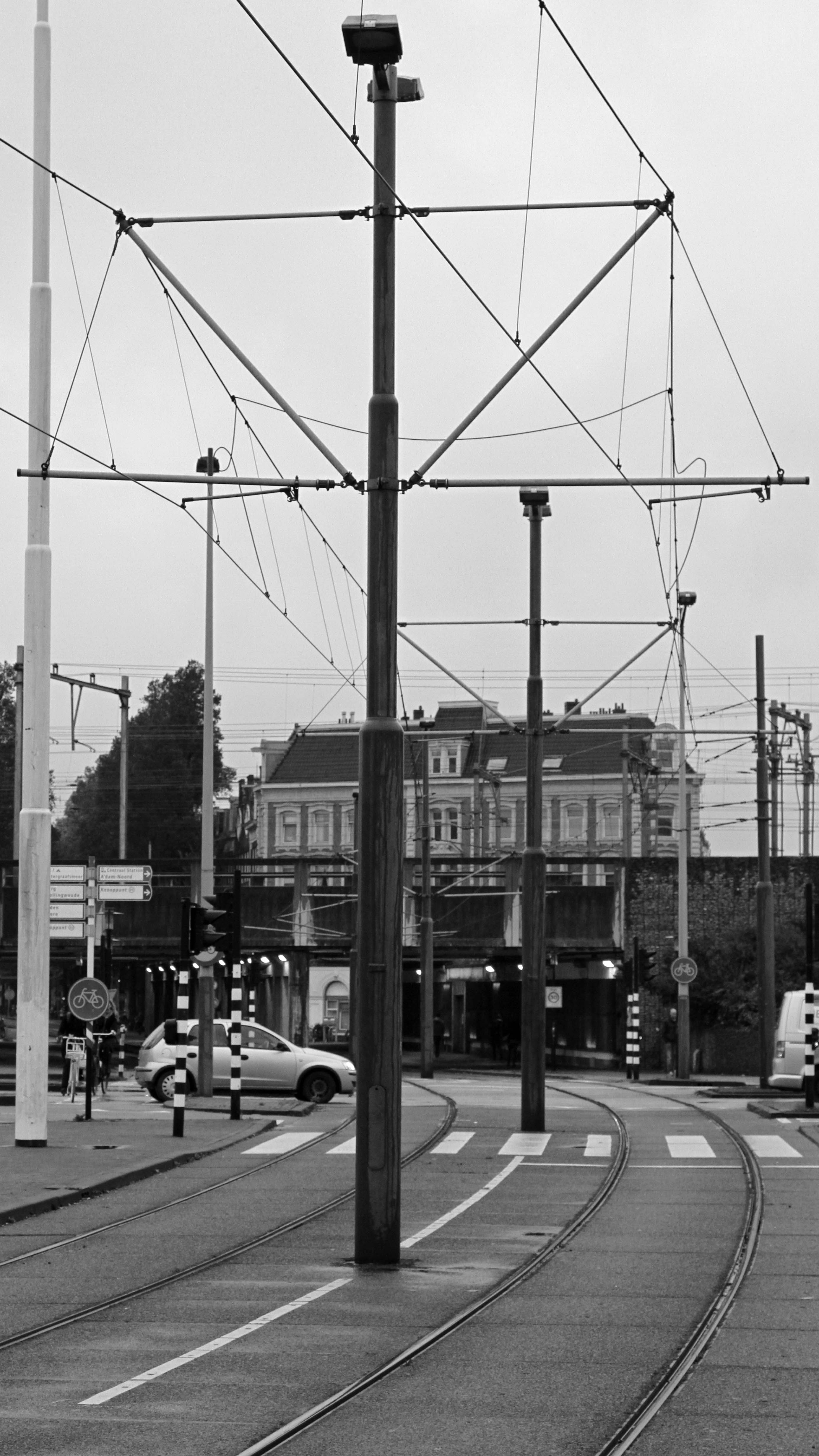
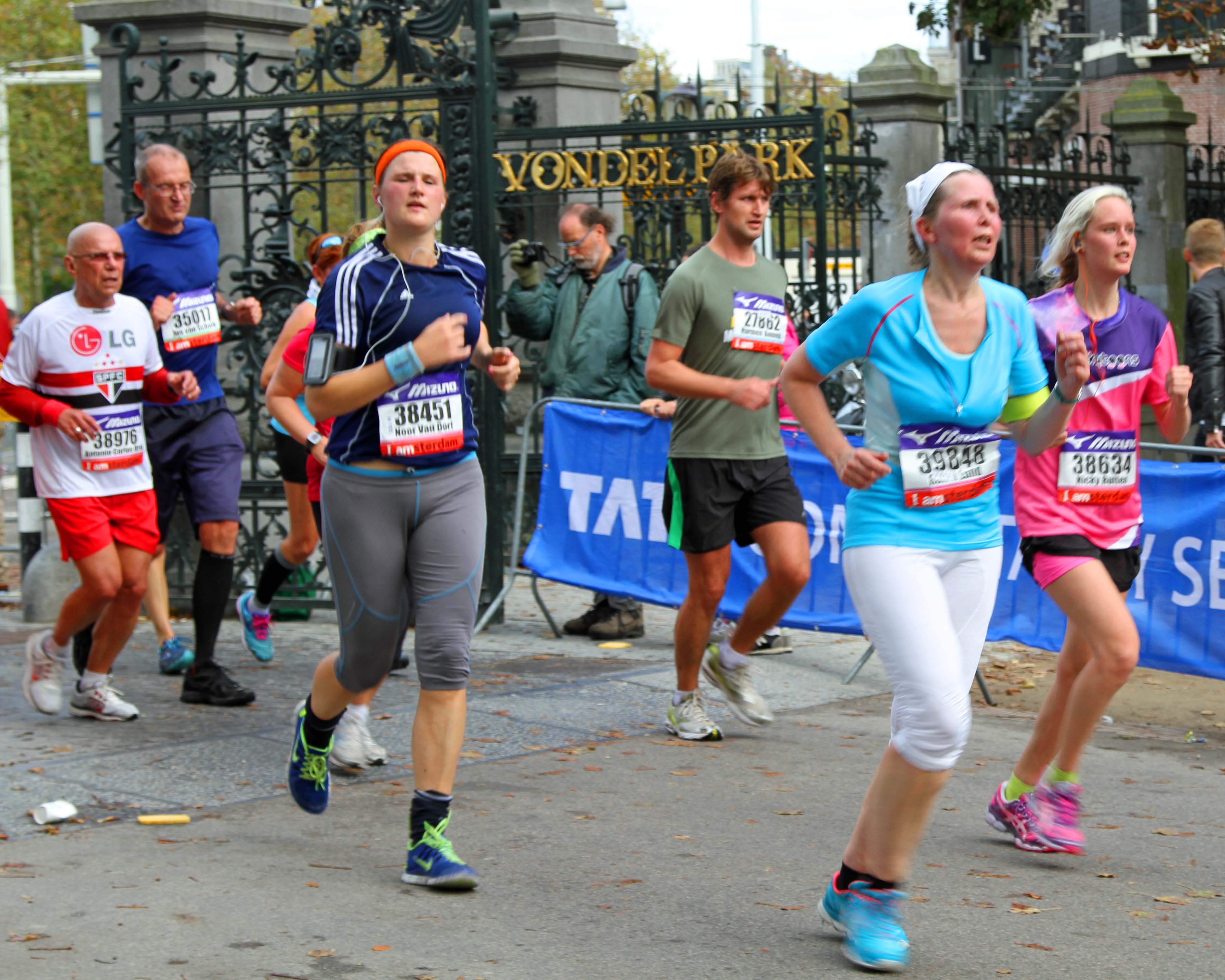

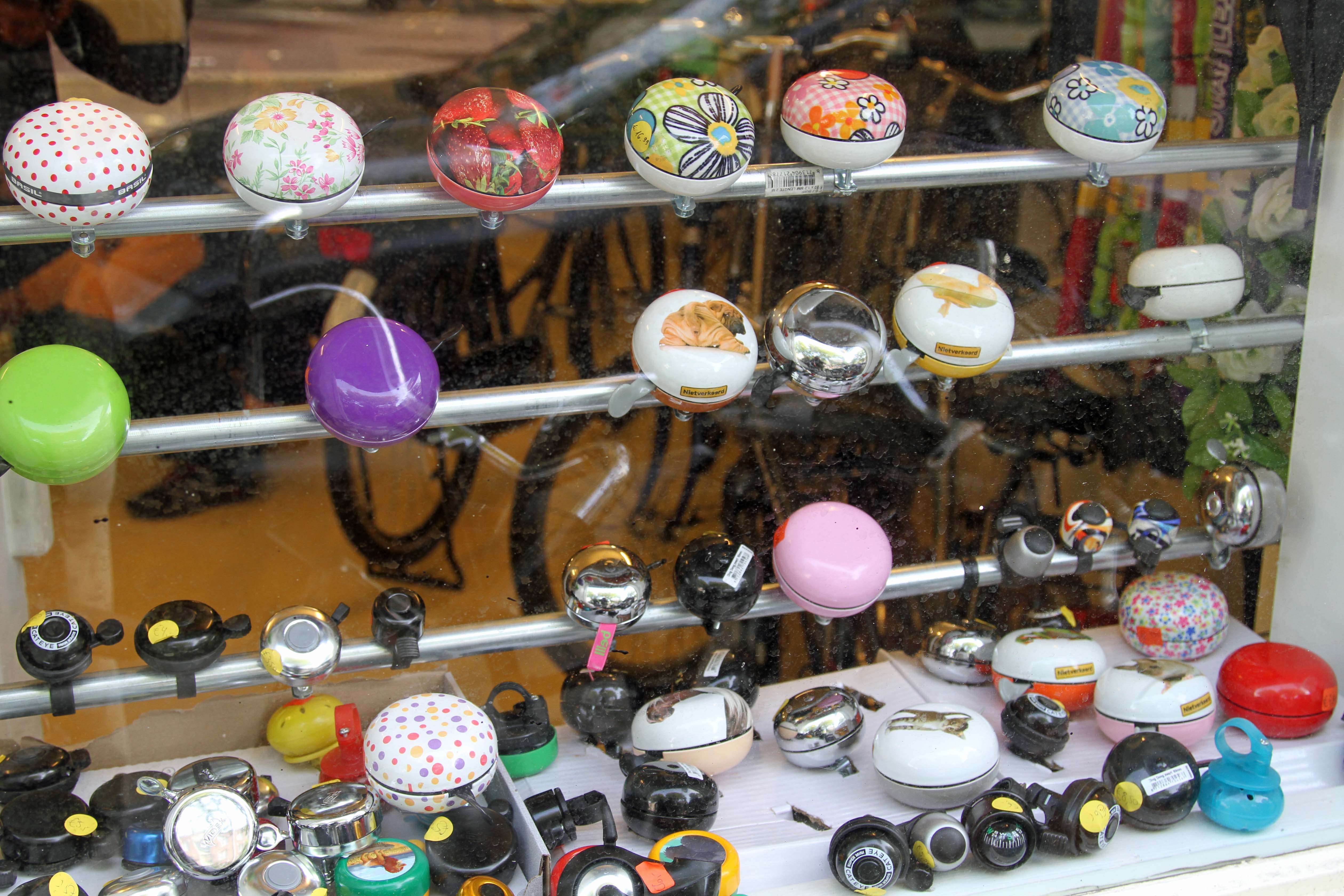


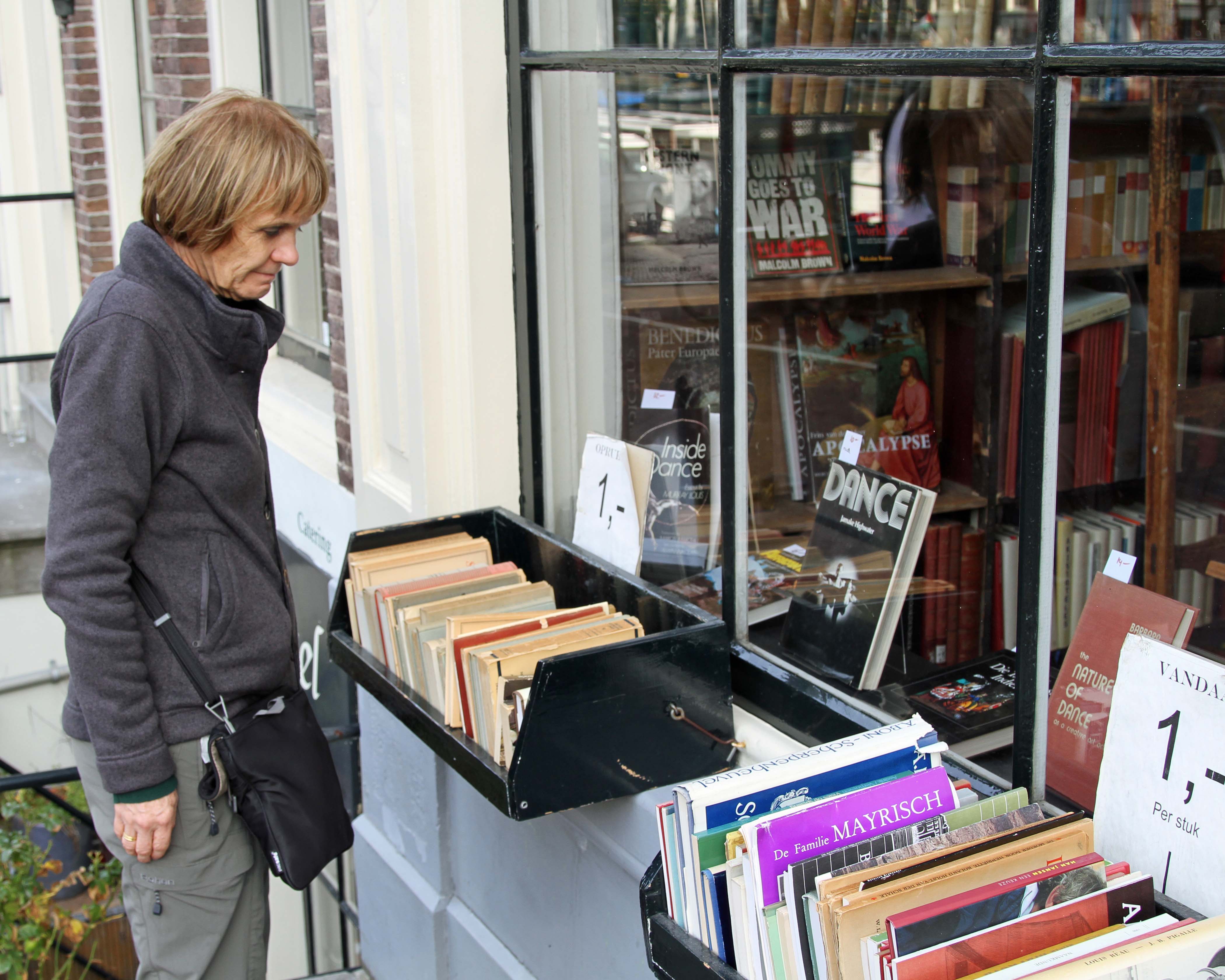










A fortnight in Provence…
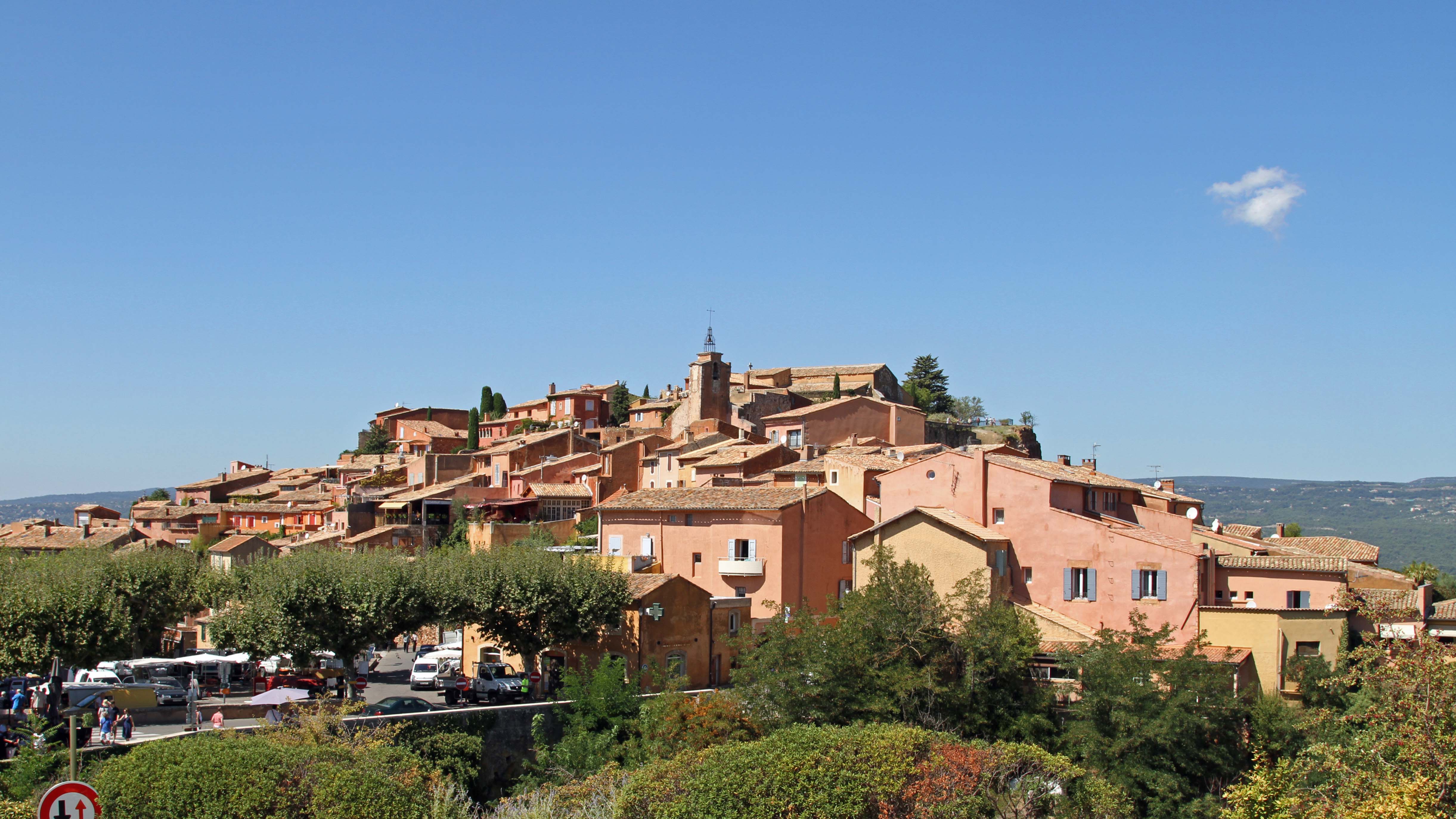
The ochre-coloured village of Roussillon
I think it was Barbara Pym who said that the trouble with keeping a diary is that half the time you have nothing to say and the other half you are so busy doing something demanding that there’s no time to write. The same goes for blog posts. There are several things that I’ve been meaning to write about for weeks and still not got round to. However, today I’ve (almost) caught up with the day job and it’s raining outside. Winter’s coming and the engineer has just been to service the boiler, which means the house is feeling cosy. A perfect blog-post-writing situation!
My husband and I are Francophiles and veterans of many holidays in France (our favourite remains the two weeks we spent at a camp-site at Argentière while we explored the French Alps on foot. We were young and very poor and the camp-site was accommodatingly cheap; it had two shaft toilets, two showers and no hot water. We lived on Vesta curries and tinned beans. But the walks – and the views – were amazing!). We’ve been to most of the départements in France, but until this year we’d never visited Provence – partly, I must admit, because after the publication of A Year in Provence and its sequels we had assumed it would be a tourist trap. This year, we took our holiday later and, knowing that it would coincide with la rentrée, we made the plunge and booked a gîte at L’Isle-sur-la-Sorgue, a pretty town that lies just outside the area made famous by the Peter Mayle books.

L’Isle-sur-la-Sorgue
It’s known for the huge market that takes it over on Sundays and its elaborate Sorgue waterway system, operated by a series of waterwheels and sluices, that irrigates the surrounding countryside. The tourist season was not completely finished, but we saw only a few Belgians, Dutch and Germans taking late holidays and almost no Britons. The town itself remains unspoilt by outlandish tourist attractions.
The same could be said for the region beyond it. There are some interesting places to visit, including: La Fontaine de Vaucluse, the source of the beautiful Sorgue (its depth remains uncertain, though numerous attempts, including one by Jacques Cousteau, have tried to plumb it) – Petrarch rather liked it here;

La Fontaine de Vaucluse
the ochre rocks of Roussillon, in the Parc Naturel Régional du Luberon, that (allegedly) supplied the pigment for Van Gogh’s sunflowers;

Ochre cliffs of Roussillon
a working lavender factory. Yet none of these sets out to exploit tourists in a hard-nosed kind of way. Of them all, I liked the lavender factory the best. It has a small shop attached, set in hectares of its own rolling lavender fields. The first thing that struck me about the lavender was how tall it grows there, accustomed as I am to the more compact, domesticated-looking variety found in Norfolk.

A load of lavender
The people who own the Provenςal factory also manage the shop and arrange short tours of the essential oil distillation process. They have constructed working models that demonstrate how the lavender essence is extracted from the flowers and they’re able to show some compelling footage of people in peasant dress working in the lavender fields before the Second World War, cutting rapidly with lethal-looking scythes and machetes. Apparently accidents were frequent – they worked so fast that they often injured themselves – but their mantra was ‘that which has caused the pain provides the cure’ – or so the commentator maintained. My guess is that they whipped something a little more colourful from their vocabulary when arms or legs were spurting blood, but the point being made was that lavender is a powerful antiseptic.
Lavender also has many other medicinal properties. I was fascinated to learn that it comes in three grades: lavender officinalis, the top grade, which is the one used for medicinal purposes; lavende aspic, a kind of middle grade which is mainly used as an essential oil in perfumes and amphorae;

Essential oils
and lavendin, made from a hybrid of two varieties of lavender with the consequence that it is actually sterile (so of no use to bees!). Lavendin is used as a herb and dried to fill scented sachets and such things as padded coat-hangers. Apparently, it has some medicinal uses, but you have to know what they are: it can aggravate burns, for example.
We’d taken the tour (and been distracted from the guide’s words by seeing a praying mantis clinging to a water bottle in the workshop), made a few purchases and returned to our car when I realised that I’d bought only lavende aspic. I returned to the shop to purchase some lavende officinalis, and found it was deserted. I conducted a small reconnoitre and discovered the two assistants outside in the yard, both gasping away on their fags. Very French! And even more Peter Mayle!!
A brief visit to Ann Arbor

As readers of this blog may know from Twitter, two weeks ago I made a brief (day job) visit to Ann Arbor. It is a university town, home of the University of Michigan and adjacent to, but by no means overshadowed by, the great industrial city of Detroit. Aside from passing twice through the airport (seventies in style; seen better days), I saw nothing of Detroit itself.
I spent only a few leisure hours in downtown Ann Arbor, as I was working for the rest of my very short stay. However, I was fortunate enough to visit its compact and pretty centre on an unseasonably warm, summery day. Brilliant sunshine bathed Main Street in heat and light; the pavement cafes were doing a brisk trade; the local populace sauntered up and down the sidewalks, bare-legged and dressed in T-shirts, most of them in happy and expansive mood.

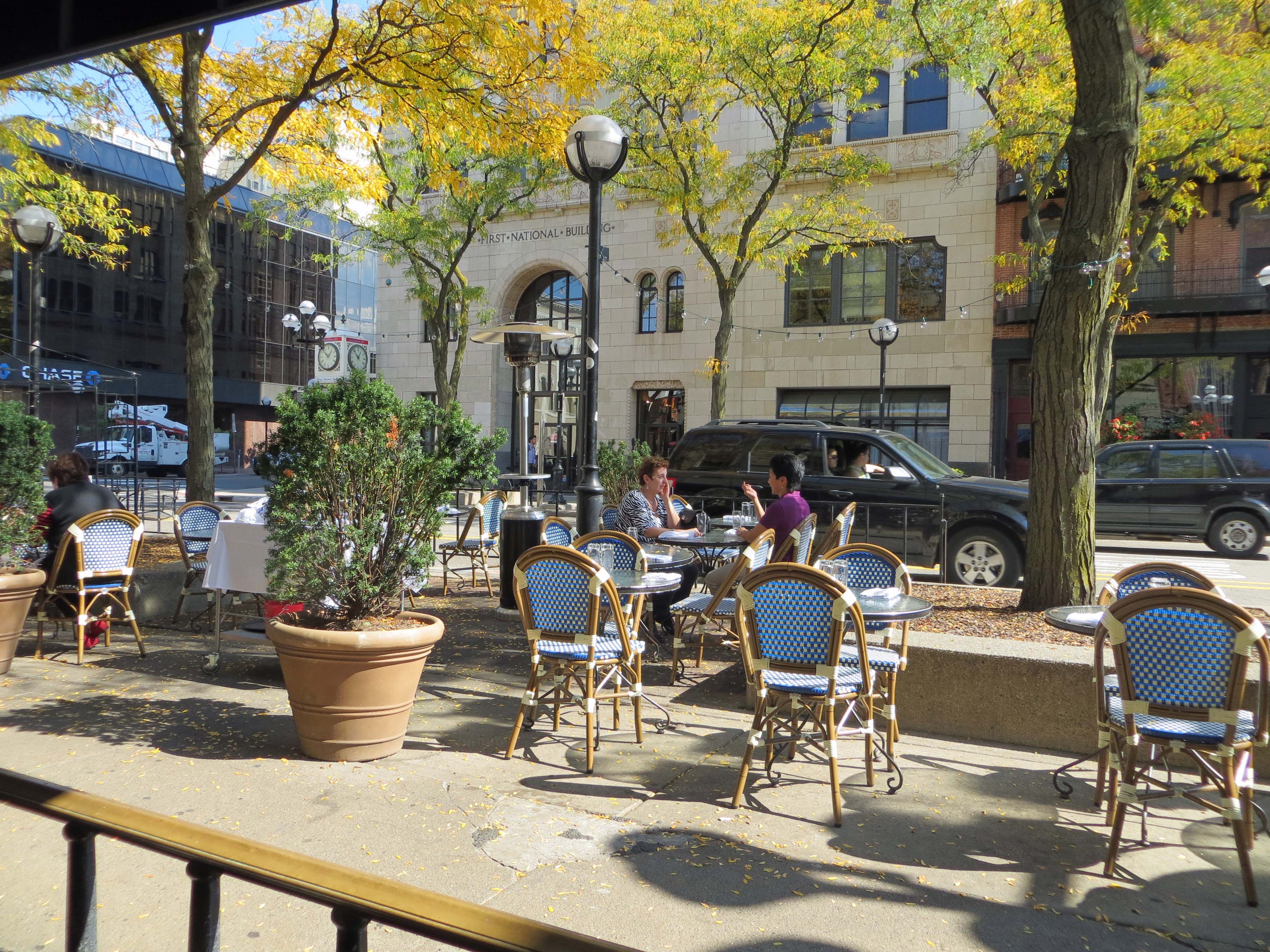
Talking to a few locals (a taxi-driver, the concierge at my hotel), I discovered that the people of Ann Arbor are particularly proud of its trees, which are at their most glorious in early autumn. By the standards of distance that pertain in the USA, Ann Arbor is not far from Canada, and its ‘fall’, I imagine, has similar characteristics to its neighbour’s. In early October, the trees sport every hue from palest lemon-yellow to deepest russet and ruby-red. This may sound just like our own English trees in the autumn, but there are two spectacular differences: in the first place, the colours in Michigan are often more vivid; in the second place, the trees ‘turn’ in a very uneven way. Thus you might find half of the same tree still sporting leaves of glossy green, the other half already turned a fiery red. My hosts told me that the trees sometimes remain like this until the end of November, before they become completely red or brown and shed their leaves at last.

The trees made an enormous impression, but I was also delighted with Ann Arbor itself. The staff in the cafés, restaurants and shops, many of which were French in style, were friendly without being over the top, business-like without compromising good service. I particularly liked the Café Felix, where I enjoyed a light salad lunch, and Cherry Republic, the wonderful shop a little further down the street which sold everything that could conceivably be made of cherries and was very proud of the quality of its goods (the saleslady asked for my name and address in case I wanted to return any of my purchases: I told her that I’d have a long journey bringing them back!).

Cherry Republic
It also sold maple syrup – Michigan maple syrup, I was exhorted to note, not the Canadian stuff.

Also intriguing were the squirrels. In this part of the world they are not grey, but either black or red, or red-and-black. Here’s a picture of one that caught my eye.

In case you’re wondering about the name ‘Ann Arbor’, the town was founded in the first half of the nineteenth century by two men whose wives were both named Ann. According to legend, they therefore decided to call the town after both of them. ‘Arbor’ is self-explanatory: perhaps they intended it to be a place of rest and contentment; it may or may not have referred to a particular arbor under which the women sat.
I’m hoping to return to Ann Arbor in December, when perhaps I’ll see some snow. I’ll keep you posted!
Flirting with the M5 – in love with your hard shoulder… Feel my soft verges…

Summit tunnel, Smethwick, Birmingham Canal Navigations
Head northwest out of Birmingham City Centre towards Wolverhampton along Thomas Telford’s ‘new’ main line, a canal designed to replace James Brindley’s wandering minstrel of a waterway (he was a man who followed contours) with an uncompromisingly direct route to Tipton, and you are, before too long, faced with the choice of old or new. We once came from Wolverhampton on Telford’s route, which may have resolved the needs of the working boat traffic of his day in reducing distance by a third, overcoming dreadful congestion at locks and replacing worn-out towpaths, but the experience did nothing for me as a 21st century tourist boater looking for interest; the straight miles of tedious and unrewarding scrubland were about as delightful as a purposeful motorway drive compared to a romantic dalliance with a B road. I of course admit that each serves its turn, according to need. Chacun à son goût! Telford’s dramatic cutting through the Smethwick Summit, with the magnificent Galton Bridge bestriding it, is an astonishing engineering achievement which one can admire, and we did, that time, but this year we had no difficulty in pursuing our favourite right turn in celebration of Brindley along the ‘old’ main line.
Now you will have deduced that I am an incurably poetic soul, who hankers after historical roses, but, if that is the case, you’ve jumped right… to the wrong conclusion. The thing about this old Brindley canal is that it has become touched with modern magic, in the form of juicy juxtapositions of modes of transport (and other things), and I hope from our photographs that you will see what I mean.
Turning right at Smethwick Junction provided us with some welcome diversion from quite a long horizontal journey (from the King’s Norton Junction south of Birmingham) in the form of the three locks which take the boater up to a stretch of canal that is, for me, just wonderful. I don’t expect everyone to share my taste.
Passing the Grade II listed pumping house between the two main lines at Brasshouse Lane bridge (If you get the chance to go inside, you’ll find, as I did, a Victorian marvel of a machine on different levels, one of the original two which were capable of lifting 200 locks of water a day; it replaced the earlier pumping houses on the ‘Engine Arm’ of the canal.), the old line leads under the Summit Tunnel. Though it all seems very rural just here, the thundering traffic of an A road dual carriageway passes unseen over this concrete underpass! There’s your first juxtaposition!

Yes, here we are in rural Birmingham.
A heron, cranking itself from the towpath and lifting itself high into the air above us, is proof of the richness of canals, supporting wildlife as they do here, in the most unpromising terrain of urban and industrial Birmingham.

Flight of the heron
And now we meet the majestic (Yes, I mean it!) M5, a contrast to this beautiful canal (Yes, I certainly mean it!), with a pleasant moment of inconsistency as four kayakers pass by. The skyline, too, has a splendid coherence here.
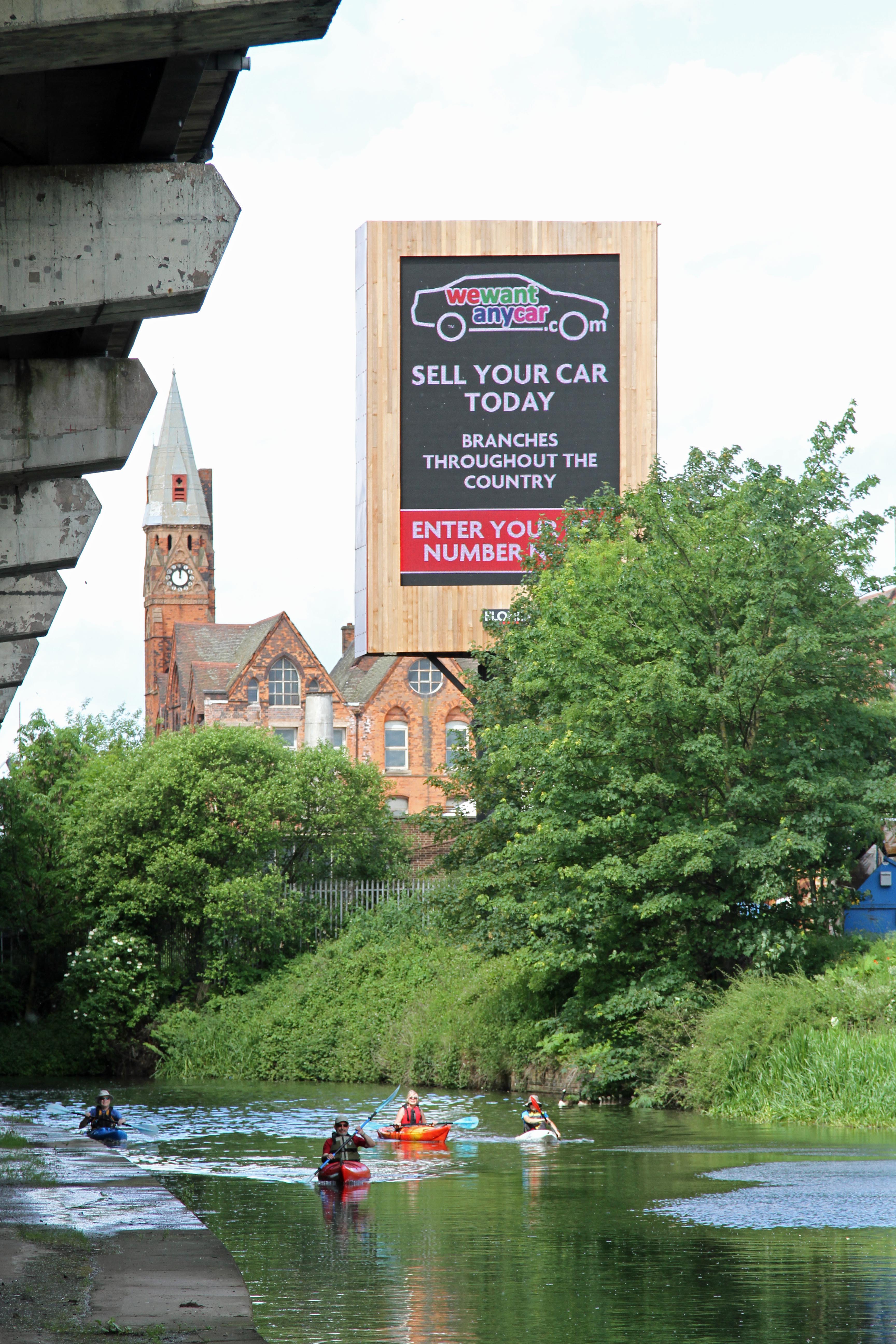
M5 cantilever and kayaks
Up above, the juggernauts carry their loads in a roar, but we can barely hear them as our boat quietly transports us into a dream.

Here we come; there they go, through the M5 portico!
Wild life flourishes and Smethwick adds to the population of Canada geese, we note, as this crèche bobs by.
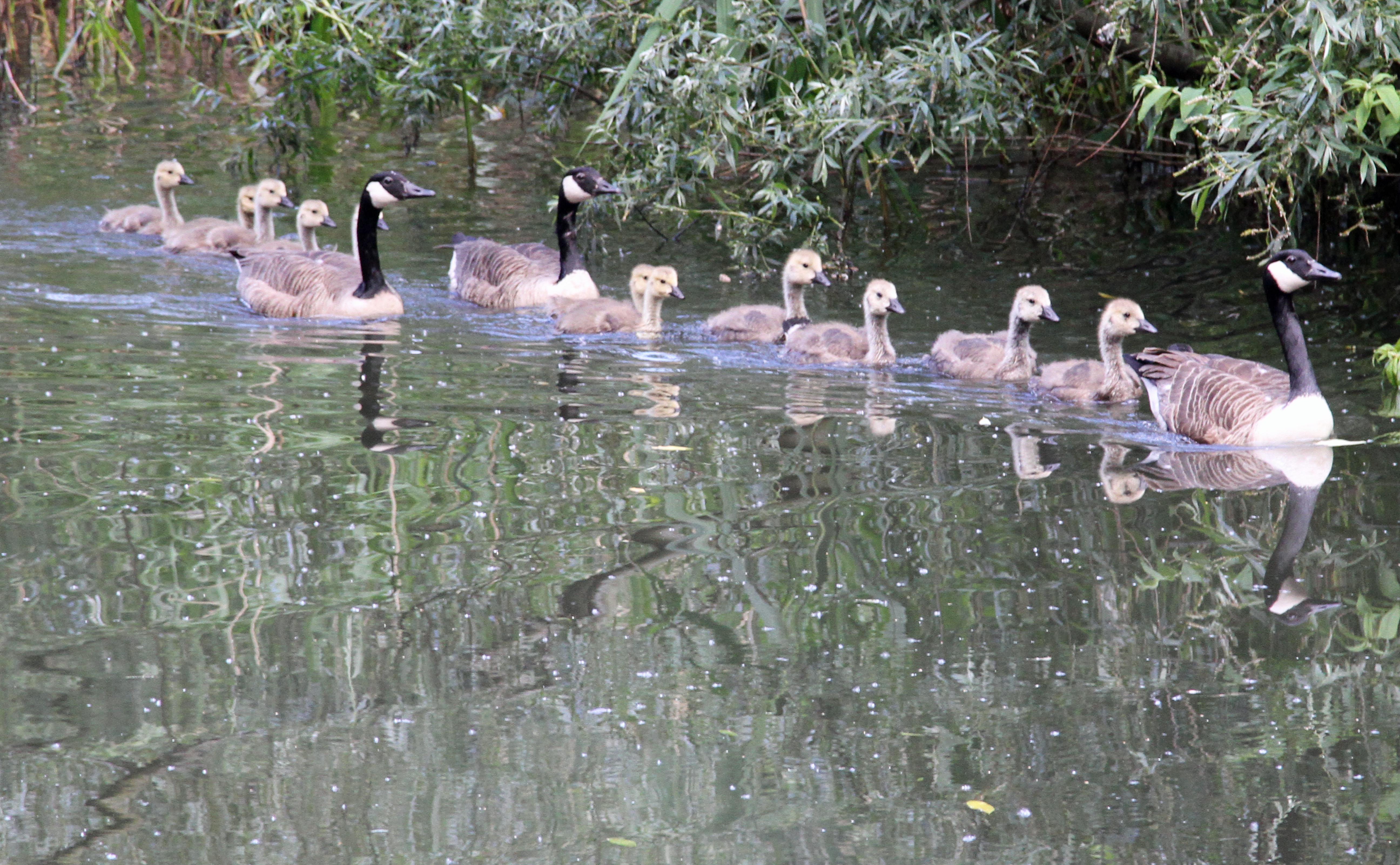
Canada goose creche
Straight lines and verticals abound in this motorway underworld, but our waterway winds deliciously, refusing to comply, and we wander willingly with it, from side to side.

And under we go again.
I think that Brindley would have delighted in this, a towering sandwich of route ways. I should love to be able to show him and watch his reaction!
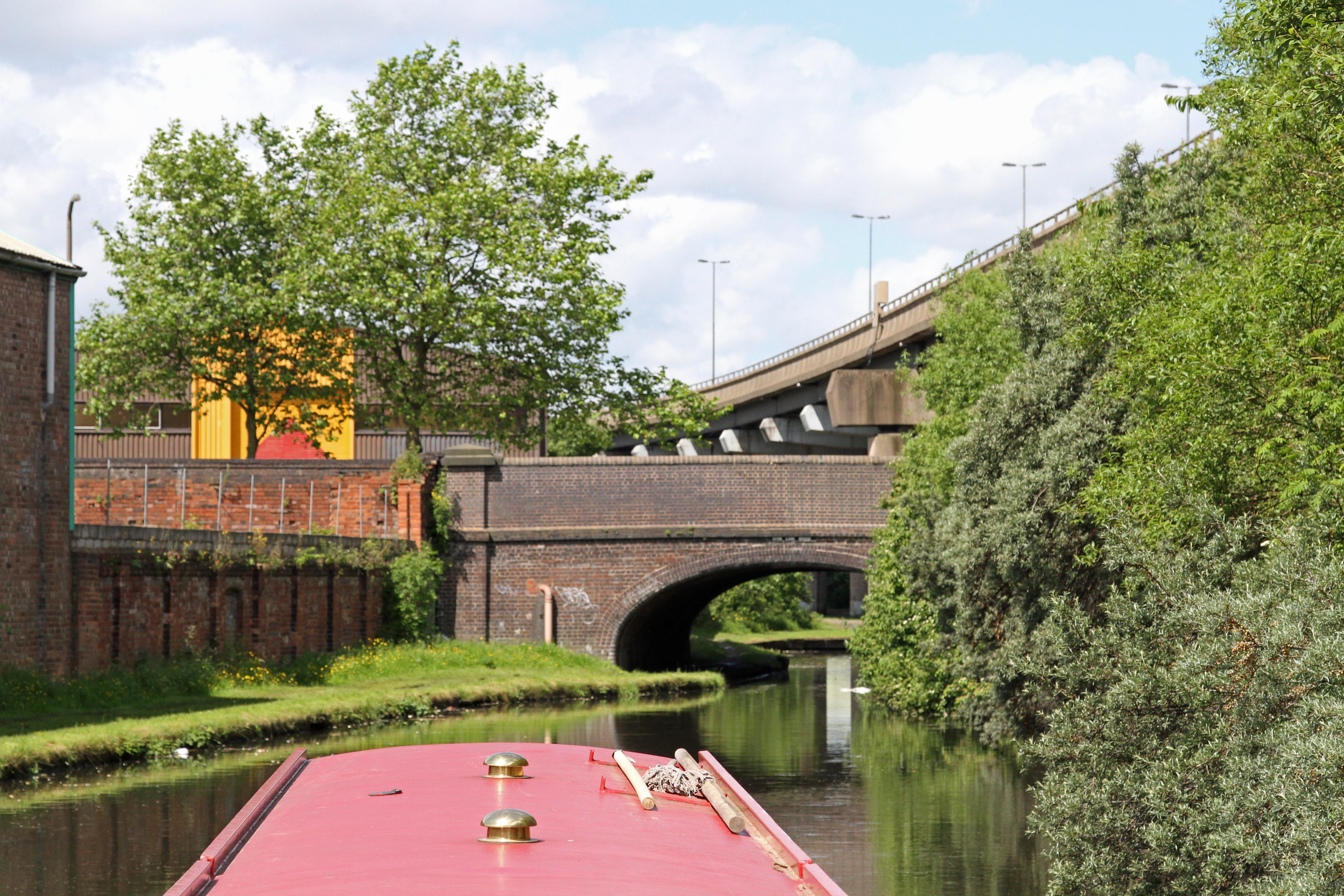
Triple decker – canal, road, motorway.
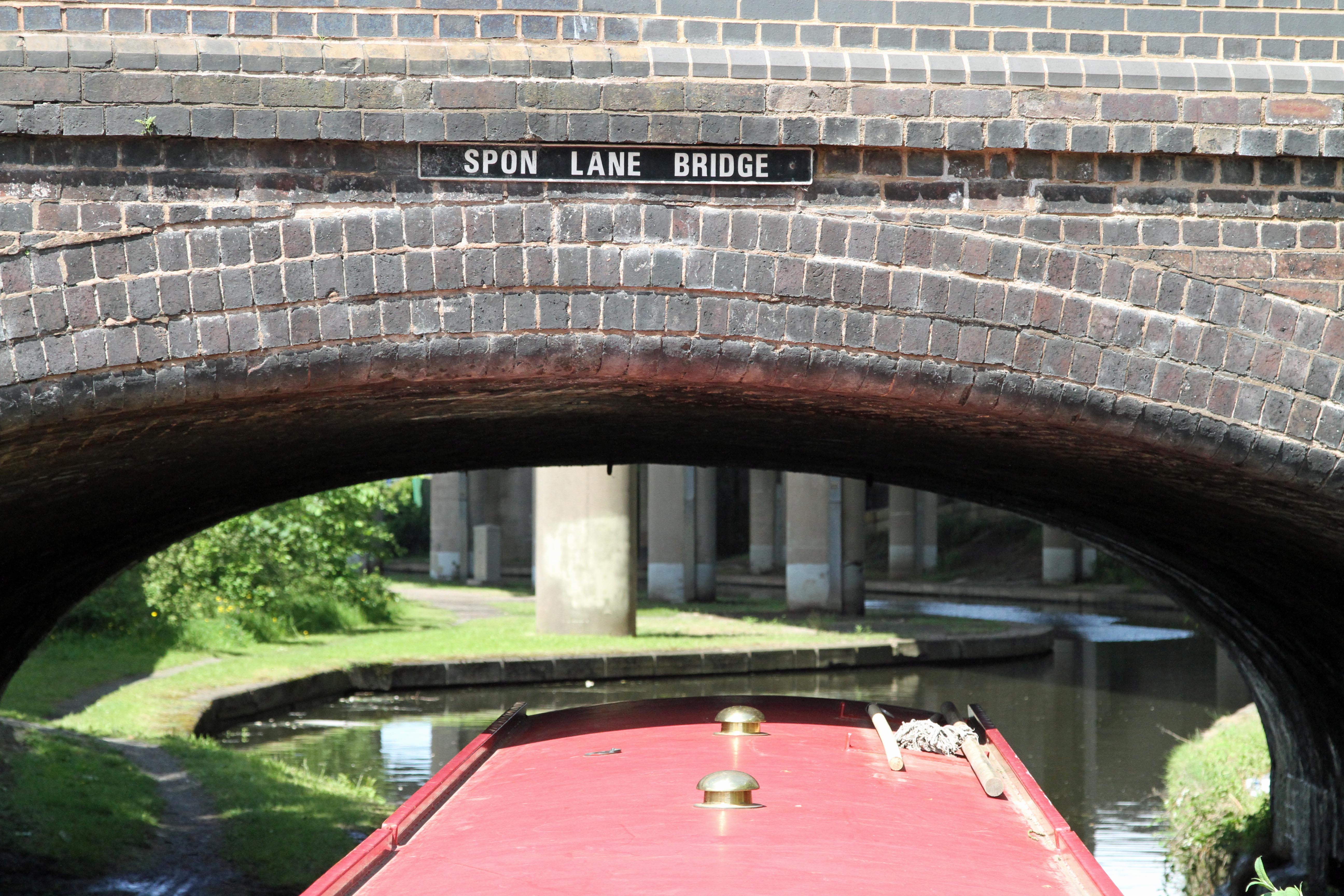
Spon Lane Bridge
These colonnades may be formed from steel and concrete, but there is peace here for those of a contemplative frame of mind; the numbing noise of the carriageway above seems far away.

Cloister
We’ve come up through Spon Lane locks before and marvelled at the contrast between the new and old main lines; we’re not at all tempted to lock down this flight of three, as we know how much more there is to see along this refurbished section of Brindley’s canal.
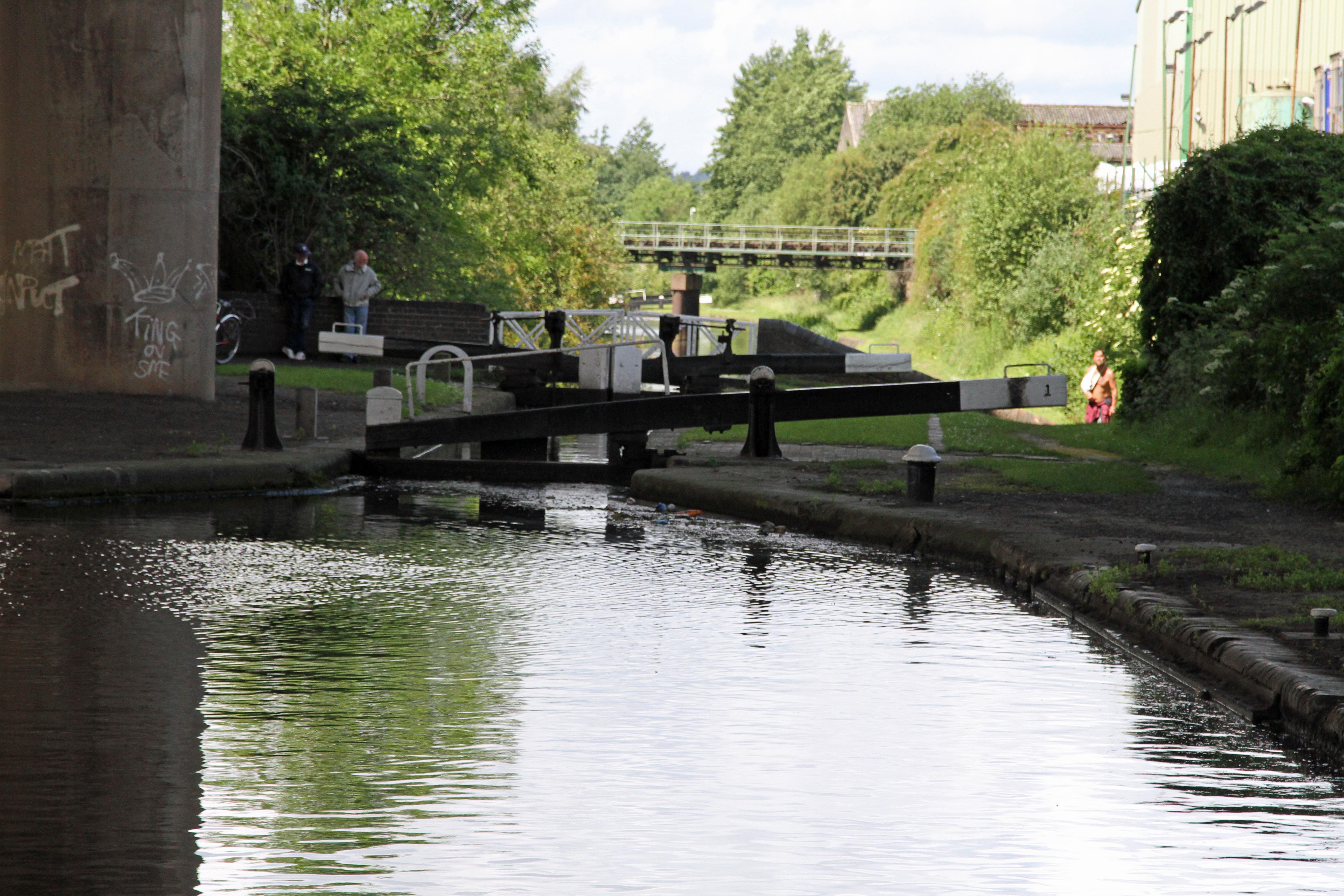
Spon Lane Locks: chance to rejoin the new main line. No thanks!
Three locks back at Smethwick Junction gave us this much height above Telford’s cut.
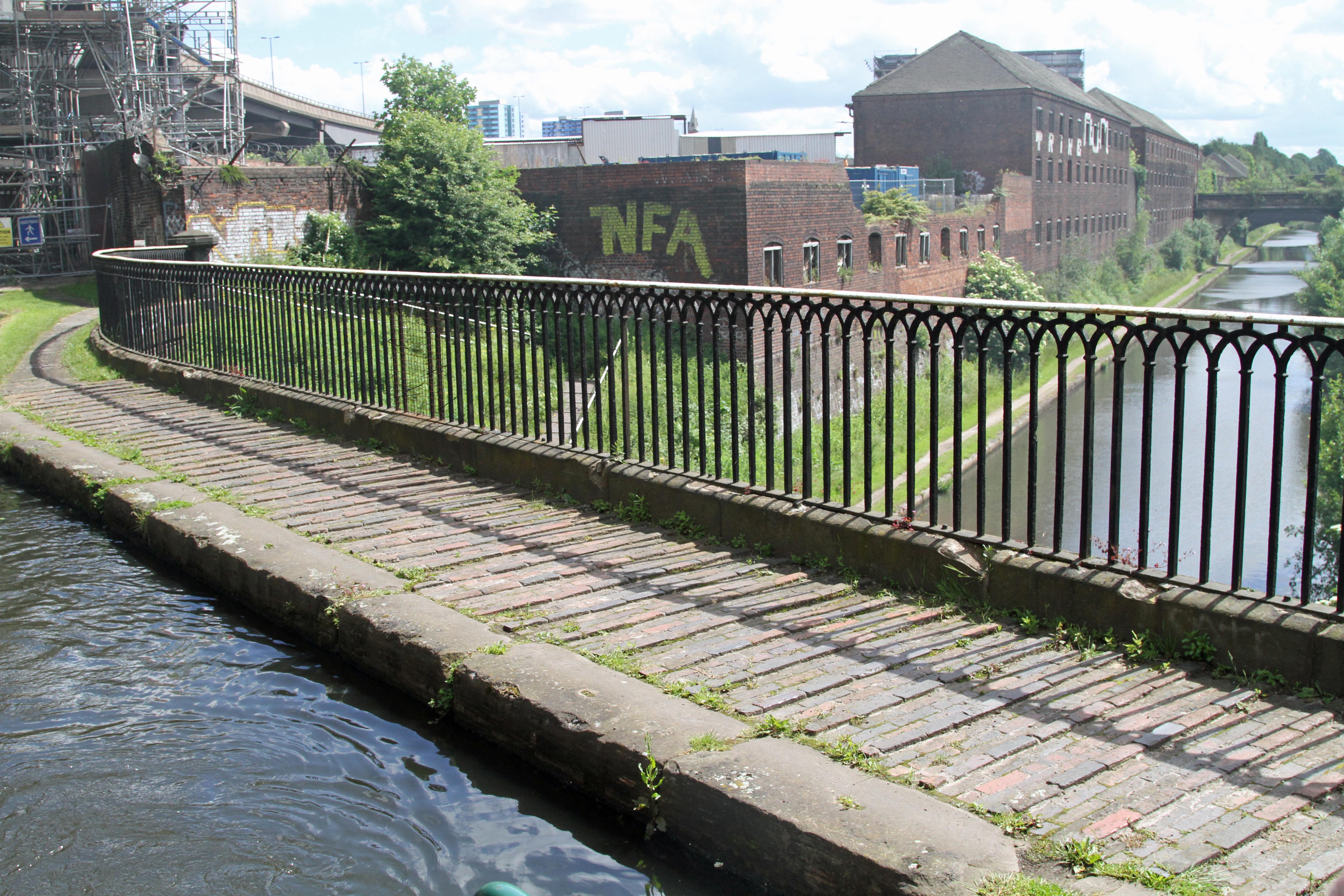
Stewart aqueduct: Below, the new main line heads for Galton Bridge.
I’m rather sorry that it’s impossible to get all four levels of transport into one photograph from the vantage point of a narrowboat just here… and three must do.

Four levels of transport: New main line below, old main line, Birmingham-Wolverhampton railway, M5!
For those of us who prefer the language of a bygone age of transport! Train station? Hah!

A magical name to conjure with…
I wonder what Blakey Hall was like and whether the owner rode on horseback over this bridge. I love the whimsical shape in this, its contemporary context.
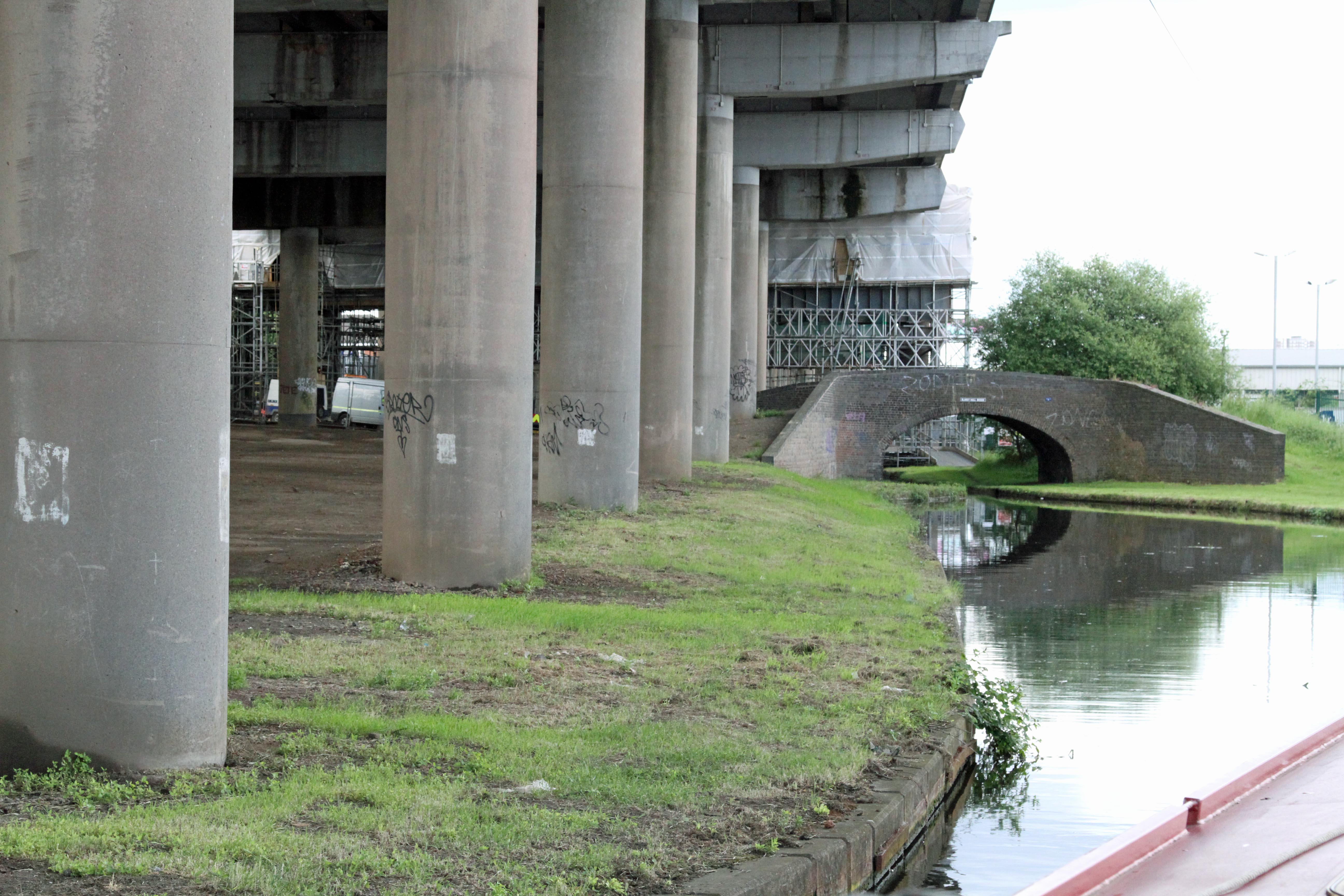
Blakey Hall Bridge – a matter of age and scale…
A sixty-eight foot narrowboat isn’t the easiest vessel to steer through tight spaces, but get the line right and you’re through.

Judgement matters at Blakey Hall Bridge.
Sorry, I couldn’t miss the opportunity for this pun. 😉

A view from the bridge…
If you have an artistic eye, there’s plenty here to entertain it.

Perspective
Hopkins’ “skate’s heel sweep[ing] smooth on a bow bend”? Perhaps, but in slow motion!
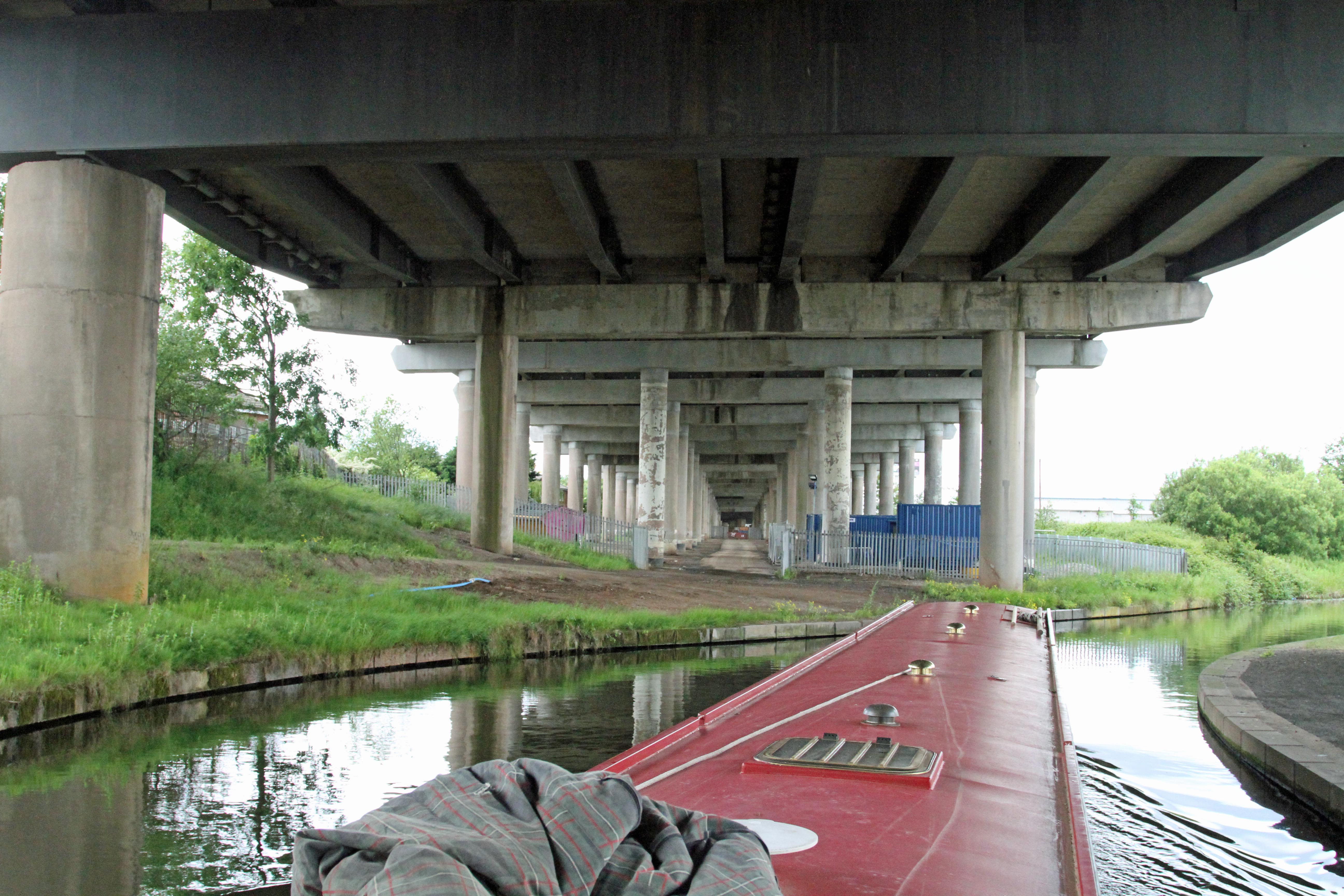
Into the curve…
Modern canal bridge design, with a slight brickwork salute to the past.
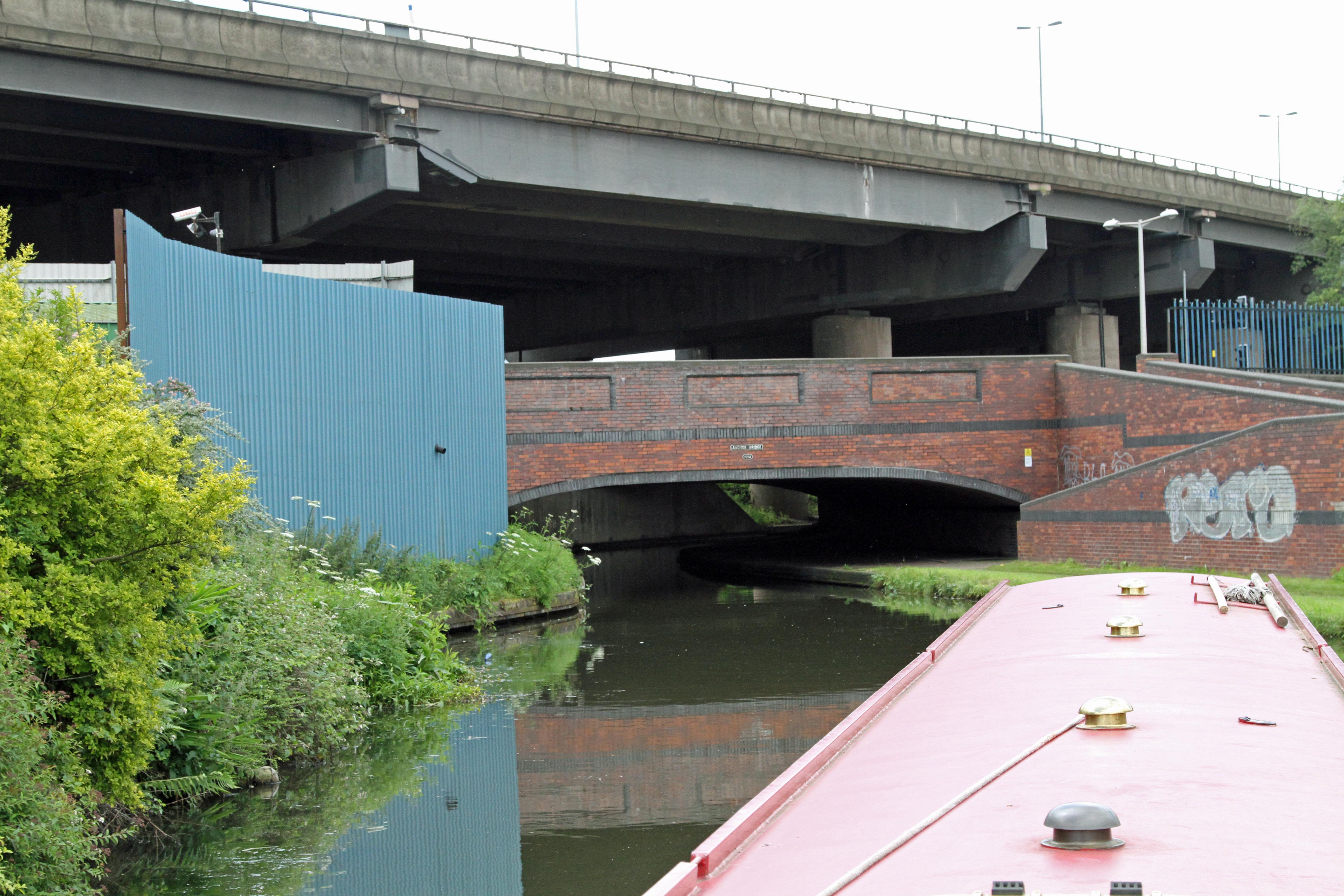
Anchor Bridge 1994
Once again, there’s definitely a line to take to make the turn.

Swing wide, sweet narrowboat…
Telford wanted us to hold the tiller straight!
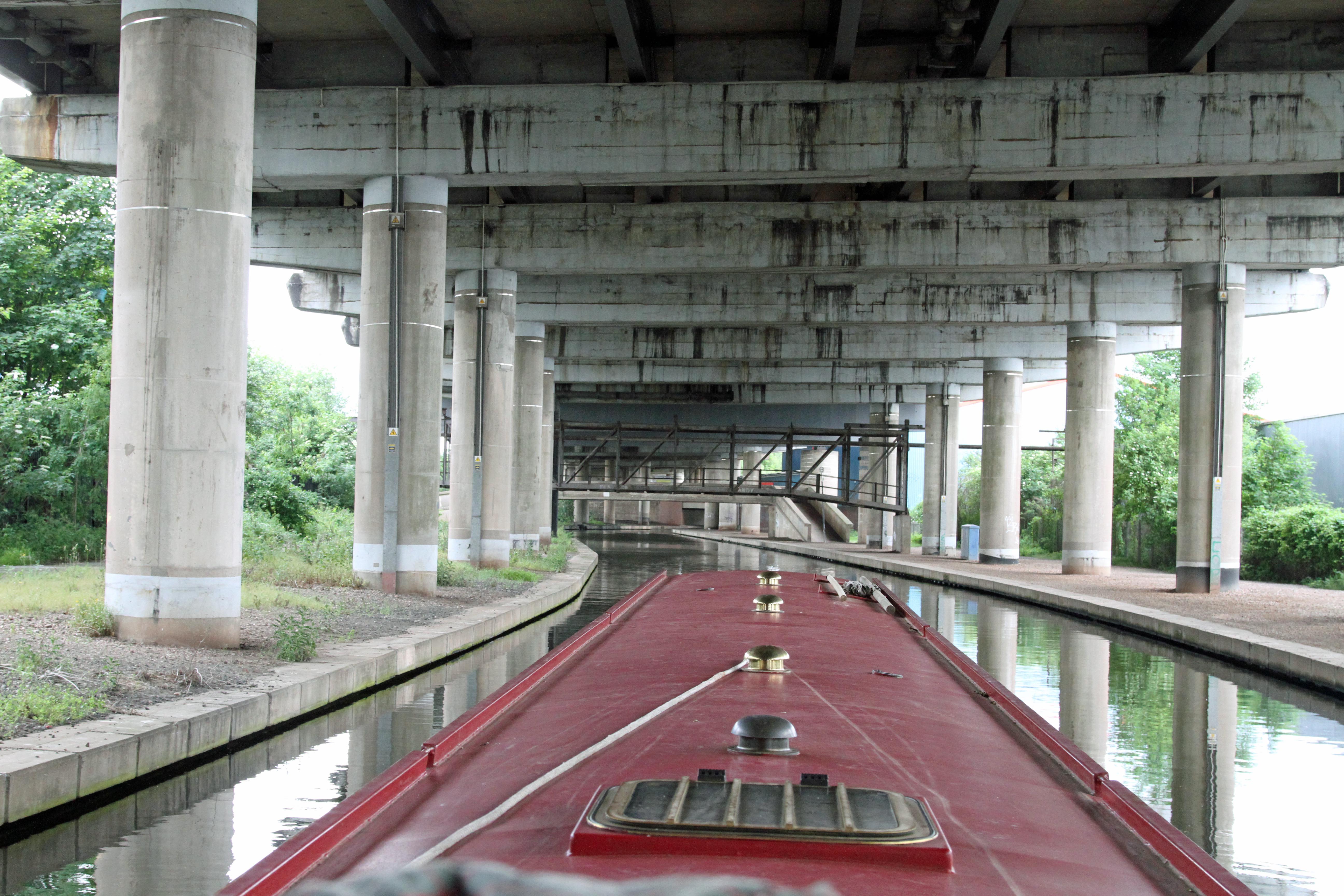
You swing it to the left, then you swing it to the right…
Here’s one we’re saving for the future: up to Titford Pool and back.
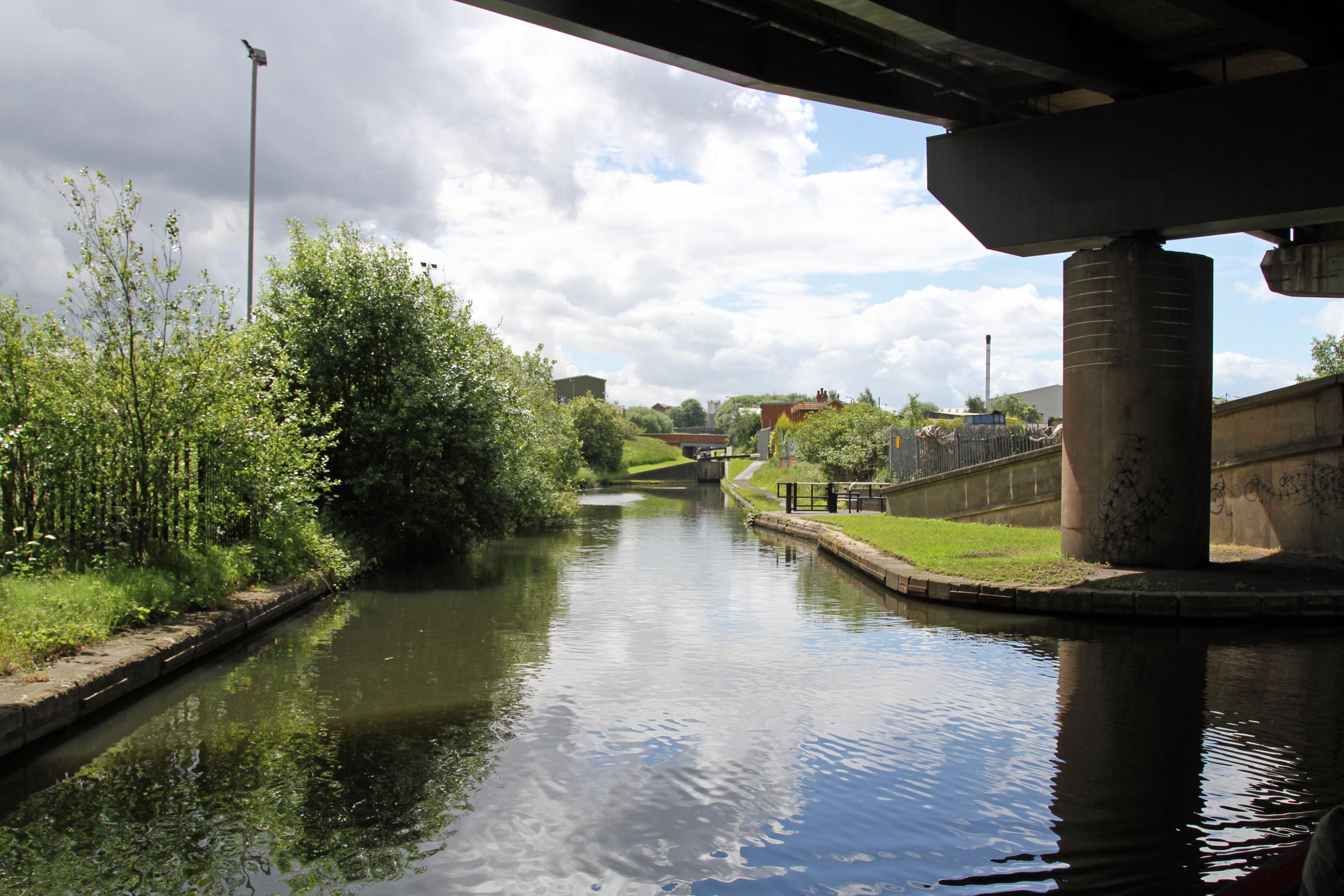
Oldbury Junction and the Titford Canal
Graffiti interest? Well, of course!
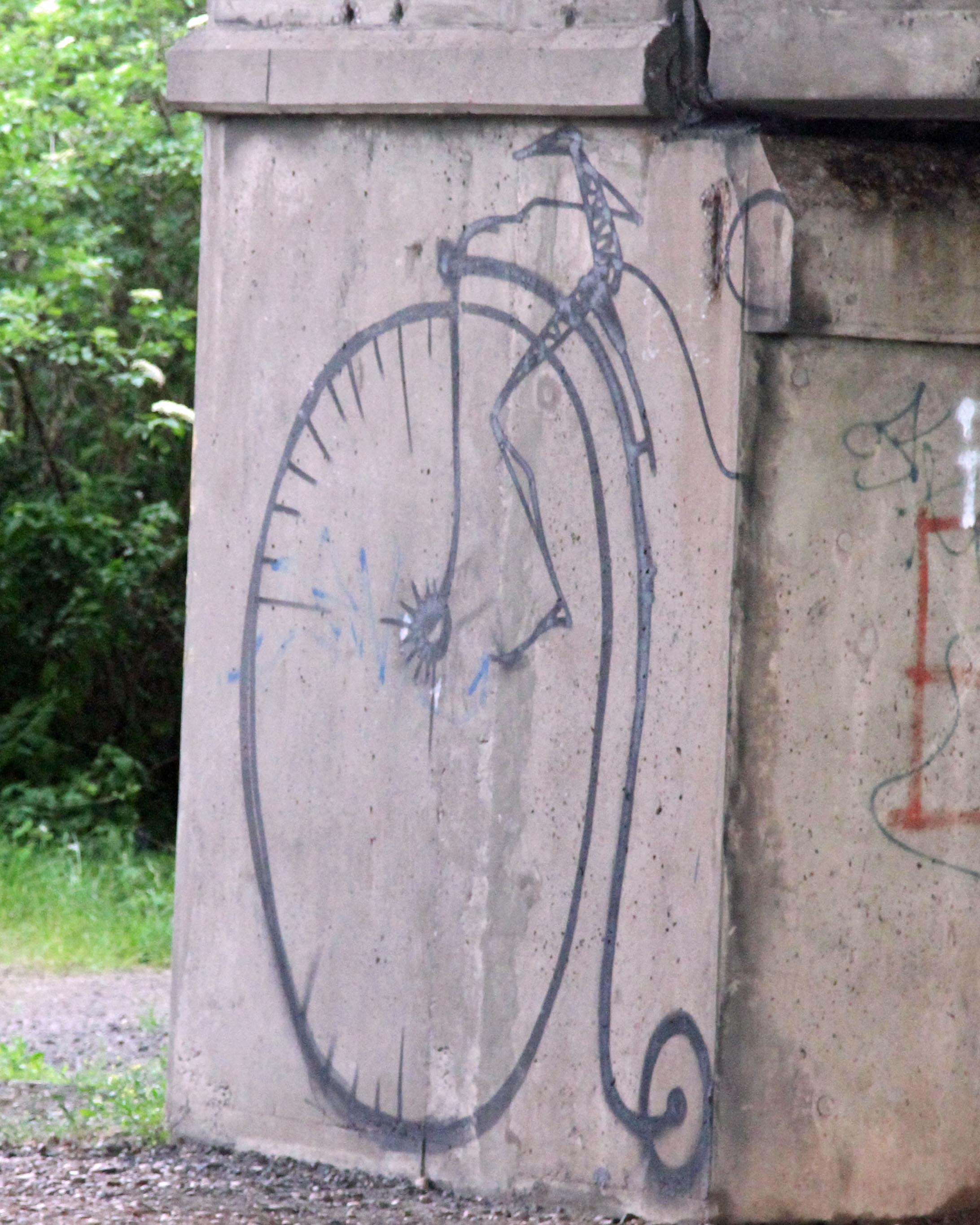
Fancy taking a ride along the towpath or down the M5?
And now we say goodbye to the M5, with sadness at the end of a romantic encounter. We’ve dillied and dallied all the way.

Stone Street Bridge 2001
Thank you for joining me on this narrowboat ride. Perhaps you will admit to being at least surprised to find what lies beneath the M5, even if you can’t find it in you to love it as much as we do!
All text and photographs on this website © Christina James
A new acquaintance, on a fascinating flight…
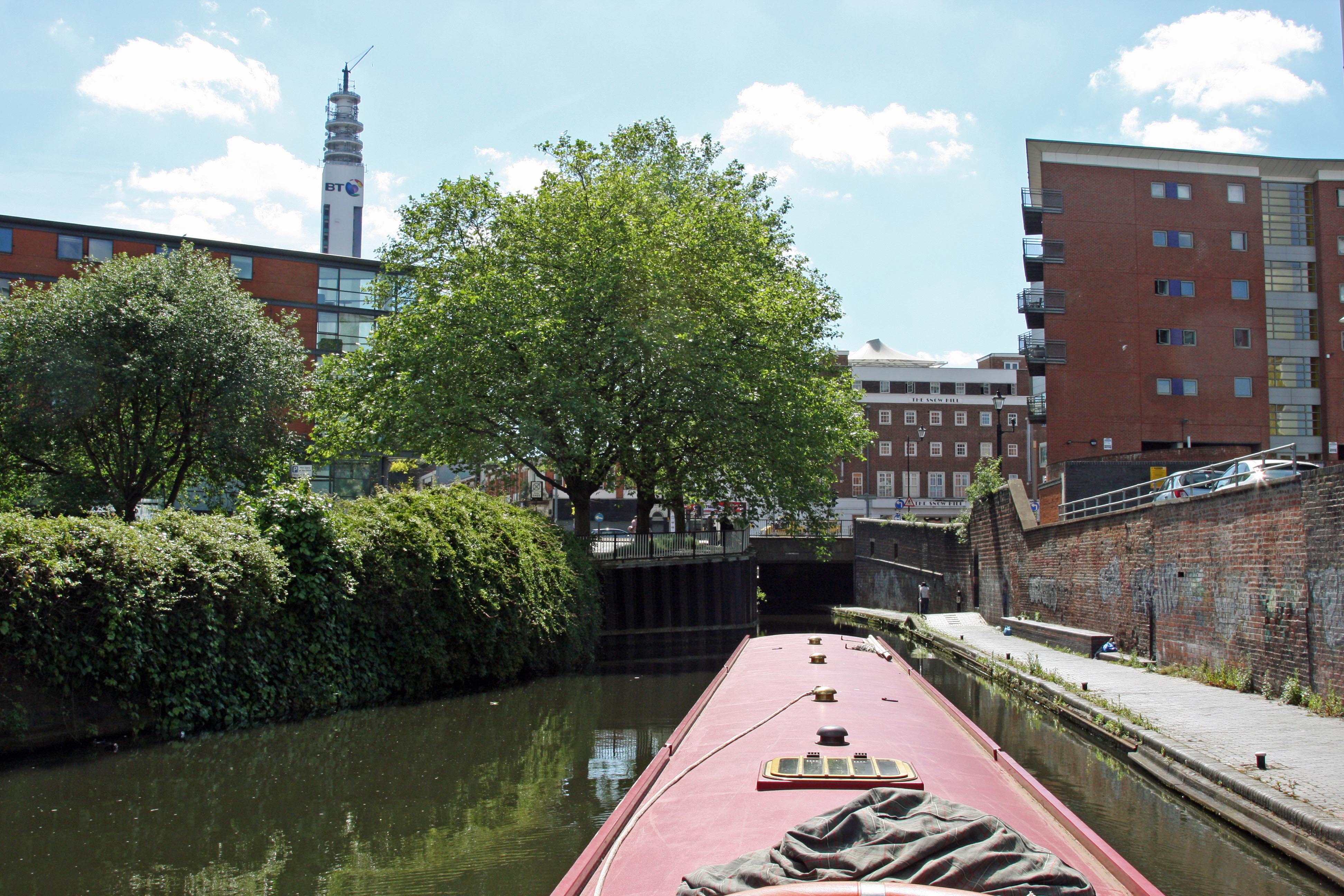
See that British Telecom tower up there? We’re going UNDER it.
I’ve been planning several posts about my recent narrowboat holiday, but have been struggling to find the time to write them! Today, I’m determined to start, not only because that whole week provided some wonderful experiences that I’d like to share, but also because I want to celebrate a brief meeting with an extraordinary volunteer.

Under Snow Hill Bridge and nosing into lock 13 of the Farmer’s Bridge flight.
The background circumstances of our meeting were inauspicious, but it might never have taken place without them. It was a baking hot Thursday afternoon and our boat (endearingly named ‘Short-toed Eagle’) was approaching Birmingham City Centre, gradually being steered by my husband up the thirteen Farmer’s Bridge Locks, the final steep (eighty feet) flight into the city’s heart, while I manipulated the lock-gates; not far into the flight, we heard an explosive argument taking place, just out of sight, on the towpath. I should explain that this particular section of the BCN (Birmingham Canal Navigations) is a very public place to be negotiating locks, as office and shop workers take their lunches here and joggers, cyclists and families compete for space on the restored towpath. We were accompanied some of the way by a group of locals on bikes, who watched the whole process of ‘locking up’ several times over, but didn’t volunteer (sadly, for moving the gates is a hard job on a hot day!) to help!

Rising out of lock 13, with, ahead, the huge cavern of Snow Hill railway station bridge and urban scenery in layers.

Have to get this… through there… under Livery Street Bridge and into lock 12.
This lock flight, as I hope you can see from the photographs, is an astonishing blend of old and new, for it passes through (and under!) the commercial centre of Birmingham.
Anyway, back to the ‘tiff’: The vocabulary of the two participants was ferocious but limited. ‘**** you!’ bellowed one. ‘**** off!’ screamed the other. After a few minutes, a couple in their early twenties strode into view: she, tanned with dark hair, wearing a short but chic black dress accompanied by stiletto heels; he, less surprisingly, perhaps, sporting a baggy T-shirt, jeans and baseball cap. The tirade continued. Sixteen or so rounds of expletives were spat back and forth with very little sub-text, ricocheting off the walls of the tall buildings around the canal. Eventually it became clear that he wanted to borrow her mobile phone to get a score from his dealer and she wasn’t having it (although she actually seemed higher on something than he was).
Their mood was volatile, so I thought it best to be discreet; as they passed me, I focused on trying to shift the paddles on my lock-gate, the ratchets of which were ancient and troublesome. As I was leaning my full weight on my windlass, I became aware of a man standing beside me. I looked up to see an athletic and well-preserved gentleman in his sixties. He offered to help. I saw that he was also carrying a windlass, and thought that he must have come from a boat further up.

Waiting for lock 12 to fill… a moment of quiet contemplation with my new acquaintance…
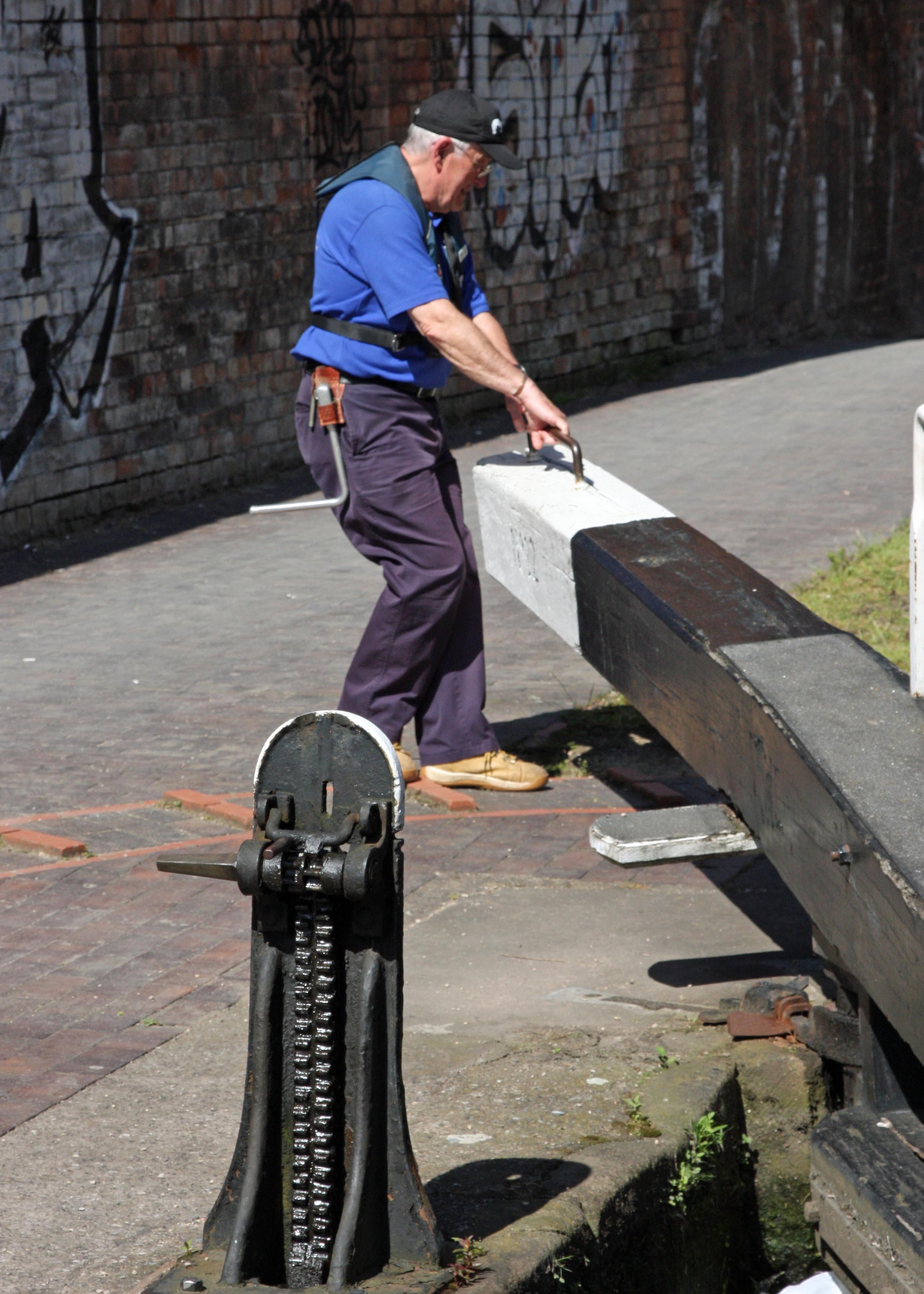
Closing the lock gate behind the boat, whilst I go forward to prepare the paddles to fill the lock.

Locks 11 and 10 are right underneath the British Telecom tower!

The view out of the BT vault…
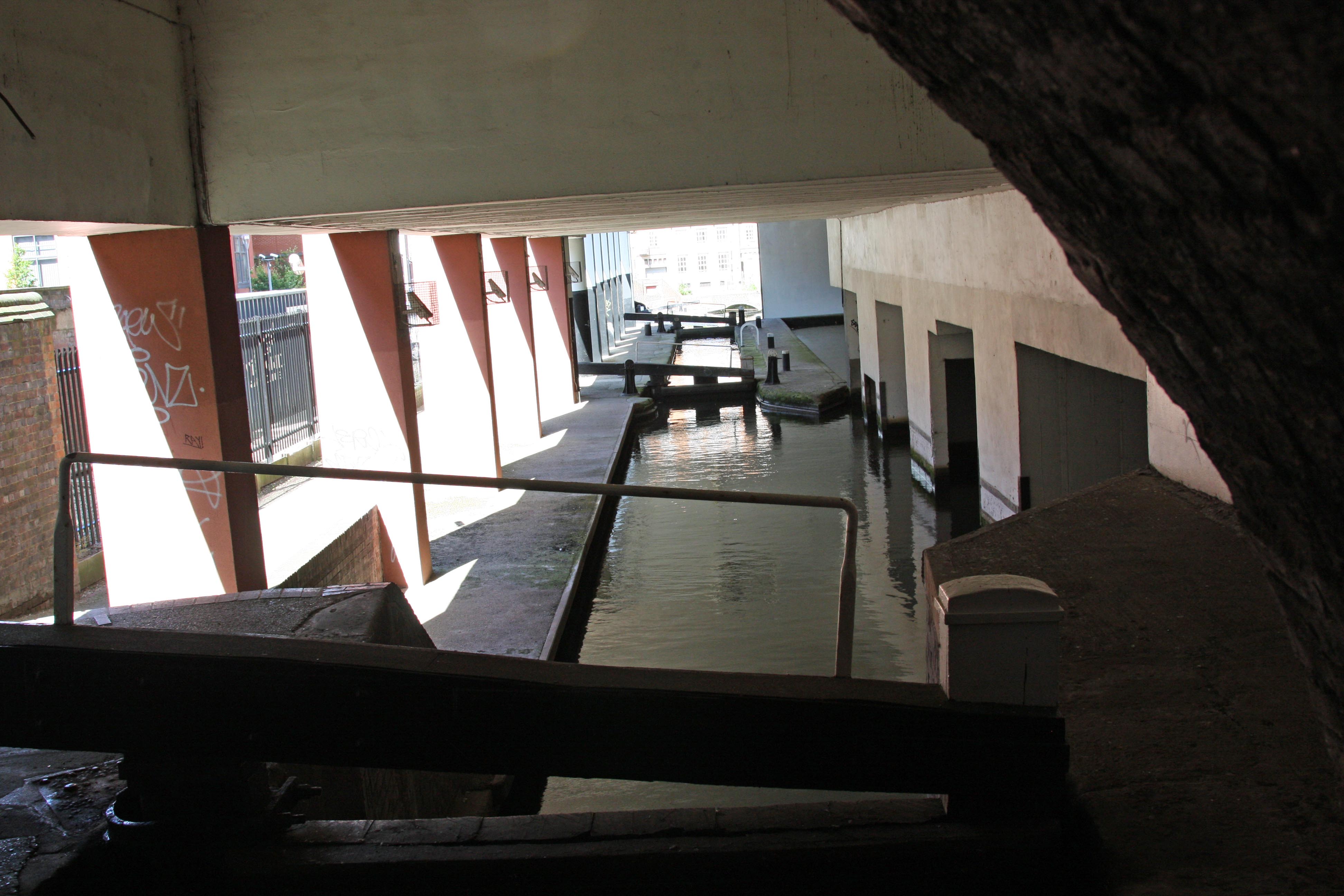
…and the view back down!
He was very anxious to tell me that the incident that I’d just witnessed was not typical and that the towpaths were safe places. He was obviously quite proud of the local canal complex and even more of Birmingham itself. He told me that his name was Michael Payne and that since his retirement he had worked a few shifts each week as a volunteer for the Canals and Rivers Trust. I asked him if he also had a boat and he replied that he had a part-share in one, which was currently moored at Royston in Leicestershire.

Something surreal about this setting, but the conversation flows as the lock fills…
Michael was a mine of information. As we worked our way up the remaining locks in the flight, he pointed out to me an offshoot of the canal that had been buried in the 1950s and rediscovered during excavations for a new office block and showed me an impressive building that had once housed a large coffee-importing business in Birmingham. This had been abandoned decades ago and opened up only recently, when the copper industrial coffee-grinding machinery had been found there, still intact. He said that all this has been restored and the building will shortly be opened as a museum dedicated to coffee. I was fascinated by this story and wondered under what circumstances a building could be left like this. Did no-one own it? Had all the owners died? Why hadn’t the machinery been sold off when it ceased trading? Perhaps the answers will come from the museum itself.

Locking up is a great way to get to know people… and Michael Payne is a man worth knowing.

Wow! Birmingham re-creating itself, but properly valuing this wonderful historic waterway at its heart.
Michael’s shift was due to end, but he said that he’d carry on helping me until we reached the top of the flight. I was grateful, as all the lock mechanisms were misshapen, old and extremely unyielding. My husband, who was joining in the conversation from the narrowboat, told him that I was a crime fiction writer (not sparing my blushes!) and Michael said that he was a big Donna Leon fan. Apparently he and his wife have visited Venice several times, where they’ve joined the walking tours that are arranged to allow devotees to follow in Inspector Brunetti’s footsteps.
I thought that this was a very intriguing idea. Should I myself organise walking tours in order to introduce my readers to the Spalding (and South Lincolnshire) of DI Yates? I’m not sure, however, that it would help me to curry favour with my Fenland friends and fans who have been so hospitable and generous with their support since DI Yates was born! On the whole, I think I’d sooner organise a walking tour of the Farmer’s Bridge Flight, but I’d have to engage Michael to lead it.

It all happens here: we get caught up in a fashion shoot! Canals are great locations.
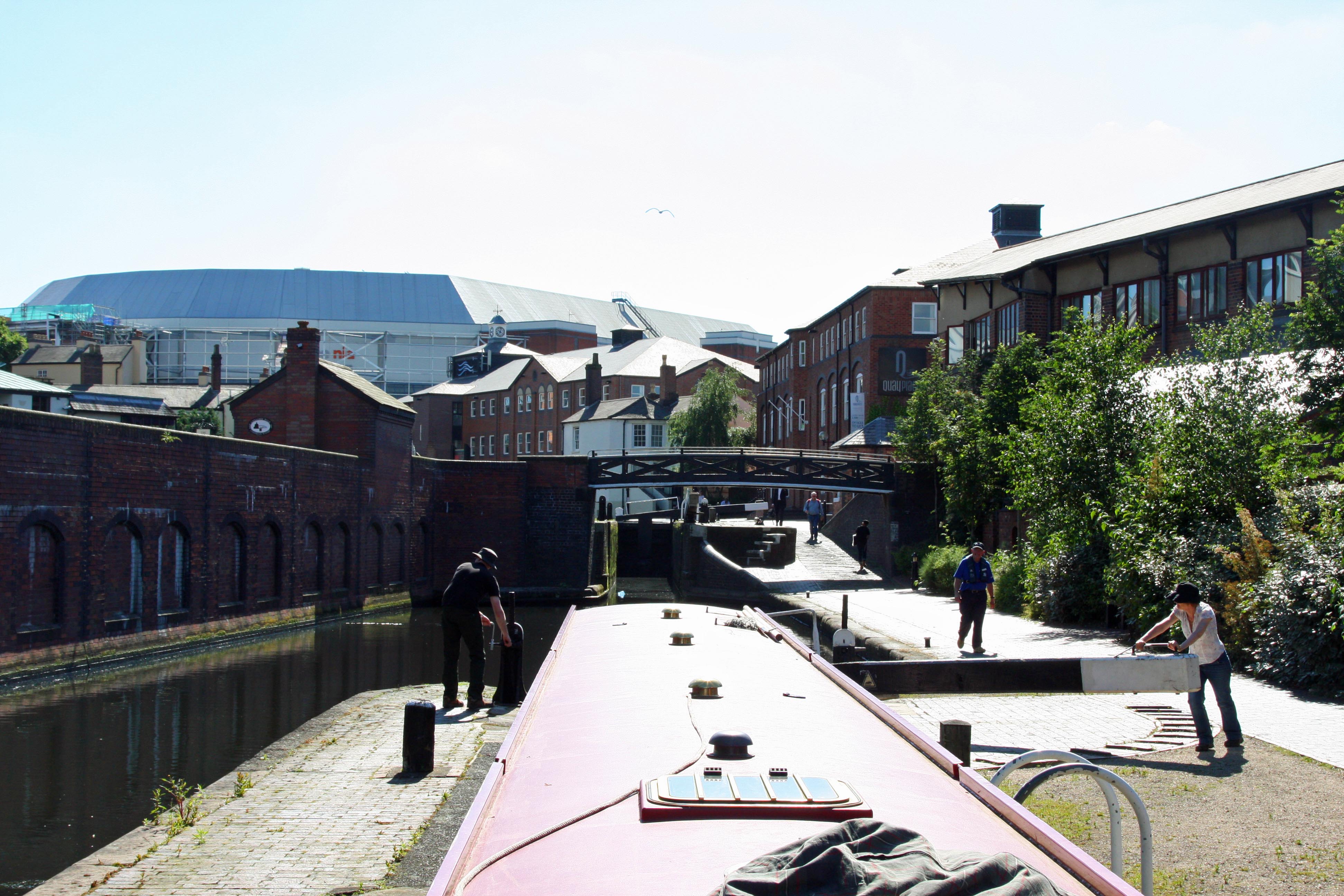
Michael returns from opening Lock 1, whilst I open lock 2. Rising above us, the National Indoor Arena.
If you’re reading this, Michael, may I just say that it was a great pleasure to meet you and to have the benefit of your conversation for an hour or two. We owe you a very great debt of gratitude for your skilful management of the (to me) troublesome ratchets of the Farmer’s Bridge flight. And if there ever is a DI Yates walking tour of Spalding, I shall make sure that you hear of it.
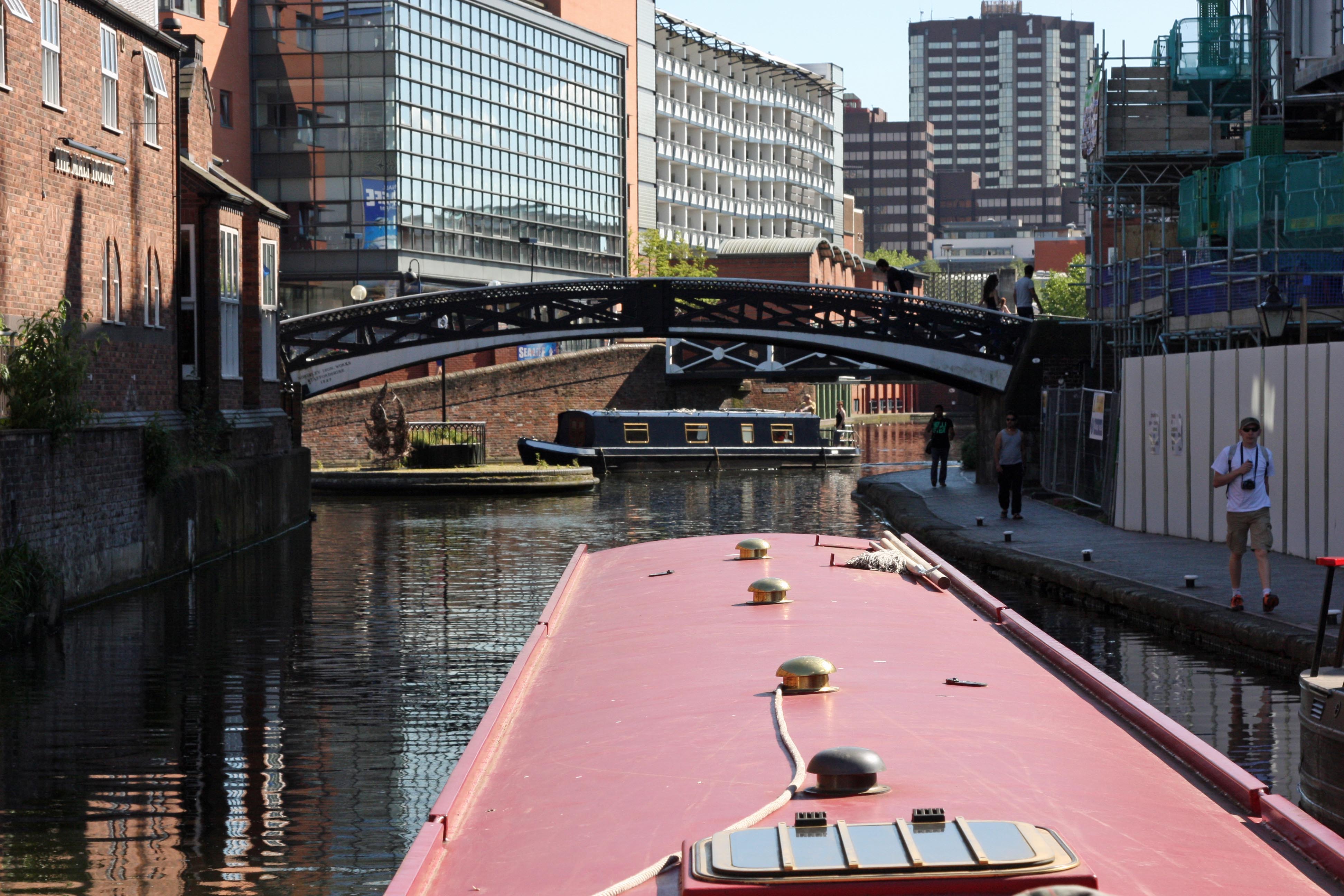
Here we are at Old Turn Junction at the top of the Farmer’s Bridge flight: it’s at the heart of the Birmingham Canal Navigations and of the city itself.
[Thanks to my husband for all the pictures, which he managed with his camera in one hand and the tiller in the other!]
All text and photographs on this website © Christina James
A flavour of floral June along the canal…

Staffs and Worcs Canal
Canal banks in June: great mounds of blackberry-promising fatfulness; blushes of dog-rose, fluffing; field roses with hearts of gold; elder sprays of cream parasols; purple-loosestrife spikily soaring; yellow flags already rent and over-blown, but bright to the end; hemp-agrimony, overdressed and busty for an opera of bloom; meadow-sweet candy-frothing and a-buzz; hemlock towering on red-splotched trunks with canopies of flowers; bittersweet, weaving its poisonous way with velvet cunning through the twiggery; armies of mare’s tail on the march; suckabee Himalayan balsam just beginning to pout; tow-path beds of campion, partying in pink; sweeps of buttercups amongst the broken banks of the pasture; good old hogweed, slumming it with grandeur; inevitable rosebay willowherb rising and aspiring to July; lush grasses teetering on the brink.
Sit in the almost silent narrowboat bow and love the flower parade, whose scents undulate like the ripples spreading wide.

Elder

Field rose
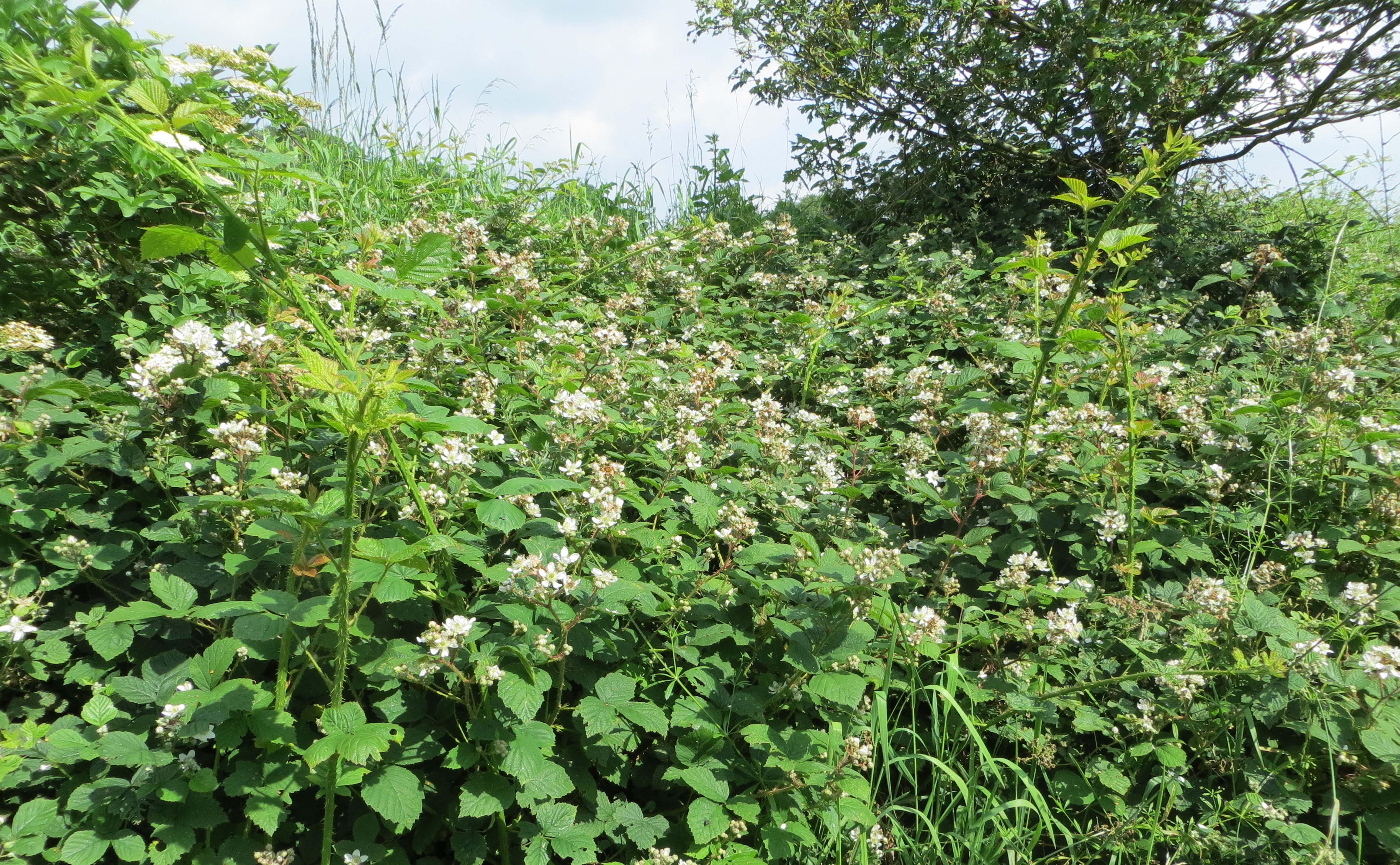
Bramble

Hogweed
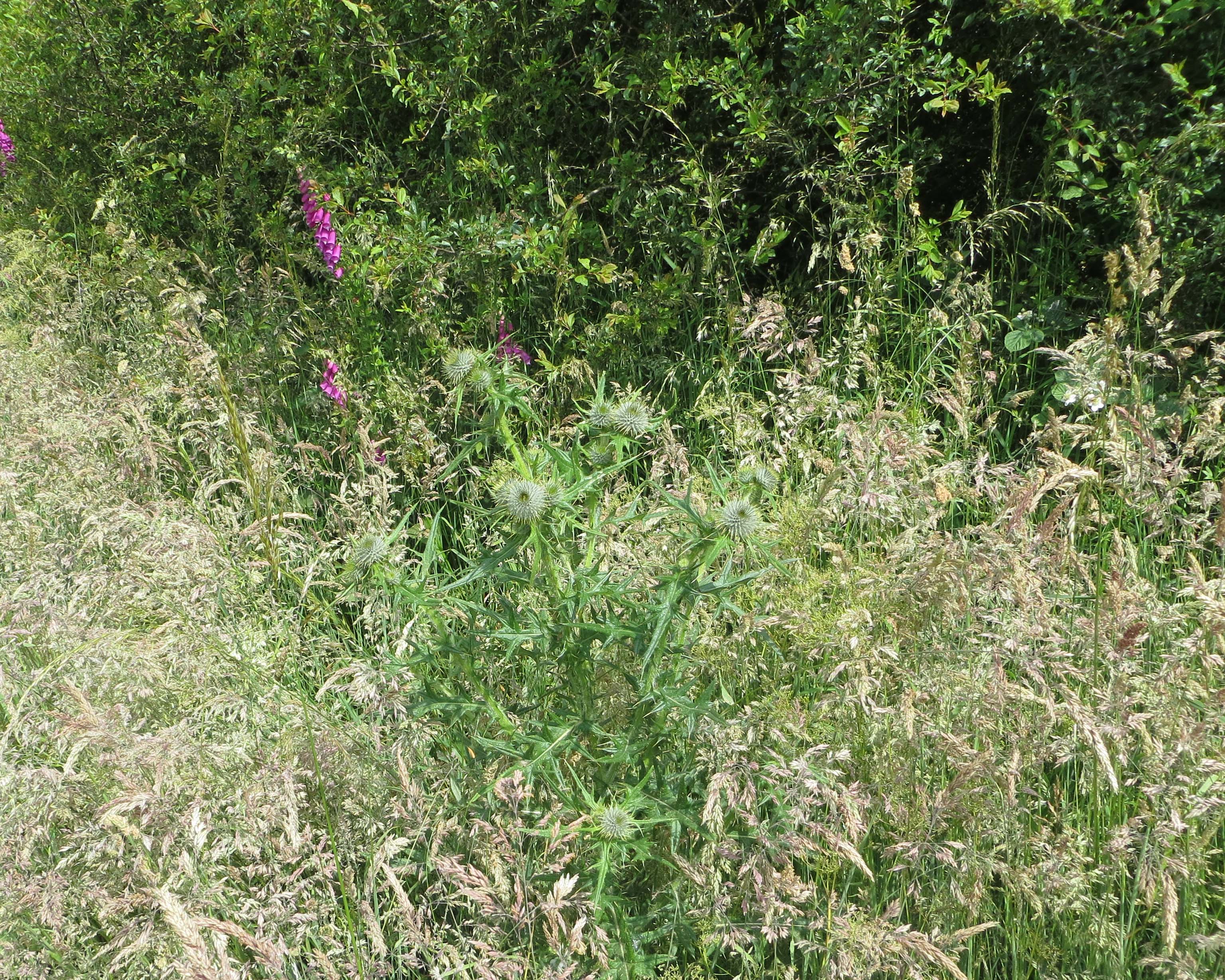
Spear thistle amidst a medley of grasses

Rampant rosebay on the rise
Seal of approval!
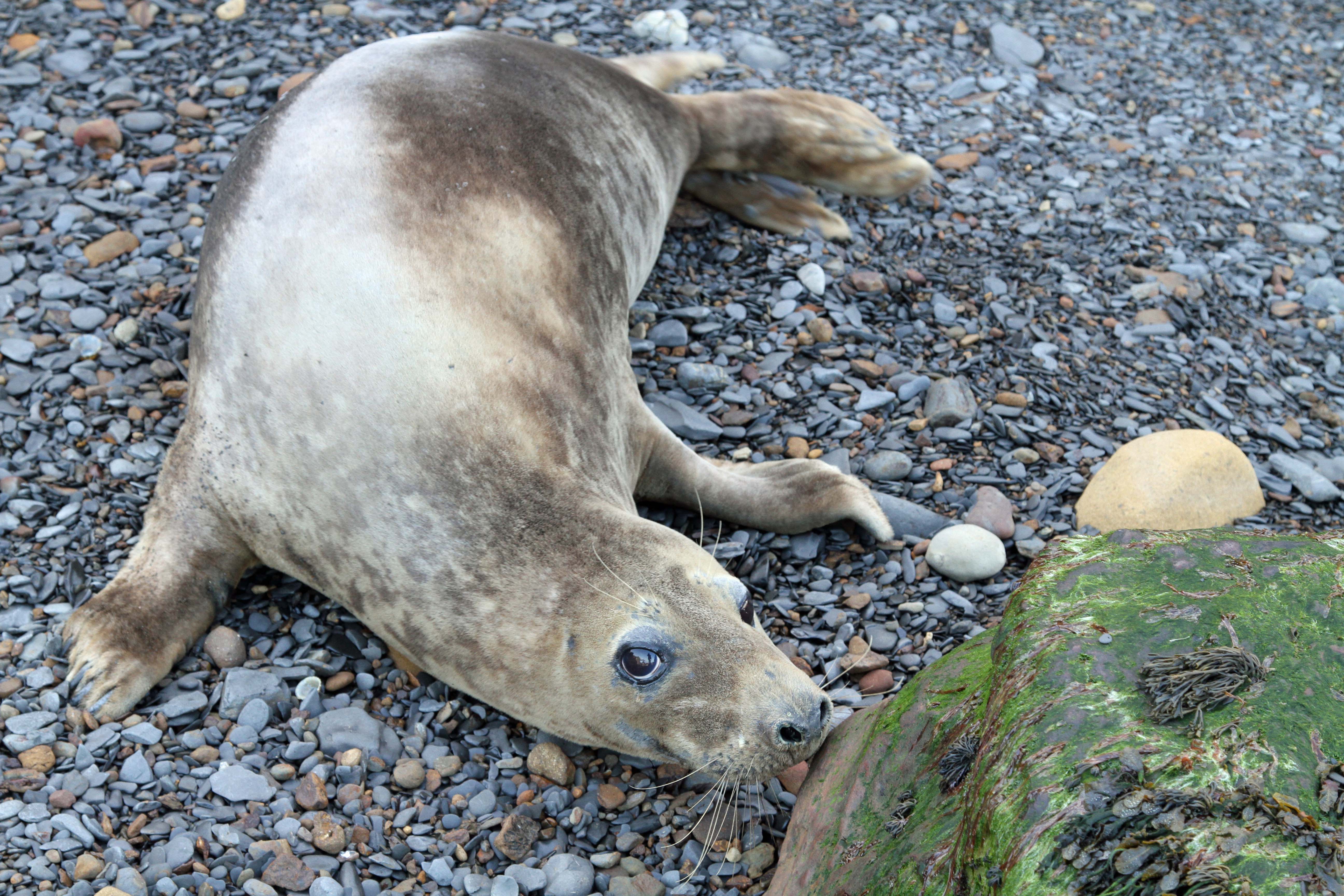
Seal pup, Ravenscar
At Easter, I took a short break on the east coast of North Yorkshire and have been meaning to write about it ever since! It’s a region that we know well as a family: my husband spent many holidays in Filey as a child and, when we were first married, some friends owned a house at Robin Hood’s Bay, at which we spent several wonderful long weekends. Built in the seventeenth century, this was the house that stands nearest the sea, adjacent to the ‘quarterdeck’, or man-made apron for viewing the bay, and, on stormy nights, the waves broke right over it and the whole building shook. (It’s next door to what was the Leeds University/Sheffield University Marine Laboratory from 1912 to 1982 and now, rebuilt, a National Trust visitor centre.) The house is still there, though no longer owned by our friends. During its time, it has been several times hired by authors wanting a quiet place in which to write without disturbance (though when I visited the house its plumbing system was so eccentric that a great deal of time had to be deployed in pumping out sewage and clearing the drains!). Robin Hood’s Bay itself is the setting of the Bramblewick novels, by Leo Walmsley.
No visit to the East coast is complete without a visit to this mediaeval fishing village. However, this year, my husband and I headed a little further north, to Port Mulgrave, a hamlet near Staithes. Bleaker and more desolate than ‘the Bay’, this place really could have been at the end of the world.
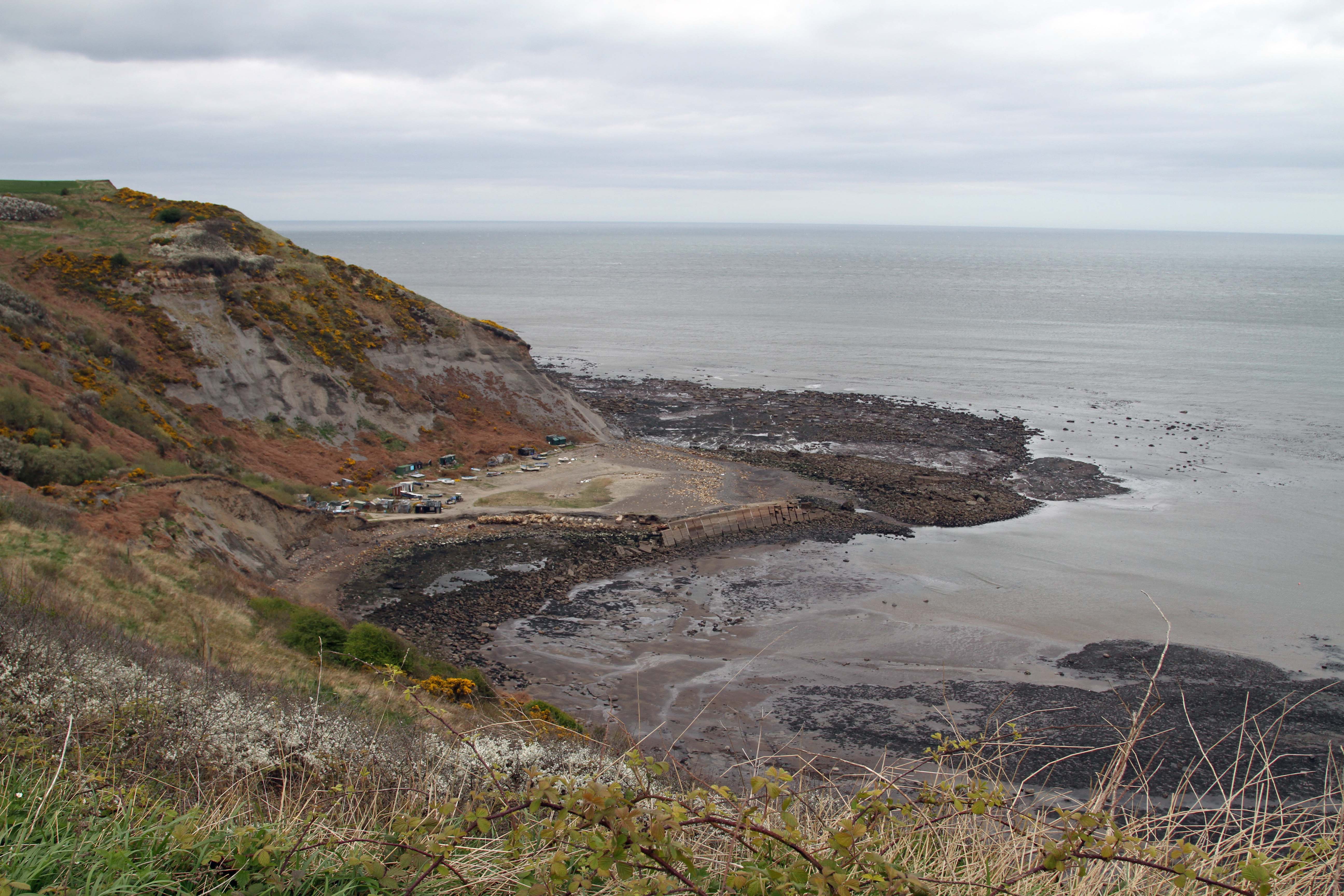
The ‘harbour’ at Port Mulgrave, North Yorkshire
One of the most magnificent things about this stretch of Yorkshire coast is that visiting it is like stepping back into the past, but in an unpretentious way (quite unlike, for example, the self-conscious ‘olde-worlde’ well-preserved streets of towns such as Harrogate). The house in which we stayed was a massive building that dated from the period when ironstone was mined there during the nineteenth century. I’m not sure what the purpose of this building was originally: it may simply have been a dwelling for the ironstone workers, or it may have been part dwelling, part factory. Today it has been divided into several cottages, one of which was our holiday house. Intriguingly, the end cottage was burned down some time ago, without any damage having been caused to the rest of the building. Its owner still visits regularly to tend the garden and the empty space where the cottage once stood.
I hadn’t heard of Port Mulgrave before. When I came to look it up, I discovered that the Mulgrave Estate covers a massive area at the centre of which lies Whitby. By chance, on this holiday, we also happened to pass the estate office in Sandsend.

Whitby from Sandsend
Although it was Easter, we managed to avoid the crowds, apart from an ill-advised foray into Whitby – another favourite haunt – on Good Friday. On Easter Saturday, we walked from Robin Hood’s Bay

Fulmar on the cliffs
to Ravenscar and climbed the cliff that leads to the golf links and the Raven Hall Hotel, where we bought a sandwich lunch and sat outside to soak up the sunshine.

Robin Hood’s Bay from Ravenscar
We stumbled upon several plump seal pups at the boulder-strewn end of the beach, just before the start of the climb up the cliff. One of them growled menacingly at our dog, clearly more than a match for him (He’s a very mild-mannered dog, and certainly wouldn’t have hurt it; he stood timidly several feet away and looked in wonderment at it!). Almost full-grown, they were evidently awaiting the return of the parent seals with more food.

I’d never been as close as this to seals before and had no idea how beautiful they are. Glistening and glossy, each was a different colour. Some were dappled like horses.

I admit it, I wrote this post largely as an excuse to share with my readers their beauty and that of this magnificent coastline! Also, some Twitter friends have wondered about my promotion of Yorkshire seafood, especially crab. Now you know! I love this place and everything it has to offer.
[Text and photographs © Christina James 2014]
For those who love wood: Ursula Von Rydingsvard says it in cedar
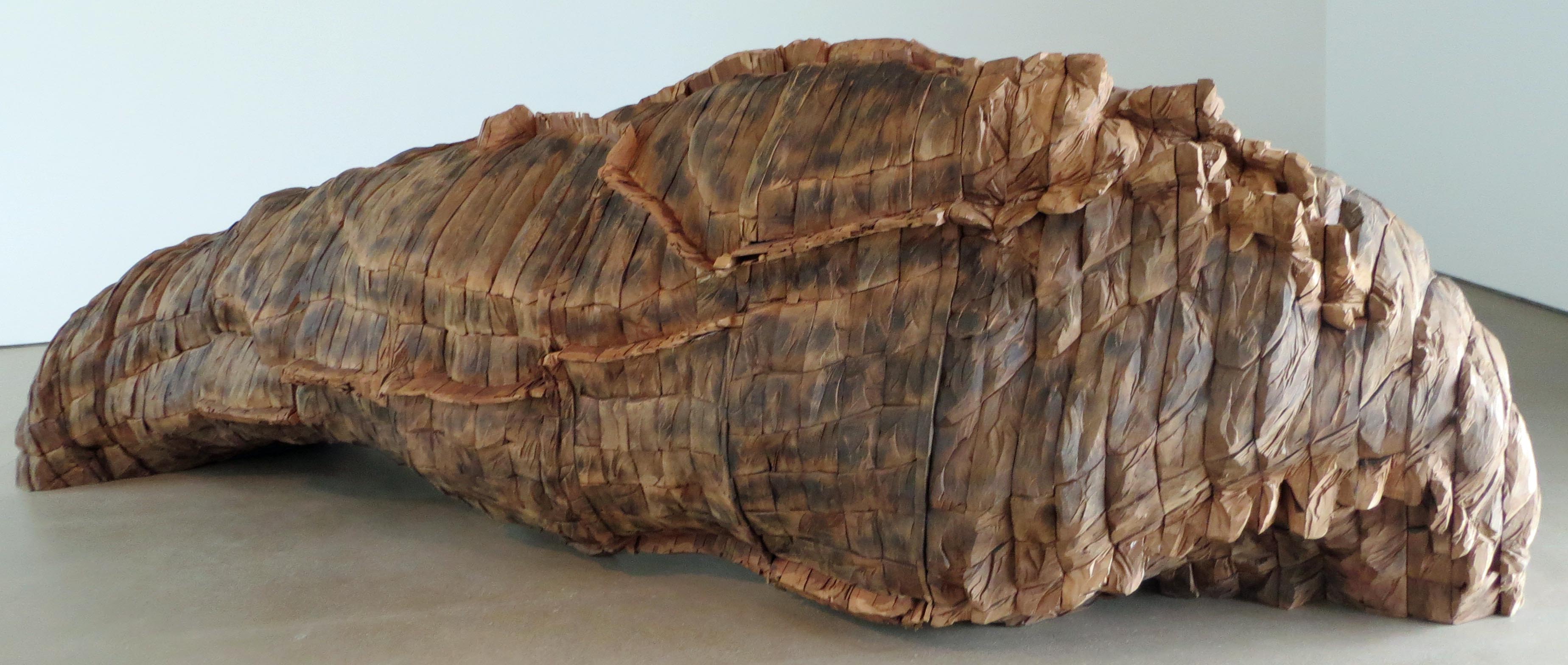
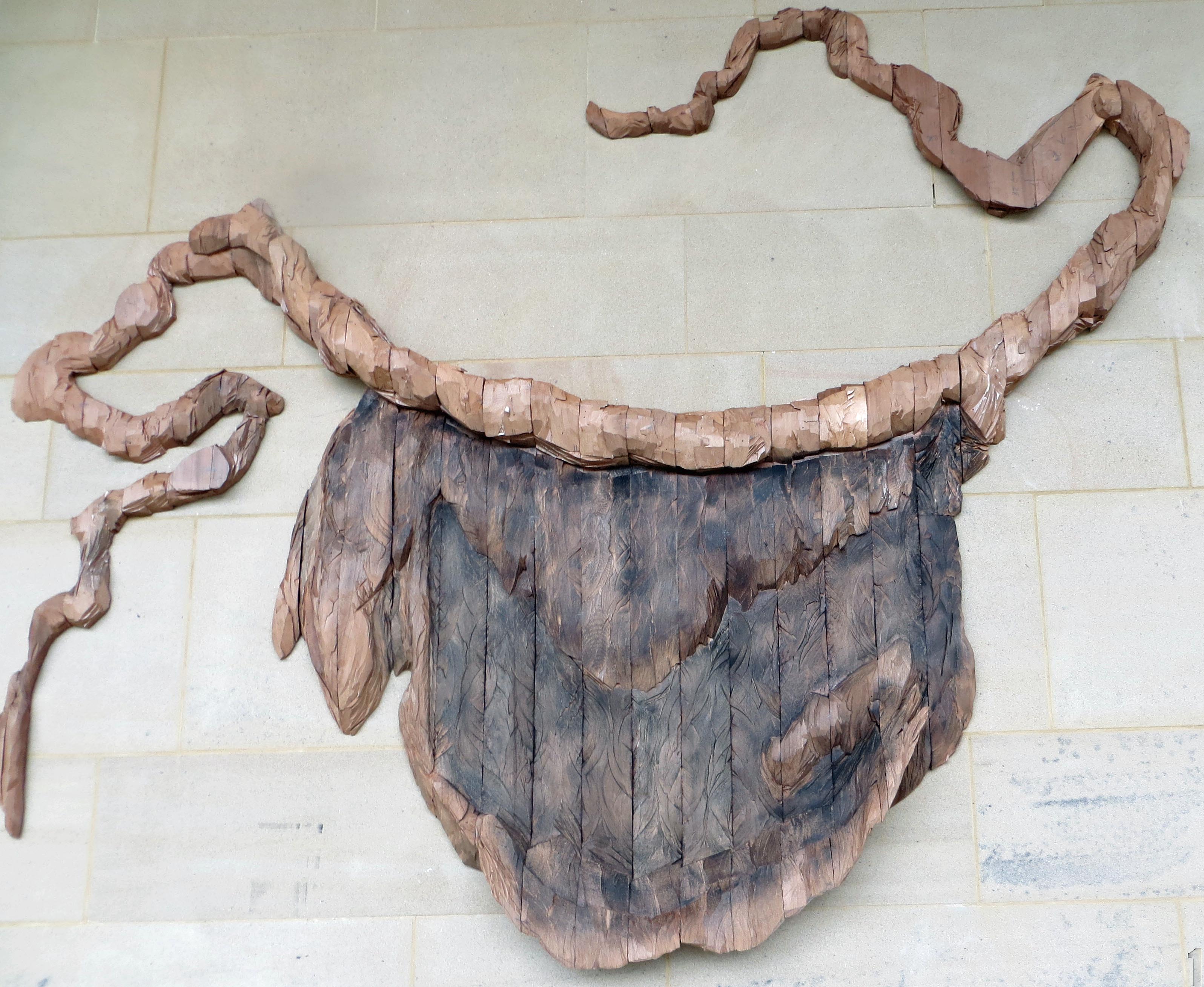
Last weekend, I visited the Yorkshire Sculpture Park. We often take our dog for walks there, but last Saturday, although the dog came too, I was on a mission: to visit its latest exhibition, a stunning major show of more than fifty pieces by the American sculptor Ursula Von Rydingsvard.
As her name suggests, she wasn’t born in the USA, but in Germany, to a Polish mother and Ukrainian father, in 1942. After a tough time in various refugee camps, she and her family emigrated to America in 1952. Admirers of her work say that they see the suffering of her childhood rooted in it. She herself says that it may be there, but that no single piece of her work conveys a single message, because that would bore her, and probably bore others, too.

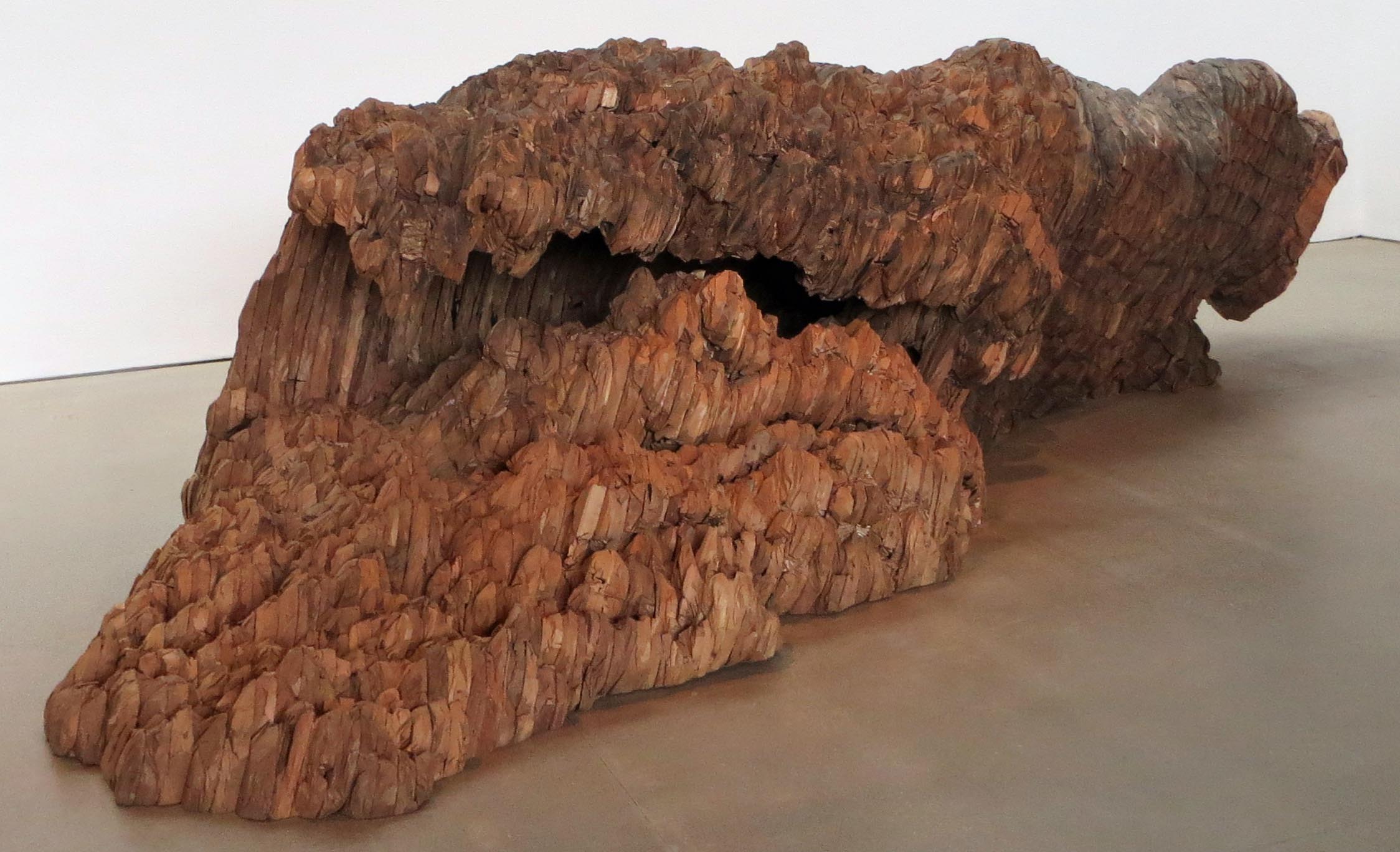
Bronze Bowl with Lace 2013-2014
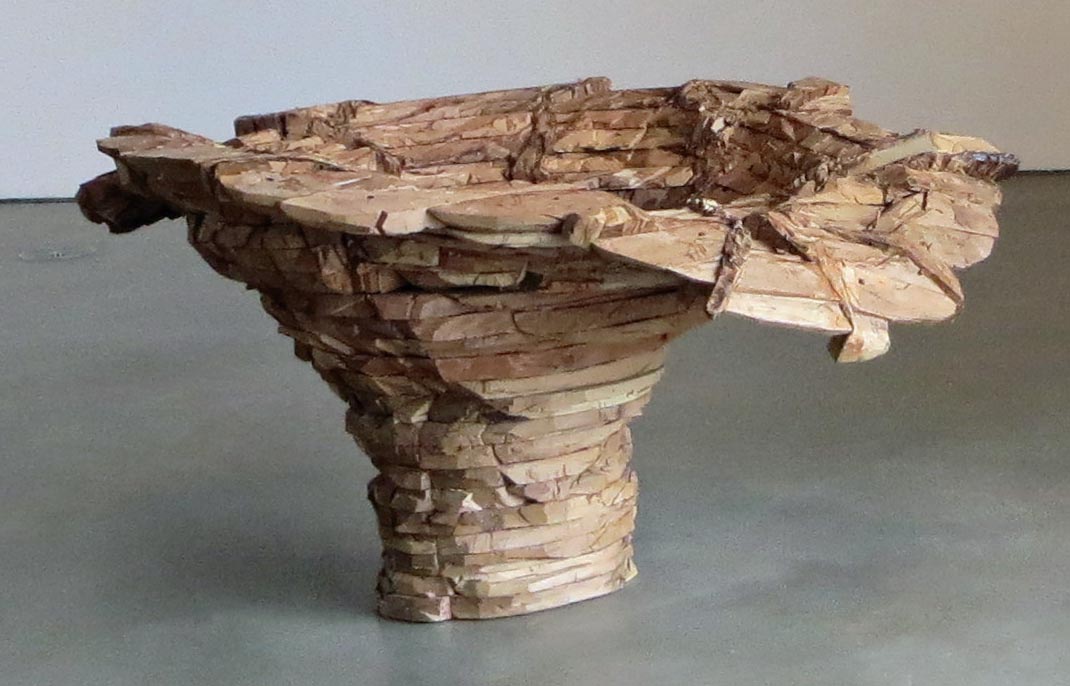
I agree wholeheartedly with this, and was certainly not thinking about her past when I walked, awe-struck, past the pieces in the gardens at YSP and then on to the indoor part of the exhibition which is housed in the spectacular underground studio there. Von Rydingsvard is particularly fascinated by cedar and many of the pieces consist of huge planks of cedar wood that she has sculpted to bring out its innate qualities in more stylised form. Her monumental bronze and synthetic material sculptures also convey the textures of their cedar moulds. One of these, Bronze Bowl with Lace, has a fine, billowing filigree band at the top, based on a real piece of lace; it is astonishing to see how delicate this is. She first talked of achieving this as long ago as 2002 and it is undoubtedly her most ambitious piece so far. It is internally lit with an ember glow and has external base lighting, too, so it transforms itself over a twenty-four hour period.

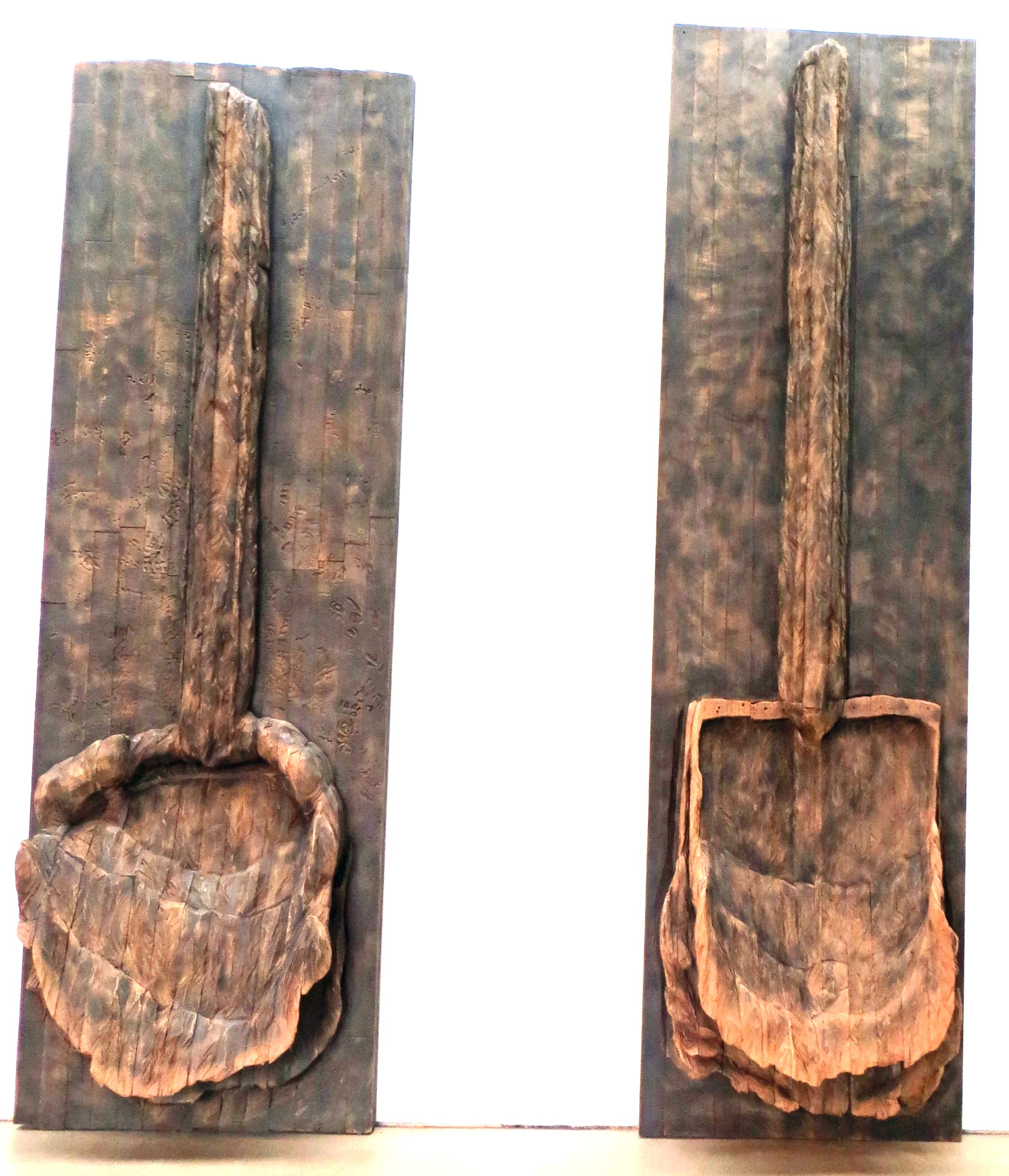
It was, however, the pieces actually made out of cedar that I liked best. Some of these are huge figures or monuments that tower over the visitor. Others, though still relatively large, are representations of more homely objects, such as spoons and other household utensils. [“I did not play games nearly as much as other children did. When I did play them, they were in a style I recall as being serious. I often played with sticks, wooden balls and other knife-carved wooden objects made with a child’s will and awkward technical skills. I also played with crude domestic objects in bombed-out brick buildings, the ruins of which were layered in ways that for me felt exciting.”] There are also some textiles pieces. There are identifiable ‘periods’ to Von Rydingsvard’s work, but she has remained faithful to cedar, in many different incarnations, for the whole of her career.

Right at the end of the indoor exhibition was a small seating area where visitors could linger to watch a video of Von Rydingsvard describing her work. I was at first surprised at how halting, nervous and at times almost incoherent she seemed in this production. Then I realised how arrogant it was of me to make this observation. Sculpture is her medium, not words, and she has indicated in many interviews that she is uncomfortable with trying to analyse her sculpture too closely or on too simple a level. It’s impossible as well as invidious to try to compare different art forms and I’d challenge any writer to try to convey his or her work in sculpture. Why, therefore, should we expect a sculptor to wish to convey hers in words?

The Ursula Von Rydingsvard exhibition will remain at the Yorkshire Sculpture Park until next spring. If you are interested in sculpture, it is a must-see. If you haven’t visited the YSP before, that in itself is a rare treat!
Under way and making way at Greenwich University…
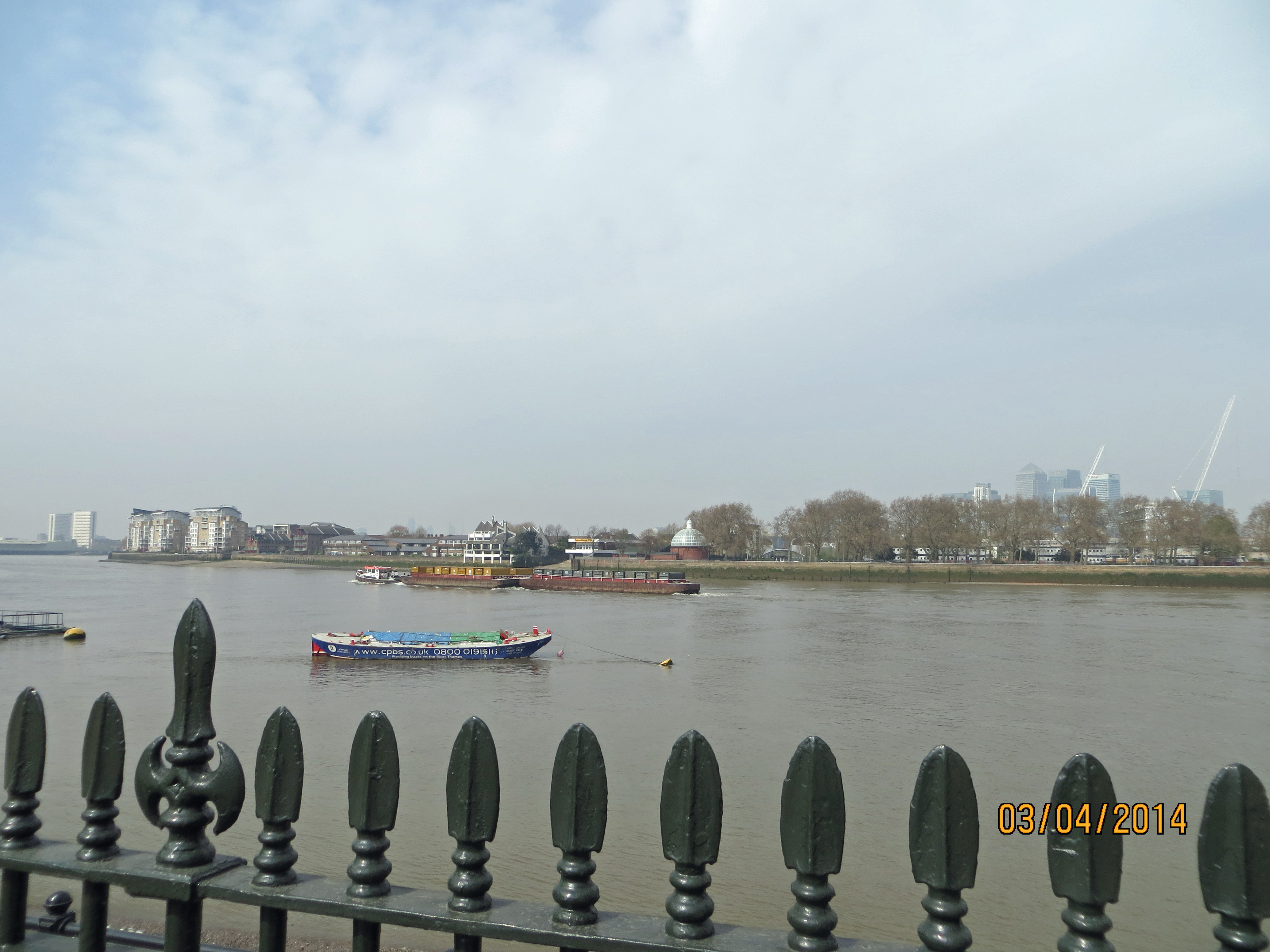
The Thames at Greenwich

Old Royal Naval College, Greenwich
Greenwich University is a vibrant place. It has long been the home of the Maritime College: there have been naval buildings there since Elizabethan times. Adjacent is Deptford, famous for its docks and as the place where Christopher Marlowe, allegedly a spy for the Elizabethan government, was murdered. Greenwich itself is the final resting place of the Cutty Sark. The university dates from the mid-nineteenth century, though some of the buildings are much older. It stands proudly against a steep curve of the Thames, alongside a stretch of the river that is uncompromisingly wide and majestic. This is frequented by both barges and pleasure boats, which reminded me a little of the river traffic in Shanghai.
The university is housed in a series of white stone buildings with evocative names such as Queen Anne Court, Queen Mary Court, King William Court and the Dreadnought Library. Much more recently, one of the buildings has been dedicated to the memory of Stephen Lawrence. There is a maritime museum, admission to which is free, and across the road another museum which is currently hosting an exhibition of J.M.W. Turner’s sea paintings. Unfortunately, I had no time to visit either of them, but I shall be returning later in the summer and plan to be much better-organised then.
I know from personal experience that, as well as being cosmopolitan, Greenwich students are extremely switched on, because for the last several years I have recruited student panels from among their ranks for some of the conferences and seminars that I have organised. Like students everywhere, they seem to prefer to wear a uniform. This spring, for the girls, it is cropped tops and pale (very short) denim shorts, these worn with thick tights and brightly-coloured canvas ankle boots, and, for the boys (many of whom sport Pete Doherty-style pork pie hats), skinny jeans with long plaid shirts.
Not to be confused with the ‘real’ students was the seemingly endless procession of secondary school parties that were doing a tour of the campus and its attractions. Each was (more or less) in the care of two or three harassed teachers, though the pupils were without exception doing their best to ignore the latter; they were slouching along at a snail’s pace, spread out across the pathways two or three abreast, just like the pupils I have seen dawdling to and from our local secondary school. The real-deal students, by contrast, were marching along rapidly and purposefully, busy, busy, busy, laughing and chatting, with too much to do but taking it all in their stride. A couple of years ago they were probably staunch members of the slow-stroll brigade. Is university really so effective at inspiring them to action, I wonder, or are those having to endure the ignominy of supervision just trying to drive their teachers berserk by taking the longest possible time to trail from A to B?
Despite the somewhat alarmist weather reports about the ‘Stage 10’ smog in London which I heard being discussed on the Tube and elsewhere during my journey, it was a beautiful, clear, sunny spring day in Greenwich and at least five degrees warmer than the dank and misty Yorkshire that I’d left at 7 a.m. Spring may be coming slowly, if surely, to the North, but I can bear witness that in London and environs it is now full-on.
My meeting about the journal slid by all too quickly, three hours gone in an Augenblick. I’d hoped to have time for at least a quick peek at the Cutty Sark before I left, but my watch told me that I had less than an hour to get back to King’s Cross if I were not to endure the combined wrath and triumph of the ticket collector as he rejected my fixed-time ticket and forced me to buy another. I’ll therefore have to save that pleasure for next time, too.
However, as I was waiting at the traffic lights in one of the busy main streets that threads through the old town of Greenwich, I happened to look back and see the masts of this historic ship rising surreally above the buildings and a row of buses, as if it had just joined the queue of local available public transport. I took a quick snap before I hurried on.

Cutty Sark
 Christina James, crime novelist