

Succumbing to snow…
At the risk of sounding hackneyed – because it seems to me that the whole country is talking of nothing else – I have decided to devote today’s post to snow. How could I not? I have now been effectively snowed in (it has been just about possible to walk out but not drive) for forty-eight hours, twenty of those without electricity. And towards the end of March, too! I have been living here for almost twenty years and have seen snow like this only once before, on 25th January 1996. I remember the date because it was Burns Night and also the anniversary of the day on which I got engaged. I was driving home from the library supply company in Scotland at which I was working at the time and narrowly missed having to spend the night in my car on the A66 as the snow came thicker and faster. I remember my sense of relief when I finally made it to Scotch Corner, only to find the A1 gridlocked in both directions. It took me more than four hours to crawl into Leeds, where the traffic had virtually ground to a halt. Eventually I arrived at a roundabout with an adjacent hotel and went in to see if I could get a room for the night. A Burns Night dinner had been taking place there and most of the diners were stranded, so there was a shortage of rooms. However, when I told the receptionist I had driven from Scotland, she was so impressed that she gave me the bridal suite for the night, complete with flowers, fruit and mini bottles of champagne! The irony was that my husband and son were also stranded nearby, but we couldn’t contact each other. In those days, cellphones were rarer; my company had just bought one for me, but none of us had personal mobiles. On the next day, when I finally reached home (having passed my husband’s abandoned car, its roof now neatly bisected by a snow-laden branch), the snow was not as deep then as it is now; and it was the fourth week of January, after all, and not the third week of March! I feel not so much a sense of outrage at this current deluge as one of disbelief: seeing lambs in the snow is one thing, but snow on nesting blackbirds quite another!
Yesterday I also discovered how little can be accomplished without electricity. I couldn’t shower, cook, clean, listen to music, put on the washing machine or do the ironing. Instead I wrote yesterday’s blog-post, made some final adjustments to Almost Love, toasted myself in front of the wood-burning stove, acted as referee between the dog and cat as the occasional skirmish broke out for pole position on the hearthrug and read the first two hundred pages of Vanished Kingdoms by Norman Davies, my treat to myself when I visited Leeds on Friday (along with a cappuccino and a slice of Belgian chocolate tart). I also meditated on possible plots for my next novel and read last week’s papers for inspiration. The Joss Stone attempted murder case amazes with its improbability. Few writers would dare to invent anything so bizarre!
Most of this was very enjoyable, though I was beginning to feel twitchy by the time that power was restored in the late afternoon. As soon as the lights came back on, I rushed for the shower in case the power bounty proved to be temporary. My husband was more philosophical. He had decided that the opportunity for Saturday ablutions had been and gone and devoted himself instead to clearing away the debris of a day’s accumulated washing-up. (Next time there is a power-cut I must remember that unwashed husband = clean dishes.)
Today it is bitterly cold, although the sun is shining. The snow is being whipped up by the wind and inflicting sharp stings to the face and any other exposed skin. Drifts on the verges are several feet deep, meaning that it is only possible to walk on the roads, which have now mostly been cleared to a single track. Nevertheless, I was determined to go out this morning. I once had a colleague who was sent to work in Canada in the winter months; he said that, for him, cabin fever set in after two or three weeks of snow. I can cope with barely one day! We accompanied the dog on his normal three-mile walk. It took twice as long as usual, but the woods were spectacularly beautiful.
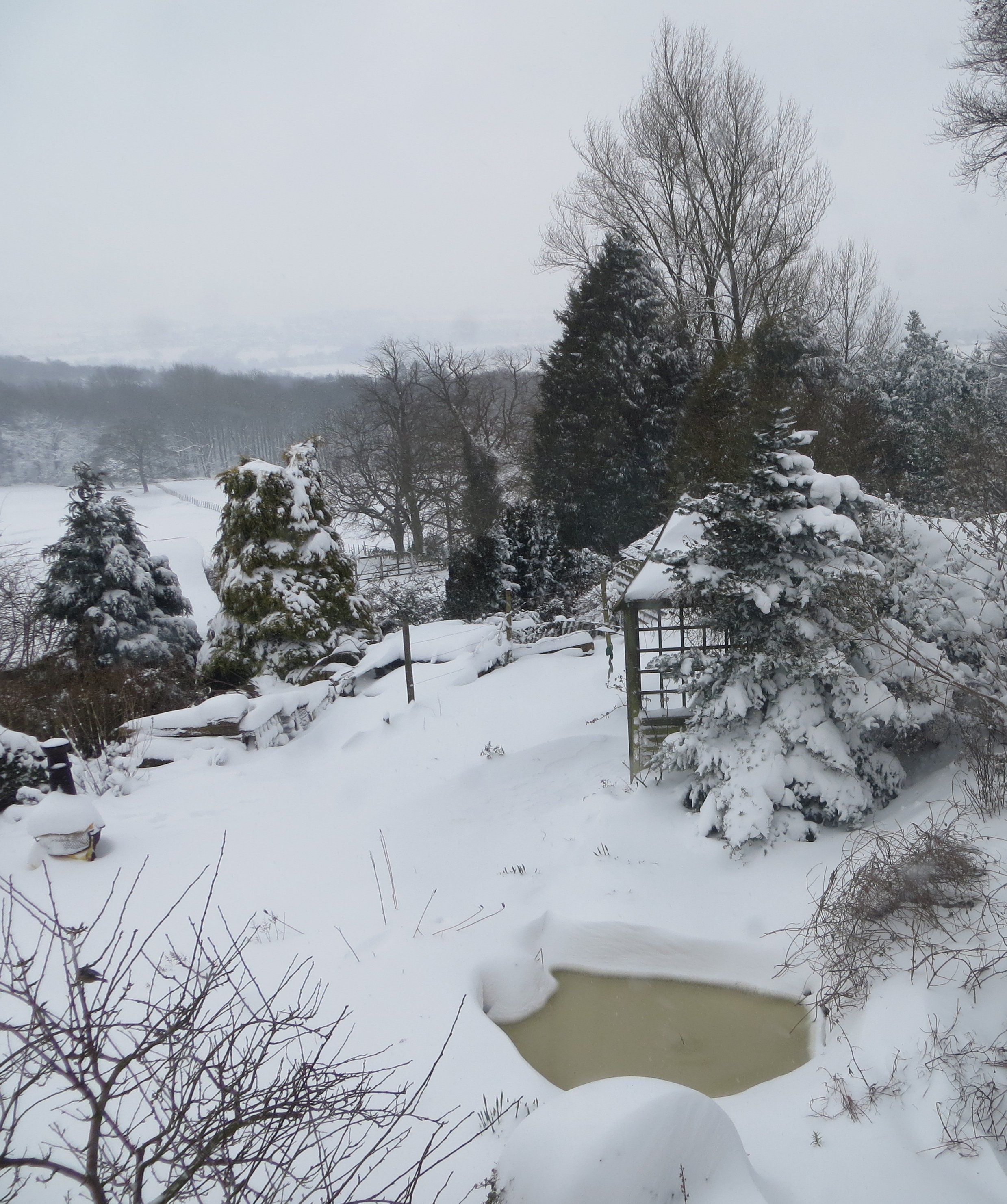
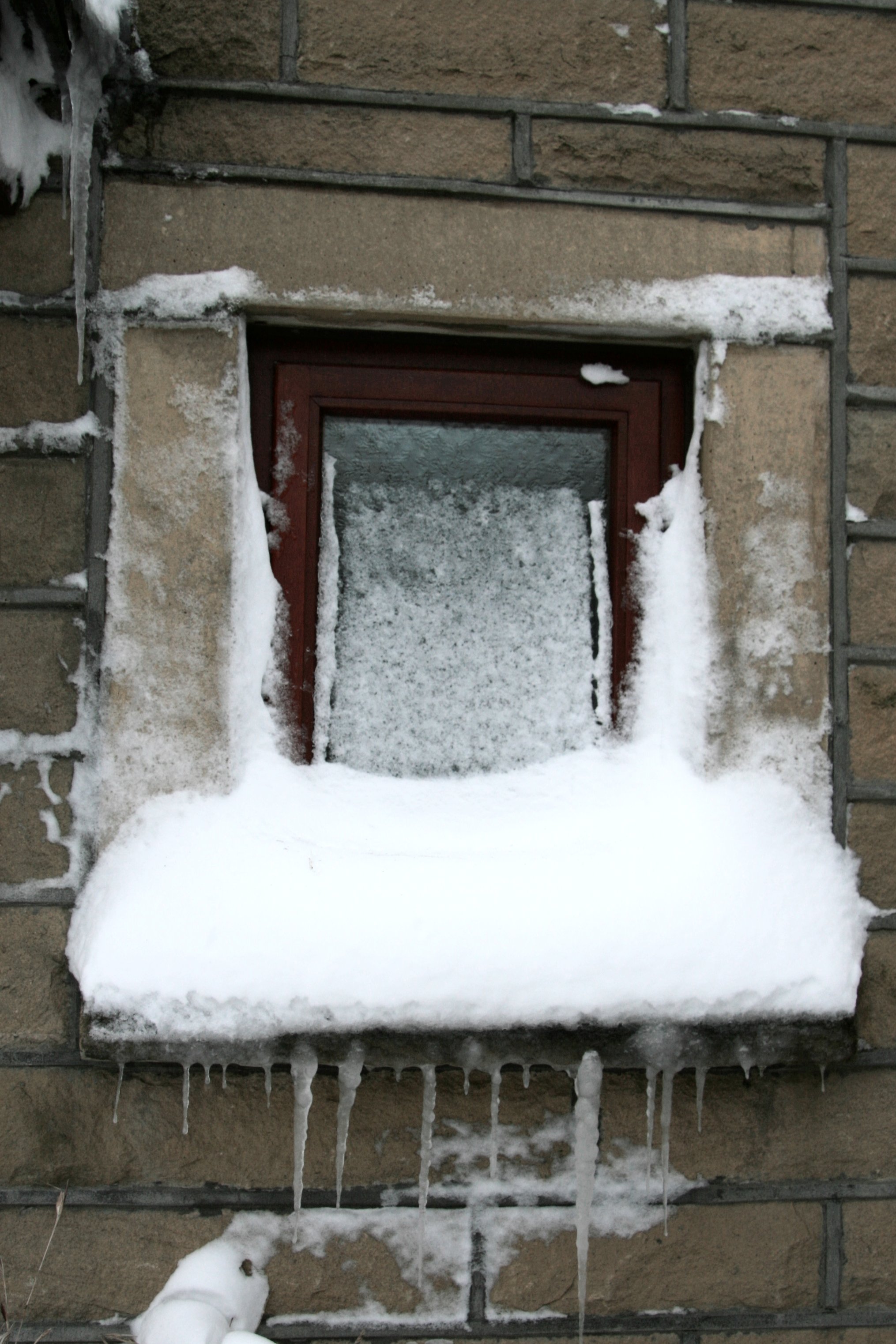
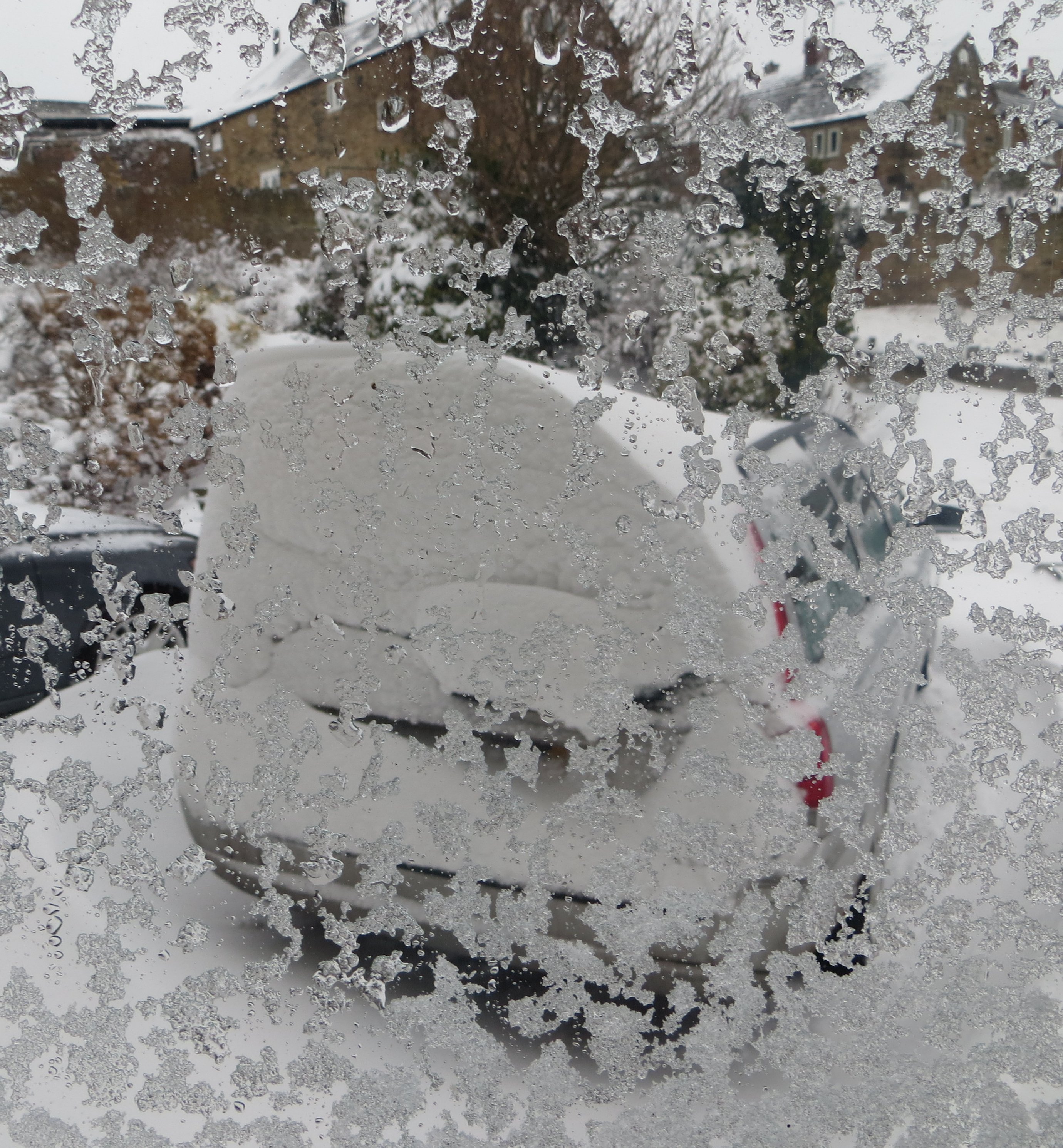
I am including some pictures of my garden, which I took yesterday. The whole of this blog-post is really an excuse to share them!
Putting a person to a name… Waterstones Gower Street
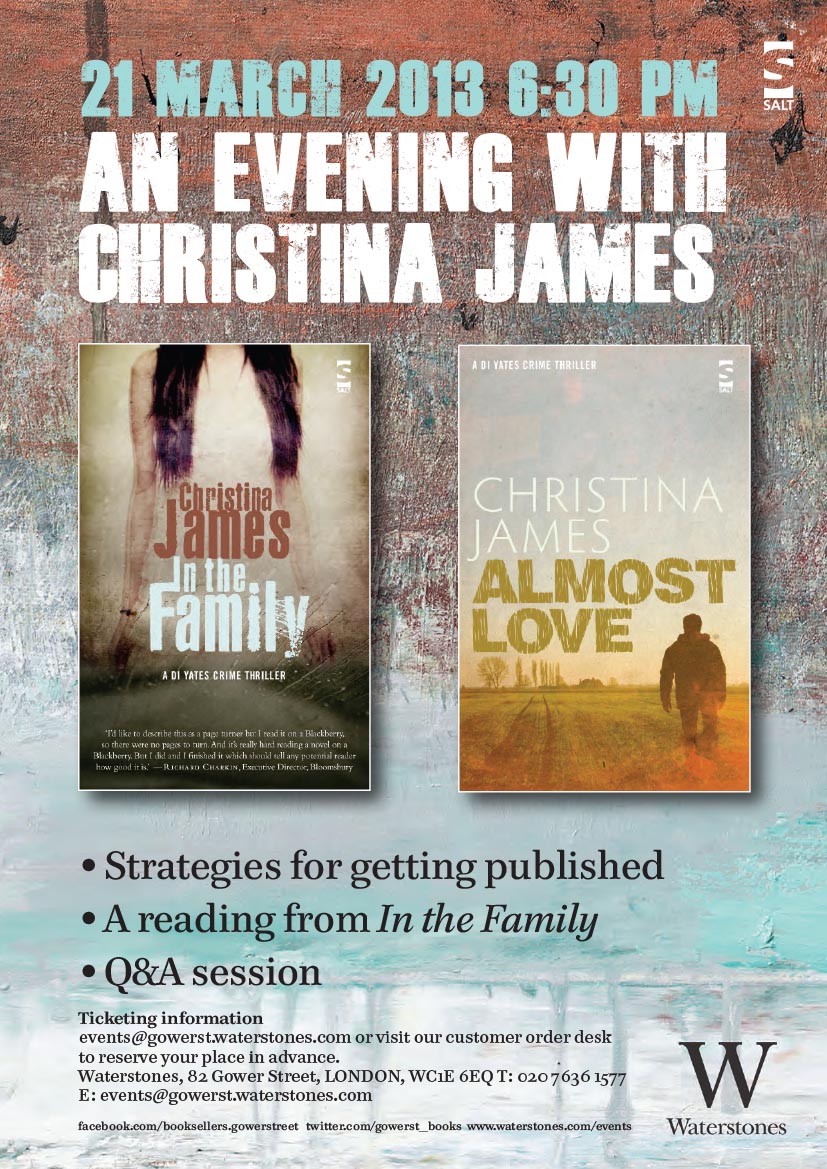
As readers of this blog have often kindly expressed an interest in my books, I thought you might like to know that an event has generously been organised for me by Sam, the wonderful Events Manager at Waterstones Gower Street, on Thursday 21st March 2013. It will start at 6.30 p.m. and last for perhaps an hour. I shall be reading a short excerpt from In the Family and perhaps also one from Almost Love (which will be published in June), and offering a few tips, from a personal perspective, on how to get published. After this, there will be a short Q & A – and a glass of wine! The event is a sort of forerunner of a larger Salt crime event that will be hosted by Gower Street on 23rd May 2013.
I know that readers of the blog are scattered far and wide and that some of you don’t live in Europe. Wherever you are, I am very grateful to you for your interest and have been delighted to ‘meet’ you on these pages. For those of you who happen to be in London next Thursday or can travel there easily (and would like to, of course!), I should be delighted to have the opportunity to meet you in person.
‘Almost Love’ almost flowering…
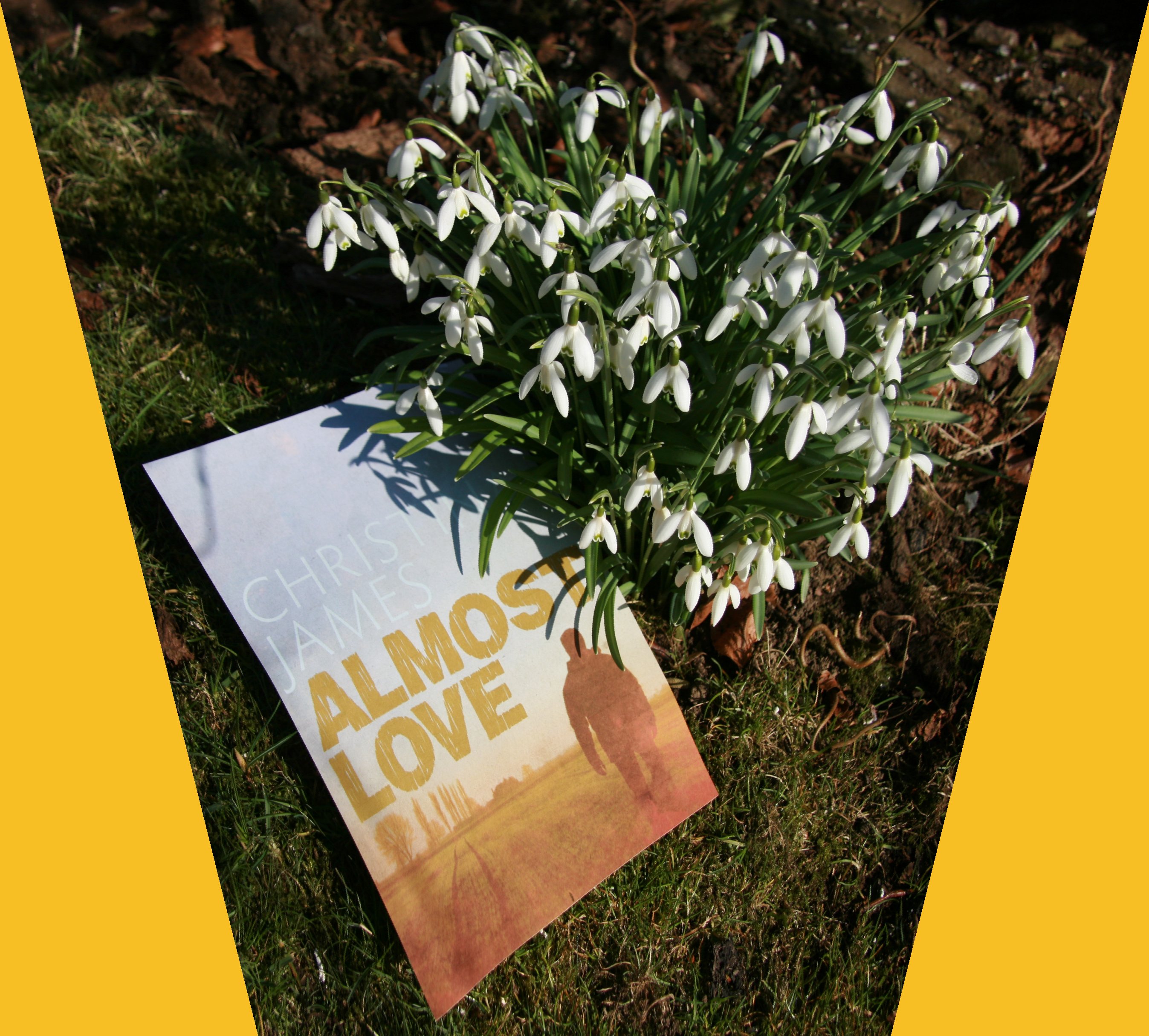
Yesterday was the first of March, St. David’s Day. Although there was frost on the ground, the sun, when it broke through the cloud, was shining brightly and with real warmth. The snowdrops and primulas have already been in flower for some time and yesterday I noticed that the dwarf daffodil buds are swelling. When I drove out at 6.15 p.m., there was still some daylight left. Spring is pushing aside a bleak winter!
Yesterday was also the day on which I wrote the last few sentences of Almost Love. Because of the non-sequential way in which I write (a habit that I am trying to break), they belong to a chapter about one hundred pages from the end; it was a chapter that I’d been trying to finalise for some time. Then, when there was nothing else left to work on (and therefore no way out of attending to it), it almost sorted itself, quietly and relatively quickly.
There’s still revision to be done, of course, although I revise all the time while I’m writing, but rounding off this novel has been quite different from finishing In the Family, which left me feeling battered and dazed. (I remember it well, partly because it was completed on the day of the royal wedding, which gave me more time to myself than usual.) This time I just felt happy in an understated sort of way.
The next novel is germinating at the back of my mind. It will need quite a lot of research, which I shall enjoy. For the moment, however, I shall focus on tending to Almost Love and enjoying the time before it bursts into bloom in June.
Into the Fens again!

Parish Church of St. Mary and St. Nicholas, Spalding
Yesterday, I made my second East Anglian excursion of the year, this time to Cambridge. It was a bitterly cold day and, although it was dawn by the time that I reached Peterborough, the light remained subdued by one of those swirling mists that often accompanies sub-zero winter days. I did not enjoy the cold (it was impossible to get warm, even by wearing a coat on a heated train), but I was delighted by the mist, as it enhanced the jolt of surprise that Ely Cathedral always springs when it sails suddenly into view. Not for nothing is it called the ‘Ship of the Fens’ and yesterday it truly looked like a huge galleon that had just weighed anchor on a white-capped sea.
Whilst Ely is one of the country’s oldest cathedrals (parts of it date back to the seventh century), the Fens as a whole are famous for their beautiful churches. When I was a child, every shopping expedition to Peterborough included a visit to Peterborough Cathedral. It was here that I first learned of the beheading of Mary Queen of Scots at Fotheringhay. She was originally buried in Peterborough Cathedral, though later exhumed and reinterred, by order of James I, in Westminster Abbey.
However, some of the finest Fenland churches are not cathedrals, but the more modest – although still magnificent – parish churches. I was both baptised and married in the Parish Church of St. Mary and St. Nicholas in Spalding; I was a pupil at Spalding Parish Church Day School, affiliated to this church.
I have recently acquired several books about South Lincolnshire in order to research Almost Love, my next novel. Among these is Geese, Gowts and Galligaskins, by Judith Withyman, a history of life in a fenland village from the mid-sixteenth to the mid-seventeenth centuries. (I shall review it when I’ve finished reading it.) Most of the papers that she draws on, in this vivid re-creation of how people lived in the Fens three or four hundred years ago, were discovered by her in the 1970s, in a chest kept in St. Mary’s Church at Pinchbeck, a large village that has become almost a ‘suburb’ of Spalding.
Such records are treasures and I wonder how many other Lincolnshire churches contain such secrets that are silently waiting to be yielded up to the interested and observant?
The ‘Next Big Thing’ for me…

I’d like to thank Anne Zouroudi for nominating me as one of her choices when she completed the ‘Next Big Thing’ questions. I am a keen admirer of Anne’s novels and also greatly respect her as a writer with a genuine desire to help less established authors than herself. Most readers of this blog will already be familiar with the ‘Next Big Thing’, a blog-hop that spreads the news about what new book authors are working on, via a common set of ten questions. So here I go:
What’s the title of your next book?
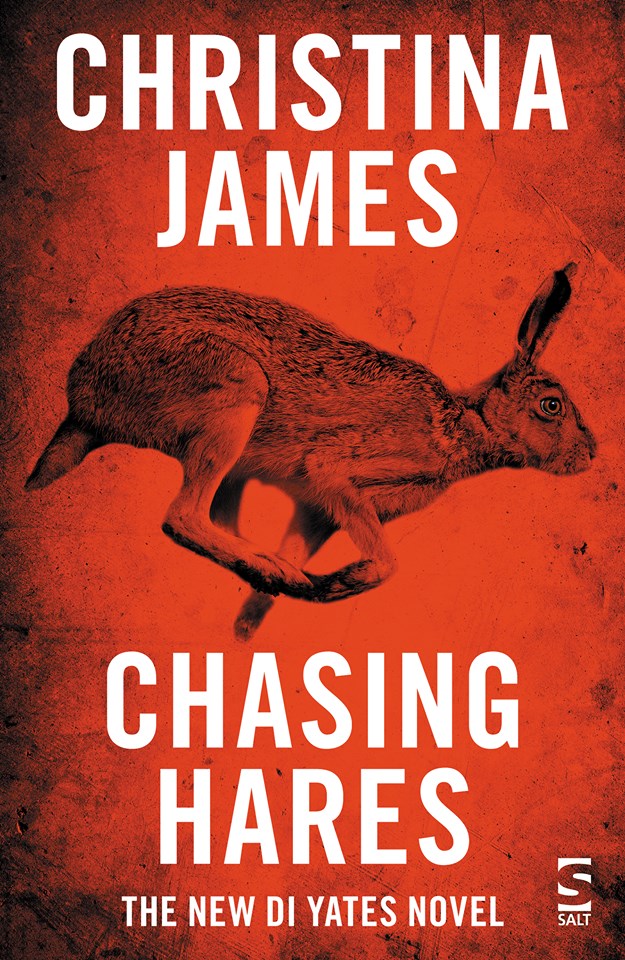
It’s Almost Love, to be published in June 2013. There is more information about it here.
Where did the idea come from for the book?
It came partly from the extraordinary venue used for a conference that I attended – a house that had once been owned by Liberace – and partly from my discovery of an unlikely liaison between two people I know.
What genre does your book fall under?
It is a crime novel. Elaine Aldred has kindly described me as a ‘literary’ crime writer. I don’t really like categorising books, but, as a Salt writer, I do try to pay as much attention to the characters and the language that I use as to the plot.
What actors would you choose to play the part of your characters in a movie rendition?
It depends on which characters! Rupert Penry-Jones fits the bill almost exactly for DI Yates; Franka Potente would be excellent as Katrin; Ralph Fiennes would play Guy Maichment, one of the villains, to perfection.
What is the one-sentence synopsis of your book?
The disappearance of an elderly eminent female archaeologist and the simultaneous, but apparently unrelated, start of an illicit love affair between two colleagues together set off a chain of events that results in several murders; as the aspirations of a macabre right wing political group are also re-ignited, catastrophe threatens.
Will your book be self-published or represented by an agency?
Like In the Family, it will be published by Salt Publishing. I don’t have an agent. I’m proud to be a Salt author.
How long did it take you to write the first draft of the manuscript?
I’m still tidying it up in places. I started writing it when on holiday in France in August 2011.
What other books would you compare this story to within your genre?
That’s a very difficult question! I honestly haven’t read anything that resembles it much, partly because, as with In the Family, the South Lincolnshire setting is very important. I suppose it could be described as Michael Dibdin meets Henning Mankell in South Lincs, though that sounds terribly pretentious and more than a little absurd!
Who or what inspired you to write this book?
It was always my intention to write several DI Yates stories. The first seeds of Almost Love were sown by a telephone conversation; it was a piece of gossip, really.
What else about your book might pique the reader’s interest?
I’ve taken a lot of trouble with the archaeological background, which is inspired in part by the existence of the Spalding Gentlemen’s Society, a fascinating three-centuries-old organisation. Readers who’ve already met Tim Yates may be intrigued by some additional complications in his personal life.
I’d now like to pass the Next Big Thing baton to Laura Joyce, a fellow Salt author who has greatly impressed me with her debut novel, The Museum of Atheism.
Killing off your character
The second DI Yates novel
As I am in the process of completing only my second DI Yates novel, I hope that I shall not need to worry about whether I have exhausted his potential for some time yet. However, how writers manage to keep on presenting the lead character in a series in a fresh way is something that I find fascinating. Conan Doyle, wanting to save his mind ‘for better things’, killed off Sherlock Holmes at the Reichenbach Falls, only to resurrect him in response to public demand. Peter Robinson gives DI Banks a rich personal life, an often racy account of which forms a sub-plot in each of those novels. Ian Rankin announced that the seventeenth Rebus book would be the last and then changed his mind: Standing in Another Man’s Grave was published in November. I’m sure that Rankin’s revival of Rebus, like Doyle’s of Sherlock Holmes, was created in response to popular demand and that Rebus still has a rich future ahead of him, thanks particularly to Rankin’s inventive plot skills.
Some characters (no names, no pack drill!) do, however, seem to me to have run their literary course and should be allowed to die or retire. Surely their creators must realise this? Yet it takes a brave writer not only to know that the time has come to kill her/his cash cow, but also to do the deed.
I’m sure that, once it is done, authors mourn the hero or heroine who has been so much part of their inner life for so many years. I do, however, have more than a little admiration for an author who does not allow a relationship with a popular character to become too comfortable!
 Christina James, crime novelist